
Capriccio With A Classical Sarcophogus And Possibly Beeston Castle, Chesire — History & Facts
In the tapestry of life, loss weaves through moments of splendor, often leaving a bittersweet trace behind. Here, in a resolute composition, echoes of grandeur and lament intertwine seamlessly, inviting contemplation on the fleeting nature of beauty. Look to the right at the classical sarcophagus, its intricate carvings whispering stories of the past. The stone seems to glow softly under a palette of muted earth tones and silvery blues, suggesting both reverence and nostalgia.
The towering trees and ethereal clouds in the background cradle the scene, forming a natural frame that draws the eye toward the solid presence of history. Each brushstroke reveals Lambert’s deftness, blending realism and imagination to create a harmonious dialogue between the canvas and the viewer. This painting captures the tension between permanence and ephemerality. The sarcophagus stands as a metaphor for mortality, while the surrounding landscape breathes with life and fading dreams.
The juxtaposition of sturdy stone against the fluidity of nature hints at the transient beauty of existence, evoking an emotional response that lingers long after the gaze shifts. Here, the castle looms in the distance, representing the remnants of human ambition and the inevitable decay that follows. George Lambert painted this work in 1736, a time when the English art scene was beginning to embrace the picturesque. Experimenting with neoclassical themes, Lambert sought to meld the grandeur of classical ideals with the emerging romantic notions of landscape.
The period was marked by a fascination with the sublime, setting the stage for his exploration of beauty intertwined with loss, reflected poignantly in this piece.
More Artworks by George Lambert
Browse all →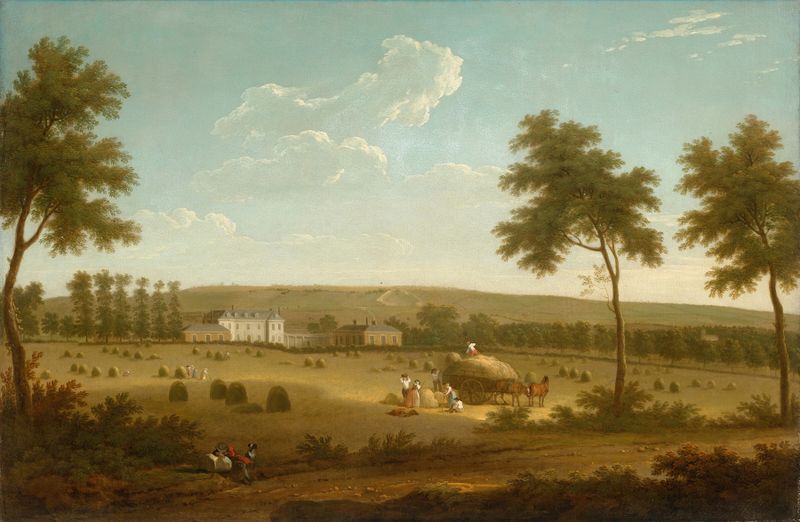
A South-east view of Leybourne Grange, Kent
George Lambert

An Italianate Landscape with Maneus Curius Dentatus with acolytes rejecting the gifts of the Samnites and preferring Turnips
George Lambert
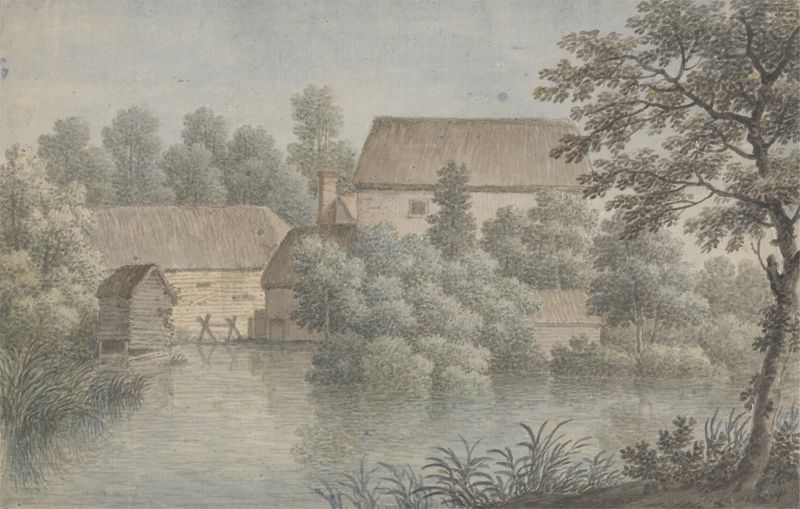
A Village Pond with Farm Buildings
George Lambert

A Pastoral Landscape with Shepherds and their Flocks
George Lambert

Wooded landscape with figures resting by a stream
George Lambert

An Arcadian Landscape
George Lambert
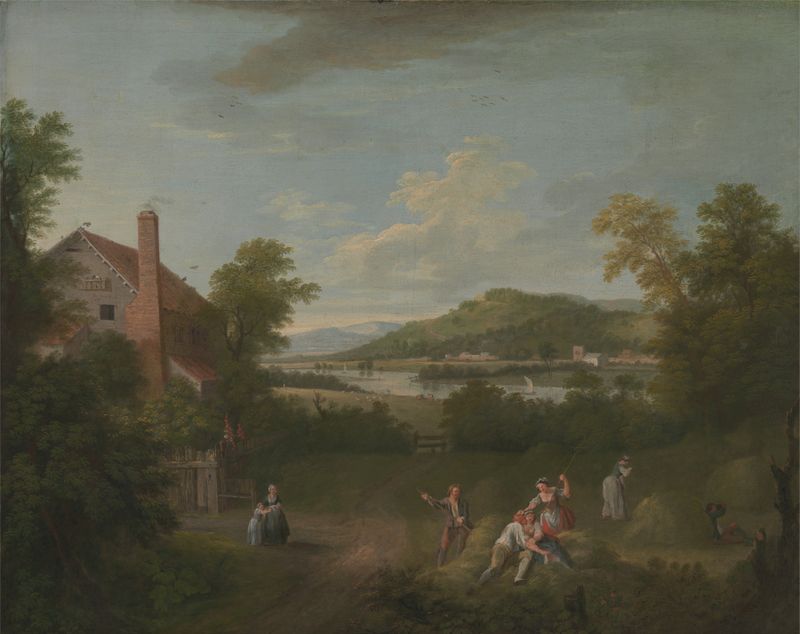
Landscape with Farmworkers
George Lambert
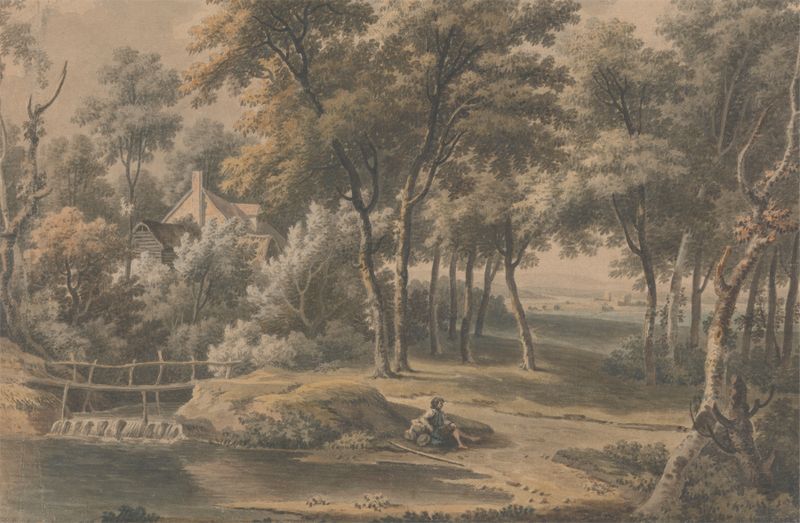
A Woody Landscape
George Lambert
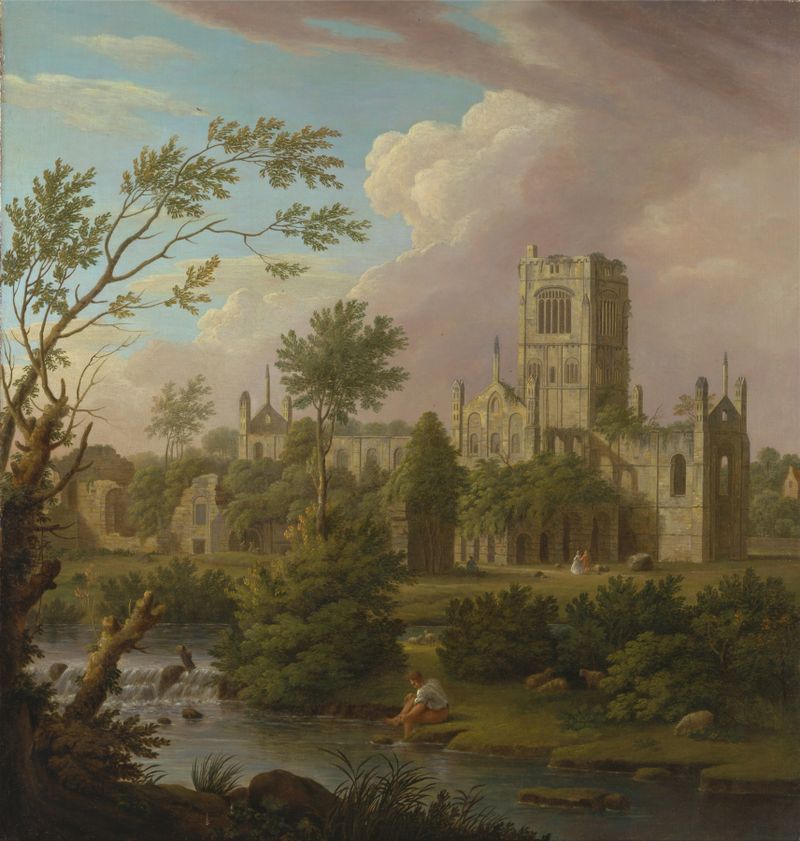
Kirkstall Abbey, Yorkshire
George Lambert

Classical Landscape
George Lambert





