
A Woody Landscape — History & Facts
Where does light end, and longing begin? In A Woody Landscape, the interplay of nature and emotion invites viewers to ponder the boundaries of existence and the whispers of revolution. Look to the left at the towering trees, their leafy canopies arching overhead like a protective embrace. The dappled sunlight filters through, casting intricate patterns on the forest floor, guiding your gaze deeper into the scene. Notice how the palette of greens is punctuated with warm earth tones, invoking a sense of serenity while simultaneously stirring a sense of unrest.
The deliberate brushstrokes add texture, suggesting movement and life within the stillness. Within this tranquil landscape lies a tension between beauty and melancholy, the lush greenery hinting at the untamed wildness of the era in which it was created. The light that dances across the foliage speaks to the fleeting nature of time—its brilliance a reminder of the fervor of revolution simmering just beneath the surface. Each hidden glade and every shadow hints at stories untold, evoking feelings of yearning and the inevitable changes that loom on the horizon. George Lambert painted A Woody Landscape during a period of shifting artistic tides, around the late 18th century, likely in his native England.
As Romanticism began to flourish, the artist grappled with themes of nature and emotion, striving to break free from the constraints of the previous classical traditions. This work reflects not only his personal artistic journey but also the broader ideological transformations in society, where the call for freedom and expression became increasingly prevalent.
More Artworks by George Lambert
Browse all →
Capriccio With A Classical Sarcophogus And Possibly Beeston Castle, Chesire
George Lambert
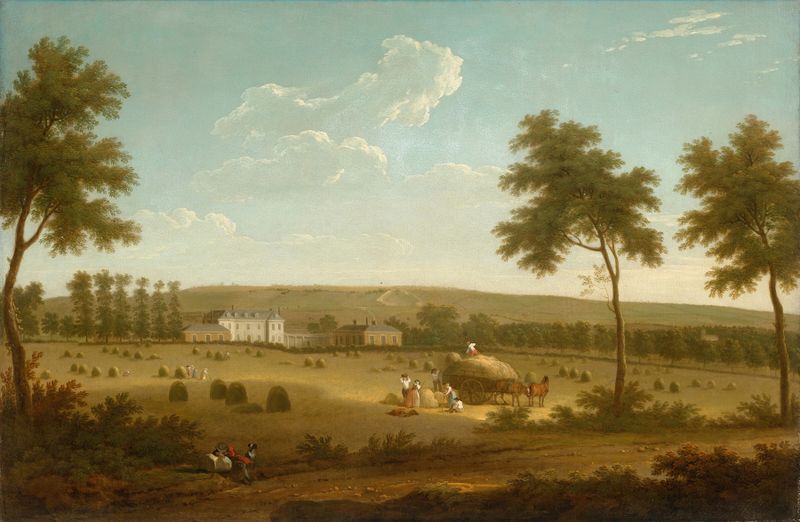
A South-east view of Leybourne Grange, Kent
George Lambert

An Italianate Landscape with Maneus Curius Dentatus with acolytes rejecting the gifts of the Samnites and preferring Turnips
George Lambert
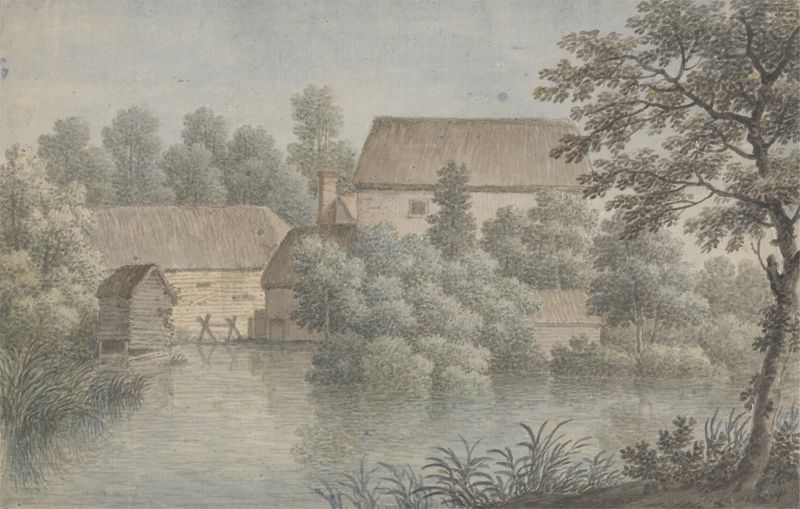
A Village Pond with Farm Buildings
George Lambert

A Pastoral Landscape with Shepherds and their Flocks
George Lambert

Wooded landscape with figures resting by a stream
George Lambert

An Arcadian Landscape
George Lambert
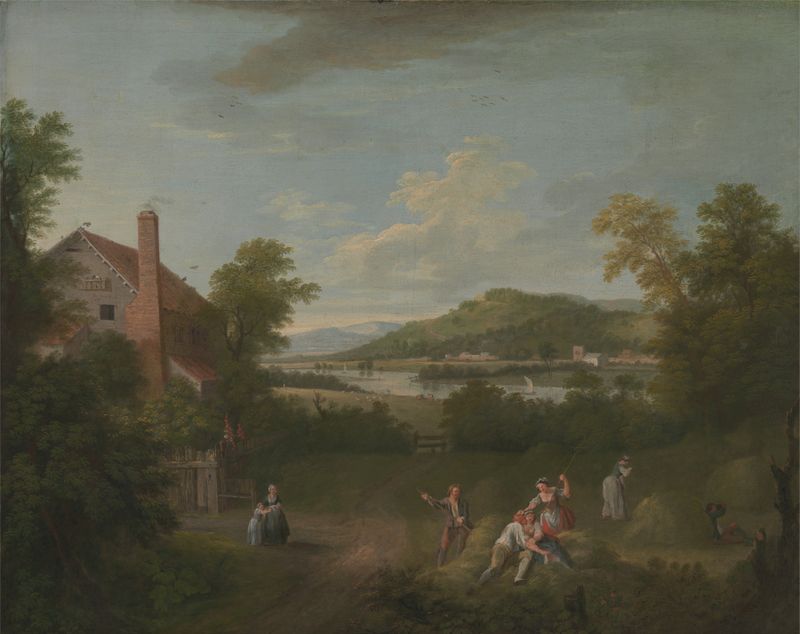
Landscape with Farmworkers
George Lambert
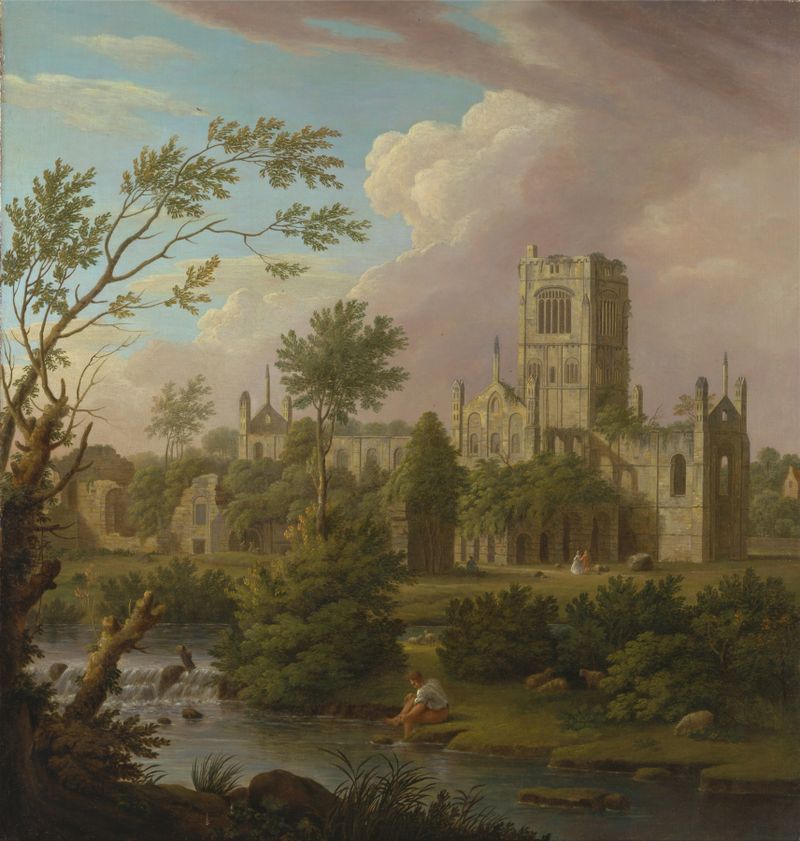
Kirkstall Abbey, Yorkshire
George Lambert

Classical Landscape
George Lambert





