
Kirkstall Abbey, Yorkshire — History & Facts
Who listens when art speaks of silence? In the stillness of Kirkstall Abbey, the whispers of faith seem to echo through the ruins, inviting contemplation. Look to the left where the remnants of arched windows frame the scene, their intricate stonework softened by the embrace of time. The cool hues of blue and green gently collide with warm earth tones, evoking a sense of both decay and reverence. As your gaze traverses the composition, notice how the dappled light filters through the trees, casting delicate shadows that dance across the ancient stones, breathing life into the history captured within these walls. There is a profound contrast at play: the solidity of the abbey stands resolute against the transient beauty of nature surrounding it.
Each crack in the stone tells a story of resilience, while the lush greenery represents renewal. The interplay between light and shadow evokes a sense of meditation, inviting the viewer to consider the relationship between the sacred and the ephemeral, faith and mortality. In the early 18th century, George Lambert painted this piece during a time of burgeoning interest in the picturesque and the sublime in art. Located in Yorkshire, amidst the Romantic movement’s influence, Lambert was inspired by the ruins of Kirkstall Abbey not just as a landscape but as a vessel of history and spiritual significance.
This period marked a shift in artistic exploration, as artists began to capture the interplay of man, nature, and the passage of time in their work.
More Artworks by George Lambert
Browse all →
Capriccio With A Classical Sarcophogus And Possibly Beeston Castle, Chesire
George Lambert
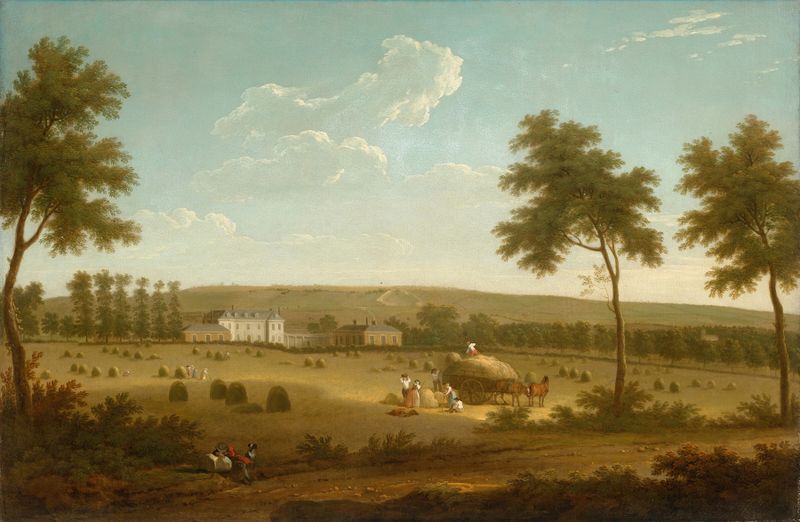
A South-east view of Leybourne Grange, Kent
George Lambert

An Italianate Landscape with Maneus Curius Dentatus with acolytes rejecting the gifts of the Samnites and preferring Turnips
George Lambert
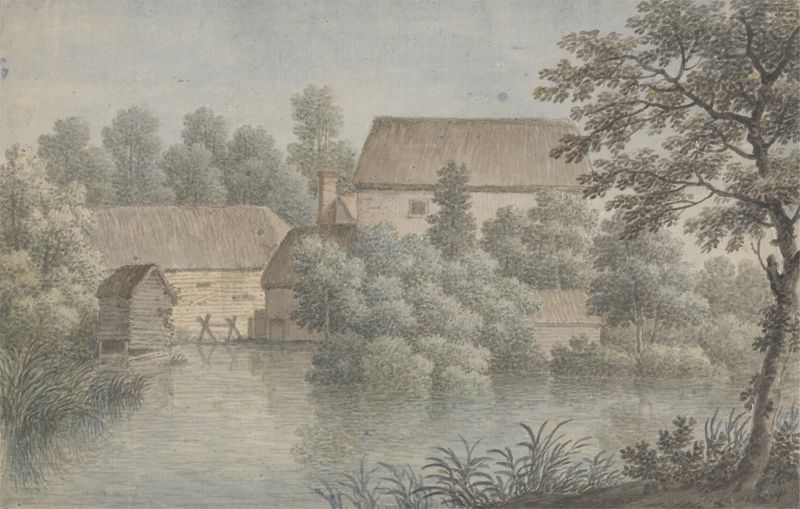
A Village Pond with Farm Buildings
George Lambert

A Pastoral Landscape with Shepherds and their Flocks
George Lambert

Wooded landscape with figures resting by a stream
George Lambert

An Arcadian Landscape
George Lambert
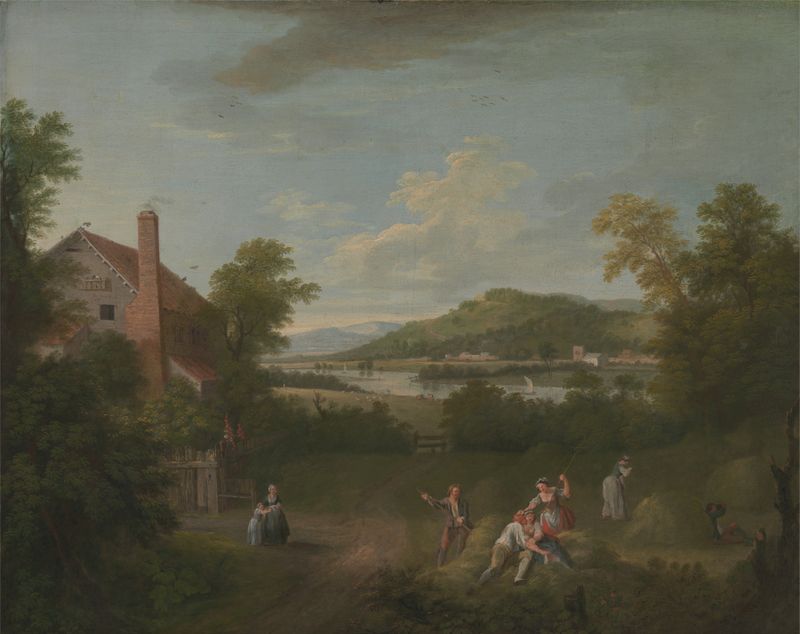
Landscape with Farmworkers
George Lambert
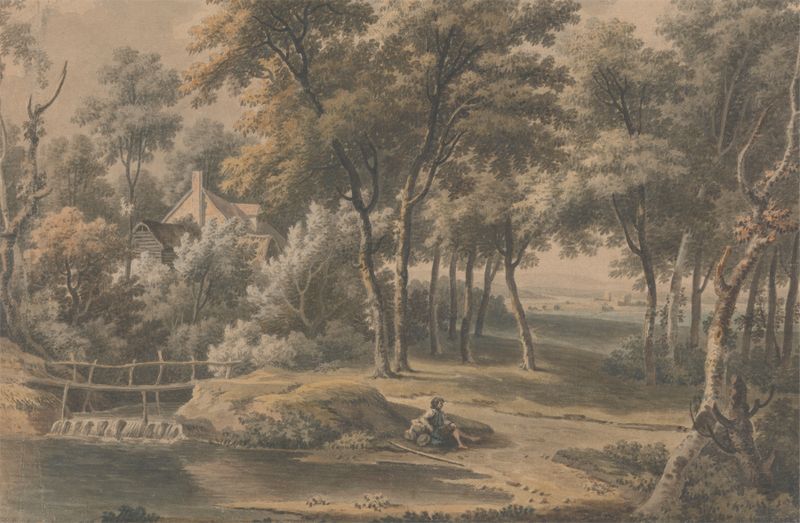
A Woody Landscape
George Lambert

Classical Landscape
George Lambert
More Architecture Art
Browse all →
The statue of Liberty
Frédéric Auguste Bartholdi

View of Houses in Delft, Known as ‘The Little Street’
Johannes Vermeer

View of Houses in Delft, Known as ‘The Little Street’
Johannes Vermeer

The Cathedral in Rouen. The portal, Grey Weather
Claude Monet

The yellow house
Vincent van Gogh

The Church in Auvers-sur-Oise, View from the Chevet
Vincent van Gogh