
An Italianate Landscape with Maneus Curius Dentatus with acolytes rejecting the gifts of the Samnites and preferring Turnips — History & Facts
In the verdant embrace of this Italianate landscape, memory intertwines with the present, echoing choices that resonate through time. Look to the left at the lush greenery that frames the scene, drawing your gaze toward the figures that stand resolute amidst nature's bounty. Notice how the artist employs a soft palette of greens and browns, creating a harmonious blend that both celebrates and contrasts with the starkness of the moment. The gesture of Maneus Curius Dentatus, arms raised in defiance, is at once powerful and serene, while his acolytes, clothed in muted tones, reflect a steadfast loyalty that deepens the narrative's weight. There’s a palpable tension in the painting—a clash of values between material wealth and simplicity.
The gracious gifts of the Samnites, laden with opulence, are met with a humble preference for turnips, symbolizing the nobility of choice and integrity. This contrast illuminates the themes of sacrifice and virtue, subtly inviting the viewer to ponder the merits of humility in a world often driven by greed. In 1752, George Lambert painted this piece during a period marked by shifting artistic movements in England, where the Rococo style was being increasingly embraced. At this time in his life, Lambert was transitioning from landscape painting to history and allegory, reflecting broader currents in Enlightenment thought that championed reason and virtue.
This work not only encapsulates his artistic evolution but also engages with the moral philosophies of the era, inviting reflection on the intrinsic value of simplicity amid societal complexities.
More Artworks by George Lambert
Browse all →
Capriccio With A Classical Sarcophogus And Possibly Beeston Castle, Chesire
George Lambert
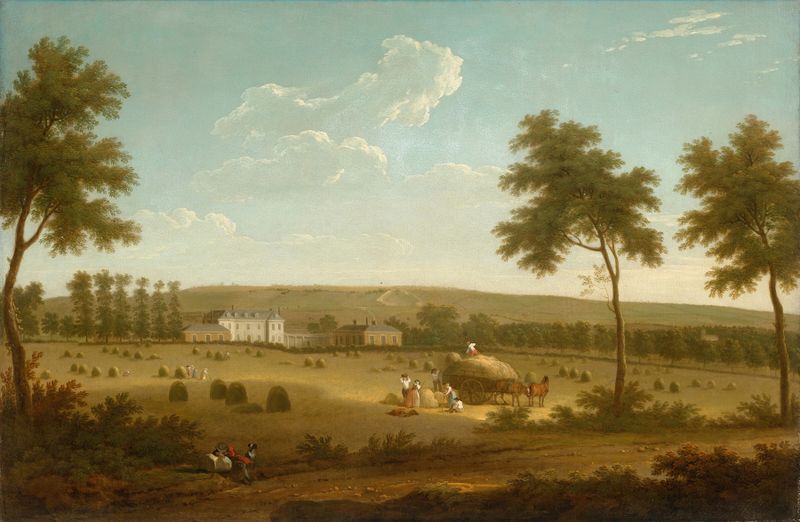
A South-east view of Leybourne Grange, Kent
George Lambert
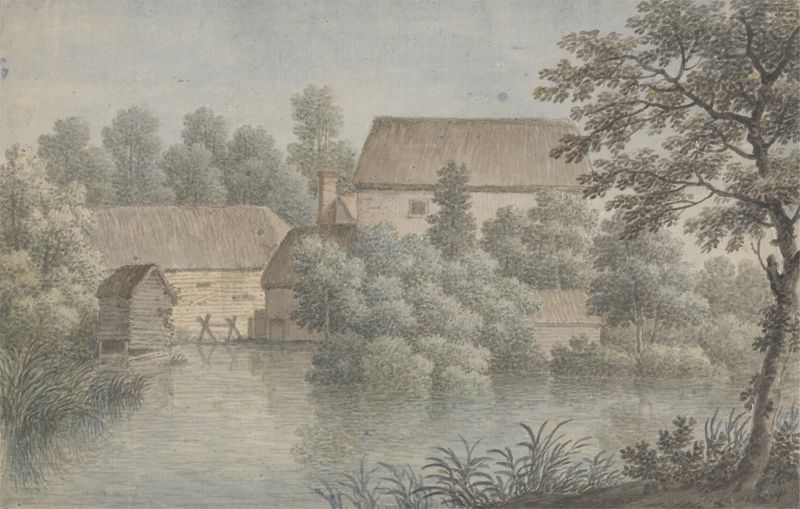
A Village Pond with Farm Buildings
George Lambert

A Pastoral Landscape with Shepherds and their Flocks
George Lambert

Wooded landscape with figures resting by a stream
George Lambert

An Arcadian Landscape
George Lambert
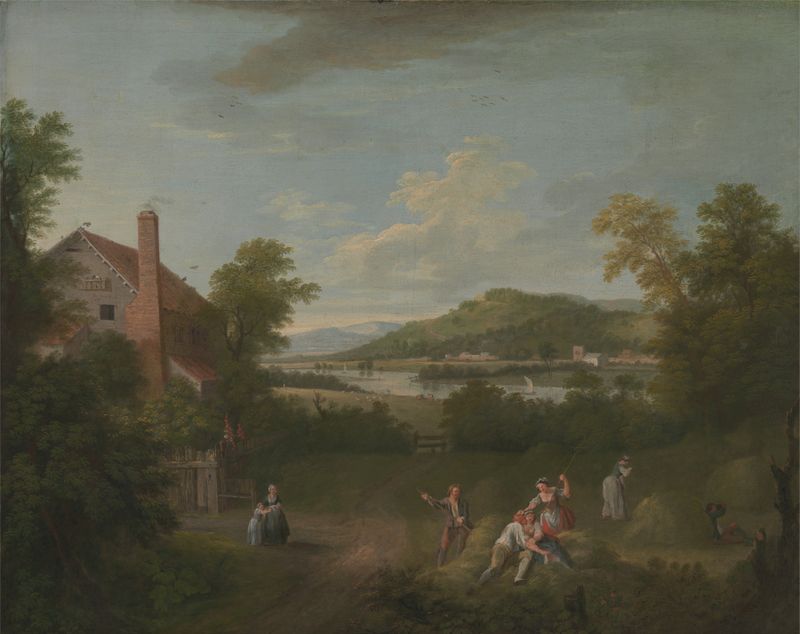
Landscape with Farmworkers
George Lambert
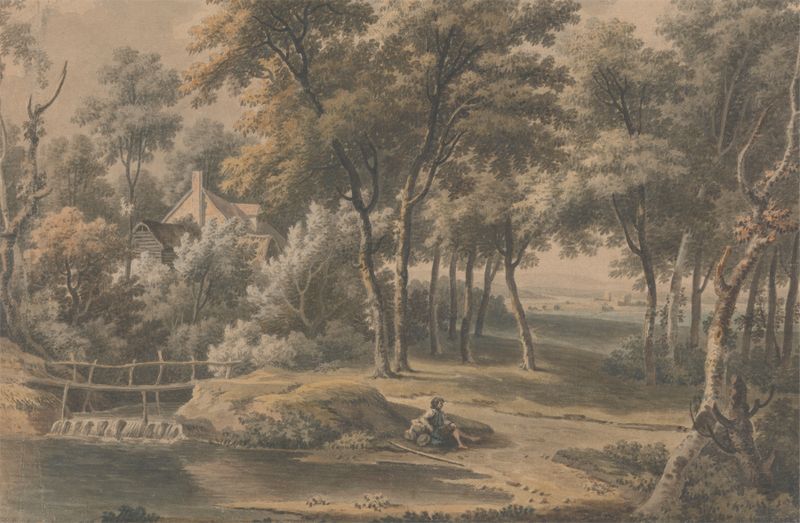
A Woody Landscape
George Lambert
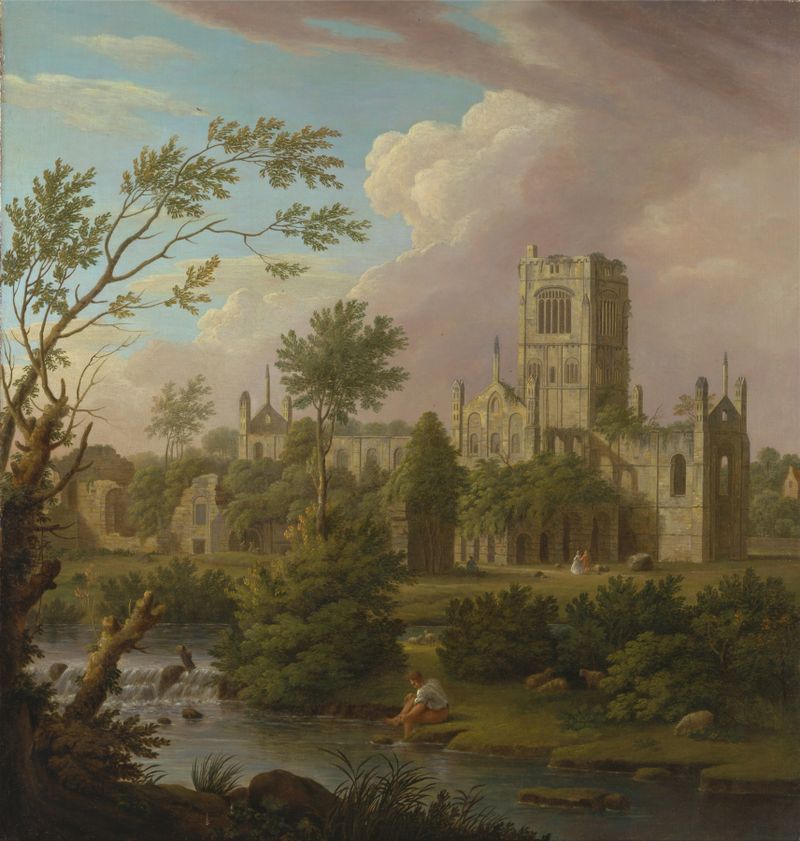
Kirkstall Abbey, Yorkshire
George Lambert

Classical Landscape
George Lambert
More Historical Art
Browse all →
The Night Watch Militia Company of District II under the Command of Captain Frans Banninck Cocq
Rembrandt van Rijn

Lincoln Memorial
Henry Bacon

The Third of May 1808
Francisco de Goya

Isaac and Rebecca, Known as ‘The Jewish Bride’
Rembrandt van Rijn

The Charge of the Mamelukes (1814)
Francisco de Goya

De vier ruiters van de apocalyps
Albrecht Dürer