
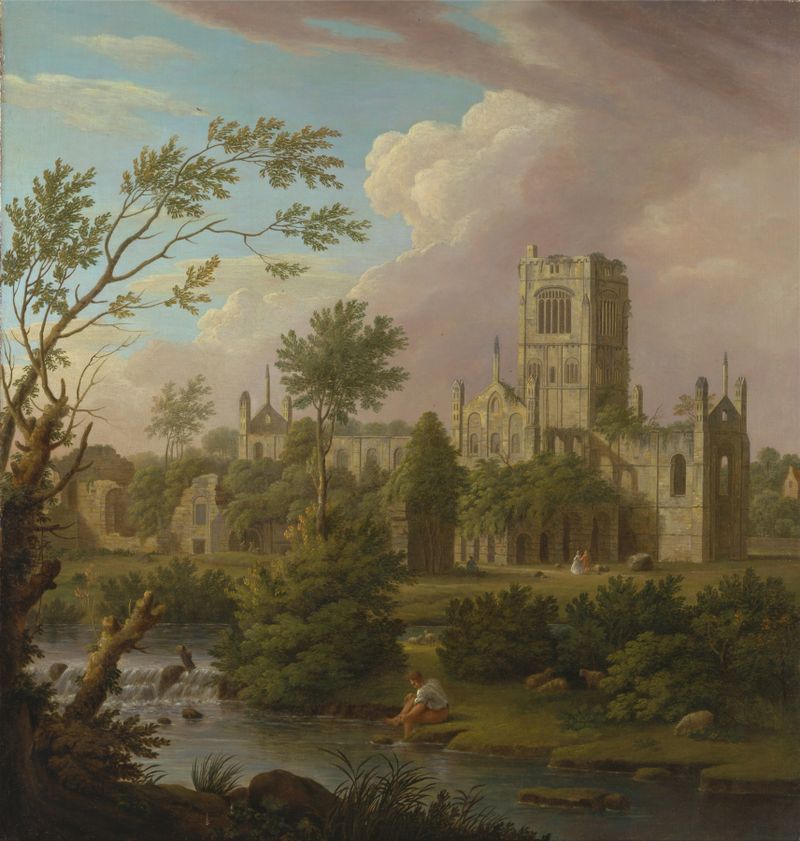
Wooded landscape with figures resting by a stream — History & Facts
Can beauty exist without sorrow? The gentle interplay of light and shadow in this wooded panorama speaks volumes about the desire for rest amidst life's unceasing flow. Look to the left at the tranquil stream, its surface reflecting the dappled sunlight filtering through the canopy above. The figures, nestled by the water’s edge, invite our gaze to linger; their postures suggest a moment of respite, yet the way they are captured hints at an underlying tension. Notice how the lush greens of the foliage contrast with the earthy browns of their garments, a visual symphony that evokes both harmony and the weight of longing. In the delicate balance of this landscape, we see a poignant commentary on human experience.
The peacefulness of nature surrounds the figures, yet their stilled bodies convey a yearning for something deeper — perhaps a connection to the world beyond the frame. The stream's gently flowing water symbolizes the relentless passage of time, while the trees stand sentinel, grounding the scene in permanence, yet reminding us of the transience of these quiet moments of existence. George Lambert created this work in 1725, during a period when the burgeoning English landscape painting was gaining recognition. As an artist based in London, he was at the forefront of a movement that celebrated the beauty of nature while reflecting on the complexities of the human condition.
His exploration of desire and tranquility in the landscape resonates with the evolving sensibilities of his time, as artists began to seek a deeper emotional truth in the natural world.
More Artworks by George Lambert
Browse all →
Capriccio With A Classical Sarcophogus And Possibly Beeston Castle, Chesire
George Lambert
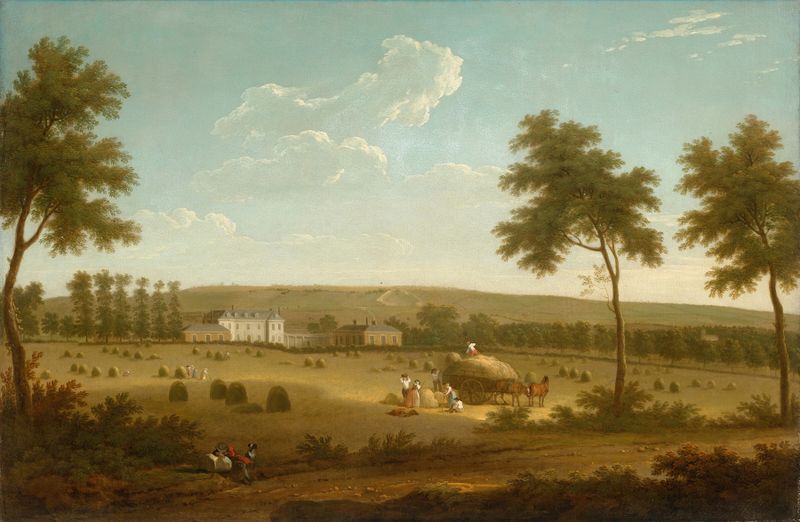
A South-east view of Leybourne Grange, Kent
George Lambert

An Italianate Landscape with Maneus Curius Dentatus with acolytes rejecting the gifts of the Samnites and preferring Turnips
George Lambert
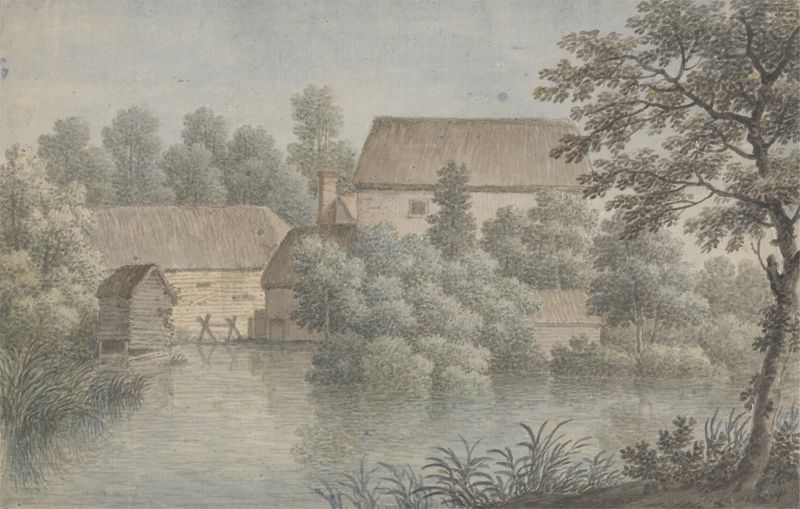
A Village Pond with Farm Buildings
George Lambert

A Pastoral Landscape with Shepherds and their Flocks
George Lambert

An Arcadian Landscape
George Lambert
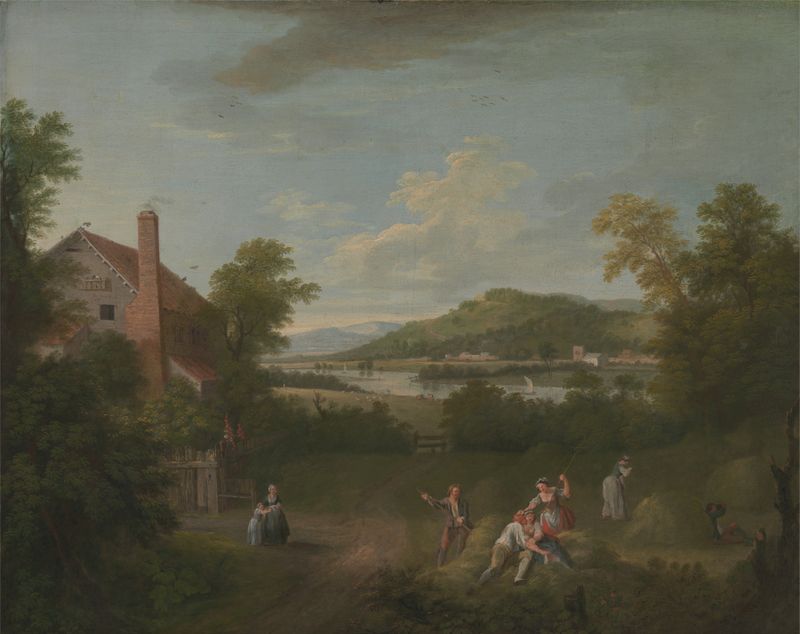
Landscape with Farmworkers
George Lambert
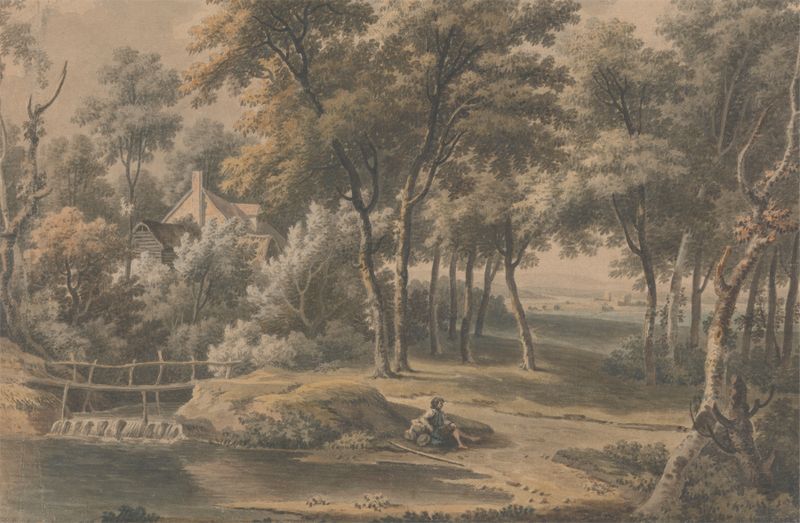
A Woody Landscape
George Lambert
Kirkstall Abbey, Yorkshire
George Lambert

Classical Landscape
George Lambert





