
Capriccio with ruins of the Roman Forum — History & Facts
Who listens when art speaks of silence? In Capriccio with Ruins of the Roman Forum, emptiness becomes a profound echo, resonating through the layers of light and shadow. Look to the left at the majestic, crumbling columns that rise solemnly against the fading light. The golden hues sweep across the sky, casting an ethereal glow that envelops the scene, while gentle earth tones ground the ruins in history. Lorrain’s deft brushwork captures the soft interplay of twilight, guiding the eye from the vibrant sky down to the desolate remnants of antiquity that dominate the composition. In these ancient ruins, a poignant narrative unfolds.
The juxtaposition of nature's splendor against human fragility speaks to the passage of time, a reminder of what once was and the inevitable decay that follows. The absence of figures amplifies the sense of solitude, inviting viewers to contemplate their own existence amid the vast expanse of history. Shadows gather in corners, hinting at lost stories and echoing the silence that envelops the viewer, creating a haunting yet serene atmosphere. Painted in 1634, this piece represents a pivotal moment in Claude Lorrain's career as he navigated the tumultuous art world of early Baroque Europe.
During this time, he was entrenched in Rome, absorbing the city's rich heritage while developing his unique style that merged classical landscapes with emotional depth. The echoes of the past influenced many artists of the period, but Lorrain's vision stands distinct, reflecting both admiration and melancholic introspection amidst a world in flux.
More Artworks by Claude Lorrain
Browse all →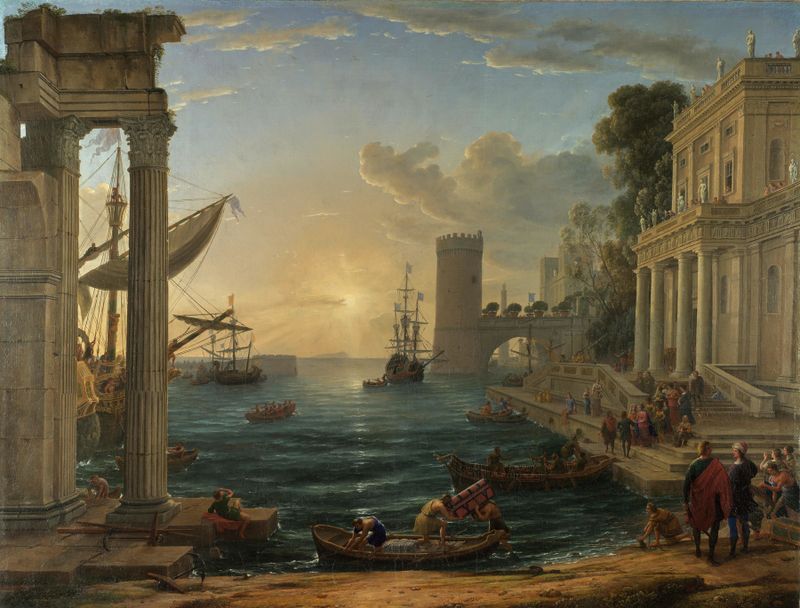
The Embarkation of the Queen of Sheba
Claude Lorrain
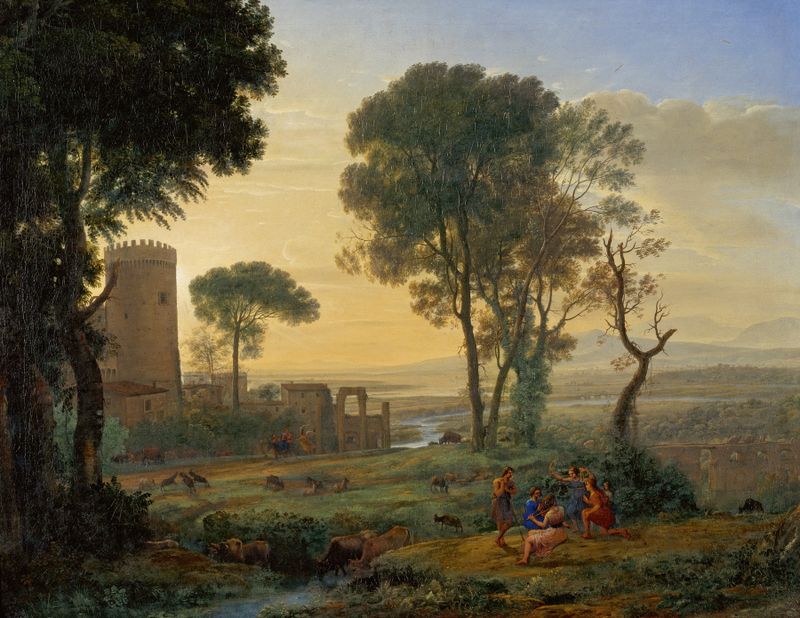
Landscape with the Flight into Egypt
Claude Lorrain
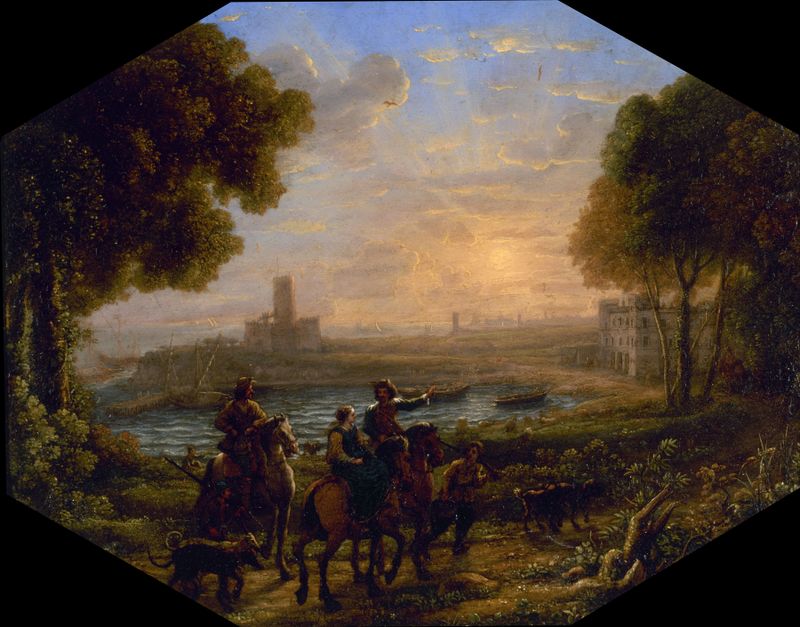
Paysage avec le port de Santa Marinella
Claude Lorrain
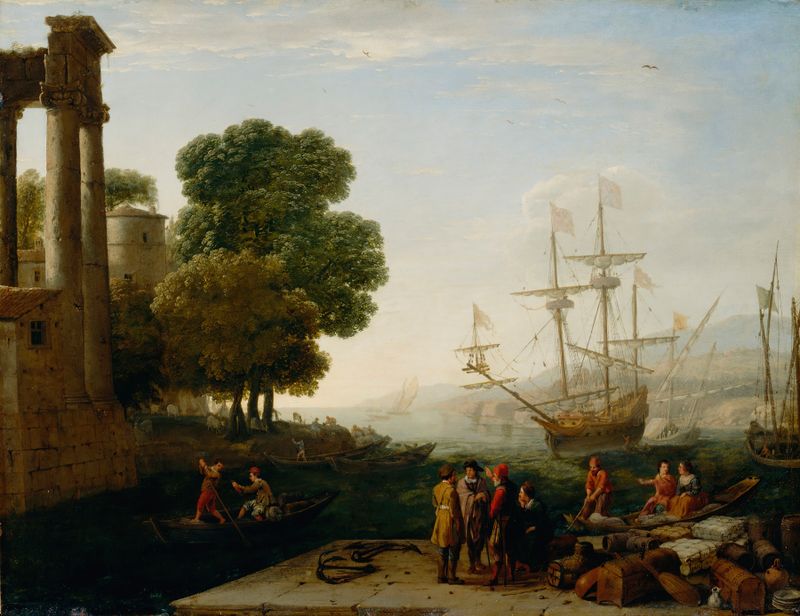
A Seaport at Sunset
Claude Lorrain
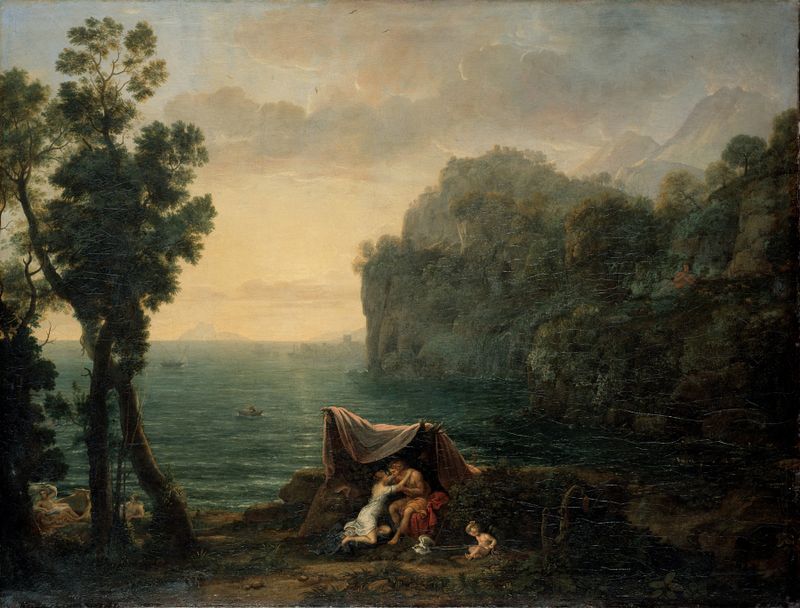
Landscape with Acis and Galatea
Claude Lorrain
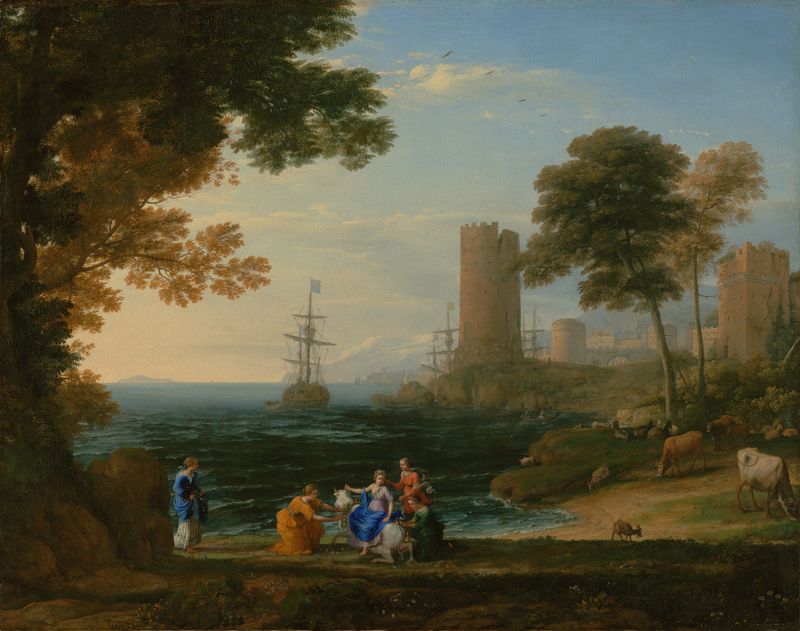
Coast View with the Abduction of Europa
Claude Lorrain
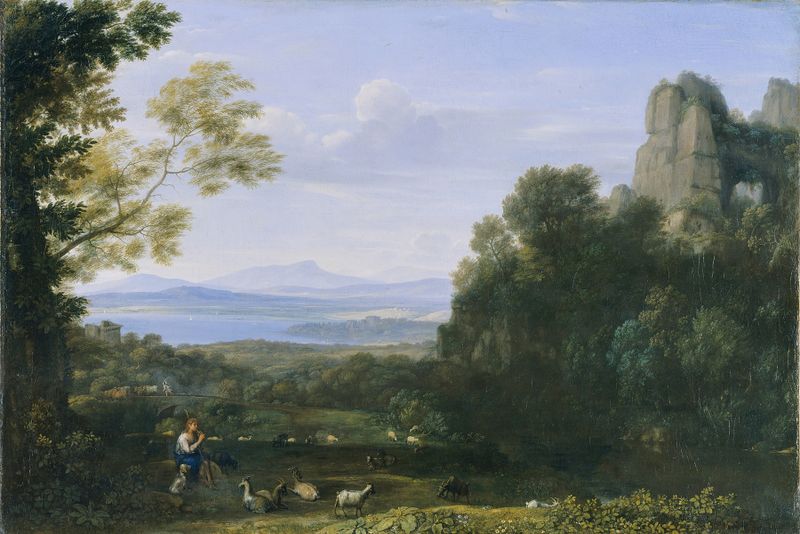
Landscape with Apollo and Mercury
Claude Lorrain
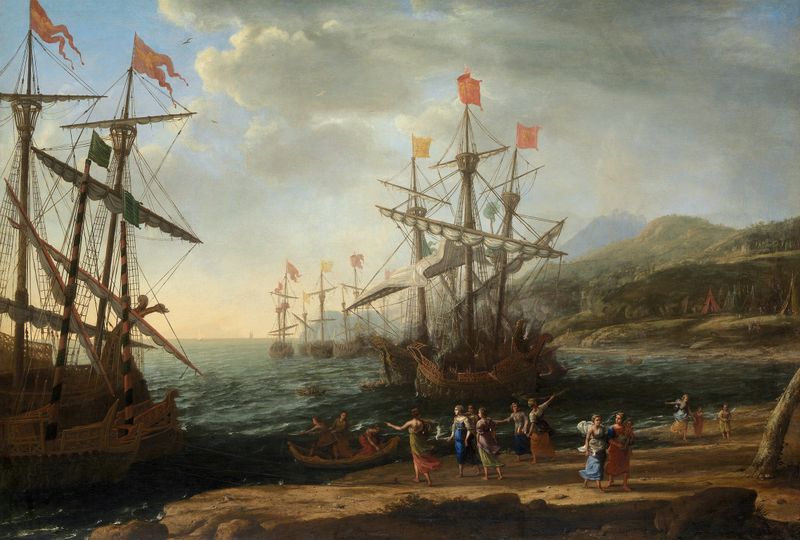
The Trojan Women Setting Fire to Their Fleet
Claude Lorrain
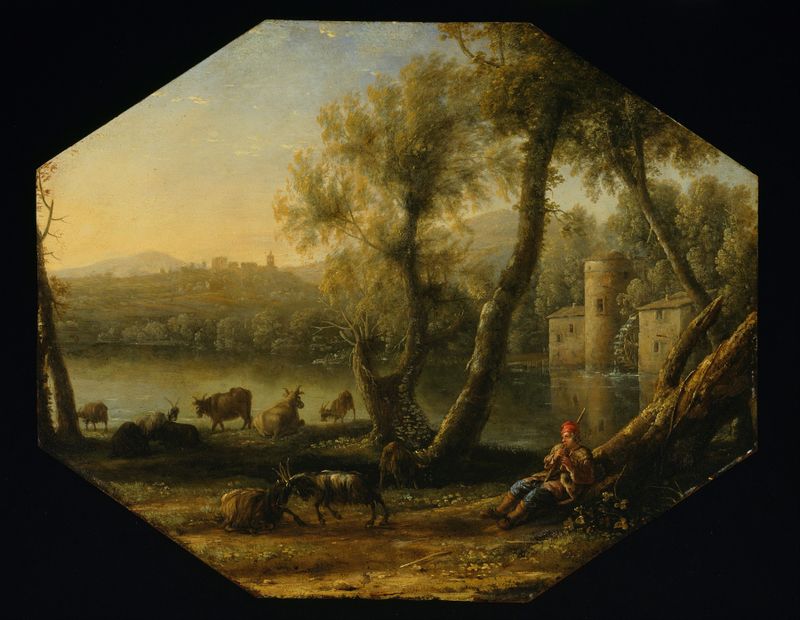
Pastoral landscape
Claude Lorrain
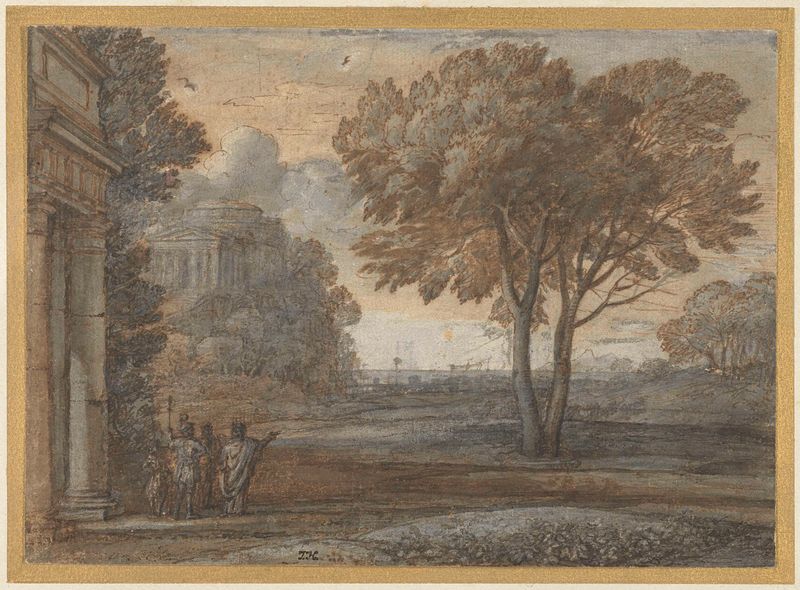
Aeneas op Delos
Claude Lorrain





