
Carnival Evening — History & Facts
In a world where the fleeting moments of joy are intertwined with the shadows of our inevitable demise, art becomes a vessel for our memories, transcending the boundaries of existence. Focus on the vibrant palette that envelops the canvas, where deep blues collide with glowing yellows and greens. Notice how the figures appear almost suspended in time, their expressions veiled in an air of mystery, inviting you to ponder their stories. The ethereal glow of the moonlight bathes the scene, illuminating the carnival’s exuberance while casting an undercurrent of melancholy over the festivities.
The juxtaposition of the lively scene and the deeper undertones of mortality creates a rich tension that resonates throughout the piece. Look closely at the contrasting elements: the lively dancers wrapped in colorful garments and the hauntingly serene expressions they wear. There’s a palpable sense of joy, yet behind it lurks a bittersweet awareness of the passage of time, evoking a reflection on the ephemeral nature of life. The intricate details of nature’s surrounding, with its lush foliage, serve as a reminder of life’s vitality, contrasted against the stillness that envelops the figures, suggesting an underlying awareness of life's fragility. Henri Rousseau created this piece in the late 19th century, a time when he was working as a toll collector in Paris.
His unique style, often labeled as naïve art, found its audience during an era when artists were embracing modernism and experimentation. Despite facing criticism, Rousseau remained committed to his vision, crafting a body of work that ultimately secured his place in art history as a pioneer of imaginative landscapes that merge reality with dreams.
More Artworks by Henri Rousseau
Browse all →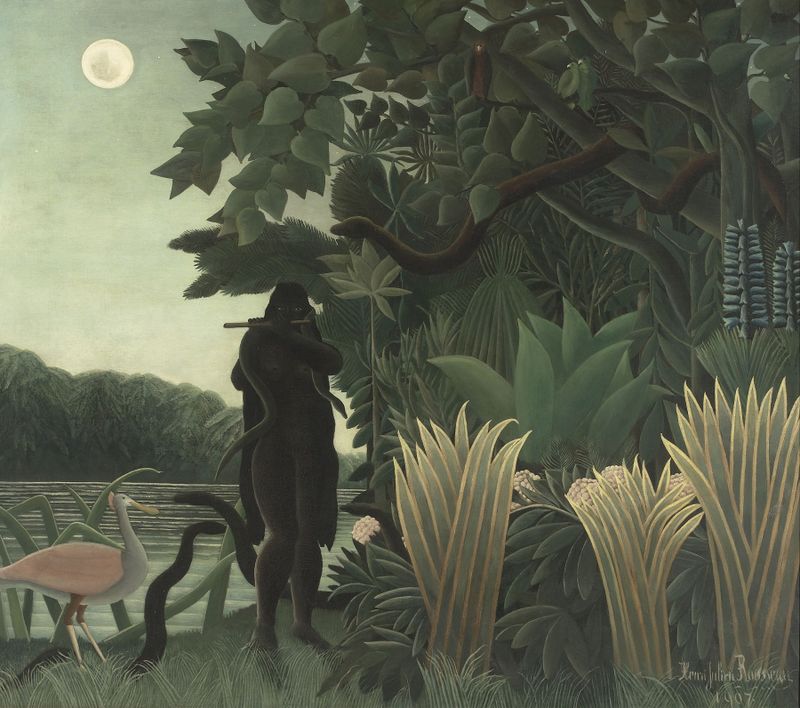
The Snake Charmer
Henri Rousseau
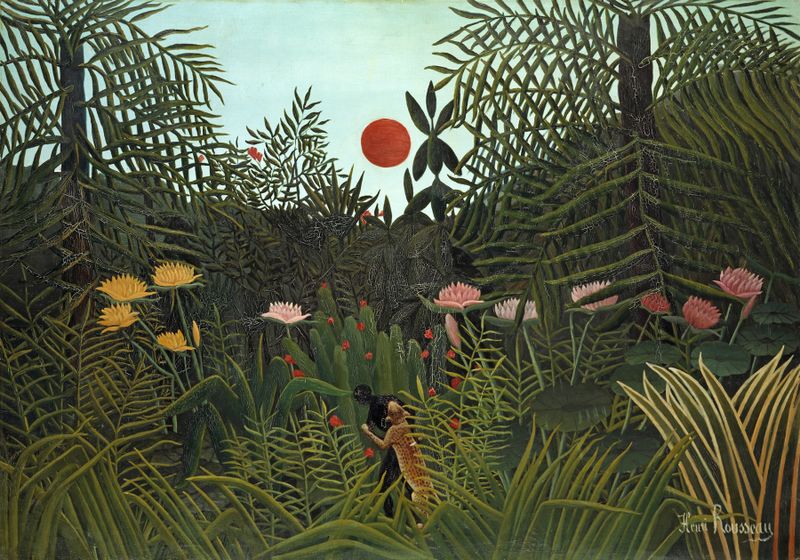
Jungle with Setting Sun
Henri Rousseau
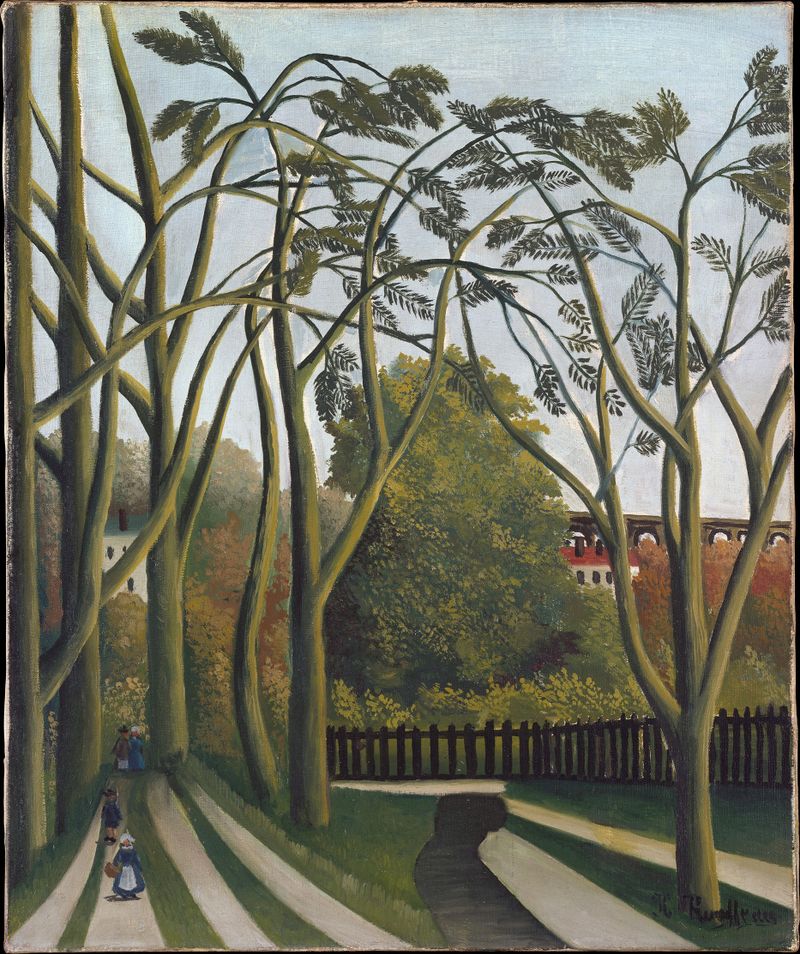
The Banks of the Bièvre near Bicêtre
Henri Rousseau
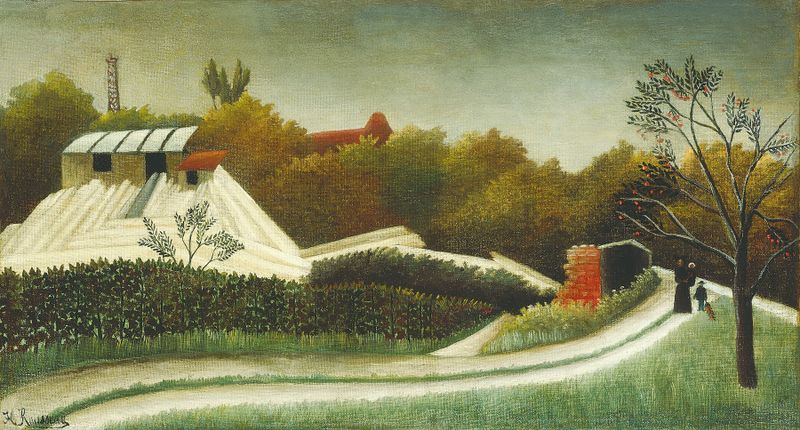
Sawmill, Outskirts of Paris
Henri Rousseau
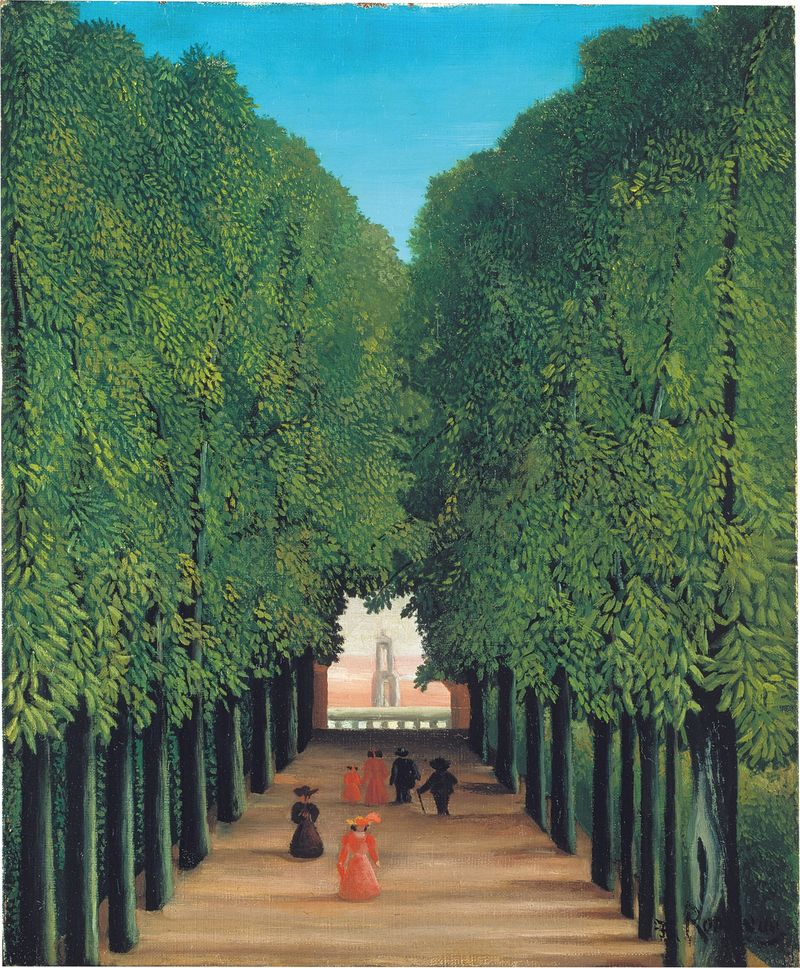
The Avenue in Saint-Cloud Park
Henri Rousseau

Sawmill, Outskirts of Paris
Henri Rousseau
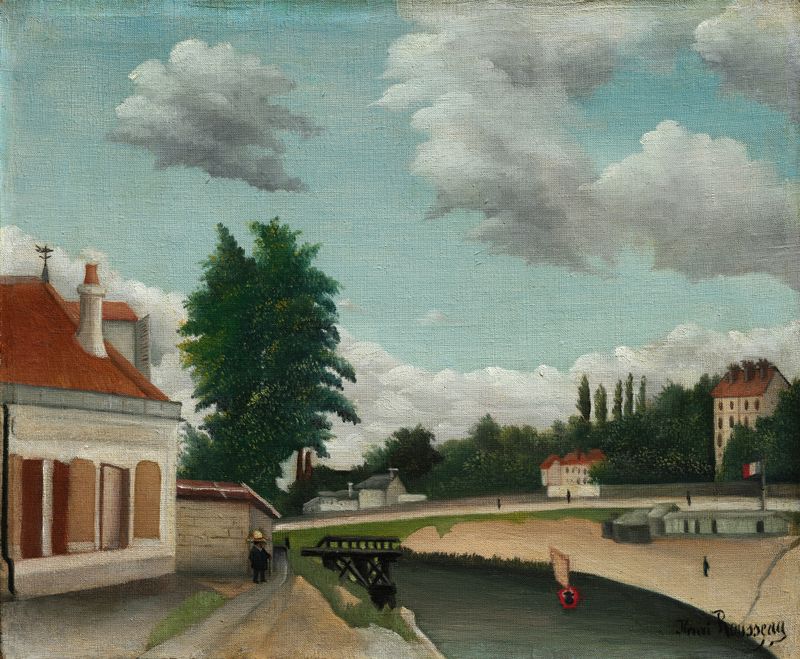
Outskirts of Paris
Henri Rousseau
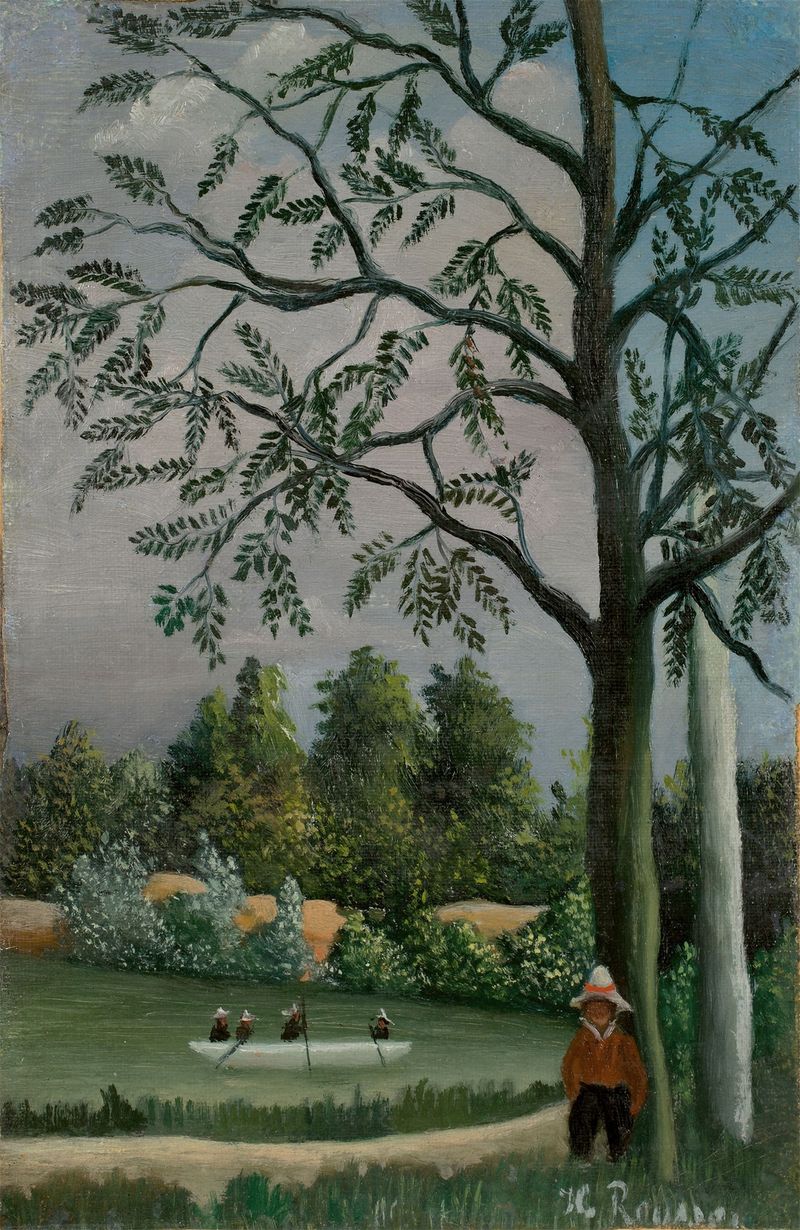
Paysage avec des pêcheurs
Henri Rousseau
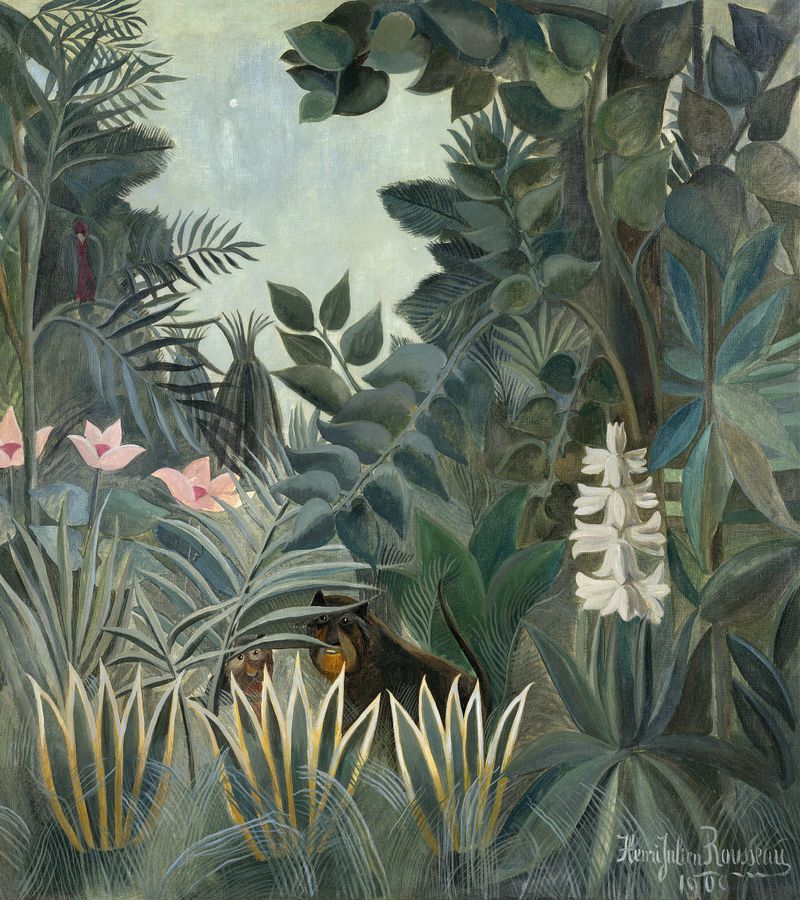
The Equatorial Jungle
Henri Rousseau
Tropical Forest with Monkeys
Henri Rousseau





