
Carrying Place — History & Facts
Can paint confess what words never could? In Carrying Place, the brush eloquently captures the weight of grief, translating the unutterable into a visual language that lingers in the soul. Look to the center of the canvas, where a figure is burdened with an unseen load, their posture heavy and weary. The muted palette of grays and blues conveys a somber atmosphere, while soft, blended strokes evoke a sense of melancholy. Notice how the light plays upon the figure’s form, creating a haunting contrast that highlights their isolation and the depth of their sorrow, inviting viewers to immerse in a world that feels both intimate and expansive. Within the composition, the interplay of light and shadow speaks to the complexities of loss.
The surrounding environment remains vague and indistinct, perhaps symbolizing the blurred lines between memory and reality. The figure appears to be in transit, evoking the notion of both physical and emotional journeys—leaving behind what was once familiar while carrying the weight of remembrance. This tension between presence and absence resonates deeply, reflecting the universal experience of mourning. In 1923, Haskell painted this work during a time when the art world was grappling with the aftermath of the First World War.
Emerging from a period of intense personal and societal upheaval, he sought to articulate complex emotions, particularly surrounding loss and resilience. His exploration of the human condition through such poignant themes was not only relevant to his own experiences but also echoed the broader cultural conversations of his time.
More Artworks by Ernest Haskell
Browse all →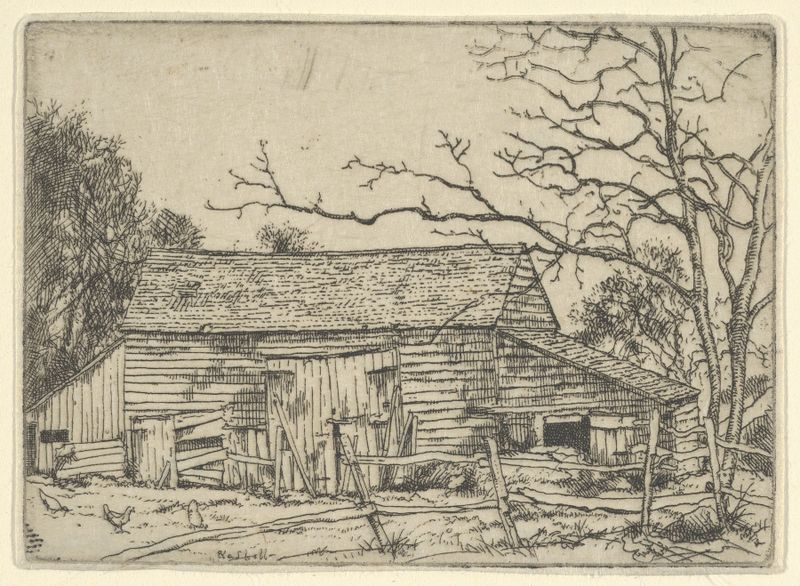
The Barn–Staten Island, N.Y.
Ernest Haskell

Four Live Oaks
Ernest Haskell
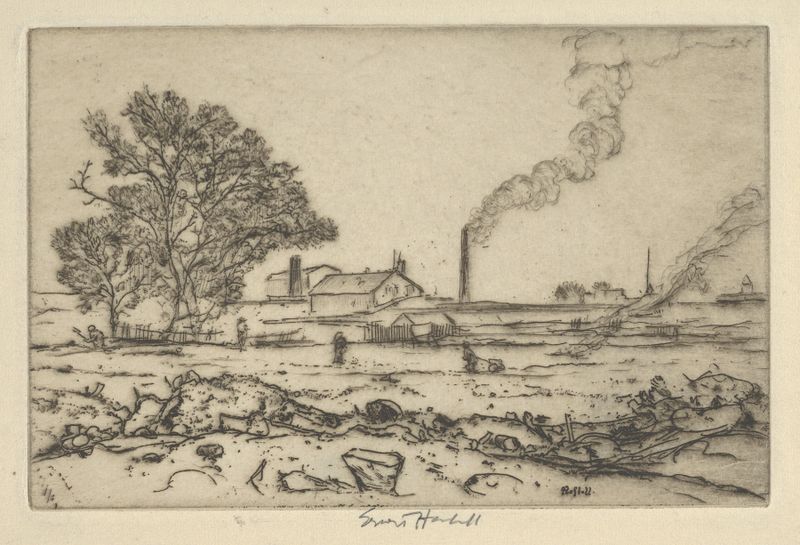
Outskirts of Boston
Ernest Haskell
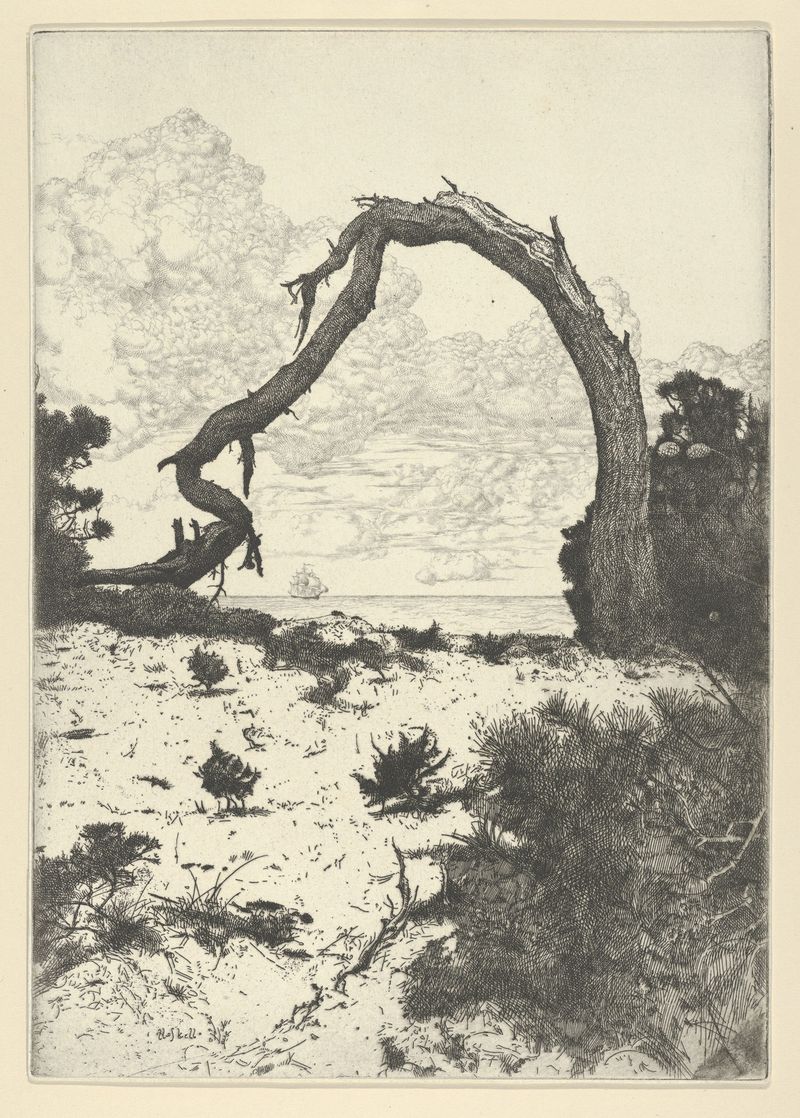
Pine Arch
Ernest Haskell

General Sherman
Ernest Haskell
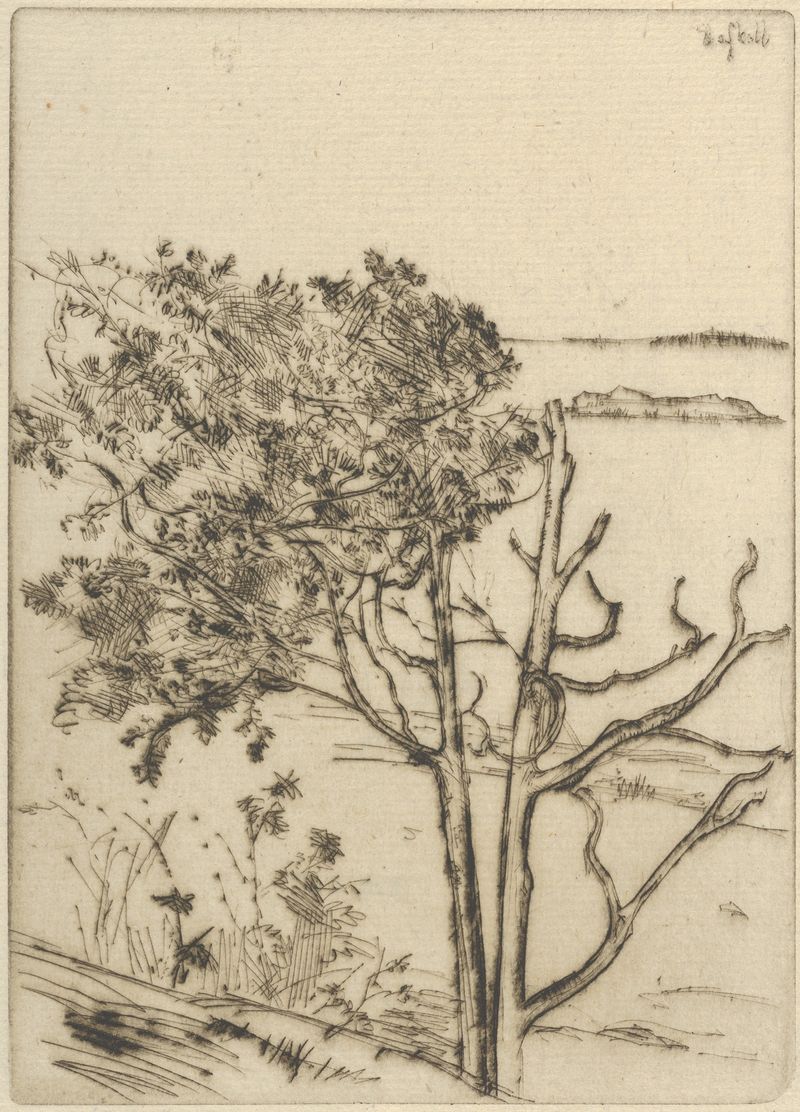
Ragged Tree – Maine
Ernest Haskell

Tide Mill
Ernest Haskell

Ship Building
Ernest Haskell
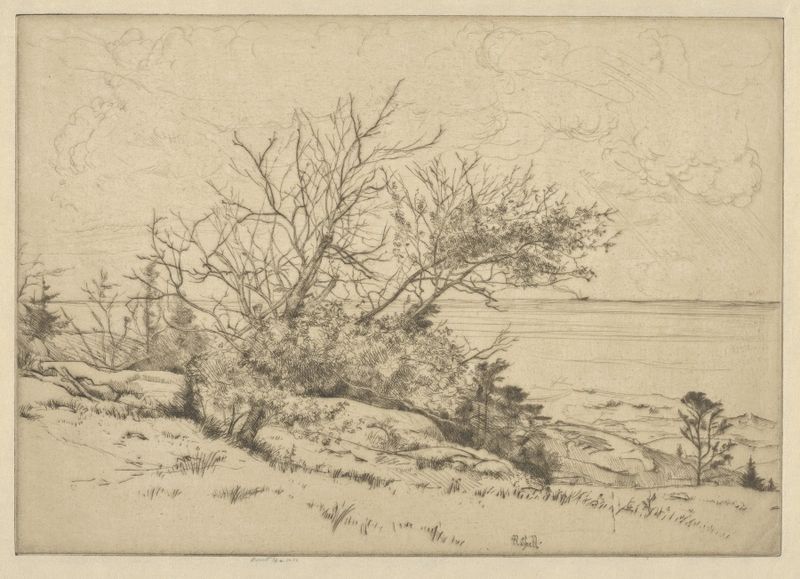
To the Southward – Ragged Island, Me.
Ernest Haskell
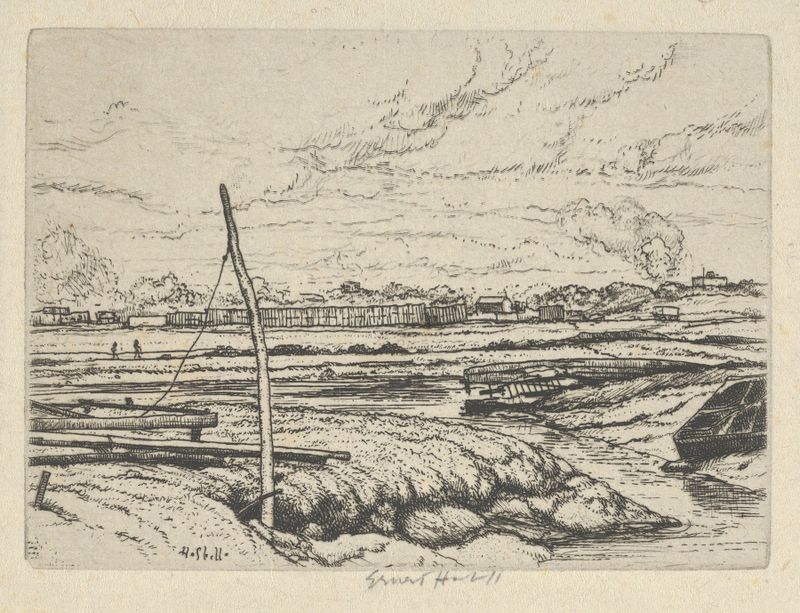
Long Island Marshes
Ernest Haskell





