
Casino De Cabourg — History & Facts
Few posters have come to symbolize the spirit of the Belle Époque seaside resort as vividly as Casino De Cabourg by Henri Privat-Livemont. Its image became an unofficial emblem for the Normandy town’s casino, which drew fashionable crowds from Paris in the early 1900s. While the exact date and commission remain uncertain, the work is often linked to the casino’s golden era, when Marcel Proust himself frequented its halls and immortalized Cabourg as Balbec in his novels.
The poster’s enduring popularity has made it one of the most reproduced images associated with French Art Nouveau. At the heart of Casino De Cabourg is a vision of leisure and elegance. A graceful woman, draped in flowing garments, stands poised before the casino’s ornate façade, her posture inviting the viewer to join the festivities within. The swirling lines of her dress and the stylized floral motifs in the background are hallmarks of the Art Nouveau movement, echoing the organic forms found in the posters of Alphonse Mucha.
The woman’s upward gaze and outstretched arm suggest anticipation and allure, while the soft, pastel palette bathes the scene in a gentle optimism, capturing the era’s fascination with pleasure and modernity. As with many posters by Privat-Livemont, the original medium of Casino De Cabourg is believed to be color lithography, a technique that allowed for vibrant, mass-produced images to advertise cultural venues. The work’s precise provenance is unclear, but it has circulated widely in both public and private collections, and reproductions still adorn walls in Cabourg and beyond. For Privat-Livemont, best known for his iconic absinthe and chocolate advertisements, this poster stands as a testament to his ability to blend commercial art with the decorative ideals of Art Nouveau.
Today, it remains a cherished artifact of the era’s optimism and the enduring allure of the French seaside.
More Artworks by Henri Privat-Livemont

Oriental Dancers
Henri Privat-Livemont
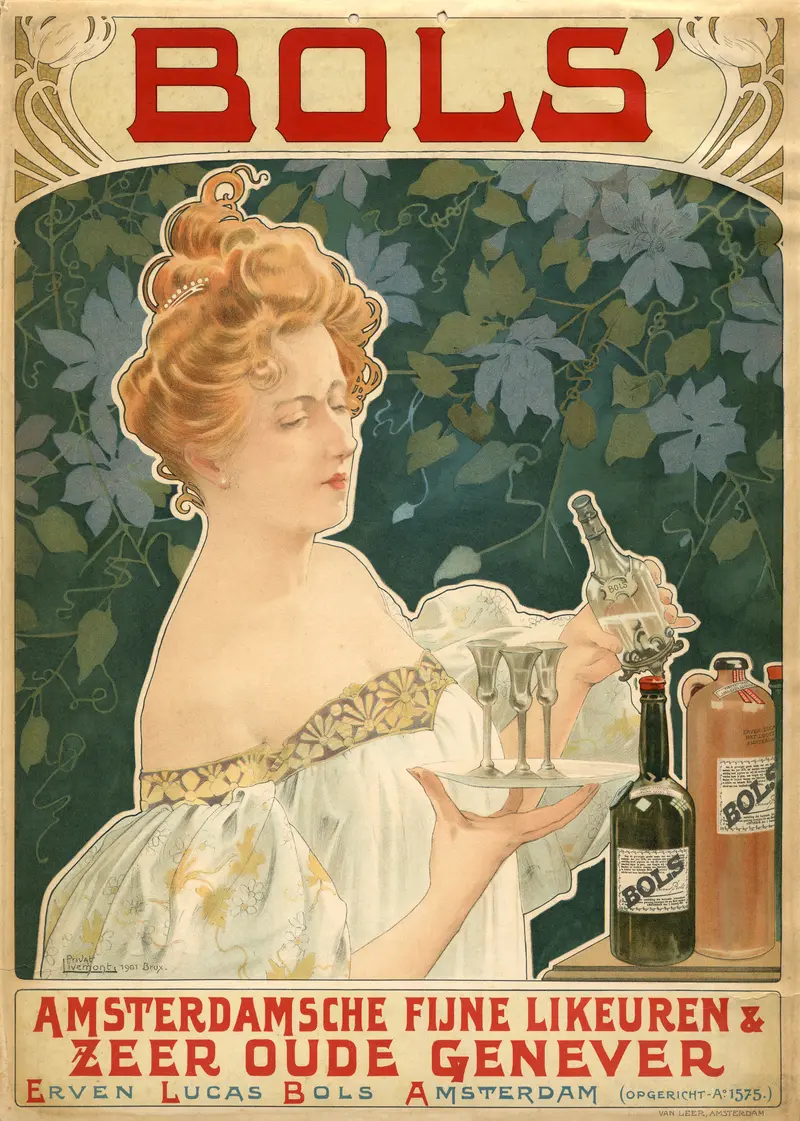
Bols’ Amsterdamsche Fijne Likeuren & zeer oude genever
Henri Privat-Livemont
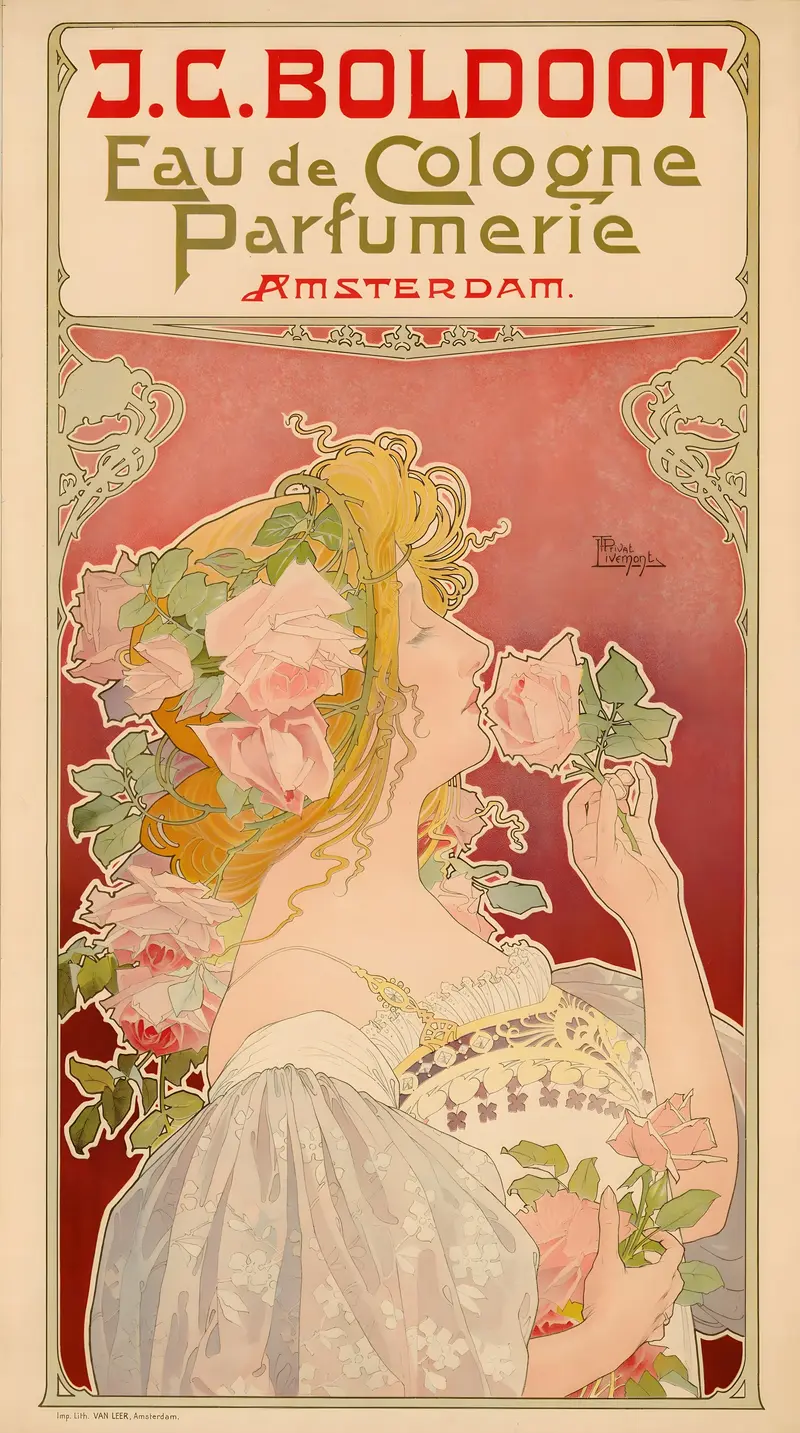
J.C. Boldoot Eau de Cologne; Parfumerie Amsterdam
Henri Privat-Livemont
J.C. Boldoot Eau de Cologne – Parfumerie Amsterdam
Henri Privat-Livemont
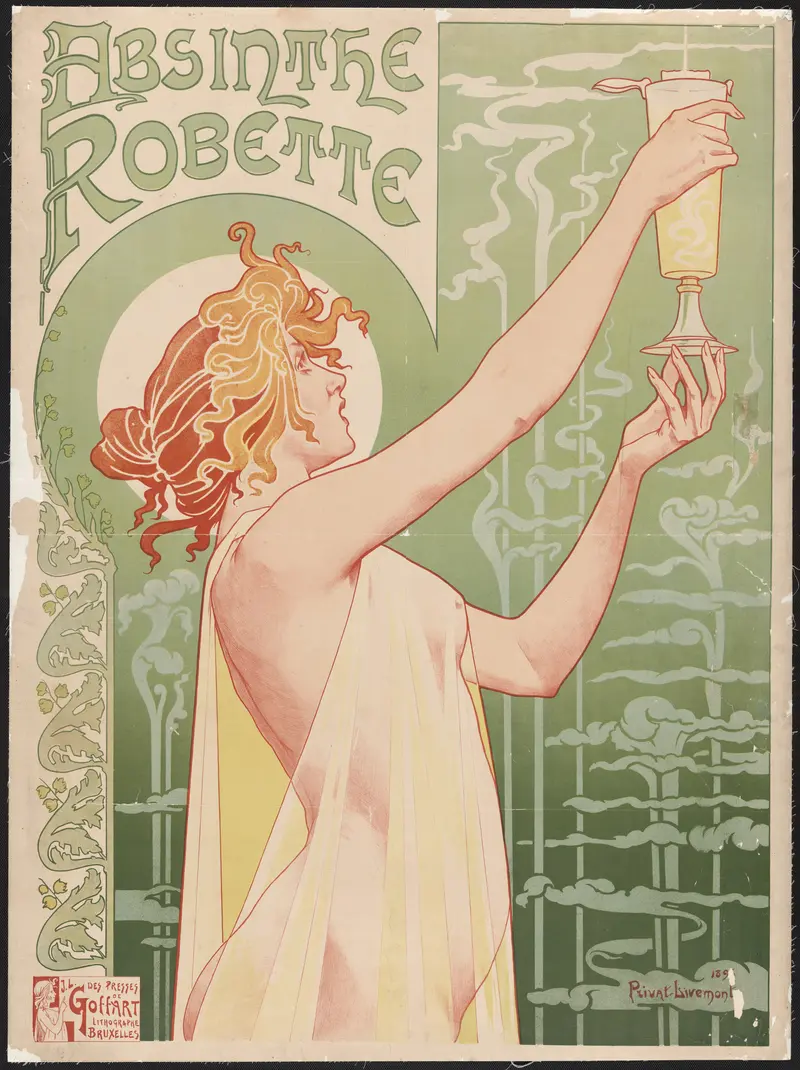
Absinthe Robette
Henri Privat-Livemont
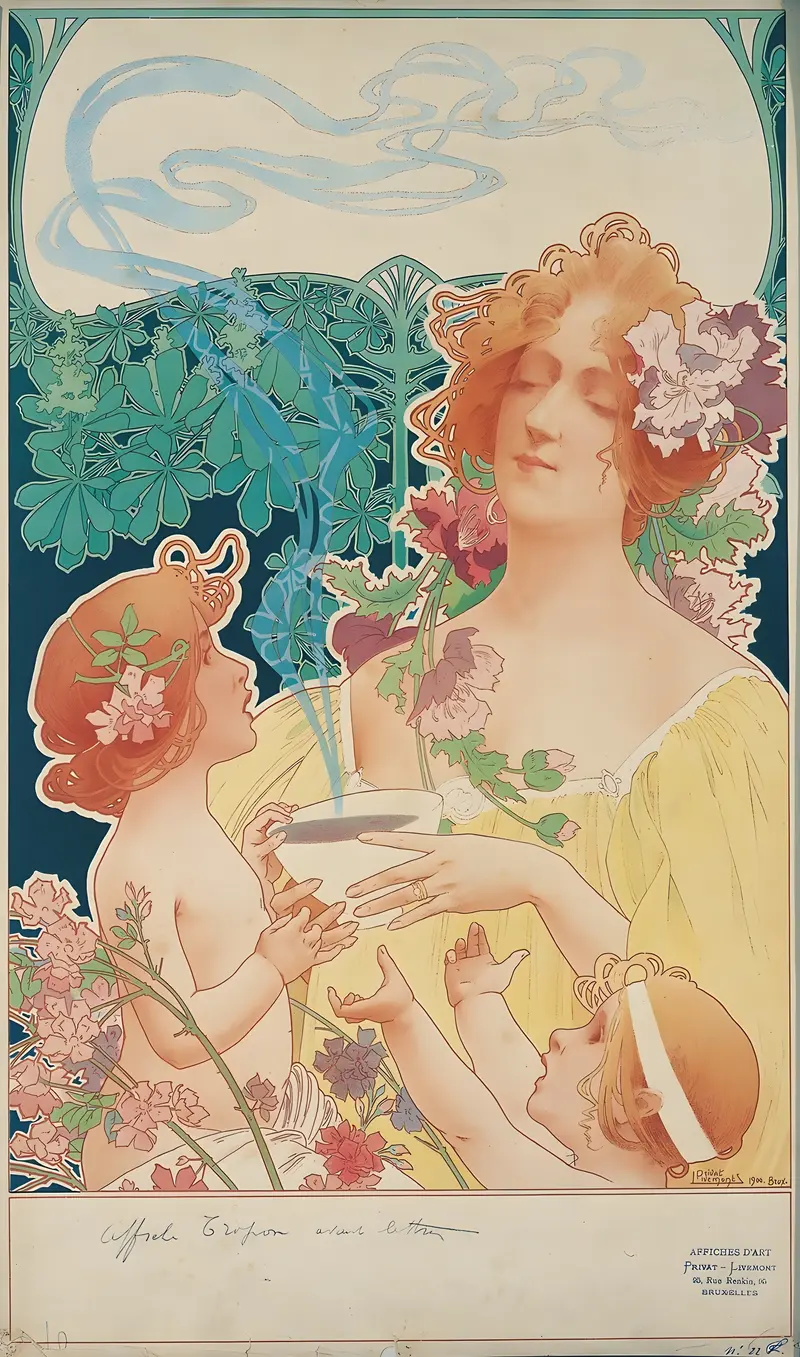
Tropon Chocolat-Cacao
Henri Privat-Livemont
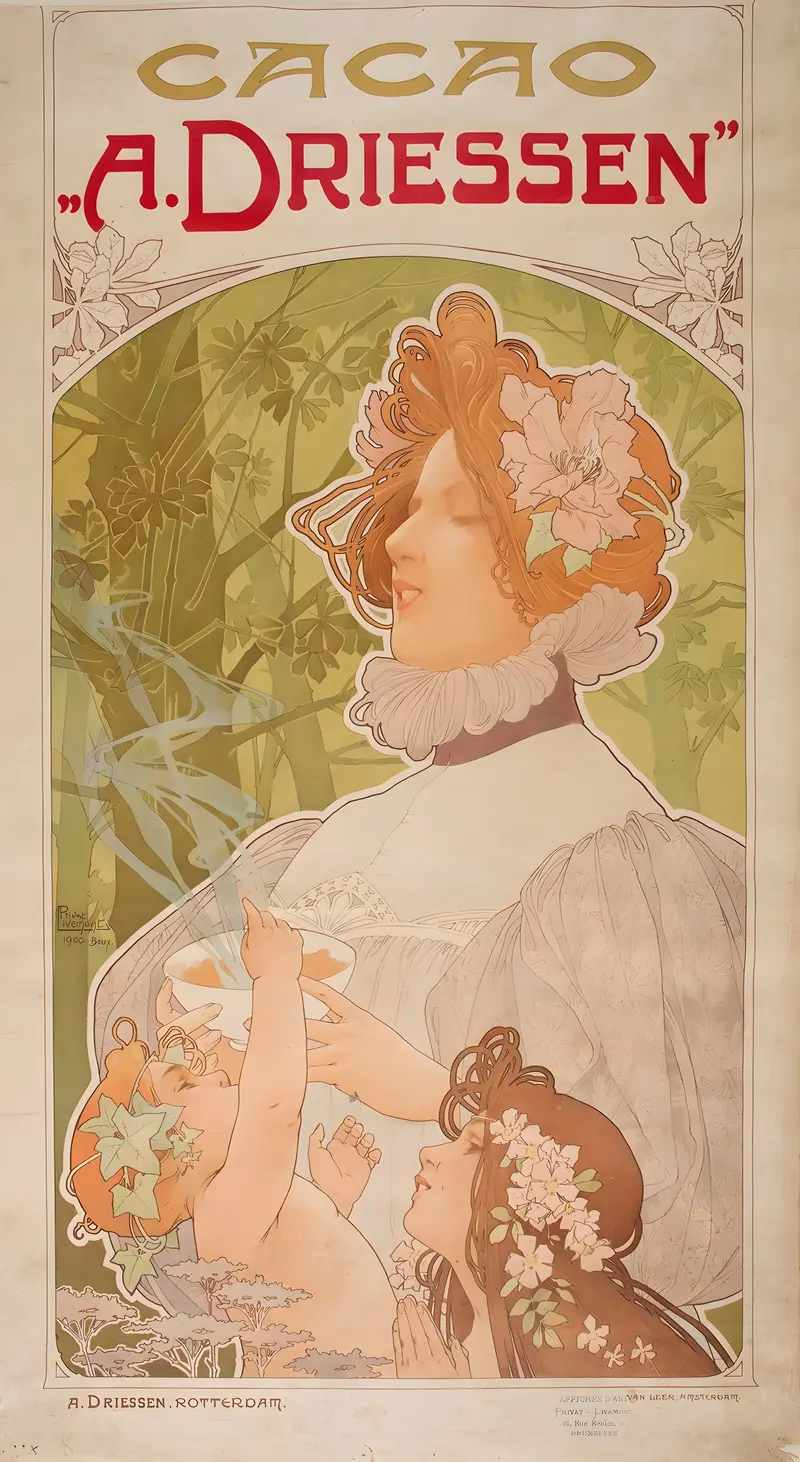
Cacao «A. Driessen»
Henri Privat-Livemont
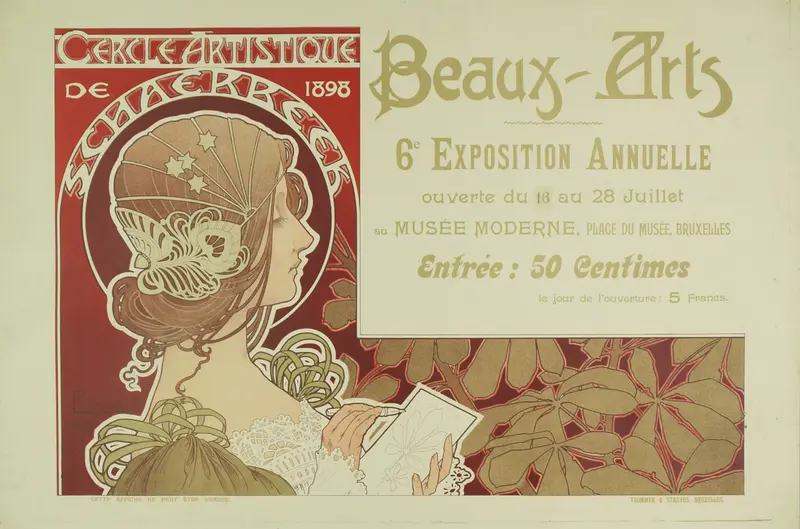
Cercle Artistique De Schaerbeek
Henri Privat-Livemont
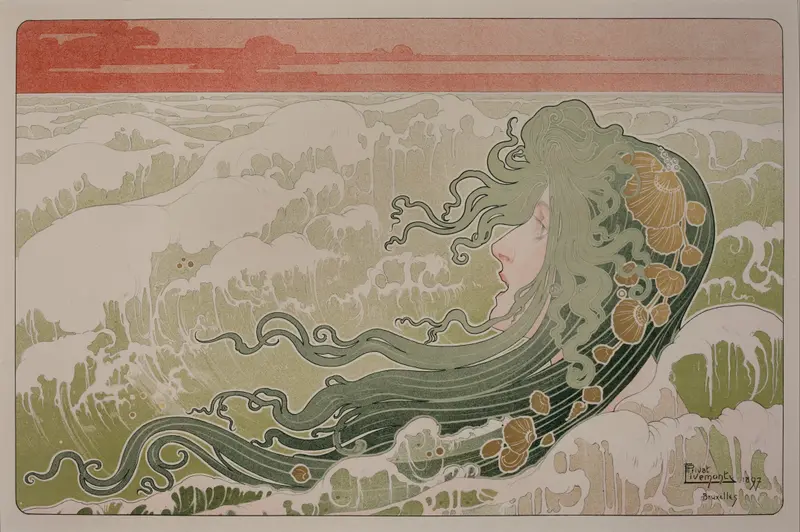
La Vague (The Wave)
Henri Privat-Livemont
Bols
Henri Privat-Livemont
More Genre Scene Art

Banquet of the Officers of the St George Civic Guard
Frans Hals

Rembrandt and Saskia in the Scene of the Prodigal Son
Rembrandt van Rijn

Bal du moulin de la Galette
Pierre-Auguste Renoir

Quadrille at the Moulin Rouge
Henri de Toulouse-Lautrec

A Burial at Ornans
Gustave Courbet

When Will You Marry?
Paul Gauguin