Cassis — History & Facts
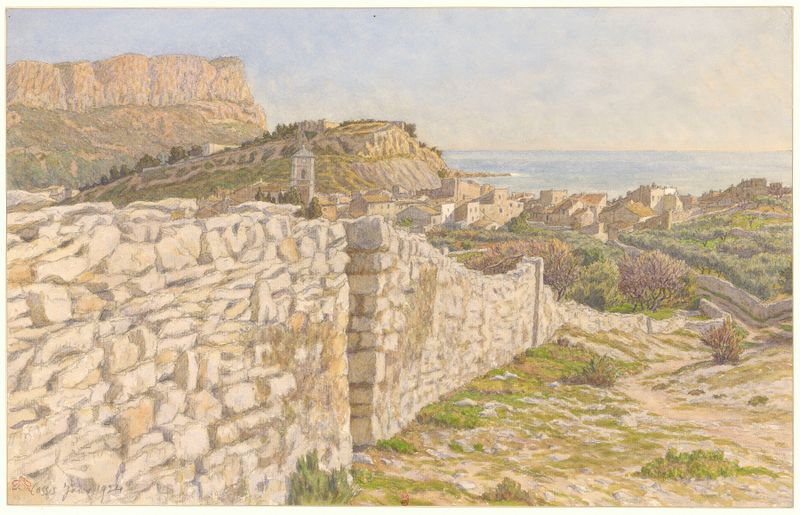
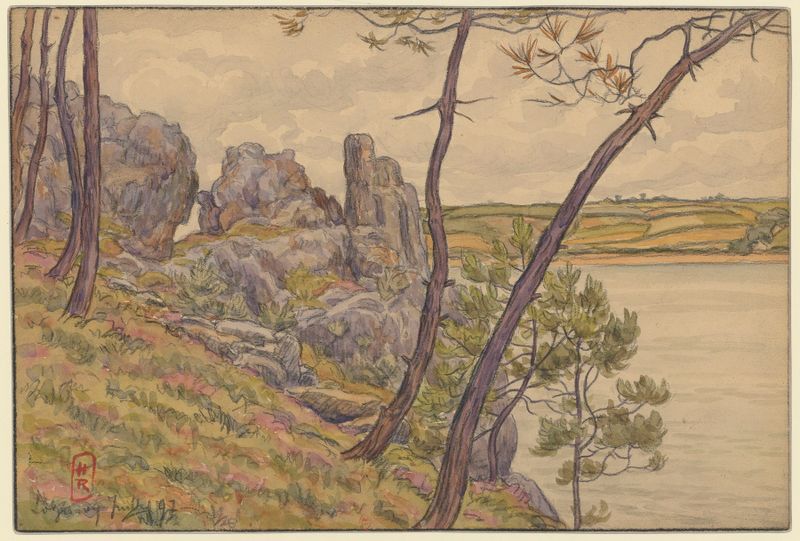
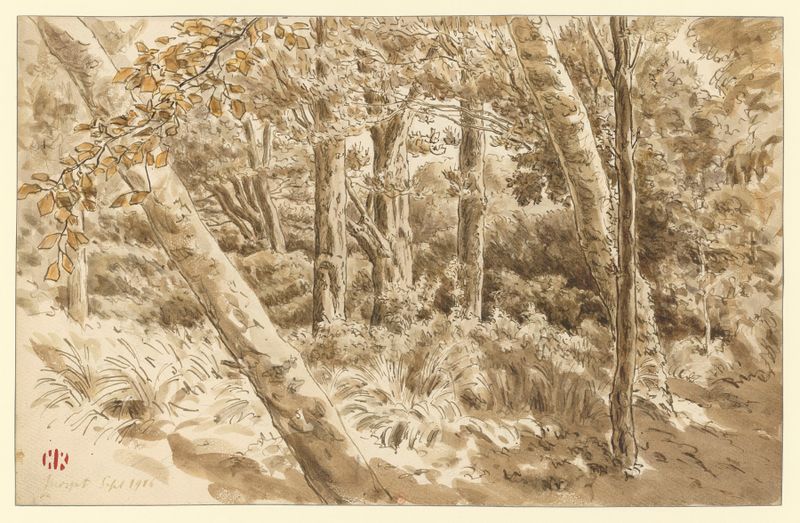
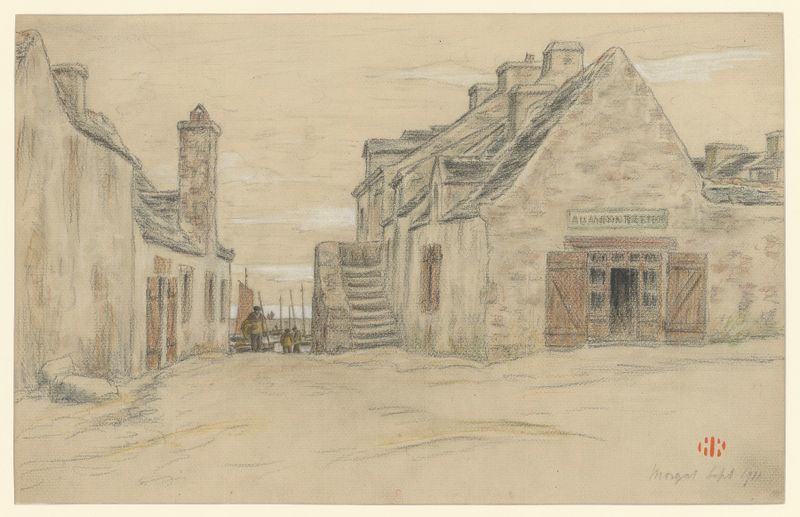
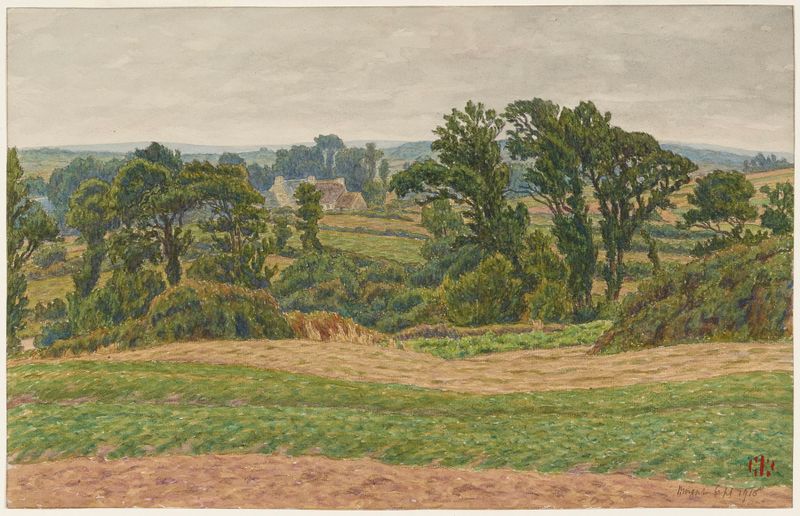
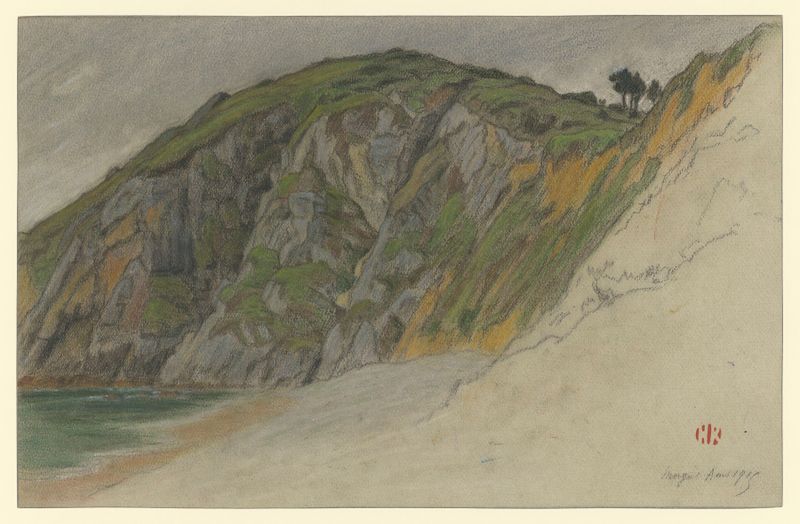
Each brushstroke holds a memory, a whisper of what was once vibrant and alive, yet now feels like a distant echo. Look to the subtle hues that envelop the canvas, a blend of deep blues and muted earth tones that captures the essence of a sun-drenched landscape. Notice how the light plays across the surface, reflecting the gentle undulations of the water—a serene but melancholic representation of the seaside town. The composition draws your eye toward the horizon, where a fragile balance between sea and sky unfolds, evoking a sense of longing and nostalgia. As you gaze deeper, hints of loss emerge in the delicate interplay between the serene setting and the underlying silence.
The stillness of the water contrasts with the absence of human presence, suggesting stories left untold and voices forever muted. Each wave hints at memories that have washed away, leaving only the remnants of what once was, amplifying the emotional weight of the scene. In 1924, Rivière painted this work amidst a transformative period in his life, reflecting on personal experiences marked by change and uncertainty. Living in France, he was influenced by the Symbolist movement and was exploring themes of introspection and nature's ephemeral beauty.
This painting stands as a testament to both his artistic evolution and the broader currents of emotional depth in early 20th-century art.