Cassis — History & Facts
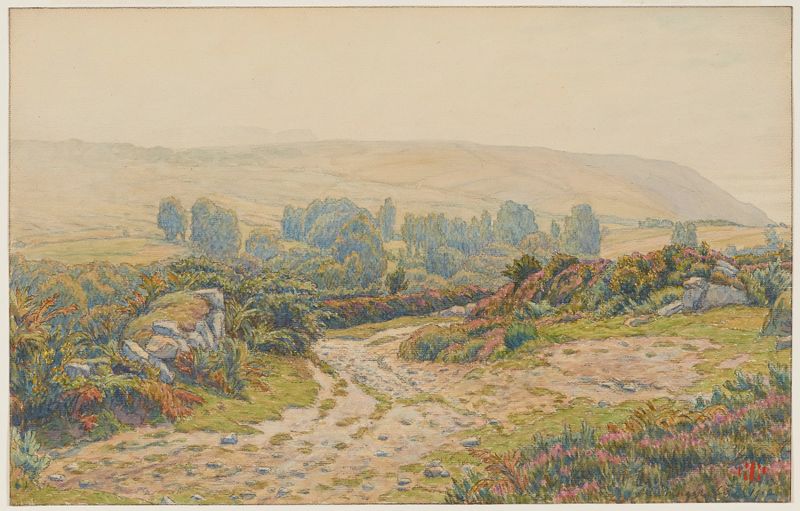
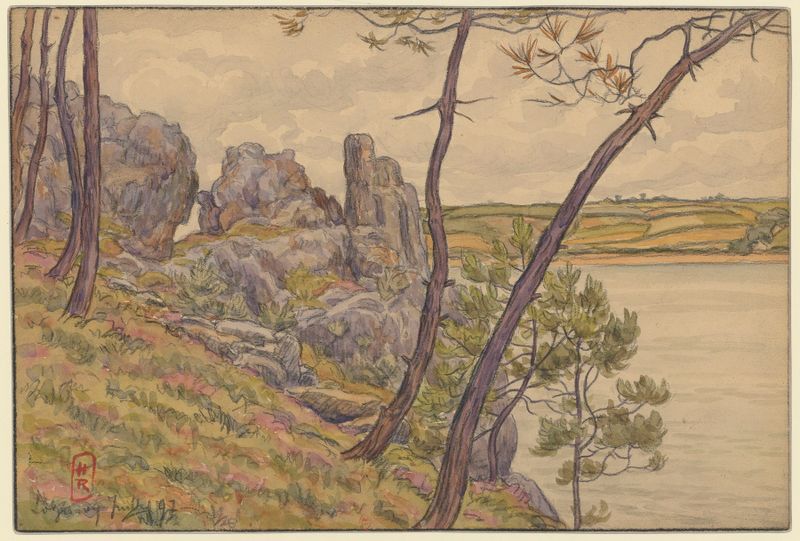
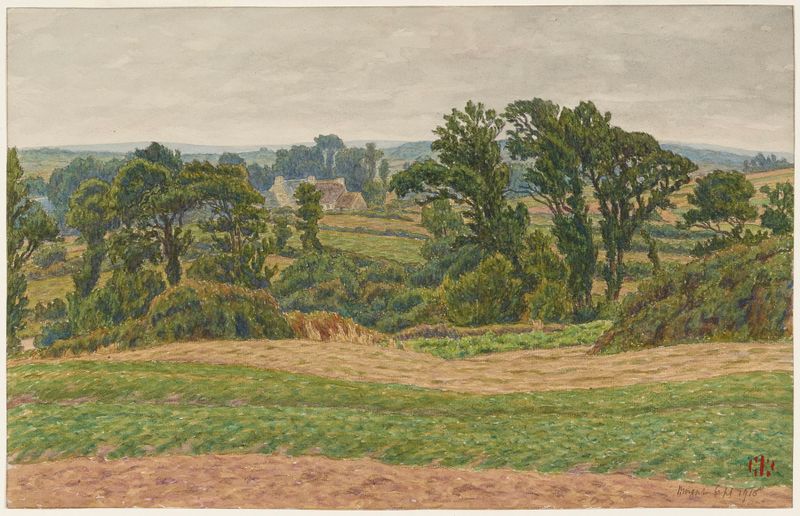
This reflection captures the essence of innocence as it emerges anew from the tumult of life’s experiences, inviting us to ponder its fragility and beauty. Look to the left at the gentle curves of the landscape, where the undulating hills cradle a soft horizon. The palette is a symphony of muted greens and browns, interspersed with delicate hints of lavender that breathe life into the scene. Notice how the brushwork, both fluid and deliberate, conjures a sense of movement, as if the very earth is sighing under the weight of the sun’s warm embrace.
The composition invites your gaze to flow through the tranquil contours, imbuing a sense of peace that feels almost sacred. Yet beneath this serene exterior lies a contrast of permanence and transience. The delicate strokes suggest a moment captured, fleeting yet significant, as if nature itself is both a sanctuary and a reminder of impermanence. Explore the interplay of light and shadow, where the bright spots represent fleeting joy, while the darker regions hint at the weight of unexpressed sorrow.
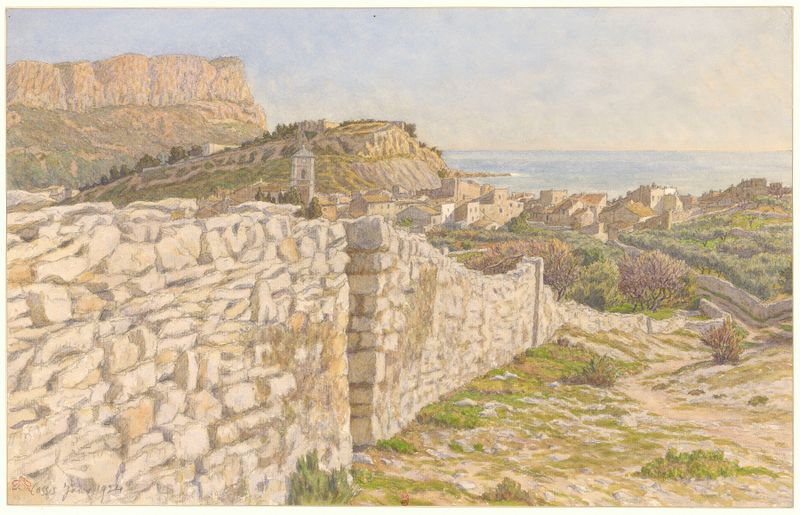
This duality embodies the innocence of existence—beautiful, yet tinged with the understanding of its inevitable passage. In 1923, Henri Rivière painted this work during a transformative period in his life, marked by a deepening exploration of the interplay between nature and emotion. Residing in France, he was influenced by the Post-Impressionist movement, which was redefining the boundaries of artistic expression. The world was grappling with the aftermath of the Great War, and artists sought new ways to convey the complexities of their inner worlds through their work, a pursuit that Rivière embraced with dedication and grace.