
Castel Fusano—Near Rome — History & Facts
In every brushstroke lies the possibility of transformation, a moment captured where nature whispers its secrets to those who dare to listen. Focus first on the sweeping expanse of the landscape, where vibrant greens and earthy browns dance harmoniously beneath a sunlit sky. Notice how the gentle strokes create a rhythmic texture in the meadow, inviting the eye to wander along the undulating hills. There, in the distance, the ruins of a castle stand resolute, their crumbling walls bathed in a warm golden light, hinting at stories from a bygone era. As you explore the painting, consider the contrasts it embodies: the transient beauty of life versus the enduring strength of stone.
The peaceful scene offers a sense of serenity, yet the castle's remnants evoke thoughts of decay and the passage of time. The juxtaposition of the vibrant foreground against the somber ruins creates a dialogue about impermanence and legacy, urging the viewer to reflect on their own journey through transformation. In 1885, the artist painted this serene landscape during a pivotal time in his career, embracing the natural beauty of Italy while living a life shaped by artistic exploration. This period saw a growing interest in plein air painting, and Haseltine was deeply influenced by the Italian light and scenery, which inspired a shift in how landscapes were rendered.
The artwork not only represents a personal encounter with nature but also reflects broader shifts in the art world, where artists began to embrace the interplay of light and atmosphere.
More Artworks by William Stanley Haseltine
Browse all →
Mill Dam in Traunstein
William Stanley Haseltine
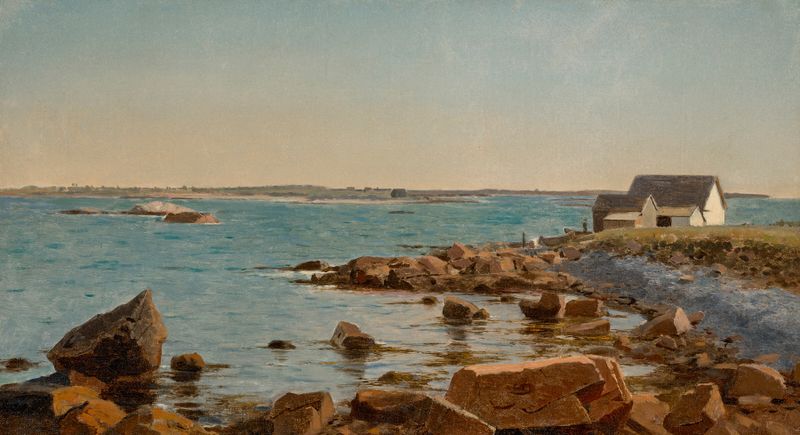
Nahant Coast
William Stanley Haseltine
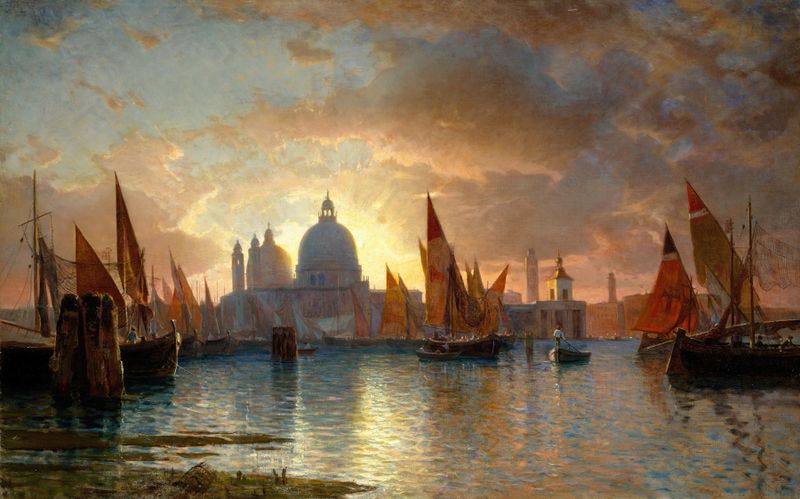
Santa Maria della Salute, Sunset
William Stanley Haseltine
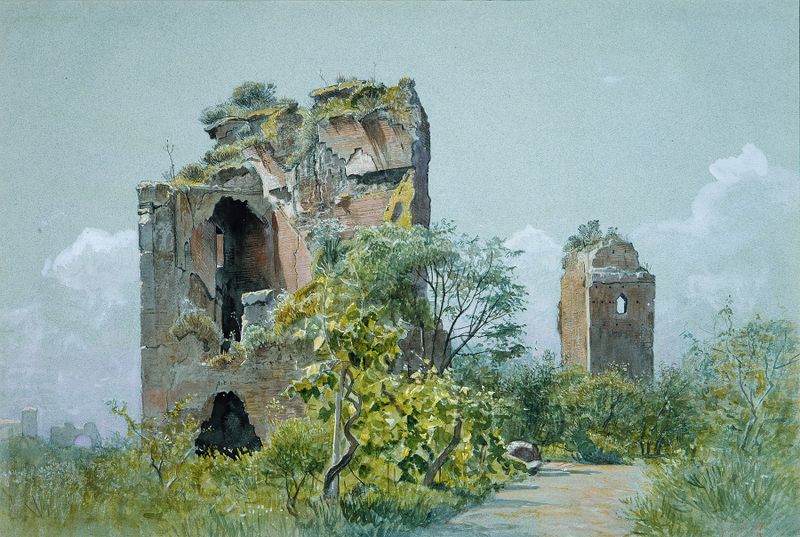
Baths of Trajan (Sette Sale, Villa Brancaccio, Rome)
William Stanley Haseltine
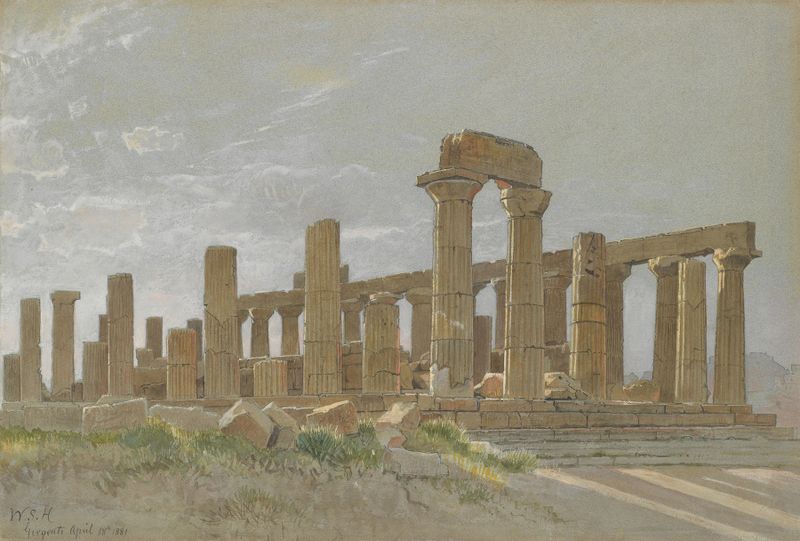
Girgenti (The Temple of Juno Lacinia at Agrigentum)
William Stanley Haseltine

Italian Hills
William Stanley Haseltine
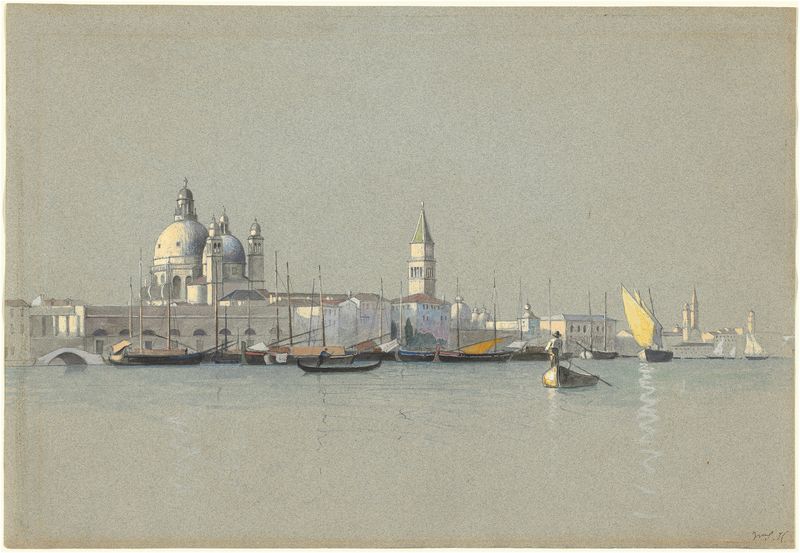
View across the Giudecca Canal toward the Salute and the Campanile of San Marco
William Stanley Haseltine
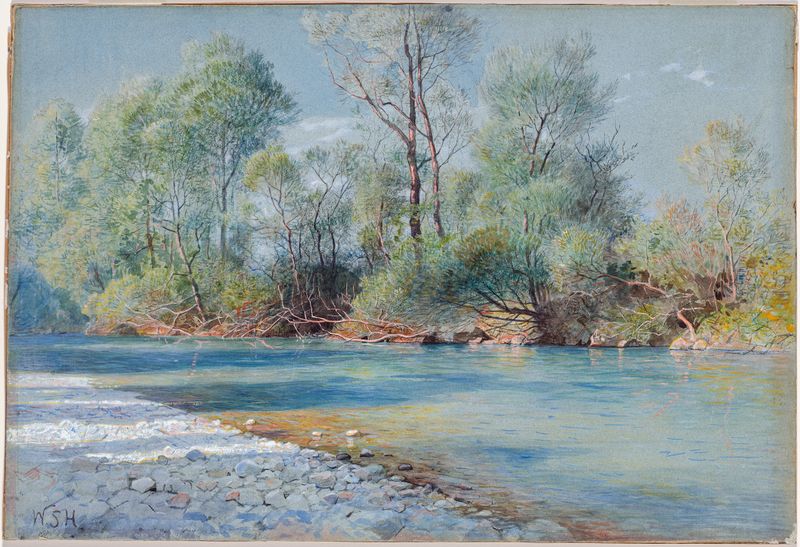
Traunstein River on the Road to Empfig, Bavaria
William Stanley Haseltine

Coast of Capri
William Stanley Haseltine
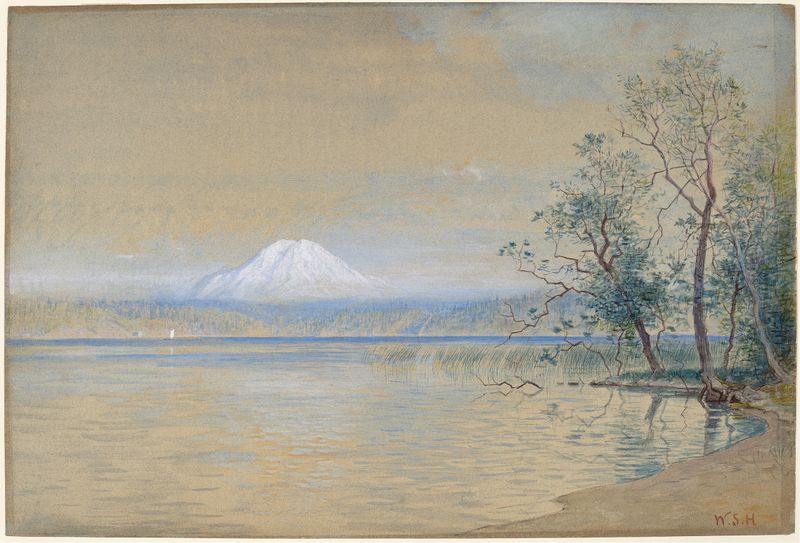
Mount Tacoma
William Stanley Haseltine





