
Castle Acre Priory — History & Facts
What if beauty was never meant to be finished? In Castle Acre Priory, a haunting tension exists between the permanence of stone and the ephemeral nature of time. Look to the center of the canvas, where the majestic ruins of the priory stand resolute against the canvas’s soft hues. The delicate interplay of light and shadow accentuates the textured walls, inviting your gaze to trace the crumbling arches and ivy-clad stones. Notice how the muted greens and browns of nature merge with the grays of the structure, enveloping it in a bittersweet nostalgia that evokes both reverence and sorrow.
The careful brushwork captures the subtle decay, inviting a meditation on what remains and what has been lost. Beneath the surface, this artwork reflects a deep yearning for the past—a longing for the stories held within those weathered stones. The ruins symbolize not only the loss of grandness but also the inevitable passage of time, as nature reclaims what humanity has built. The contrast between the solidity of the architecture and the surrounding wilderness speaks to a poignant truth: beauty, in its imperfection, is often more profound than permanence itself. In 1771, Thomas Hearne painted this scene while living in England, amidst a landscape of romanticism and burgeoning appreciation for historical sites.
The Enlightenment era, with its focus on individual experience and natural beauty, influenced his work, allowing him to capture the essence of a world caught between decay and reverence. This painting stands as a testament to a moment in art history where the past was both celebrated and mourned.
More Artworks by Thomas Hearne
Browse all →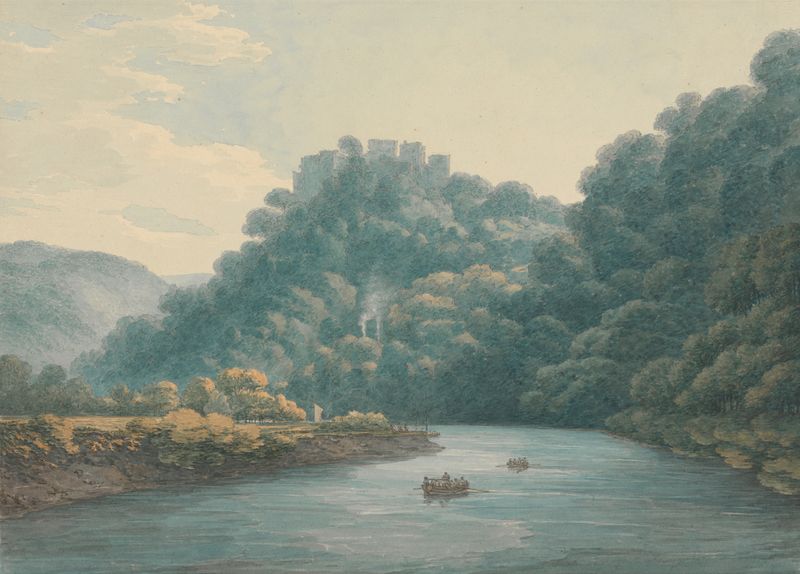
Goodrich Castle on the Wye
Thomas Hearne
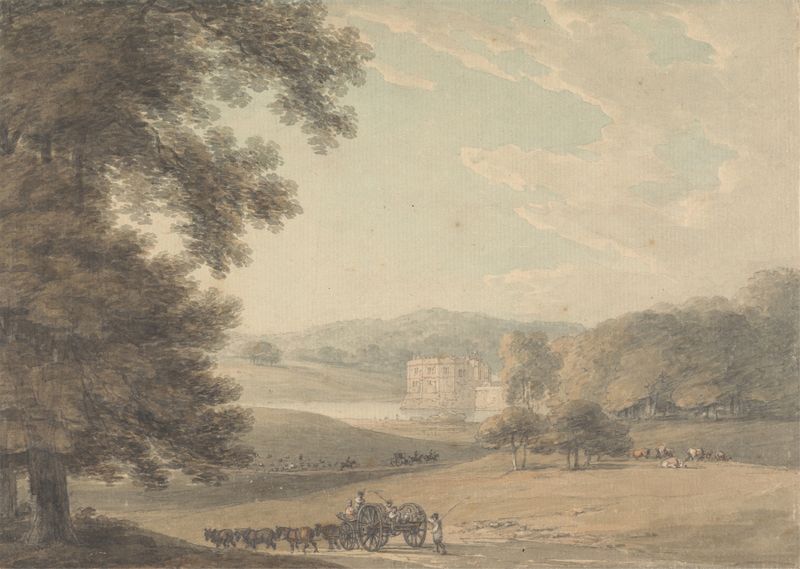
Leeds Castle, Kent
Thomas Hearne

The Ruins of Leiston Abbey
Thomas Hearne
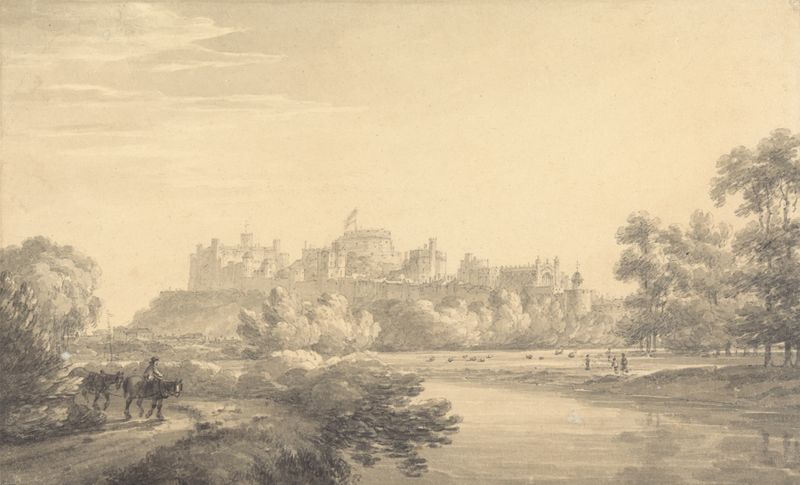
Windsor Castle
Thomas Hearne
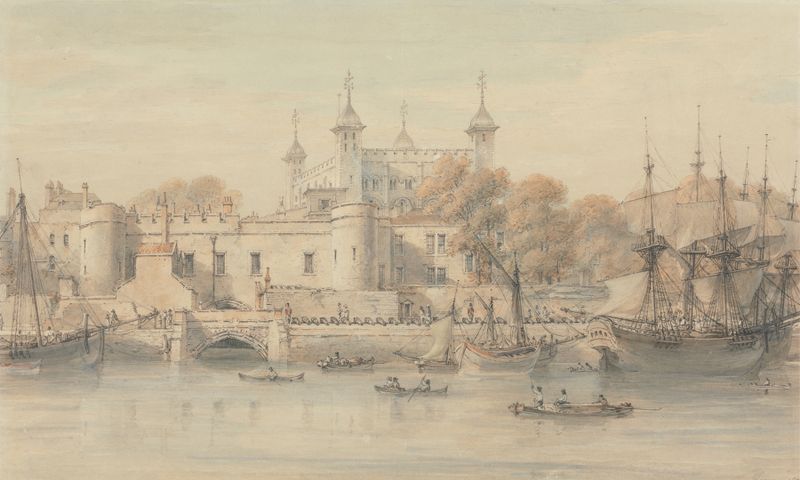
The Tower of London
Thomas Hearne
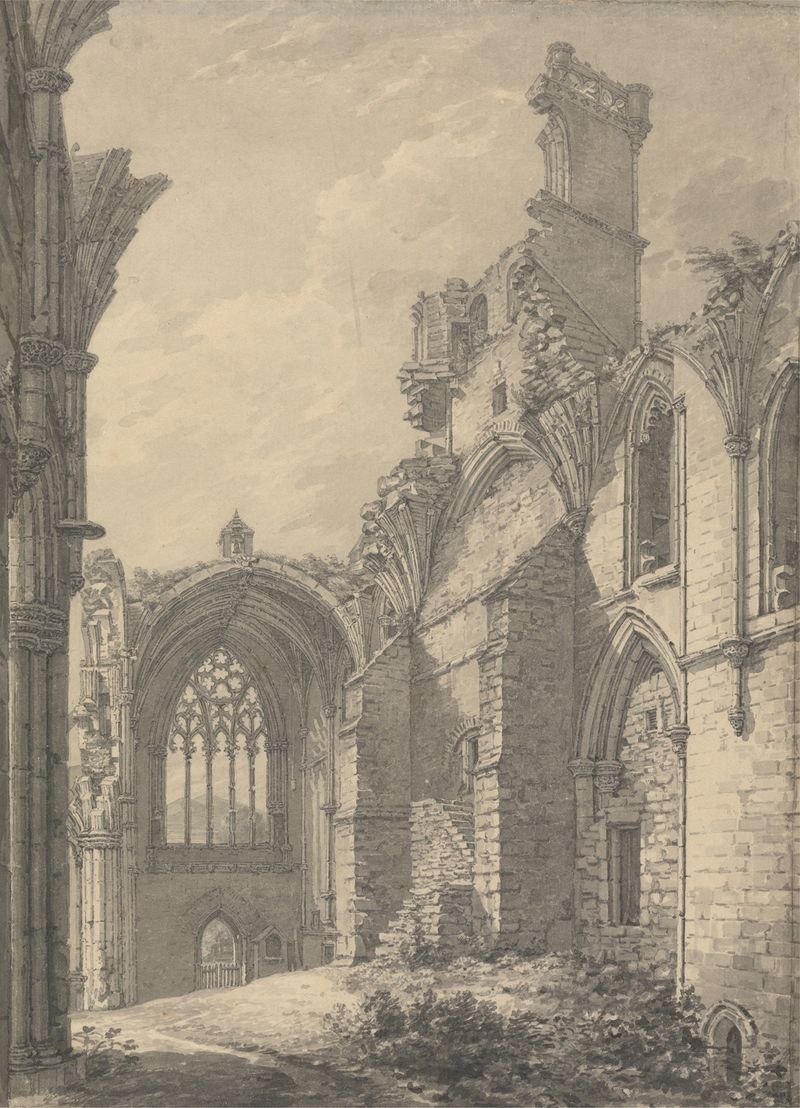
Transept of Melrose Abbey, 1778 Near Old Melrose on the River Tweed, Roxburgh
Thomas Hearne
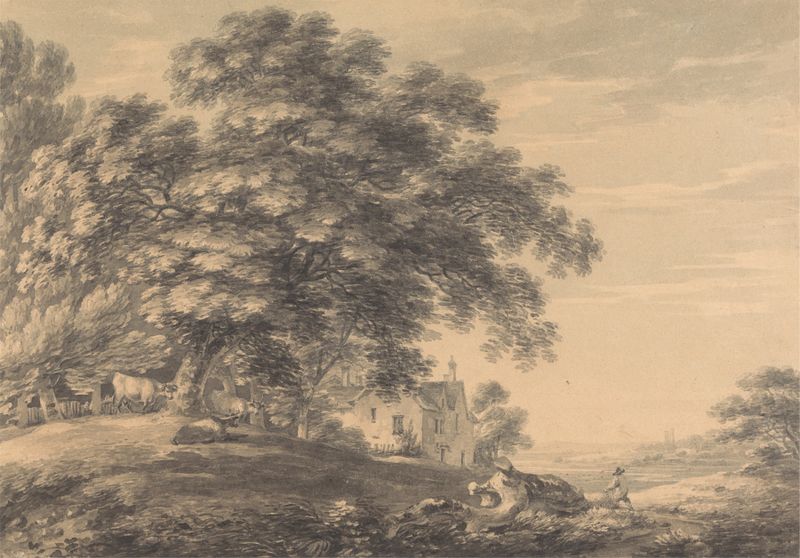
Landscape
Thomas Hearne
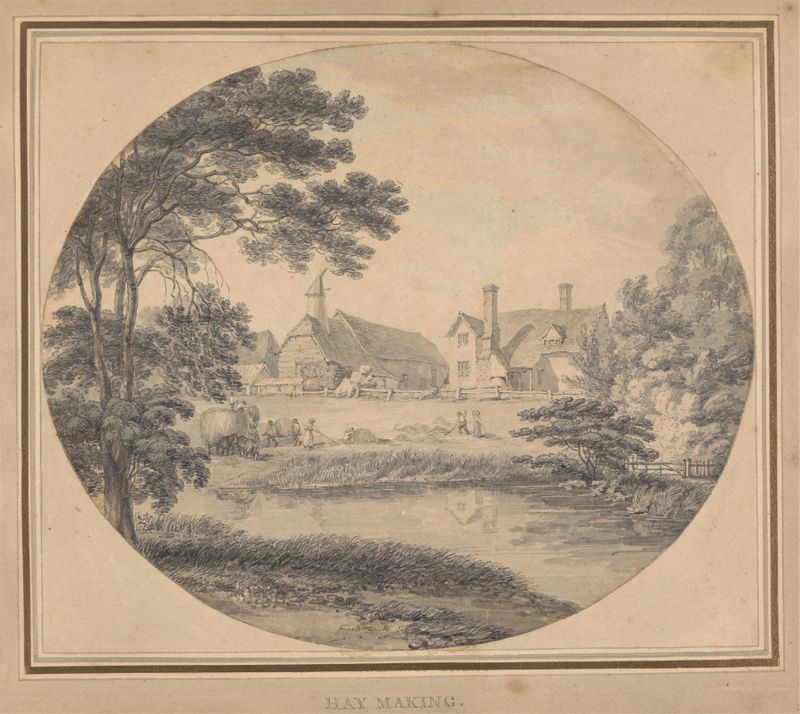
Haymaking
Thomas Hearne
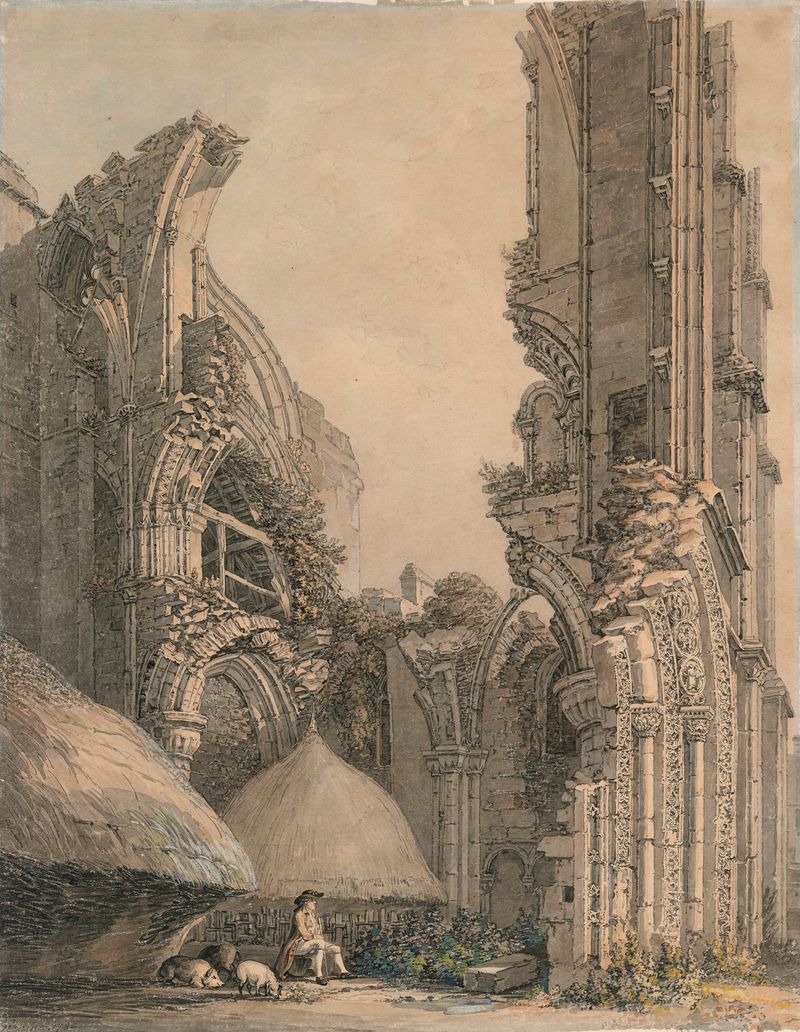
The Ruins of Malmesbury Abbey, Somerset, from the West Front (ill. for ‘The Antiquities of Great Britan’ 1807)
Thomas Hearne
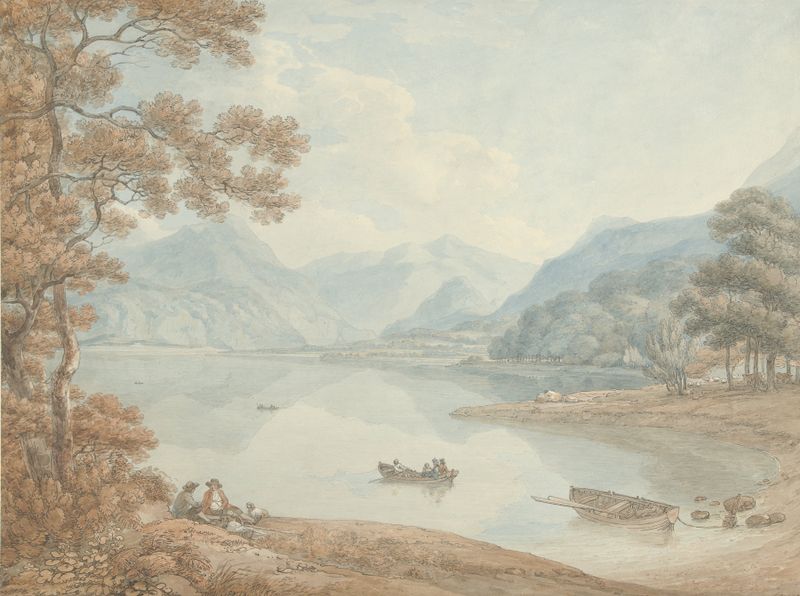
Gezicht op Derwent Water, in de richting van Borrowdale (Cumberland)
Thomas Hearne
More Architecture Art
Browse all →
The statue of Liberty
Frédéric Auguste Bartholdi

View of Houses in Delft, Known as ‘The Little Street’
Johannes Vermeer

View of Houses in Delft, Known as ‘The Little Street’
Johannes Vermeer

The Cathedral in Rouen. The portal, Grey Weather
Claude Monet

The yellow house
Vincent van Gogh

The Church in Auvers-sur-Oise, View from the Chevet
Vincent van Gogh