
Haymaking — History & Facts
Could beauty survive in a century of chaos? Look closely at the delicate dance of light that spills across the hayfields, illuminating the figures laboring with unwavering determination. The warm hues of golden straw contrast sharply with the verdant greens, as if whispering of harmony amid the cacophony of life. As you gaze deeper, notice the subtle interplay between the figures and their surroundings, each stroke revealing their toil, the organic shapes reflecting a natural rhythm and the fleeting essence of a moment. The scene captures a silent tension, where labor is both a celebration and a burden.
The figures, bent over their work, exhibit a profound connection with the earth, yet their poses suggest an underlying exhaustion and weariness. This duality of strength and vulnerability is echoed in the chaotic brushwork, hinting at a world outside the frame that is tumultuous and unforgiving. The distant horizon looms, a subtle reminder of impending disruption and the fragility of peace. Thomas Hearne painted this piece during a time when England was grappling with the aftermath of the Industrial Revolution and its impacts on rural life.
The late 18th century marked a significant transition, and Hearne’s work reflects the tension between tradition and change. In this moment of artistic exploration, he sought to document the beauty of agrarian life, even as the ripples of modernization threatened to transform it irrevocably.
More Artworks by Thomas Hearne
Browse all →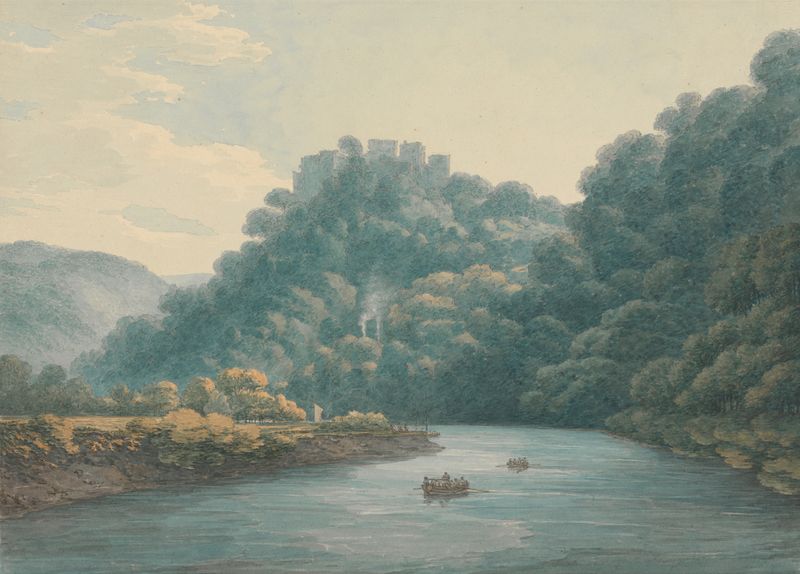
Goodrich Castle on the Wye
Thomas Hearne
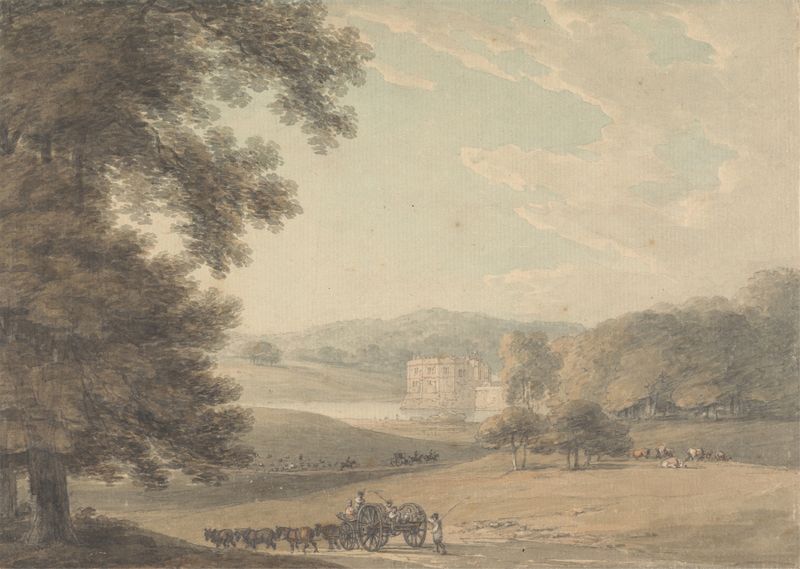
Leeds Castle, Kent
Thomas Hearne

The Ruins of Leiston Abbey
Thomas Hearne
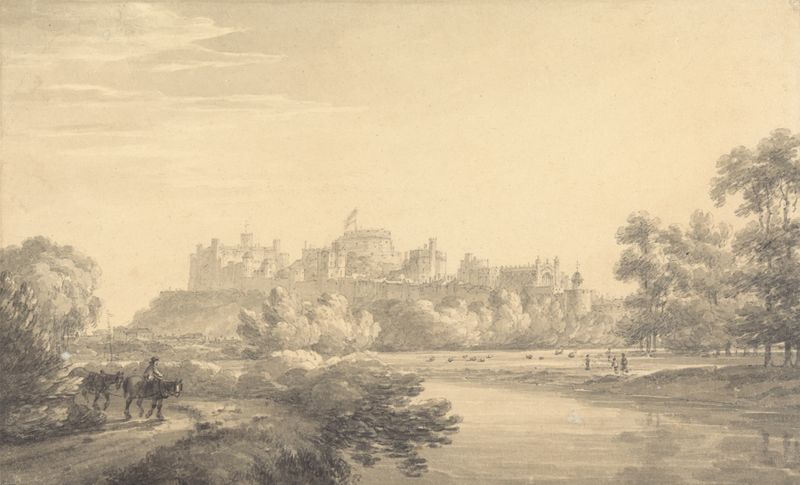
Windsor Castle
Thomas Hearne
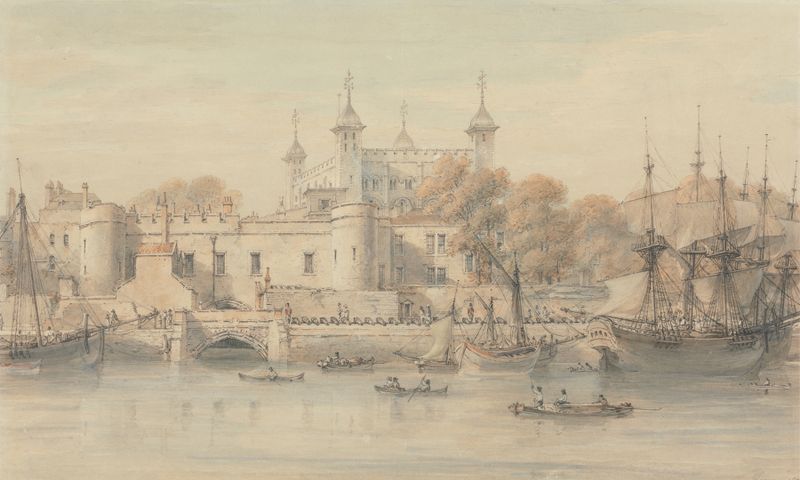
The Tower of London
Thomas Hearne
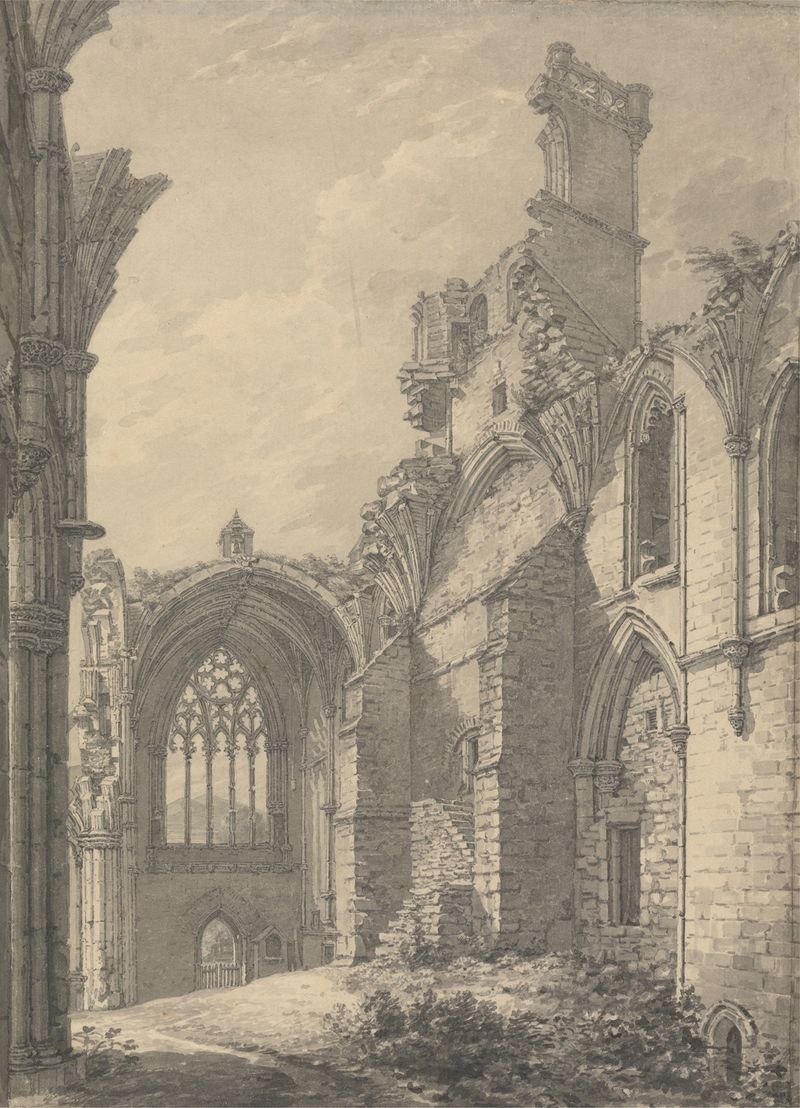
Transept of Melrose Abbey, 1778 Near Old Melrose on the River Tweed, Roxburgh
Thomas Hearne
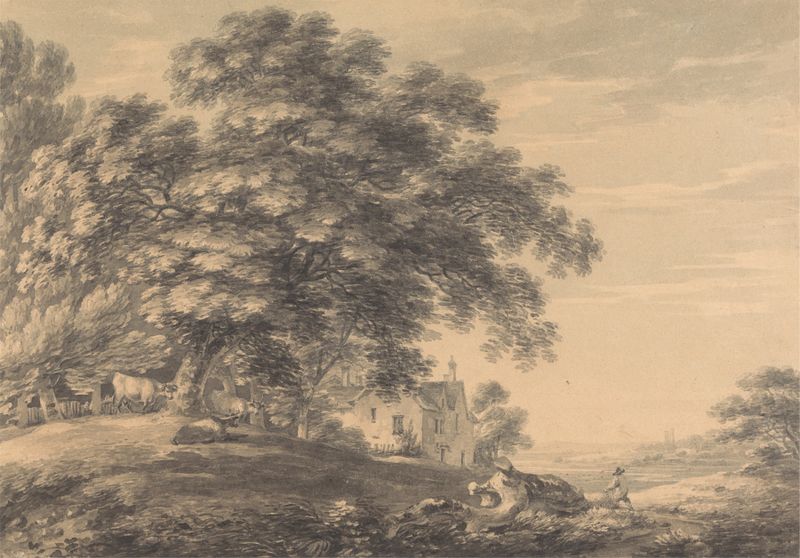
Landscape
Thomas Hearne

Castle Acre Priory
Thomas Hearne
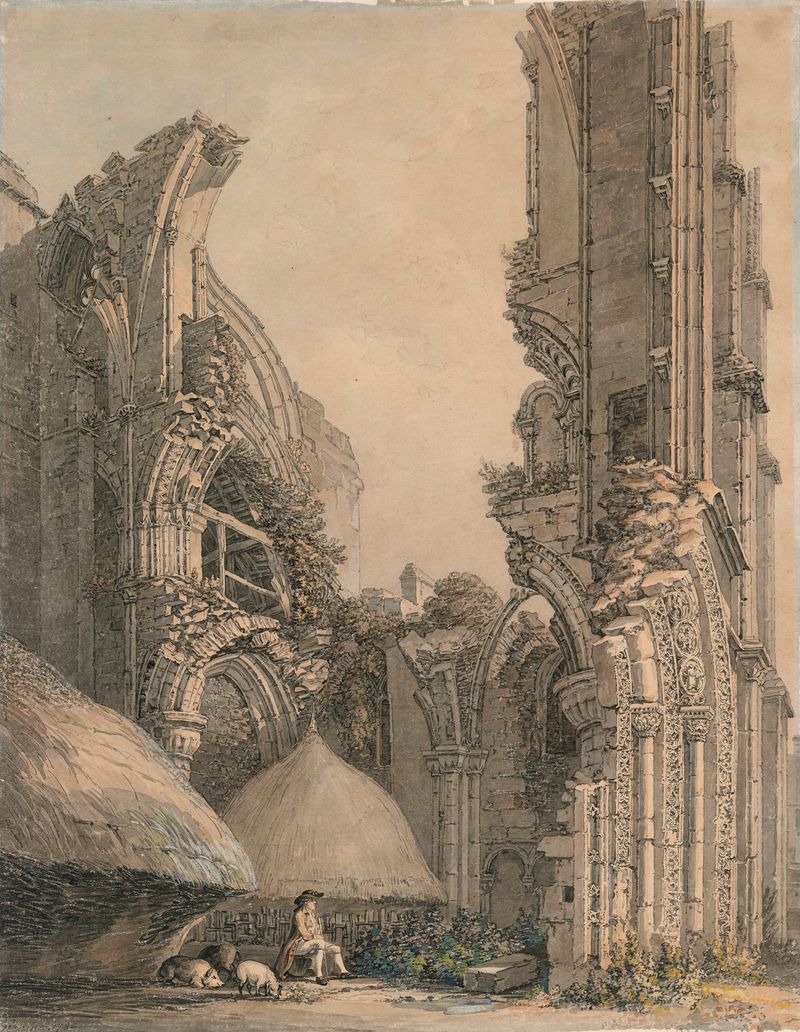
The Ruins of Malmesbury Abbey, Somerset, from the West Front (ill. for ‘The Antiquities of Great Britan’ 1807)
Thomas Hearne
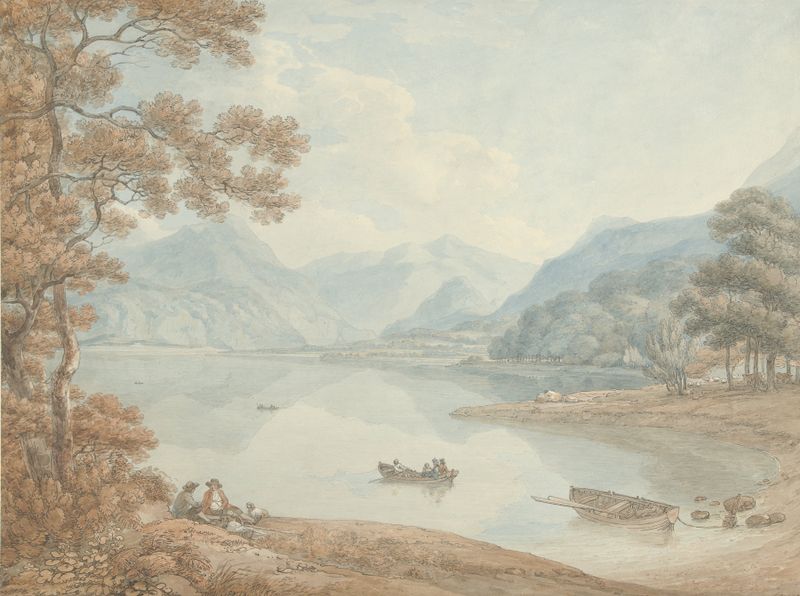
Gezicht op Derwent Water, in de richting van Borrowdale (Cumberland)
Thomas Hearne





