
The Ruins of Malmesbury Abbey, Somerset, from the West Front (ill. for ‘The Antiquities of Great Britan’ 1807) — History & Facts
What if silence could speak through light? It whispers through the crumbling stones, revealing stories of a once-great history, urging us to listen to the echoes of the past. Look closely at the intricate detailing of the ruins in the foreground, where the rough texture of the weathered stone contrasts against the gentle wash of green moss. Notice how the artist captures the play of light filtering through the skeletal arches, illuminating fragments of grandeur that hint at the abbey's former glory. The soft palette of muted grays and earthy browns invites contemplation, while the slightly darker sky looms overhead, setting a somber tone that envelops the scene. In the juxtaposition of the majestic ruins against the serene landscape, there is an unmistakable sense of yearning.
The remnants stand resilient yet vulnerable, embodying the passage of time and the inevitability of decay. Each shard of stone carries the weight of memories, whispering tales of devotion and community, while the surrounding foliage seems to cradle the ruins in a protective embrace, acknowledging their significance amid the march of time. Thomas Hearne painted this work in 1780 as part of his illustrations for ‘The Antiquities of Great Britain.’ At that time, he was deeply invested in capturing the essence of historical sites, reflecting a growing interest in antiquarianism and national identity. The 18th century was a period of rediscovery, where artists like Hearne sought to revive and honor the architectural legacies of Britain, responding to an era that yearned for connection to its historical roots.
More Artworks by Thomas Hearne
Browse all →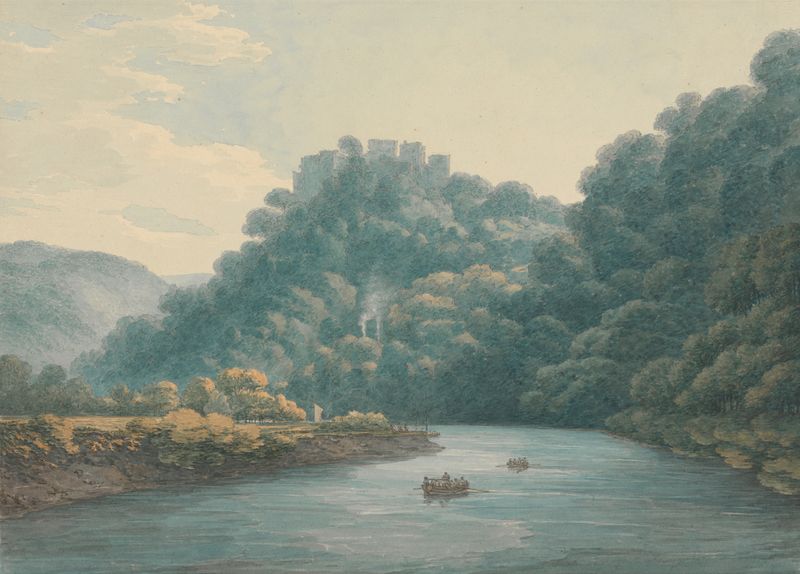
Goodrich Castle on the Wye
Thomas Hearne
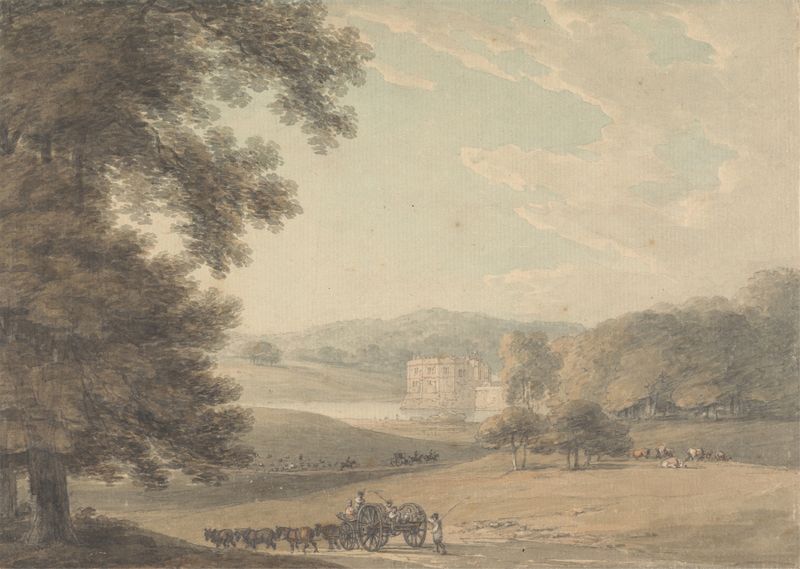
Leeds Castle, Kent
Thomas Hearne

The Ruins of Leiston Abbey
Thomas Hearne
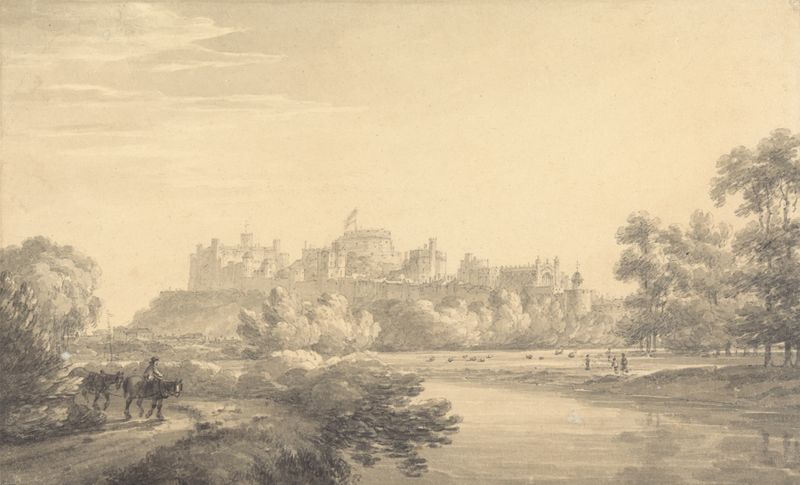
Windsor Castle
Thomas Hearne
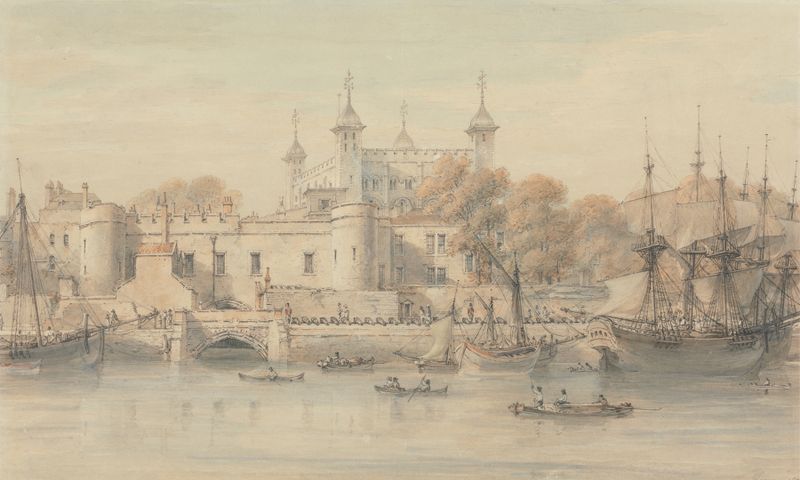
The Tower of London
Thomas Hearne
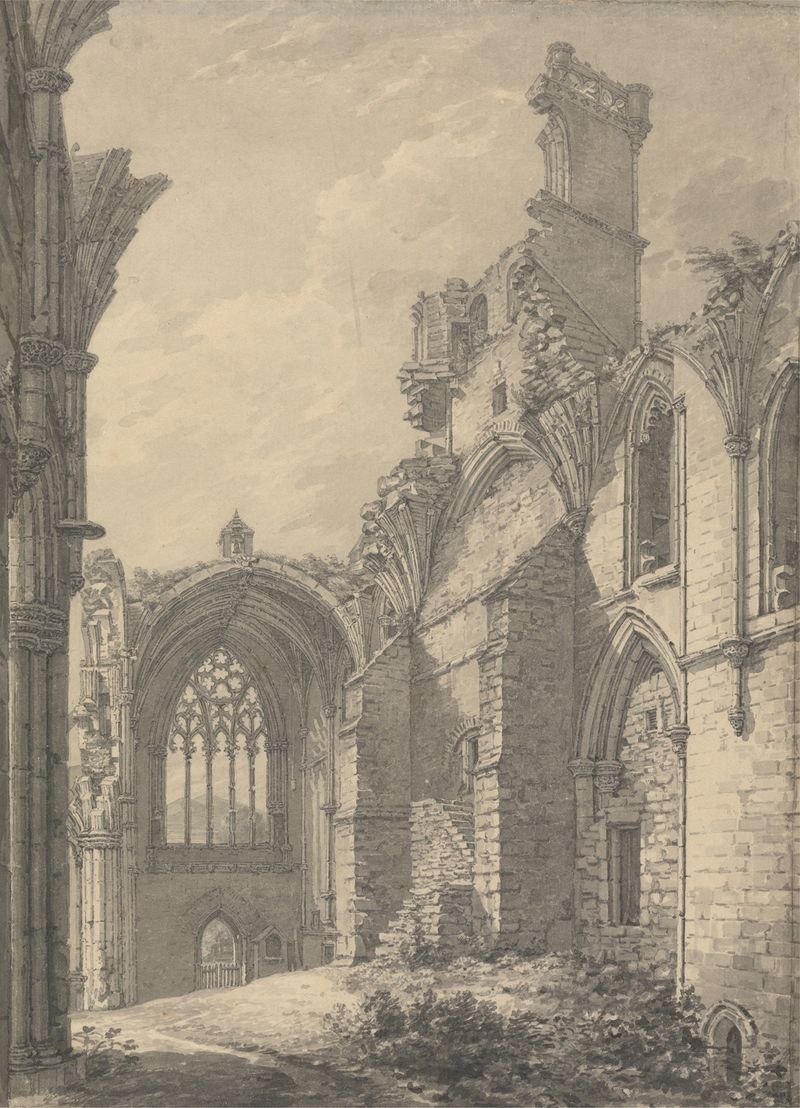
Transept of Melrose Abbey, 1778 Near Old Melrose on the River Tweed, Roxburgh
Thomas Hearne
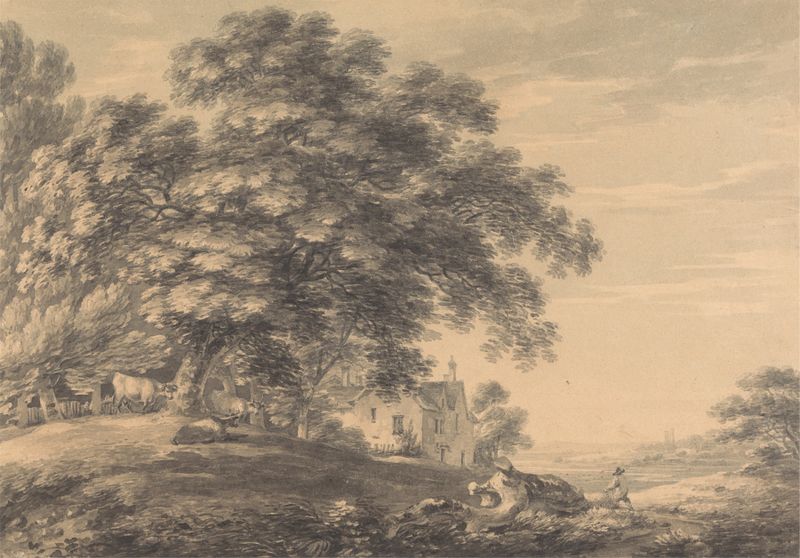
Landscape
Thomas Hearne
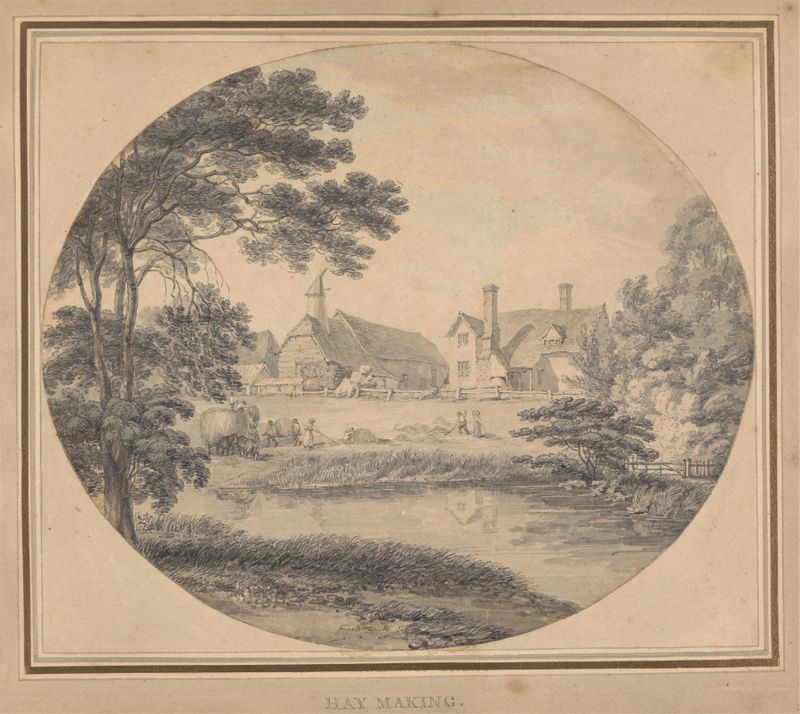
Haymaking
Thomas Hearne

Castle Acre Priory
Thomas Hearne
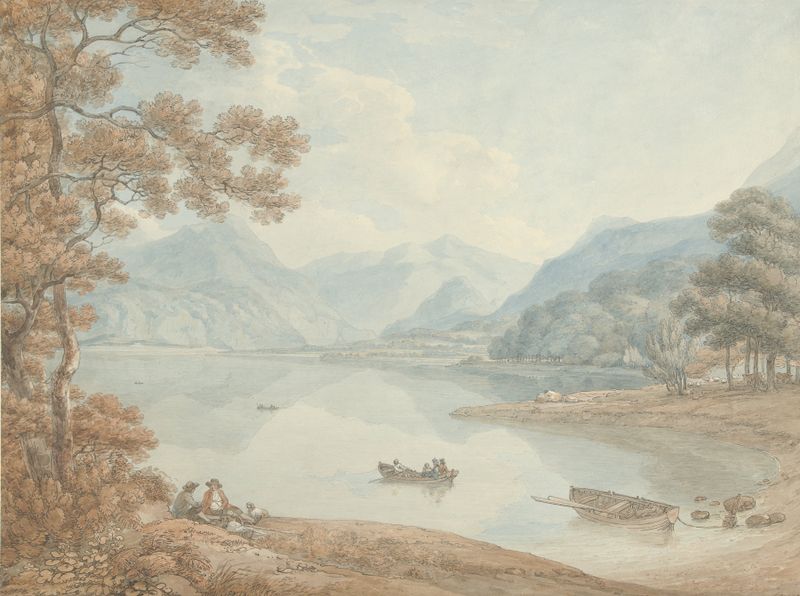
Gezicht op Derwent Water, in de richting van Borrowdale (Cumberland)
Thomas Hearne
More Architecture Art
Browse all →
The statue of Liberty
Frédéric Auguste Bartholdi

View of Houses in Delft, Known as ‘The Little Street’
Johannes Vermeer

View of Houses in Delft, Known as ‘The Little Street’
Johannes Vermeer

The Cathedral in Rouen. The portal, Grey Weather
Claude Monet

The yellow house
Vincent van Gogh

The Church in Auvers-sur-Oise, View from the Chevet
Vincent van Gogh