
Grodzka Gate — History & Facts
In Grodzka Gate, the essence of urban life transforms into a delicate ballet of colors and shapes, revealing the profound balance inherent in the everyday. Focus on the archway in the center, where light spills through, illuminating the intricate details of the architecture. Notice how the artist employs a palette of muted earth tones, interspersed with vibrant blues and greens, guiding your gaze along the cobblestone path. The textured brushstrokes create depth, inviting the viewer to traverse the space defined by the gate, a threshold between the past and the present. Within this scene, there exists a tension between the lively figures that dot the foreground and the stoic architecture that looms above them.
The juxtaposition of movement and stillness encapsulates the pulse of life, while the subtle play of shadows hints at the passage of time. Each person captured in the scene appears both transient and eternal, embodying the complex narrative of a community that thrives around this historic gateway. In the years between 1918 and 1919, Wyczółkowski found himself in a post-war Poland, a time of reflection and newfound identity. Immersed in a burgeoning artistic scene that sought to reconcile tradition with modernity, he painted Grodzka Gate in the city of Lublin, channeling the emotional weight of a nation evolving through its history.
This work stands as a testament to his ability to fuse personal and collective experiences through the lens of art.
More Artworks by Leon Wyczółkowski
Browse all →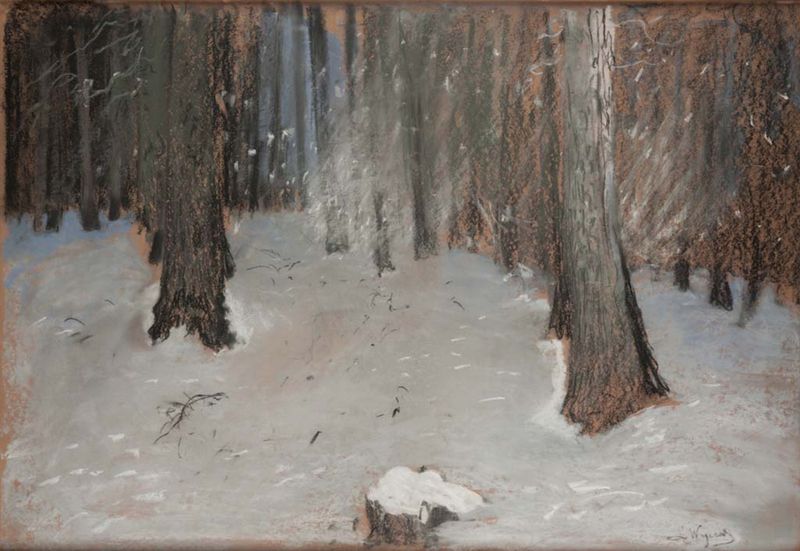
Las zimą
Leon Wyczółkowski
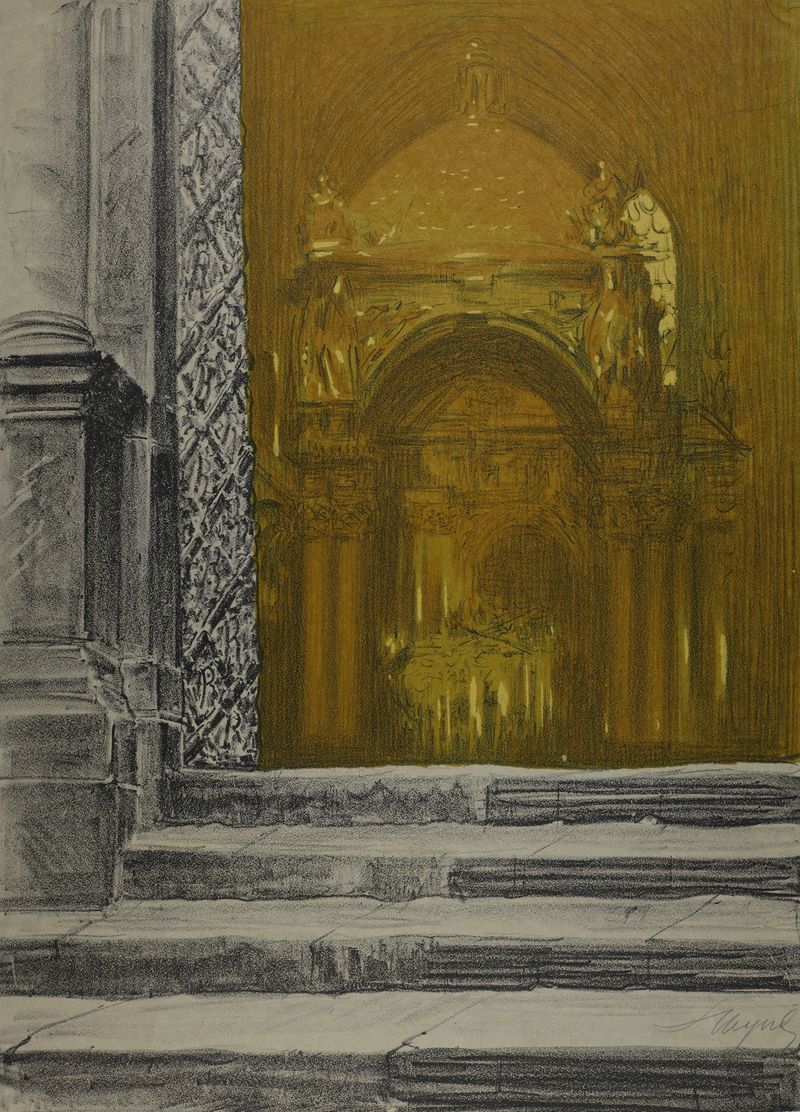
Saint Stanislaus
Leon Wyczółkowski
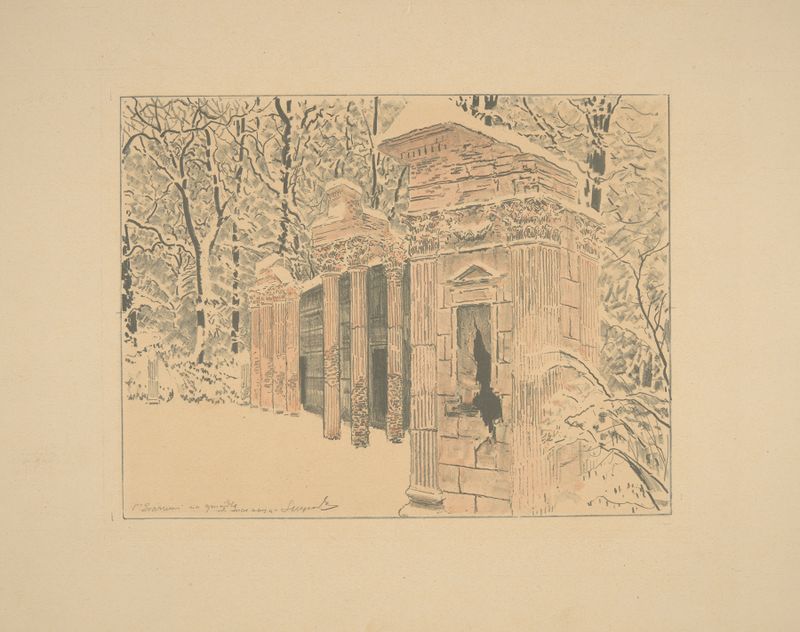
Amfiteatr w Łazienkach pod śniegiem (strona prawa)
Leon Wyczółkowski
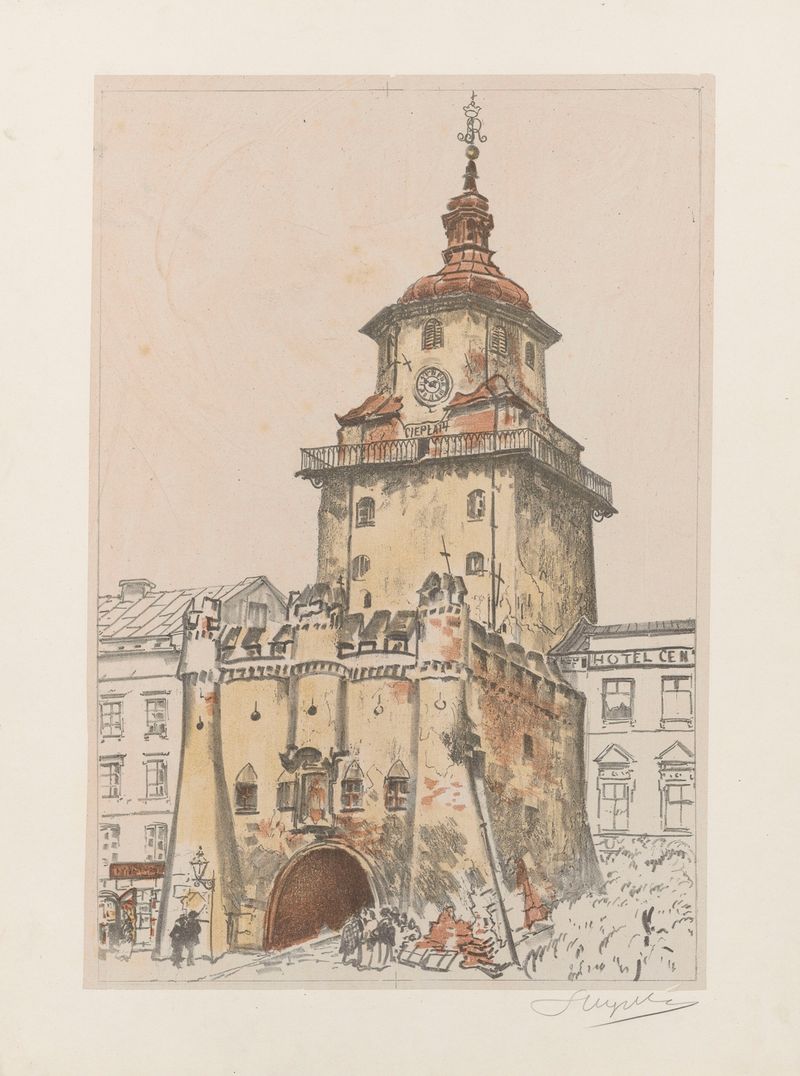
The Krakow Gate in Lublin, in summer
Leon Wyczółkowski
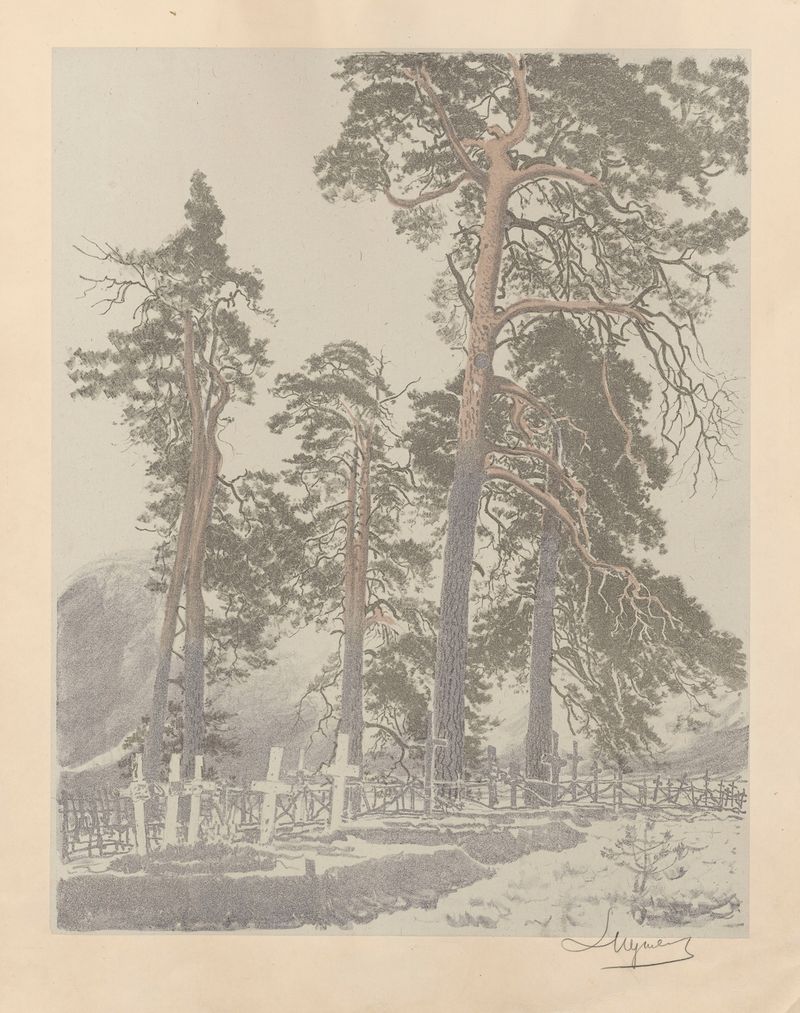
Cemetery in Vowchick
Leon Wyczółkowski
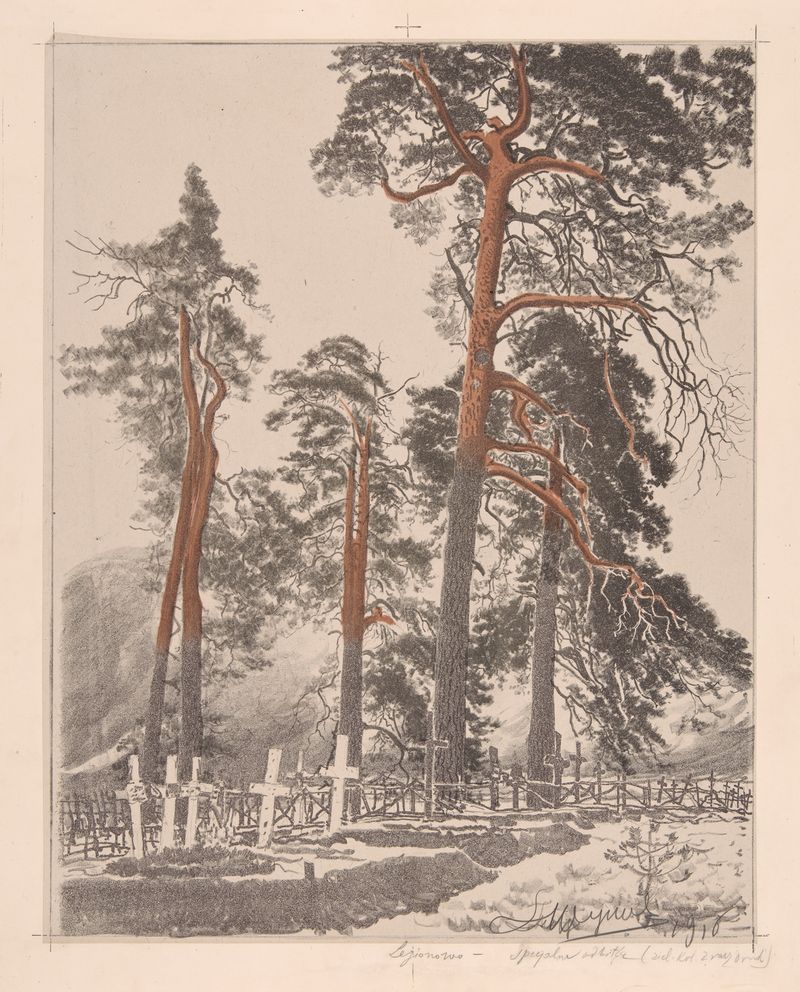
The Wołczecko cemetery
Leon Wyczółkowski
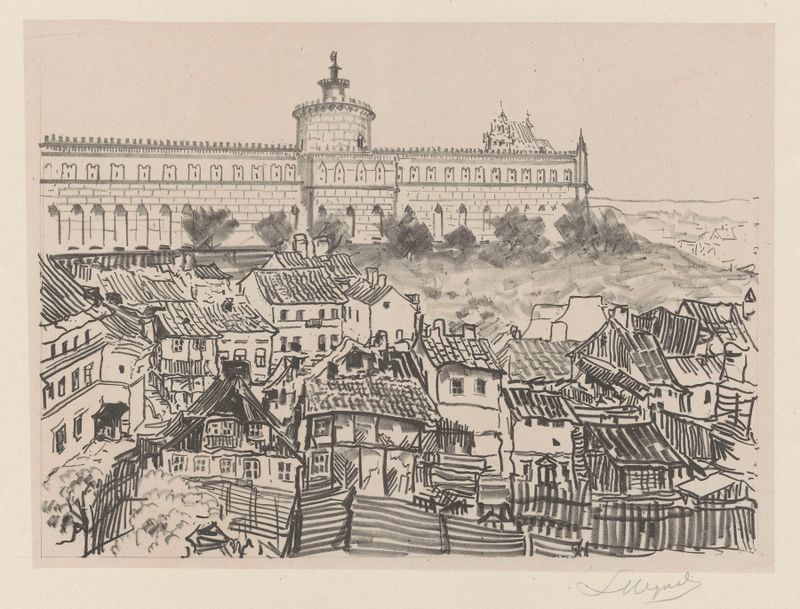
Castle and the Jewish quarter
Leon Wyczółkowski
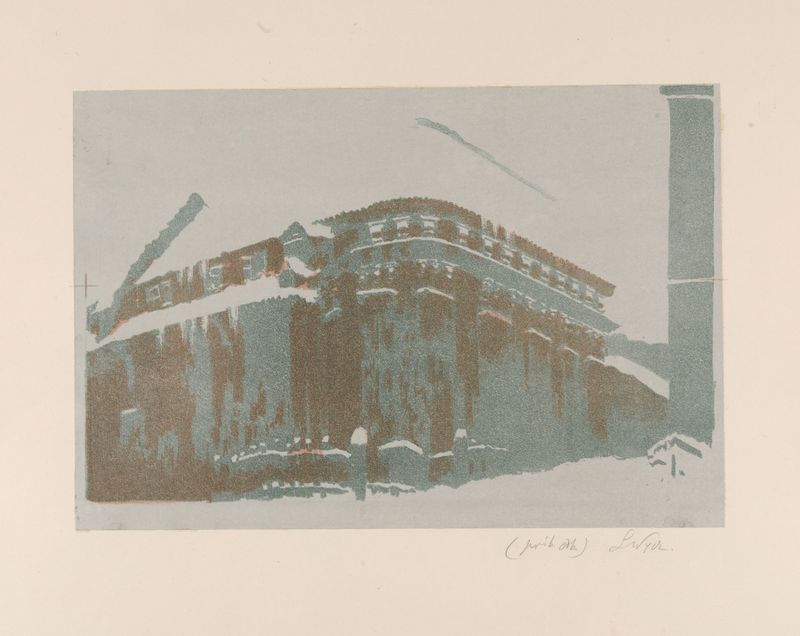
Church of St. Wojciech (in winter)
Leon Wyczółkowski
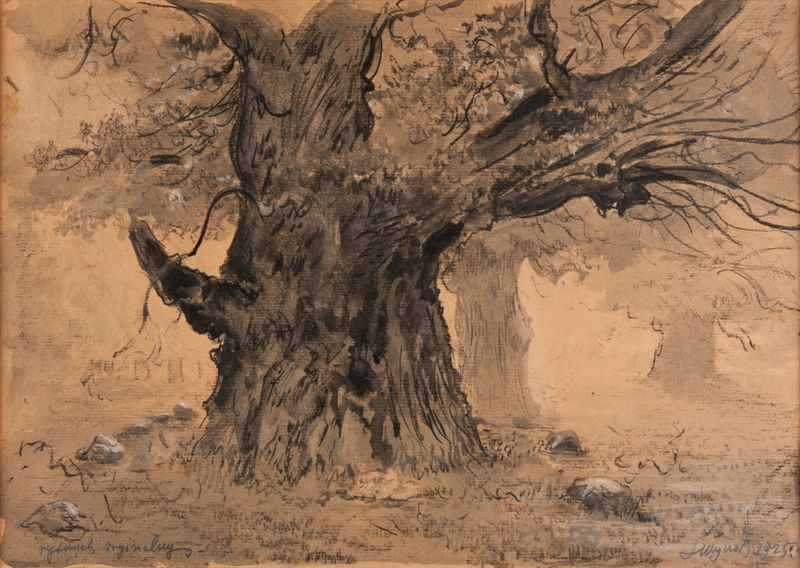
Rogalin Oaks
Leon Wyczółkowski
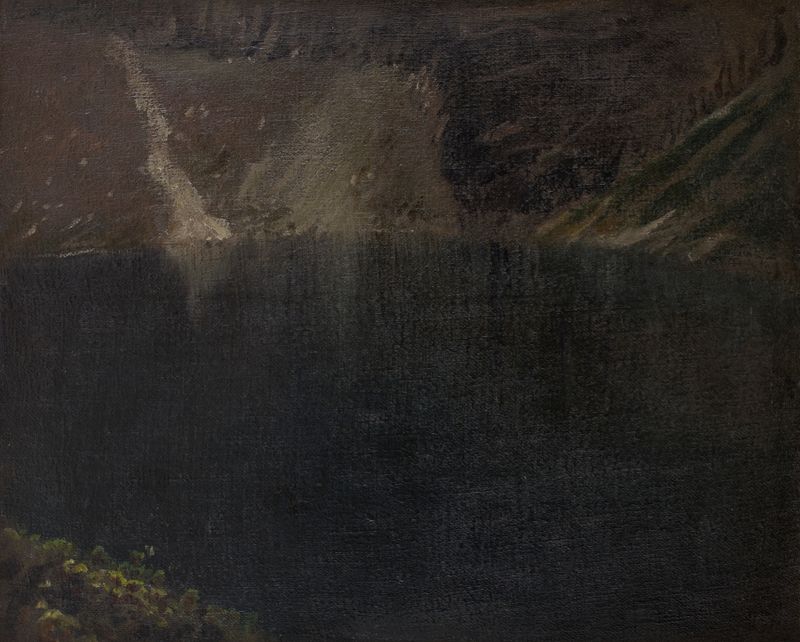
Czarny Staw (Black Lake)
Leon Wyczółkowski
More Architecture Art
Browse all →
The statue of Liberty
Frédéric Auguste Bartholdi

View of Houses in Delft, Known as ‘The Little Street’
Johannes Vermeer

View of Houses in Delft, Known as ‘The Little Street’
Johannes Vermeer

The Cathedral in Rouen. The portal, Grey Weather
Claude Monet

The yellow house
Vincent van Gogh

The Church in Auvers-sur-Oise, View from the Chevet
Vincent van Gogh