
Czarny Staw (Black Lake) — History & Facts
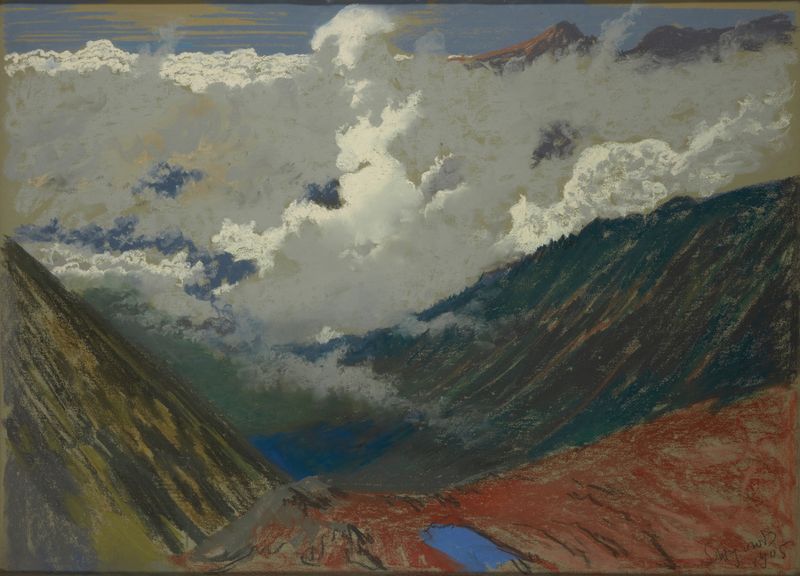
Where does light end, and longing begin? In Czarny Staw, the interplay of shadow and illumination beckons a meditative reflection on the nature of creation and existence itself. Look to the left; the deep, dark waters of the lake ripple gently, a reflection of the sky that shifts from somber greys to hints of vibrant blues. The artist employs a delicate juxtaposition of brushstrokes; soft, fluid lines capture the serenity of the water, while more vigorous strokes convey the rugged surrounding mountains. Notice how the light dances on the surface, illuminating scattered patches of flora, creating a vivid contrast against the looming darkness of the lake’s depths.
This is not merely a landscape; it is a narrative woven into the very fabric of nature. Beyond its beauty, the work resonates with deeper emotional currents of solitude and introspection. The tranquil waters invite contemplation, yet the encroaching shadows hint at the unknown, suggesting a duality between the serene and the ominous. The juxtaposition of light and dark forces the viewer to grapple with their own feelings of peace and anxiety, as the landscape becomes a metaphor for the internal struggles we all confront.
Each brushstroke holds a story, each color a sentiment, creating a rich tapestry of human experience within an untouched realm. Leon Wyczółkowski painted Czarny Staw in 1906 while living in Poland, drawing inspiration from the picturesque landscapes around him. This period was marked by a burgeoning national identity, as the artist sought to capture the essence of his homeland. Amidst the rise of Symbolism and the evolving art movements in Europe, Wyczółkowski's work exemplified a deep connection to nature and the emotional landscapes it evokes, reflecting both personal and collective experiences of the time.
More Artworks by Leon Wyczółkowski
Browse all →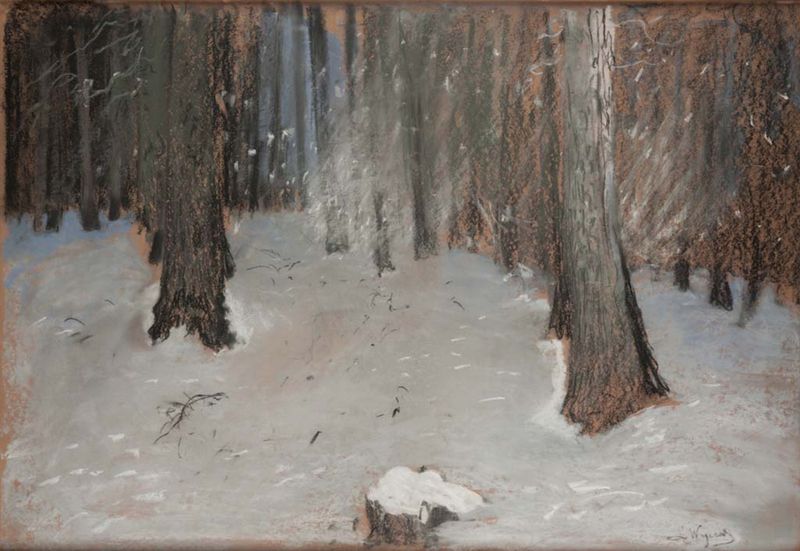
Las zimą
Leon Wyczółkowski
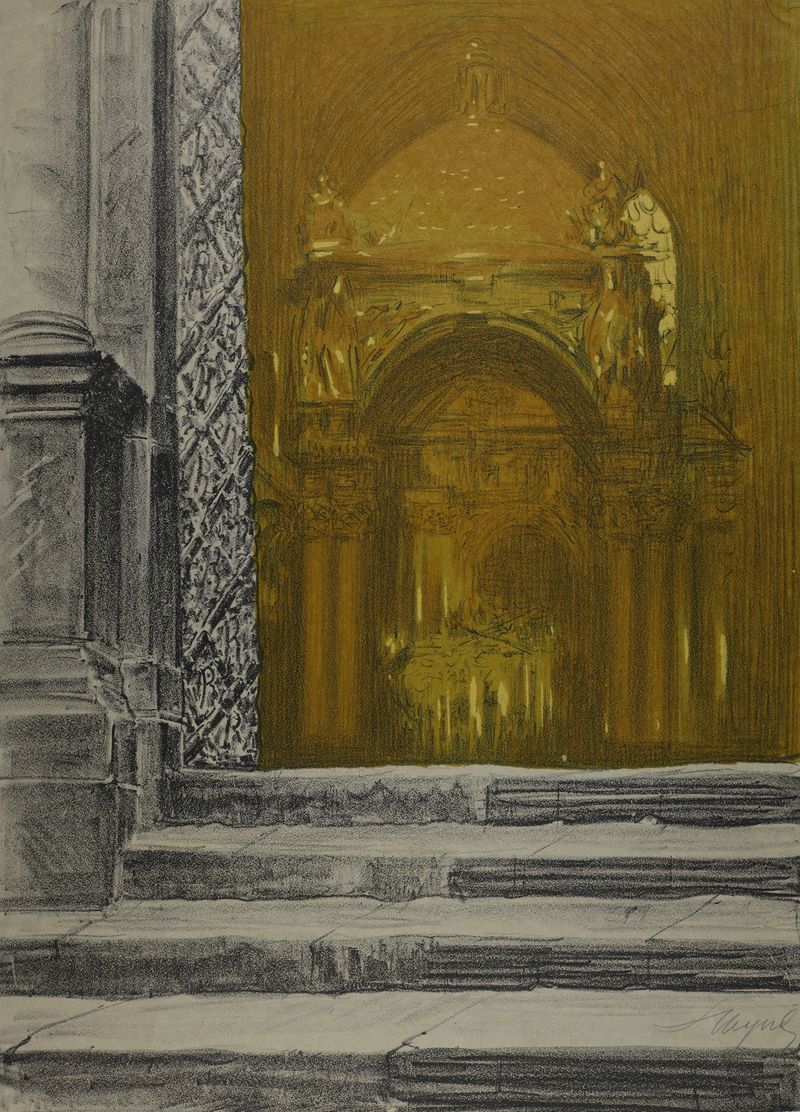
Saint Stanislaus
Leon Wyczółkowski
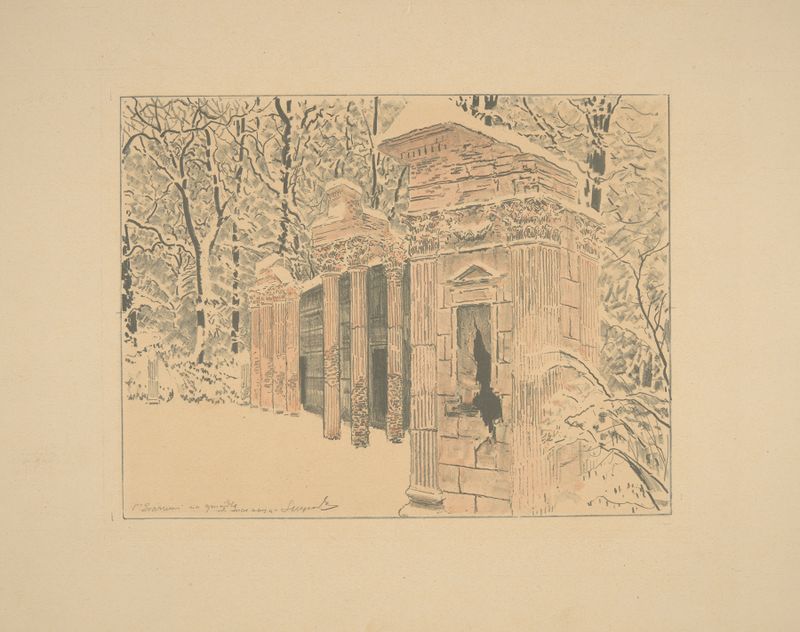
Amfiteatr w Łazienkach pod śniegiem (strona prawa)
Leon Wyczółkowski
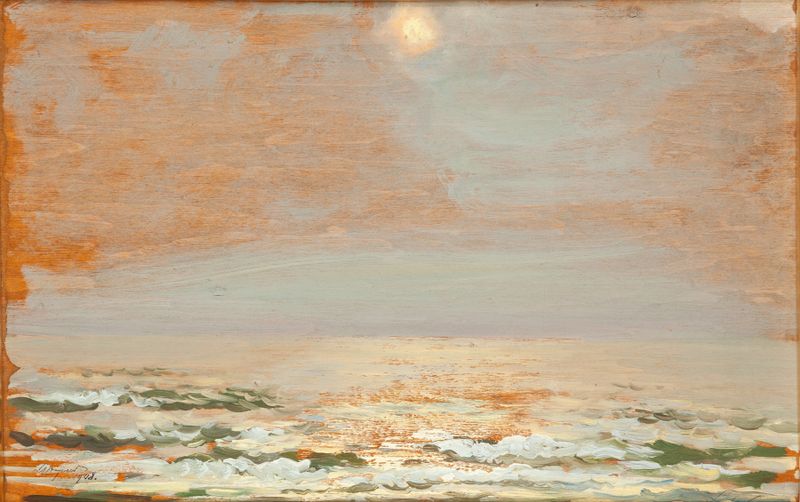
Sea at Połąga IV
Leon Wyczółkowski
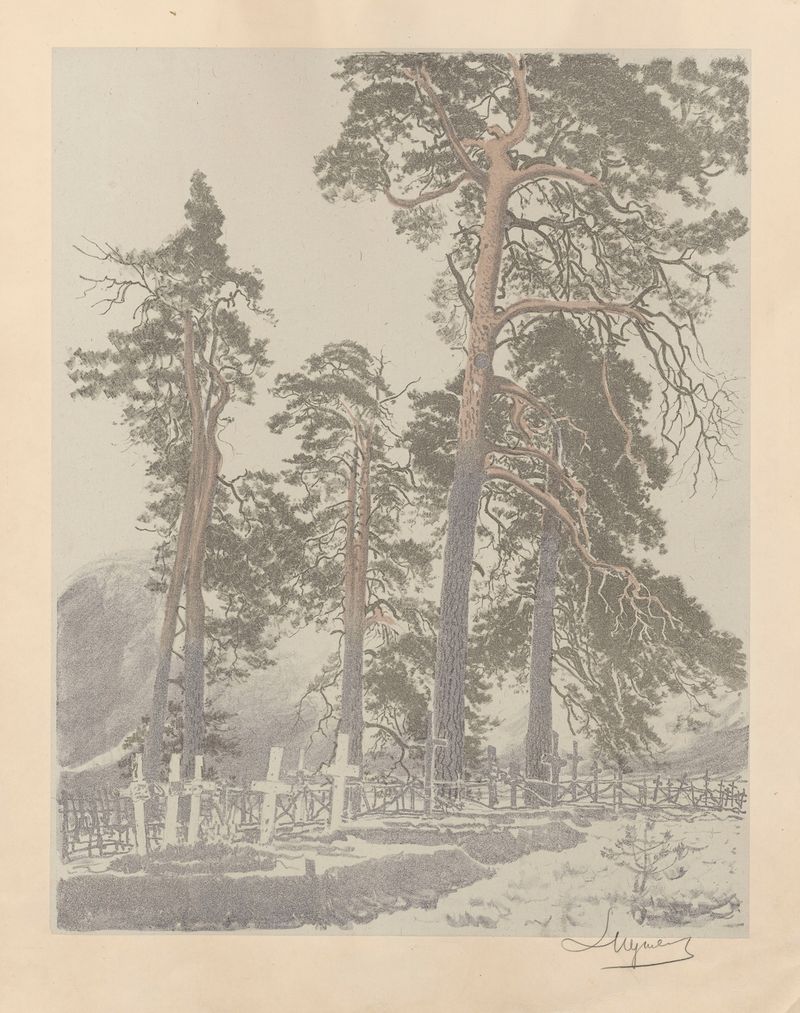
Cemetery in Vowchick
Leon Wyczółkowski
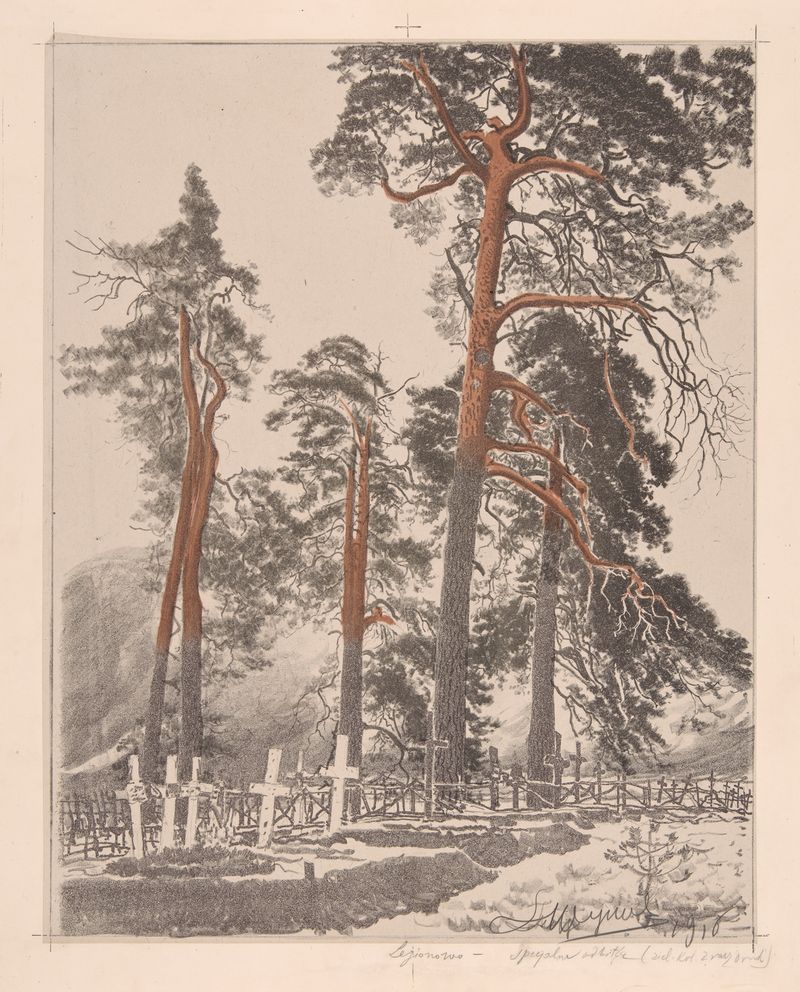
The Wołczecko cemetery
Leon Wyczółkowski
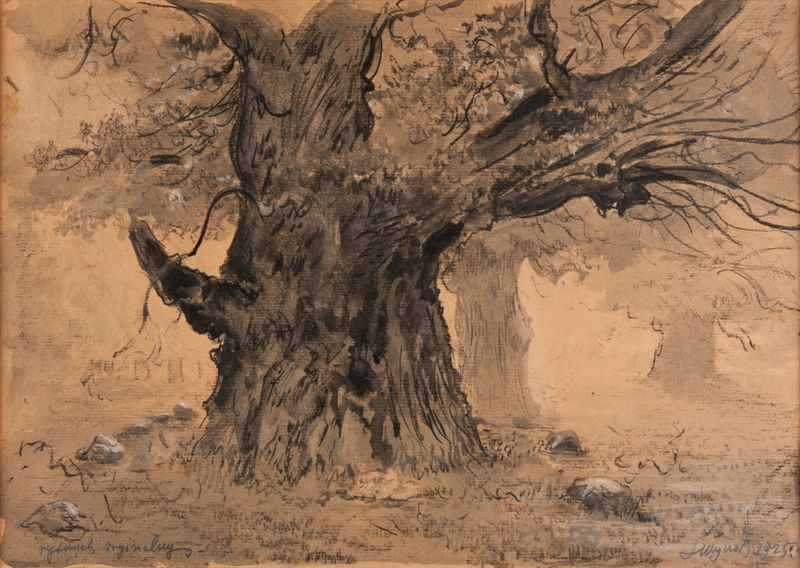
Rogalin Oaks
Leon Wyczółkowski
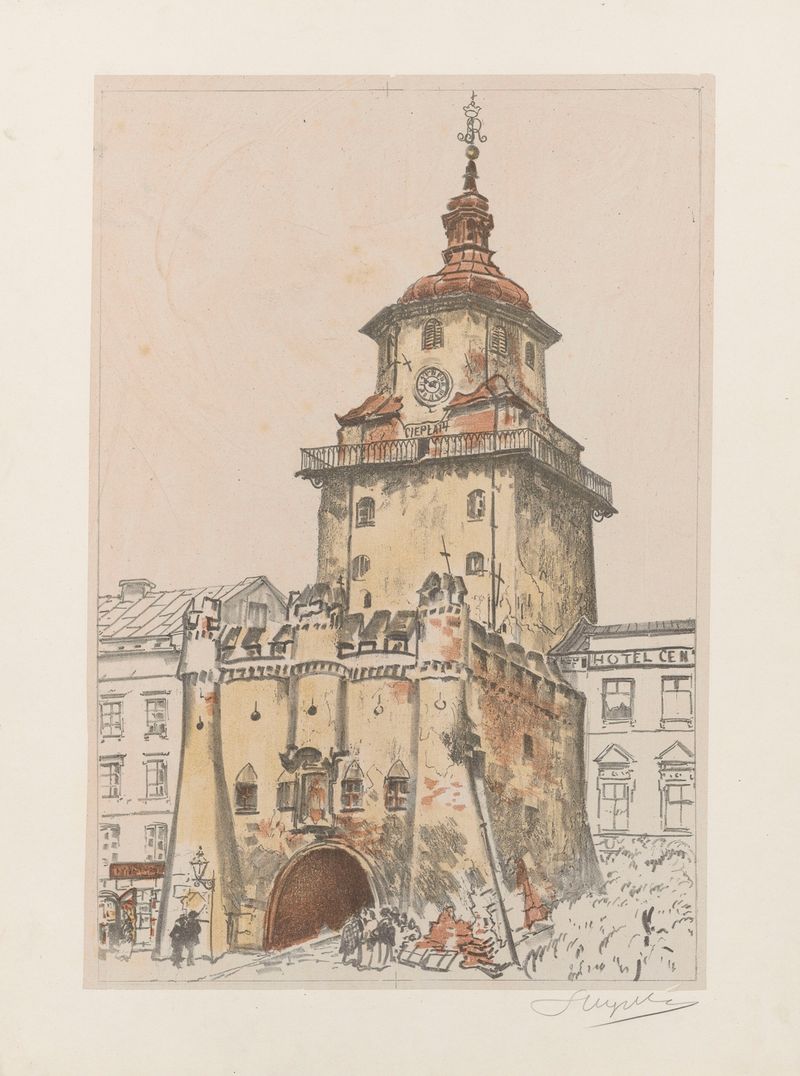
The Krakow Gate in Lublin, in summer
Leon Wyczółkowski
U Wrót Chałubińskiego
Leon Wyczółkowski
Castle and the Jewish quarter
Leon Wyczółkowski





