
Castletown Harbour, Isle of Man — History & Facts
Can paint confess what words never could? The haunting beauty of a harbor holds stories that echo in the silence of the sea. Look to the left at the soft, muted colors of the water, a gentle blend of blues and greys that mirror the overcast sky. Notice how the brushstrokes create a sense of movement, as if the tide is perpetually whispering to the shore. The distant silhouettes of boats are nearly swallowed by the fog, while the rocky coastline looms with a rugged majesty.
This delicate balance of light and shadow is imbued with a sense of longing, drawing the viewer into a reflective state. Deeper insights lie within the interplay of solitude and serenity. The absence of human figures suggests a landscape untouched by time, invoking a melancholic stillness. The harbor, while a place of potential journeys, feels isolated, as if it too yearns for connection.
The fog blankets the scene, creating an emotional distance that amplifies the overall sense of loss and nostalgia, inviting contemplation on the transient nature of both life and environment. William Leighton Leitch painted this piece in the 19th century, a time when he was exploring the landscapes of Britain and Ireland. The Isle of Man, enveloped in natural beauty, provided a canvas for his introspective reflections amidst the changing tides of romanticism in art. As he grappled with personal challenges, the paintings from this period reveal a deepened commitment to capturing the essence of place, evoking emotions that resonate with the viewer long after they depart.
More Artworks by William Leighton Leitch
Browse all →
Landscape, Italy
William Leighton Leitch

Mist on the Downs
William Leighton Leitch
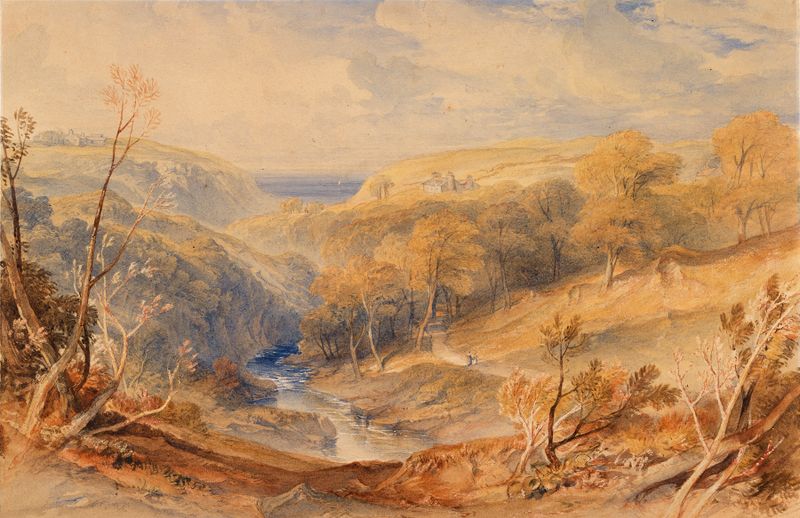
A Wooded Valley on the Isle of Man
William Leighton Leitch

Scottish Pine Tree
William Leighton Leitch
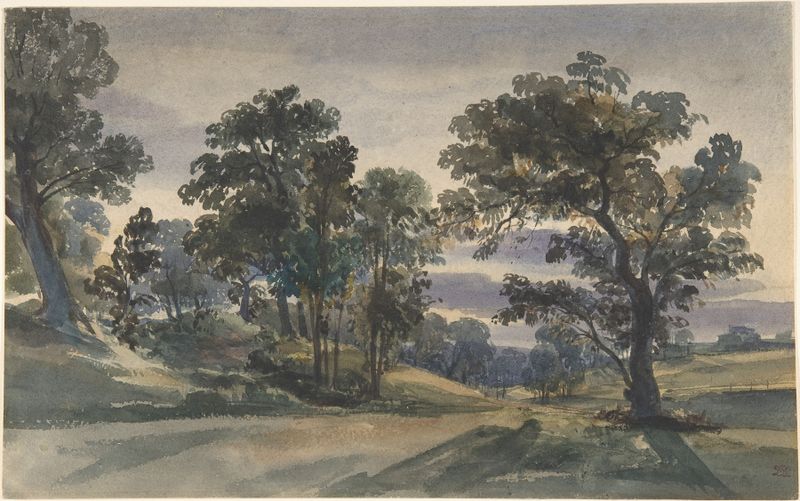
A Parkland View at Dusk
William Leighton Leitch
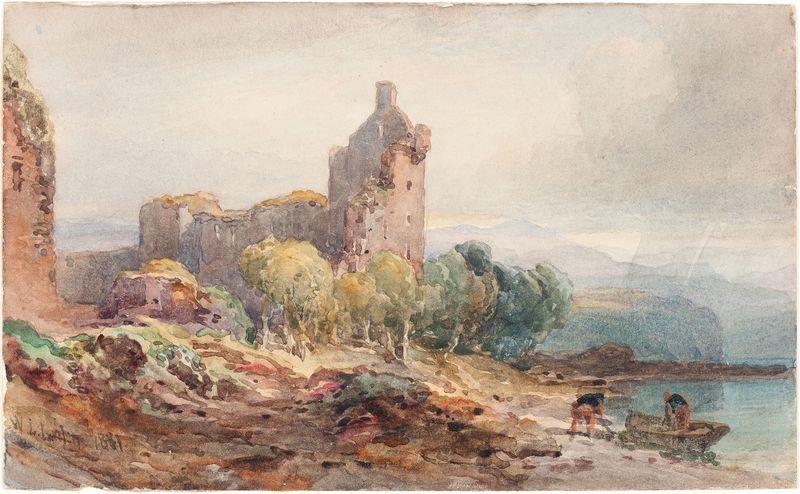
A Ruined Castle on a Lake
William Leighton Leitch

Porta S. Giovanni, Rome
William Leighton Leitch





