
A Ruined Castle on a Lake — History & Facts
The shimmering surface of the lake reflects not only the ruins that loom above but also the haunting shadow of forgotten tales. Look to the center, where the dilapidated castle stands defiantly against the gentle lapping of the water. The artist employs a muted palette, punctuated by the soft greens of the surrounding foliage and the dramatic grays of the stone ruins. Notice how the light subtly emphasizes the crumbling textures, inviting you to explore the fortitude and despair housed within the ancient walls.
The interplay of light and shadow imbues the scene with an ethereal quality, suggesting that the essence of life still lingers amid decay. Beneath the surface beauty lies a deeper tension; the juxtaposition of the serene lake and the ominous ruins speaks to the fragility of existence. The castle, once a symbol of strength, is now a testament to time's relentless march. The shadows cast by the fading structure evoke memories of glory, hinting at the narratives lost within its walls.
Each brushstroke reveals the emotional weight of history and the inevitability of change. In 1881, Leighton Leitch painted this work while living in Scotland, a place rich in dramatic landscapes and profound history. During this period, the Romantic movement was giving way to Impressionism, marking a transition in artistic expression that focused on light and atmosphere. This shift influenced his approach, allowing him to encapsulate both the beauty and melancholy of the natural and built environment, reflecting a society grappling with change.
More Artworks by William Leighton Leitch
Browse all →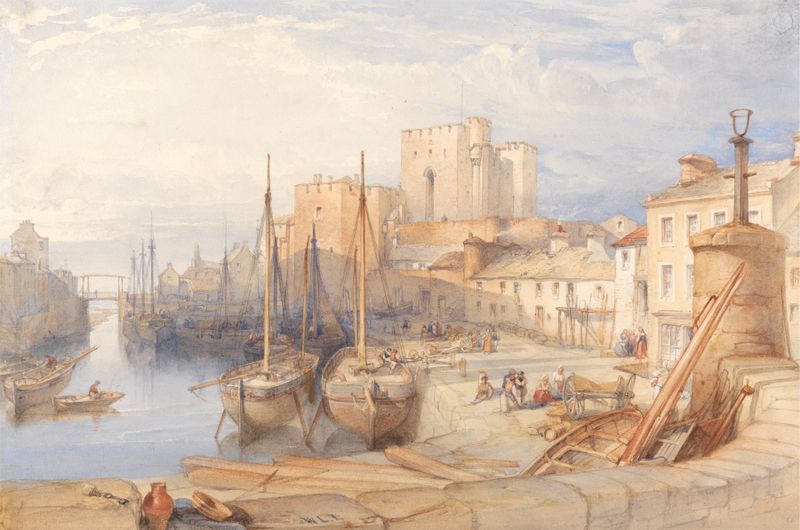
Castletown Harbour, Isle of Man
William Leighton Leitch

Landscape, Italy
William Leighton Leitch

Mist on the Downs
William Leighton Leitch
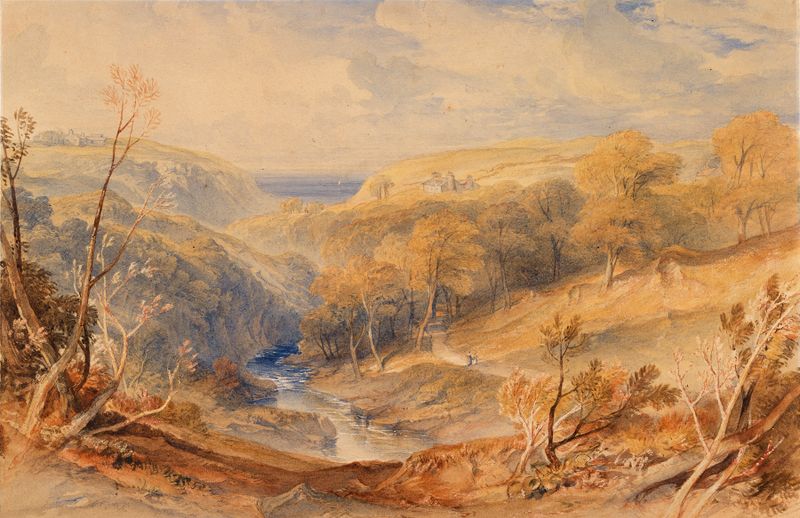
A Wooded Valley on the Isle of Man
William Leighton Leitch

Scottish Pine Tree
William Leighton Leitch
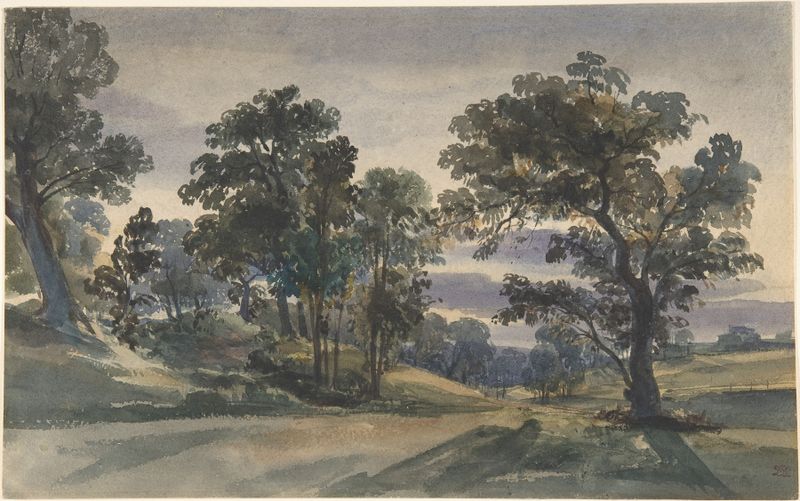
A Parkland View at Dusk
William Leighton Leitch

Porta S. Giovanni, Rome
William Leighton Leitch





