
Cavalier à la lisière d’un bois — History & Facts
Can paint confess what words never could? In the interplay between light and shadow, a conversation unfolds that transcends mere language, inviting the viewer into a world alive with unspoken truths. Look to the center of the canvas where the figure of a horseman stands at the edge of a dense woodland. The dappled sunlight filters through the leaves, creating a mosaic of light that dances across the ground, whispering secrets of the forest. The rich greens and browns of the foliage contrast with the warm, earthy tones of the rider’s attire, drawing the eye effortlessly to this solitary figure amidst the looming trees.
This delicate balance of color and shade establishes a palpable tension between man and nature, inviting contemplation of the unknown depths beyond the treeline. Hidden within this seemingly tranquil moment lies an exploration of solitude and introspection. The horseman gazes into the shadows, embodying both confidence and hesitation—a sentinel on the threshold of the wild. The surrounding woodland, rendered in layers of mystery, symbolizes the allure and danger of the untamed world, while the interplay of light and shadow suggests the duality of human existence: the familiar comforts of the known against the primal call of the wild. The painting was created during a time when Rousseau was deeply engaged with the natural landscape of the Barbizon School in the mid-19th century.
As he sought to capture the essence of the French countryside, the artist wrestled with the conventions of traditional academic painting while forging a path towards a more emotive and personal representation of nature. His commitment to plein air painting mirrored the broader Romantic movement, as artists began to embrace individual experience over collective ideals.
More Artworks by Théodore Rousseau
Browse all →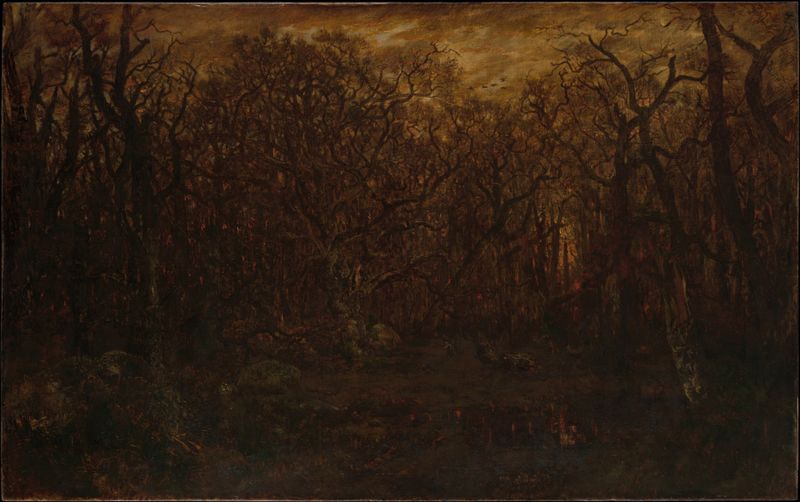
The Forest in Winter at Sunset
Théodore Rousseau
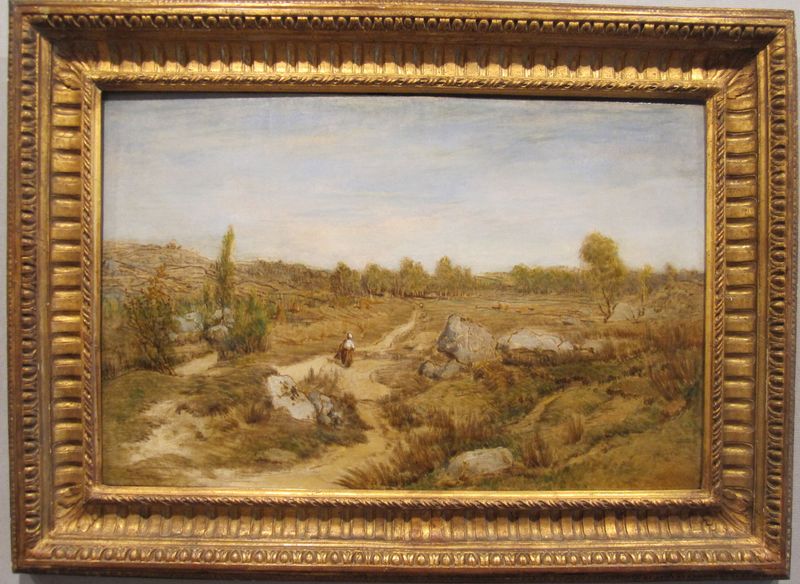
Valley of the Rouars in the Gorges d’Apremont
Théodore Rousseau
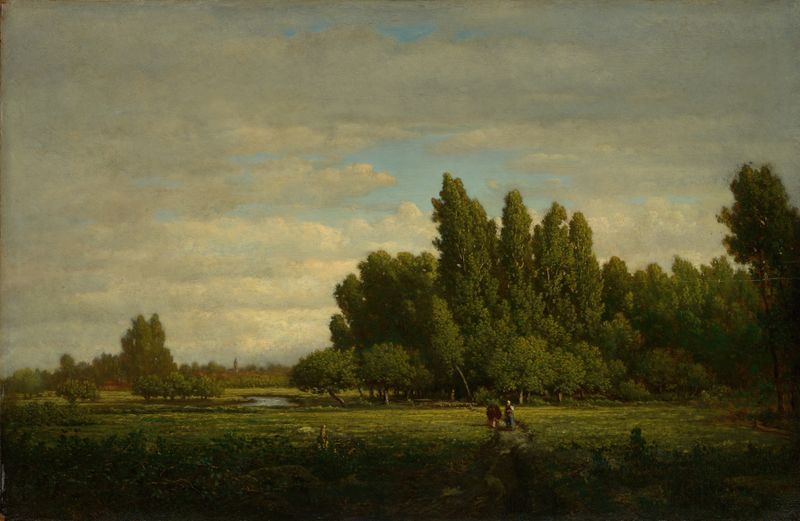
A Meadow Bordered by Trees
Théodore Rousseau
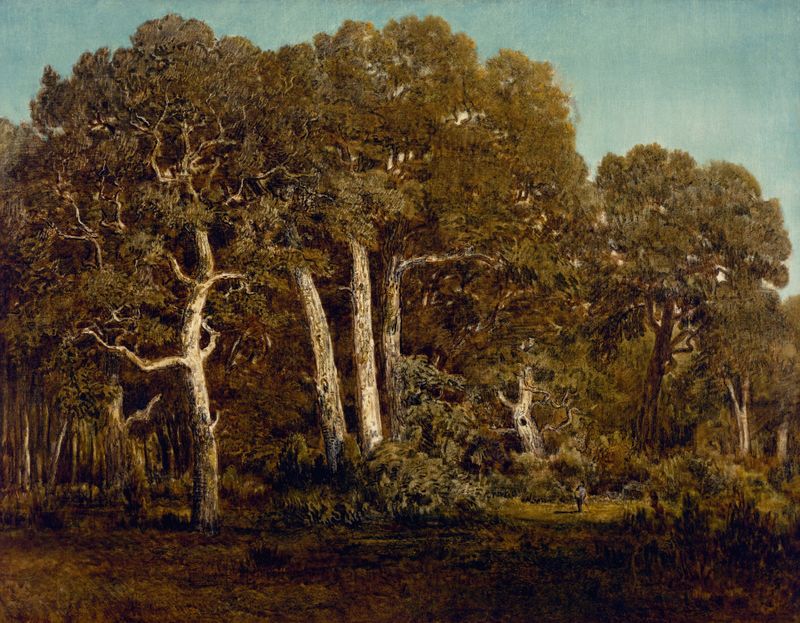
The Great Oaks of Old Bas-Bréau
Théodore Rousseau
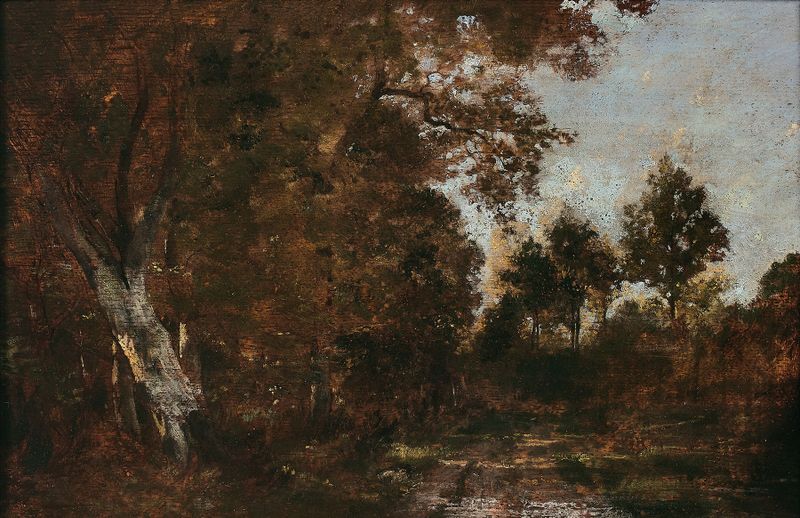
Paysage de sous-bois
Théodore Rousseau
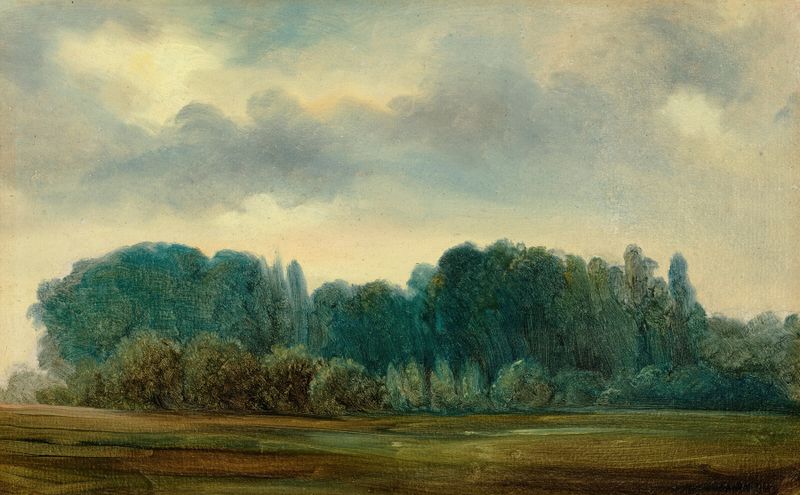
Paysage
Théodore Rousseau
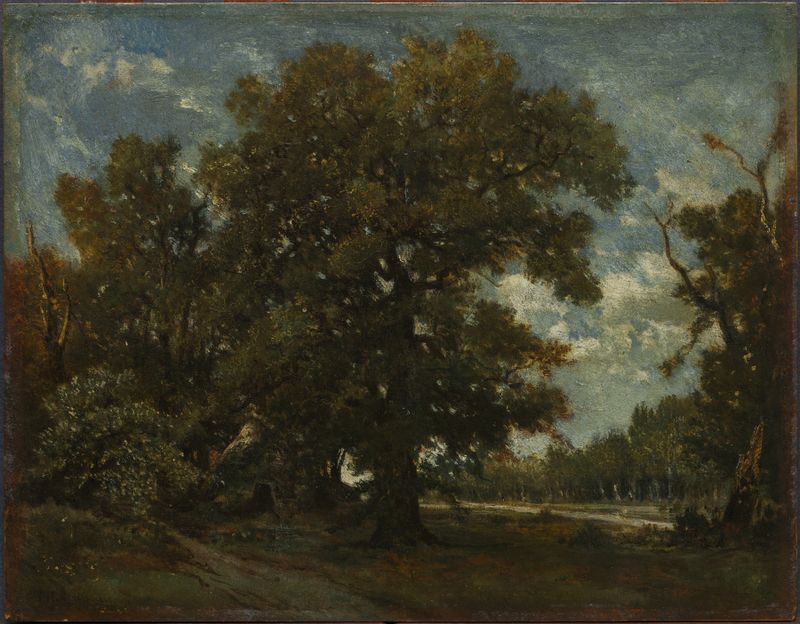
The Oak Tree
Théodore Rousseau
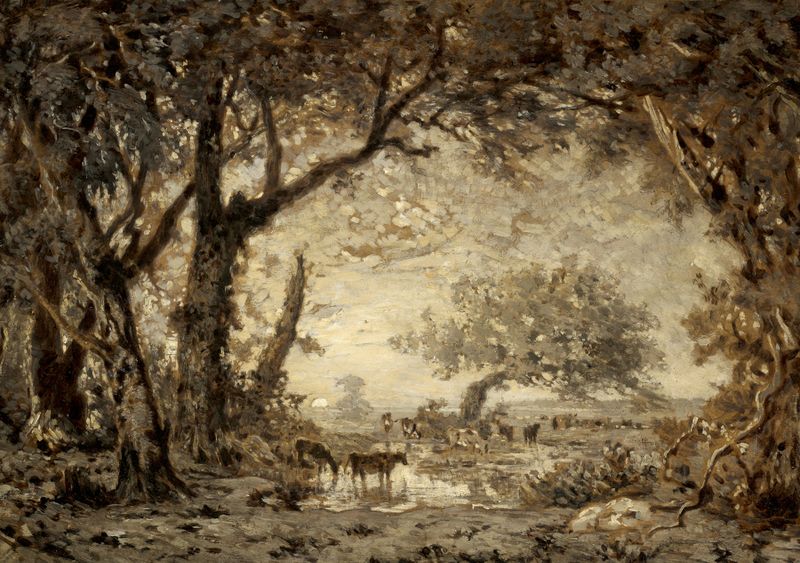
Sunset from the Forest of Fontainebleau
Théodore Rousseau
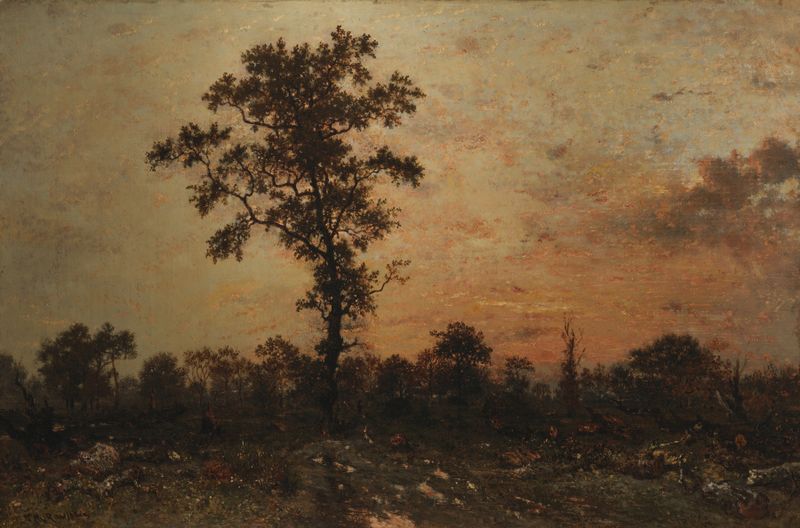
Edge of the Forest, Sun Setting
Théodore Rousseau
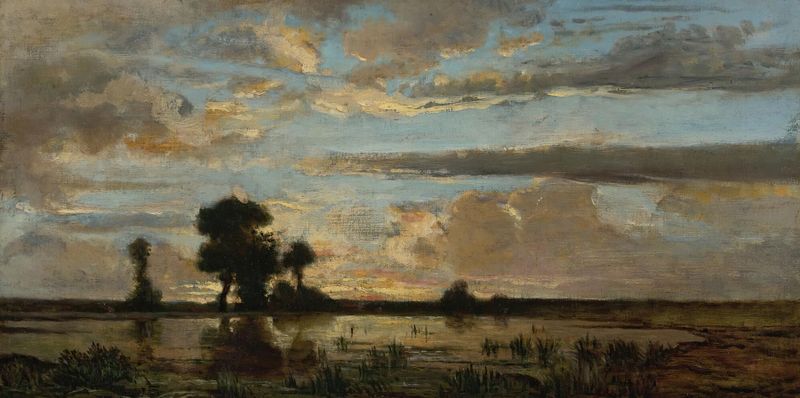
Soleil Couchant
Théodore Rousseau





