
Cement-en-trasmolen De Rietvink aan de Zaan, buitendijks bij het Zuiderveer, afgebroken 1879 — History & Facts
What if beauty was never meant to be finished? In a world constantly in flux, the remnants of a past existence remind us of fragility and the passage of time. Look closely at the canvas, and your gaze is immediately drawn to the crumbling structure, an embodiment of both industry and natural decay. The muted earth tones suggest a landscape worn by weather and wear, while the delicate play of light catches the edges of the remaining bricks, hinting at their former glory. Notice how the surrounding flora, vibrant in contrast, encroaches upon the ruins, as if reclaiming its rightful place.
Every brushstroke captures the tension between man-made and nature, crafting a poignant narrative of loss. Here, the structure symbolizes more than mere architecture; it represents the inevitability of change. The juxtaposition of the sturdy remnants against the soft, verdant encroachment reflects the duality of resilience and surrender. The absence of human figures amplifies this sense of solitude, inviting viewers to ponder what has been lost and what memories linger in the stillness.
It’s a poignant reminder that even beauty can fade, leaving echoes of its existence behind. Johannes Nicolaas Eijman painted this work during a time when Dutch art was increasingly focused on capturing the essence of everyday life and landscapes. Though the exact date remains uncertain, it emerged amidst discussions of industrialization's impact on society and nature. Eijman’s choice to depict a scene of ruin might reflect his awareness of the transformations occurring in the Netherlands, as communities grappled with the passage of time and the remnants of their industrial past.
More Artworks by Johannes Nicolaas Eijman
Browse all →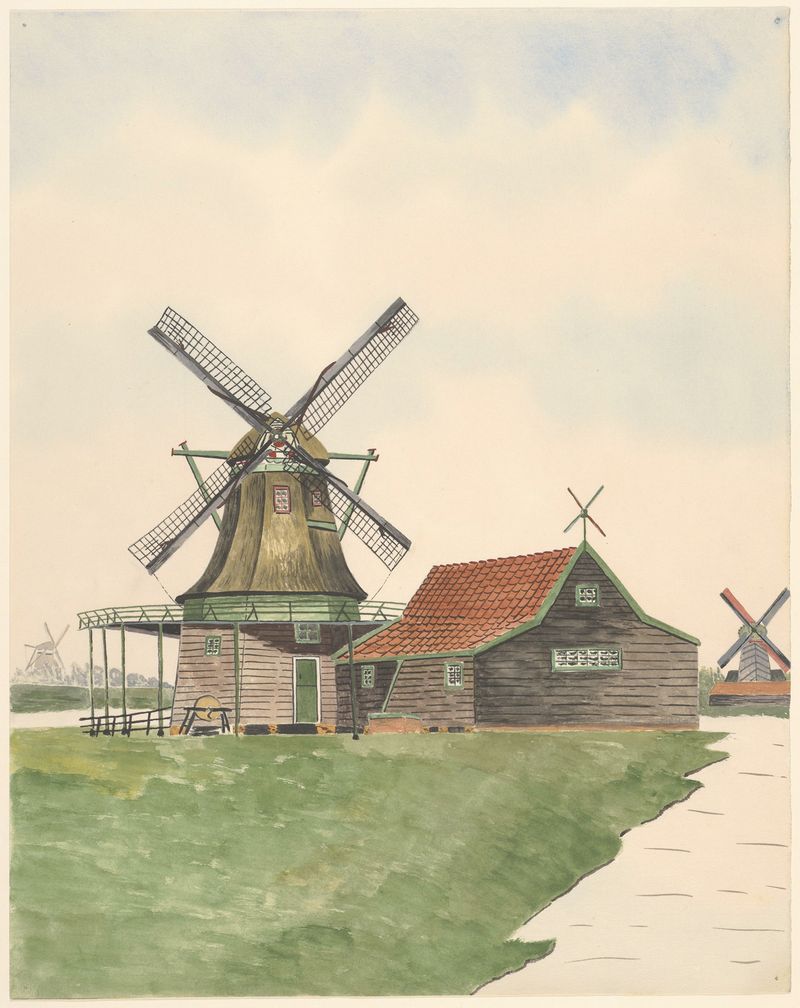
molens; oliemolen De Olievos, aan de Papenpadsloot, gesloopt 1878
Johannes Nicolaas Eijman
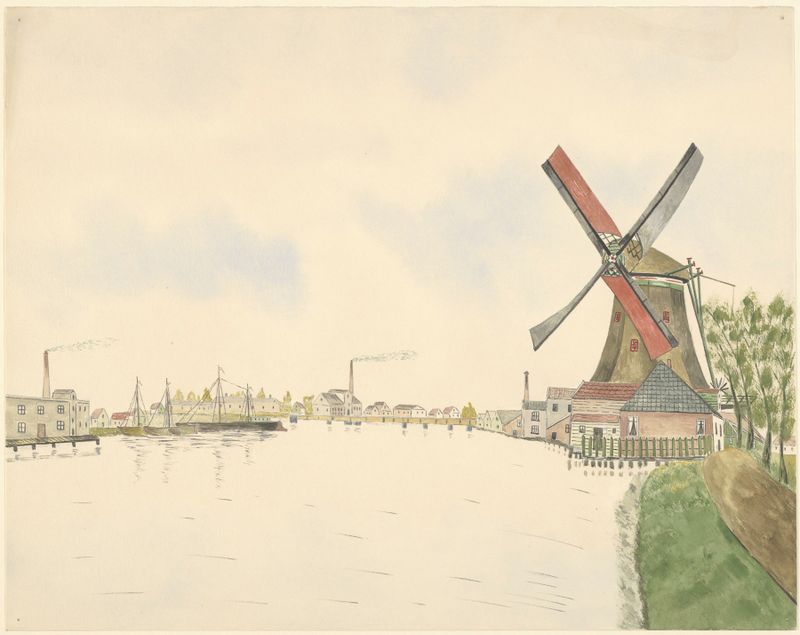
molens; meelmolen De Koker
Johannes Nicolaas Eijman

Papiermolen de Eendracht aan de westzijde van het Zaandammerpad, Wormer
Johannes Nicolaas Eijman
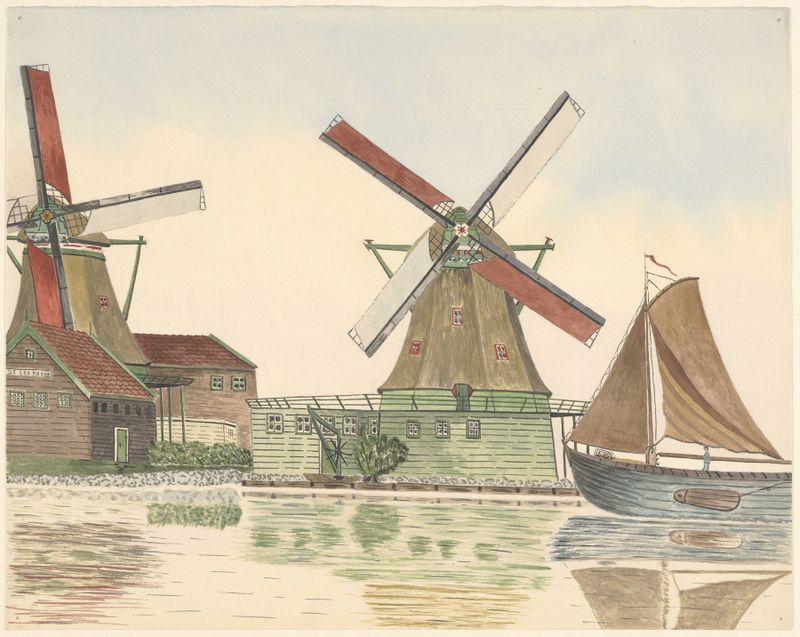
molens; oliemolen De Oude-Zwan, aan de Kalverpoel
Johannes Nicolaas Eijman
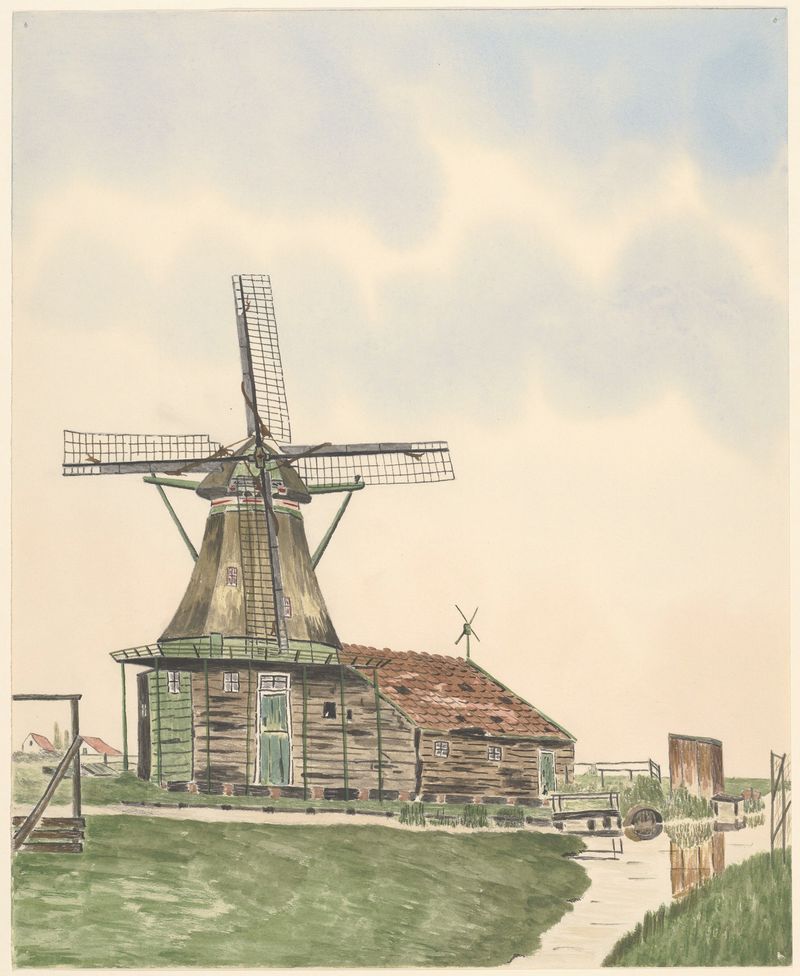
molens; oliemolen Het Oude-Honingvat, Oostzijderveld
Johannes Nicolaas Eijman
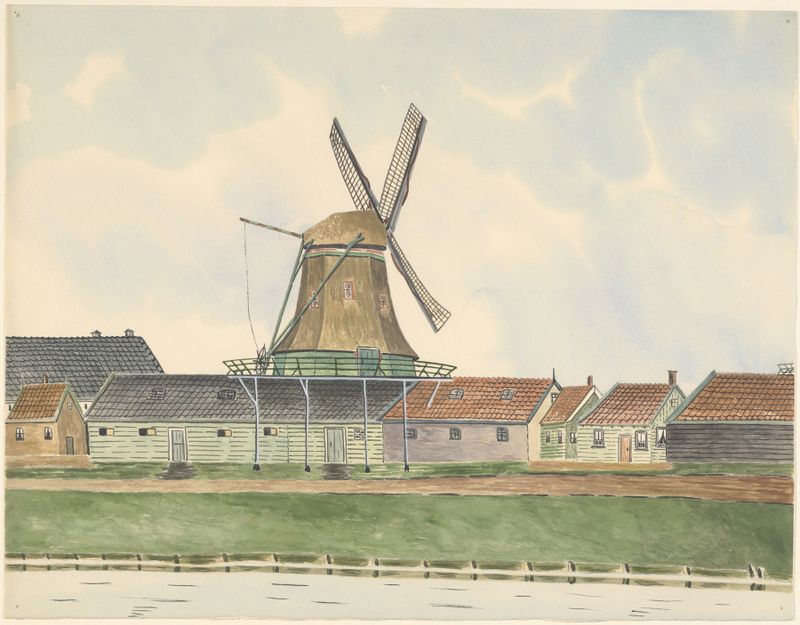
molen; oliemolen Het Witte-Paard aan het Zaandijkerwegje, 1893 gesloopt
Johannes Nicolaas Eijman

Op de voorgrond rechts doppenmolen De Prolpot aan de Hemmes, op de achtergrond links twee andere molens
Johannes Nicolaas Eijman
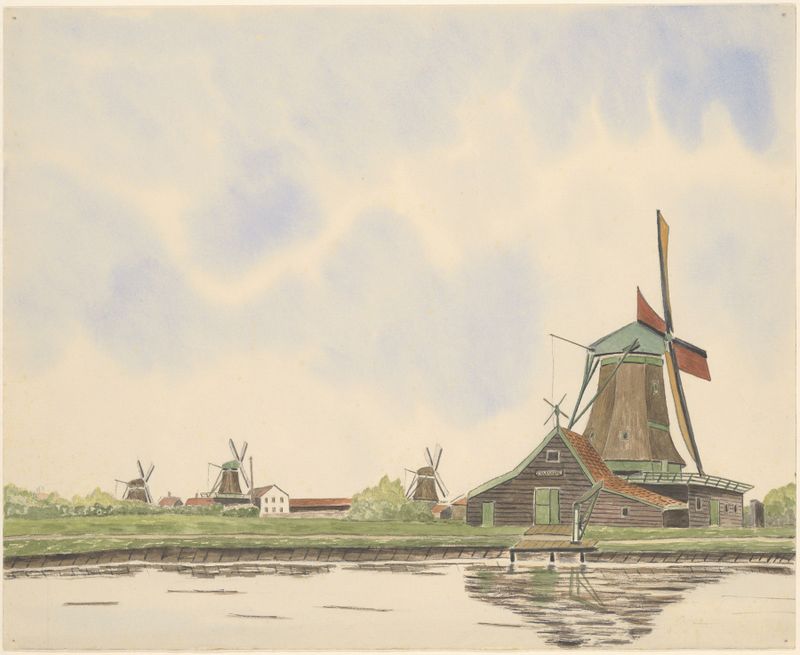
Oliemolen De Kerkuil aan de Zaan, met drie molens op de achtergrond. De Kerkuil stond binnendijks, tegenover de Wormerveerderkerk; afgebroken ca. 1892
Johannes Nicolaas Eijman
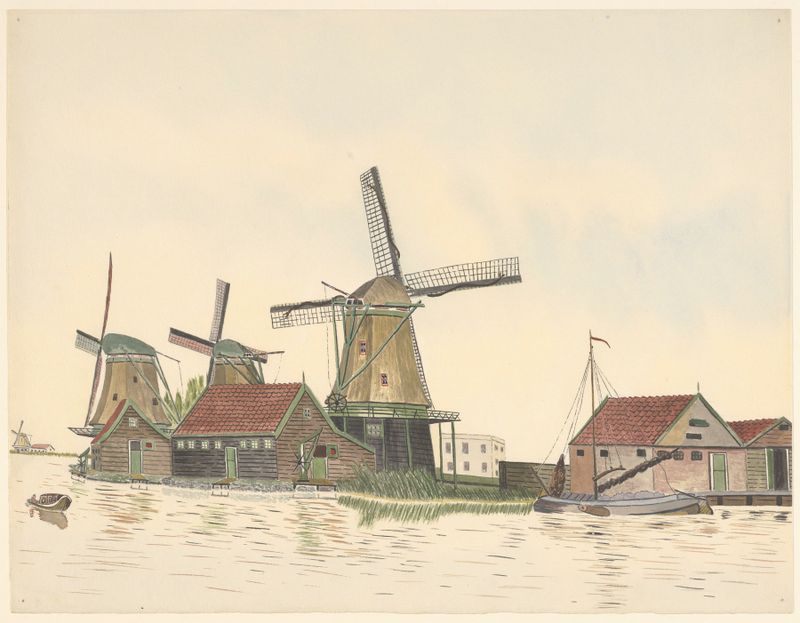
molens; De Ooievaar; De Windhond; De Gans, Kalverringdijk
Johannes Nicolaas Eijman
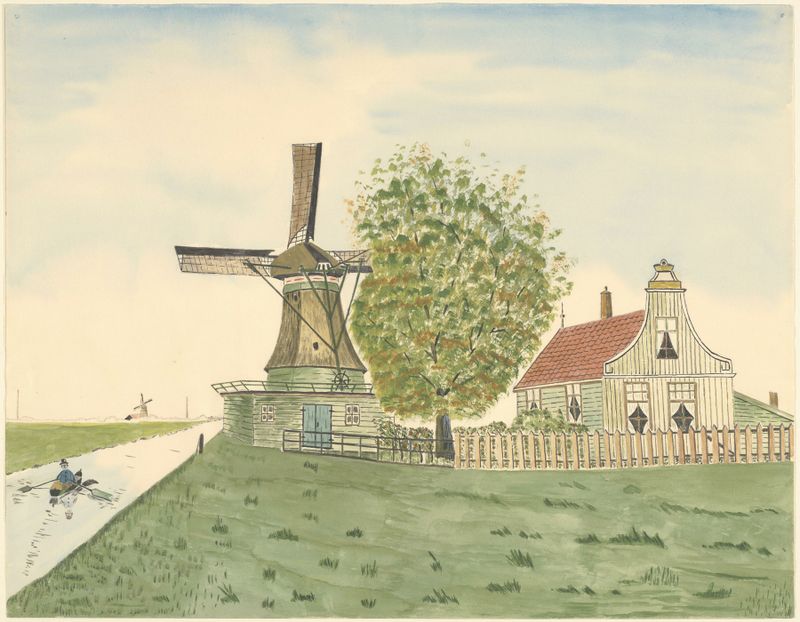
molens; houtzaagmolen De Haan
Johannes Nicolaas Eijman





