
molens; meelmolen De Koker — History & Facts
In the stillness of a landscape, an old mill stands as a sentinel, whispering tales of the past in its weathered wood and rusted gears. It evokes a haunting sense of awakening, stirring deep memories of labor and the passage of time. Look to the left at the towering structure of the mill, its blades reaching out like weary arms yearning for the wind. Notice how the muted earth tones blend with the gentle strokes of light, illuminating the intricate textures and shadowed crevices.
Eijman’s careful attention to detail breathes life into this static scene, inviting one to embark on an exploration of both the physical and emotional landscapes within the frame. Yet, beneath the surface lies a profound contrast. The mill, often a symbol of industry and progress, carries a weight of nostalgia that speaks to the relentless march of time and change. The surrounding stillness mirrors the stillness of dreams deferred and the passions left untended, capturing the tension between hope and resignation in the face of life's cyclic nature.
This juxtaposition transforms the image into a poignant reflection on what is lost and what remains. During the years between 1930 and 1940, Eijman painted this work while living in the Netherlands, a period marked by economic turmoil and the rising shadows of war. Amidst these challenges, the artist found solace in the landscapes of his homeland, capturing the essence of their beauty even as uncertainty loomed. His dedication to revealing the resilience of nature amidst human struggle contributes to the timeless quality of this artwork.
More Artworks by Johannes Nicolaas Eijman
Browse all →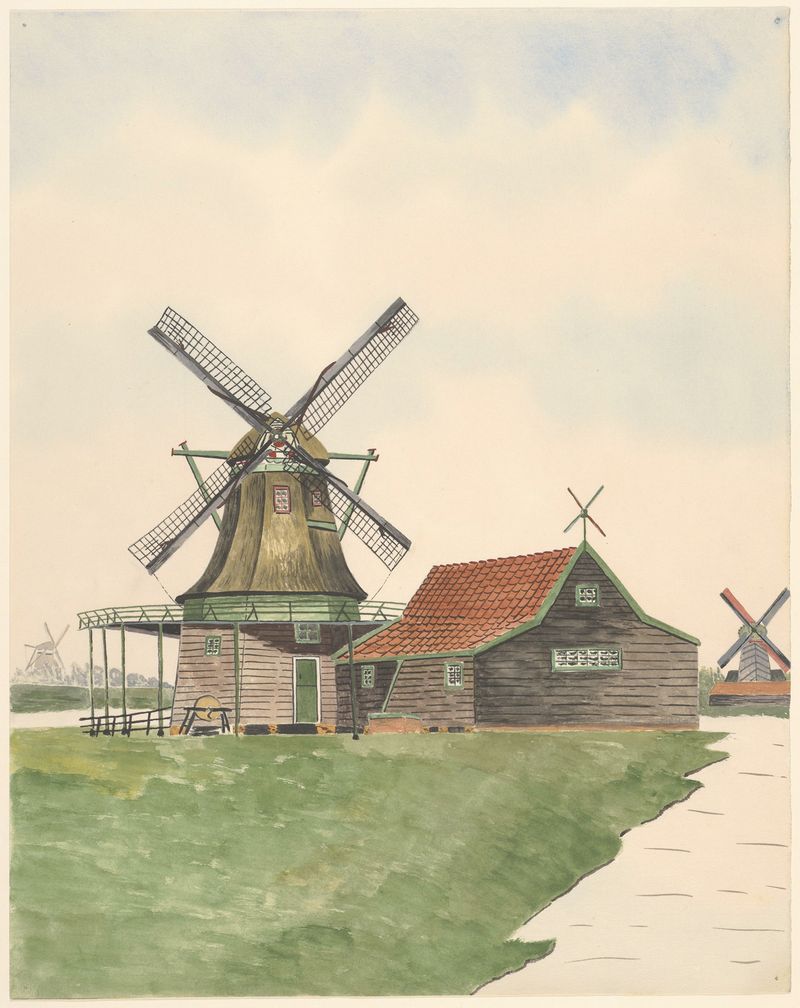
molens; oliemolen De Olievos, aan de Papenpadsloot, gesloopt 1878
Johannes Nicolaas Eijman

Papiermolen de Eendracht aan de westzijde van het Zaandammerpad, Wormer
Johannes Nicolaas Eijman
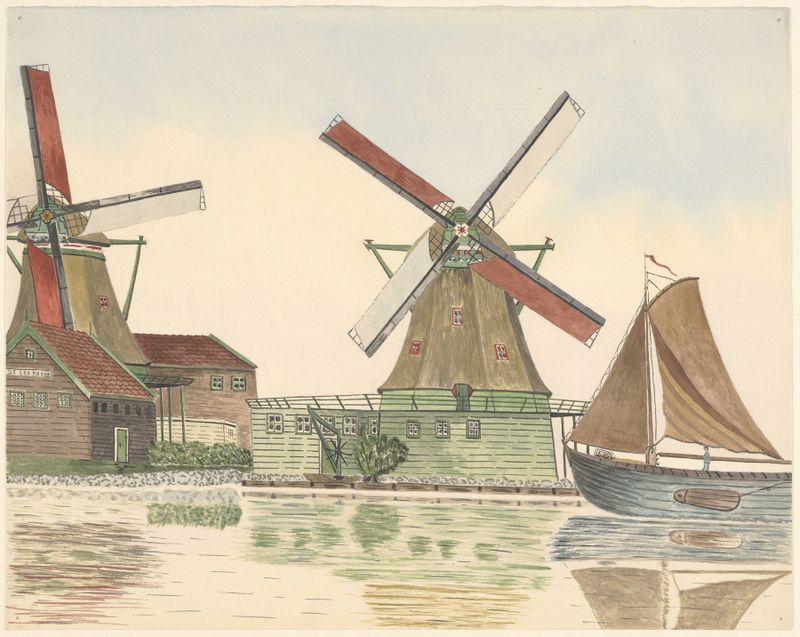
molens; oliemolen De Oude-Zwan, aan de Kalverpoel
Johannes Nicolaas Eijman
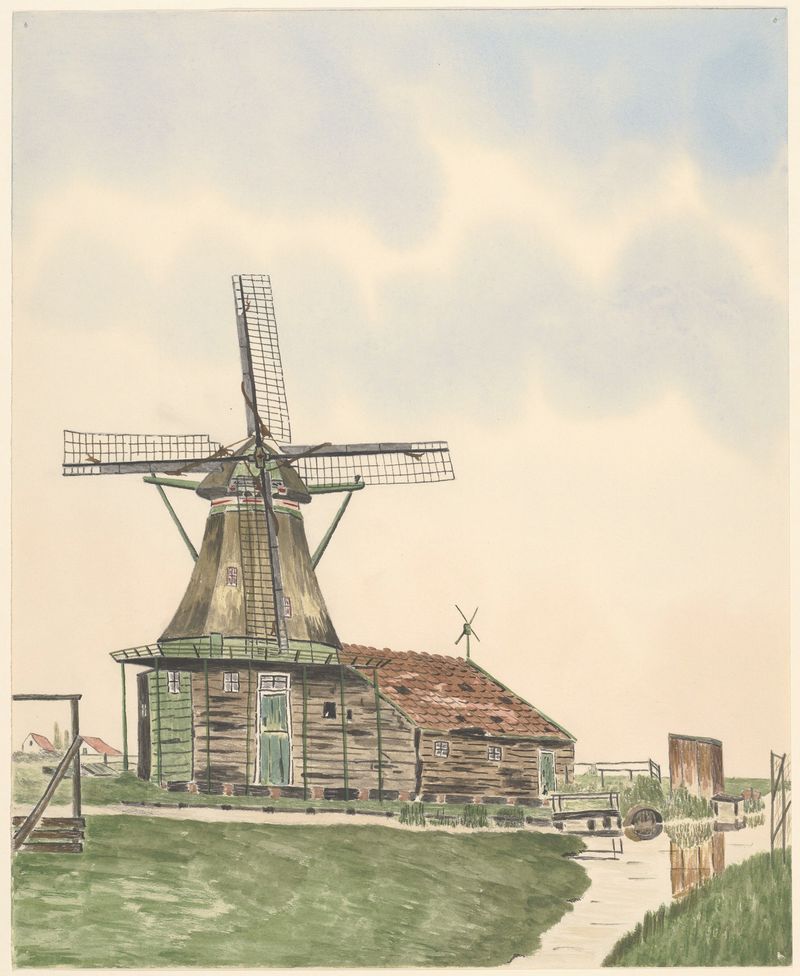
molens; oliemolen Het Oude-Honingvat, Oostzijderveld
Johannes Nicolaas Eijman
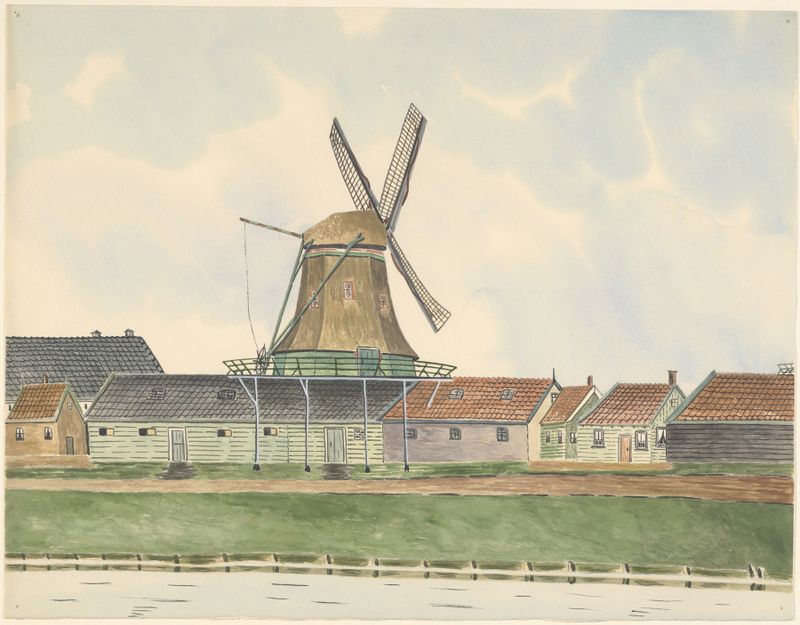
molen; oliemolen Het Witte-Paard aan het Zaandijkerwegje, 1893 gesloopt
Johannes Nicolaas Eijman

Op de voorgrond rechts doppenmolen De Prolpot aan de Hemmes, op de achtergrond links twee andere molens
Johannes Nicolaas Eijman
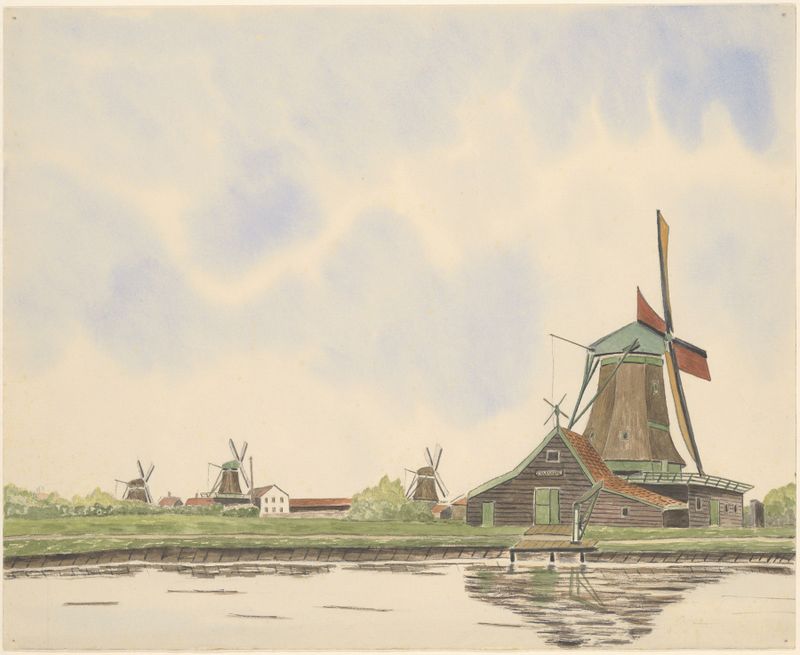
Oliemolen De Kerkuil aan de Zaan, met drie molens op de achtergrond. De Kerkuil stond binnendijks, tegenover de Wormerveerderkerk; afgebroken ca. 1892
Johannes Nicolaas Eijman
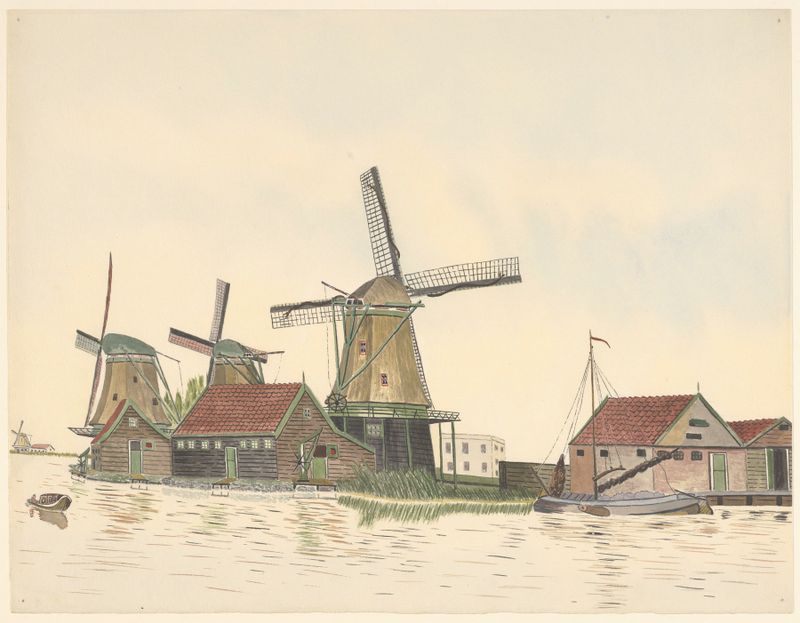
molens; De Ooievaar; De Windhond; De Gans, Kalverringdijk
Johannes Nicolaas Eijman
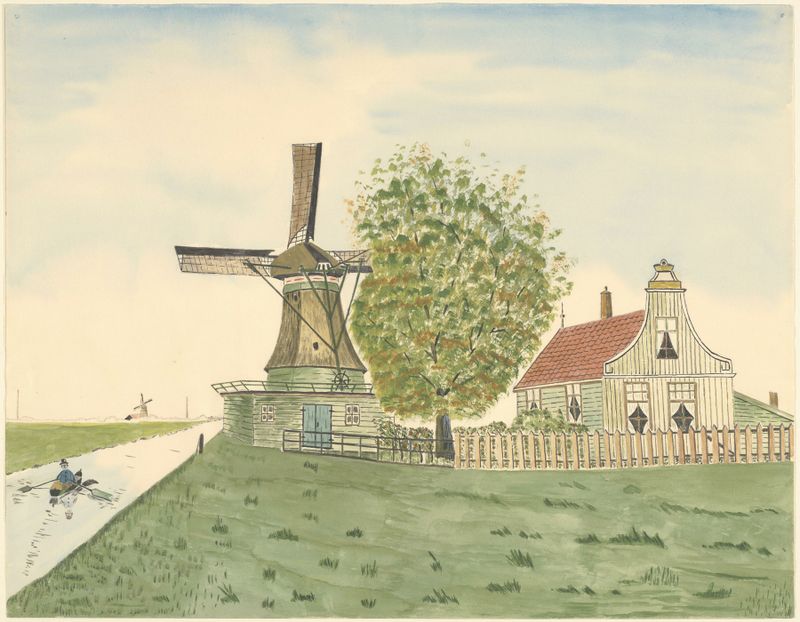
molens; houtzaagmolen De Haan
Johannes Nicolaas Eijman
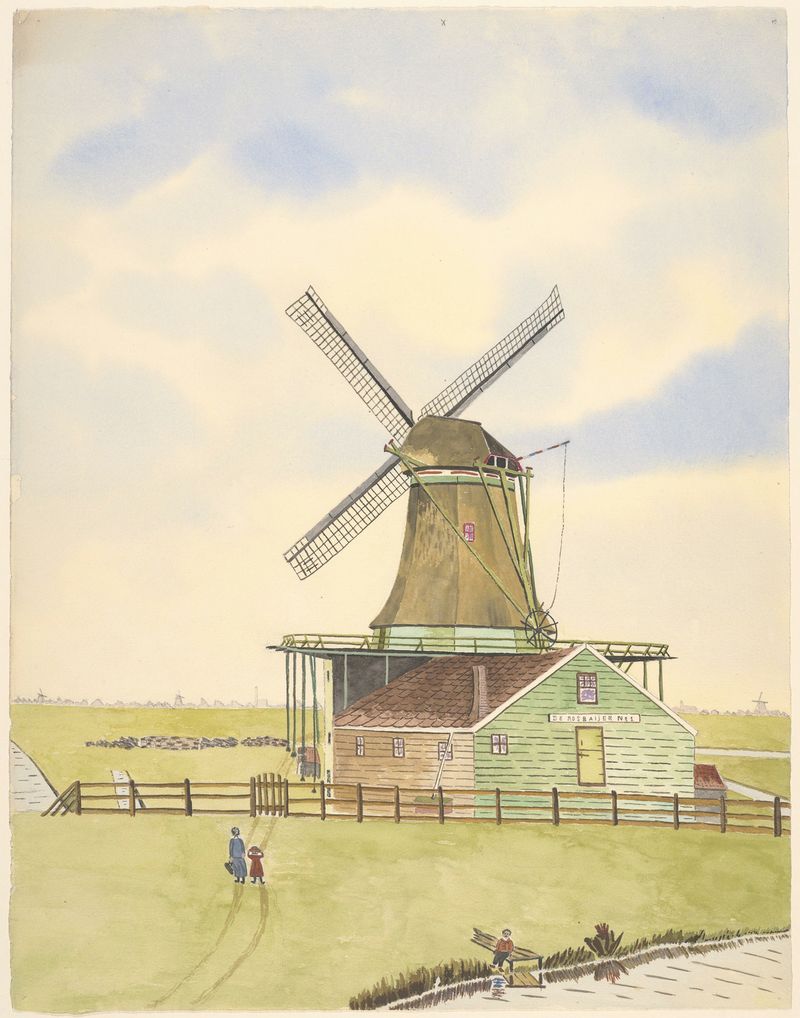
molens; pelmolen De Rosbaaijer, Oostzijderveld
Johannes Nicolaas Eijman





