
molens; oliemolen Het Oude-Honingvat, Oostzijderveld — History & Facts
Can paint confess what words never could? In the delicate strokes and gentle hues of this piece, the essence of fragility whispers through the canvas, inviting us to contemplate the transient beauty of life. Look to the center of the painting, where the windmill stands tall amidst a serene landscape. Notice how the artist captures the interplay of light and shadow, the soft glow of sunset enveloping the structure in warmth. The palette, dominated by muted earth tones, evokes a sense of nostalgia, while the brushwork radiates a quiet confidence.
The windmill's blades, caught in a moment of stillness, represent both the passage of time and the enduring presence of nature in a human-dominated world. Deeper insights emerge as one examines the foreground, where small details hold significant weight. The grasses swaying gently in the breeze suggest a fleeting moment, fragile and ephemeral. Meanwhile, the juxtaposition of the windmill's sturdy form against the soft, undulating landscape conveys an emotional tension between strength and vulnerability.
In this portrayal, we are reminded of the delicate balance between human ingenuity and the natural world, and how easily that balance can tip. During the late 1930s, while crafting this work, the artist found himself immersed in the rising tides of modernism, yet he clung to a palette that celebrated the familiar landscapes of his homeland. Living in the Netherlands, he sought to capture the essence of rural life during a time of change, when industrialization was on the horizon. The painting reflects both a personal and cultural yearning for connection with nature amid the encroachments of modernity.
More Artworks by Johannes Nicolaas Eijman
Browse all →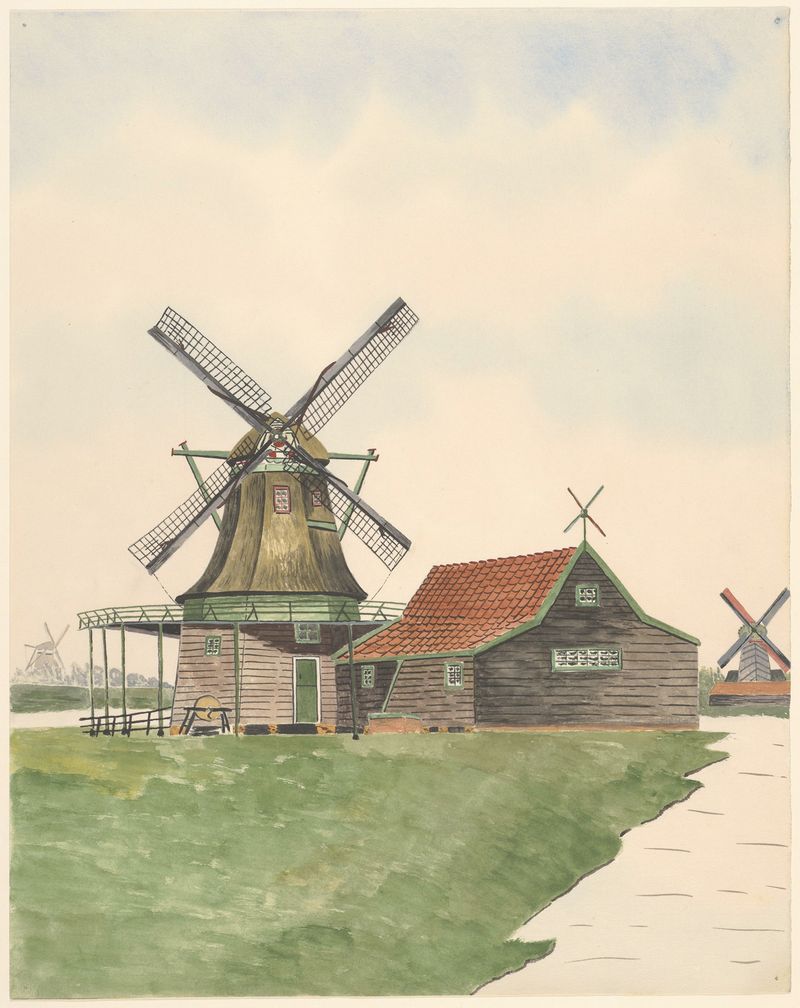
molens; oliemolen De Olievos, aan de Papenpadsloot, gesloopt 1878
Johannes Nicolaas Eijman
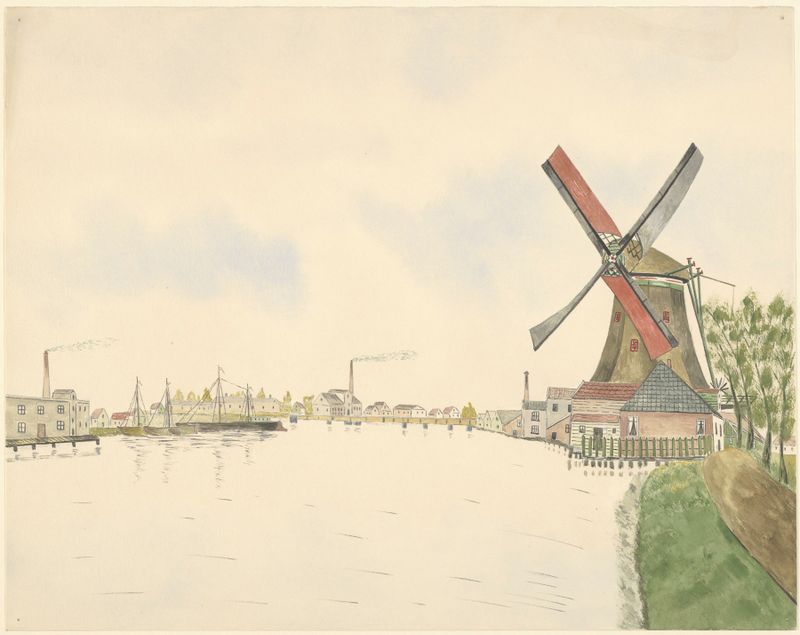
molens; meelmolen De Koker
Johannes Nicolaas Eijman

Papiermolen de Eendracht aan de westzijde van het Zaandammerpad, Wormer
Johannes Nicolaas Eijman
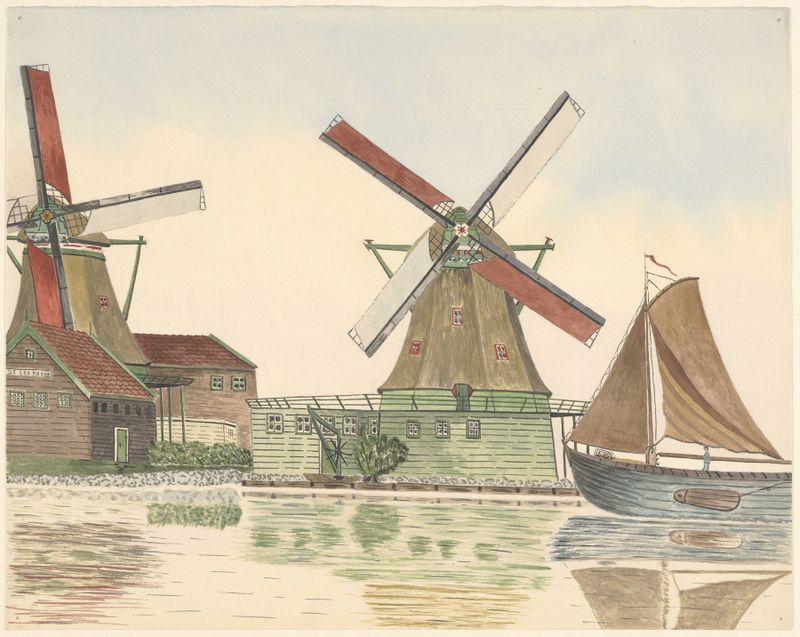
molens; oliemolen De Oude-Zwan, aan de Kalverpoel
Johannes Nicolaas Eijman
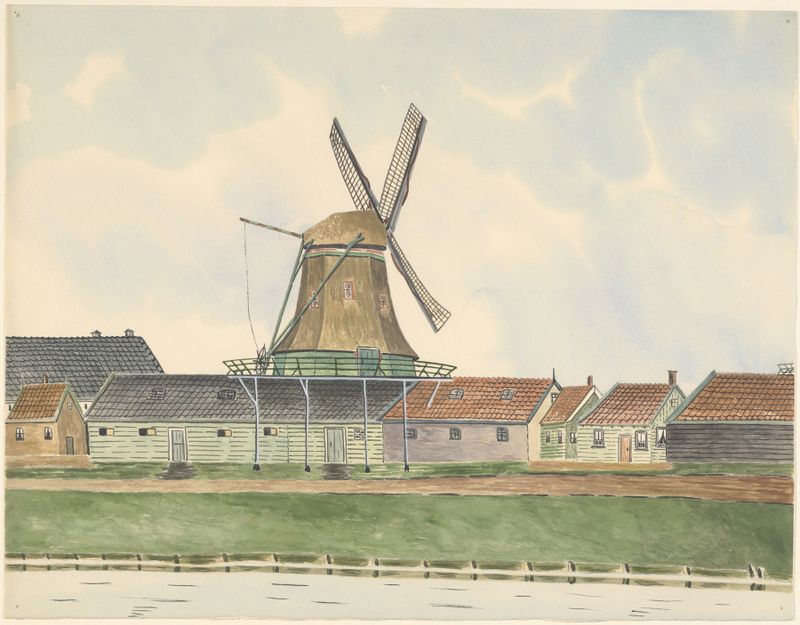
molen; oliemolen Het Witte-Paard aan het Zaandijkerwegje, 1893 gesloopt
Johannes Nicolaas Eijman

Op de voorgrond rechts doppenmolen De Prolpot aan de Hemmes, op de achtergrond links twee andere molens
Johannes Nicolaas Eijman
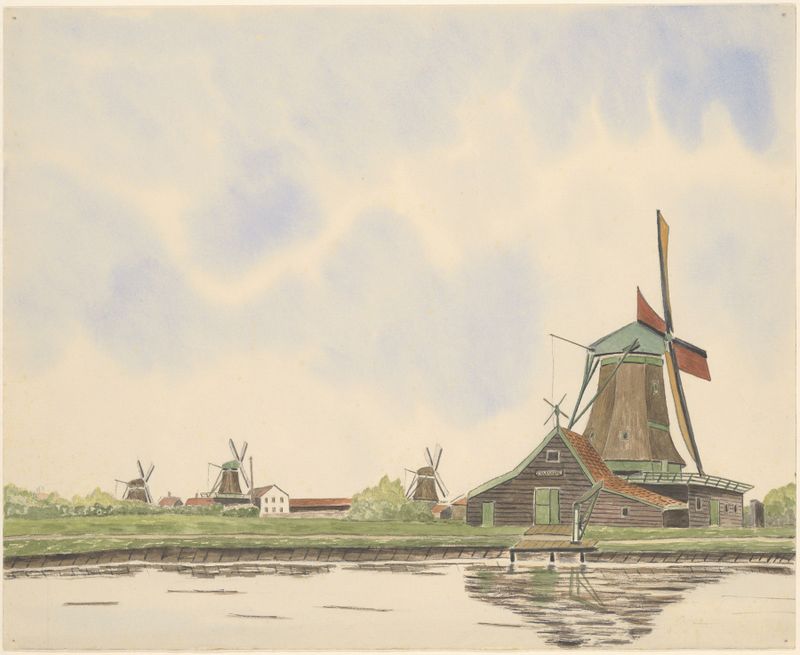
Oliemolen De Kerkuil aan de Zaan, met drie molens op de achtergrond. De Kerkuil stond binnendijks, tegenover de Wormerveerderkerk; afgebroken ca. 1892
Johannes Nicolaas Eijman
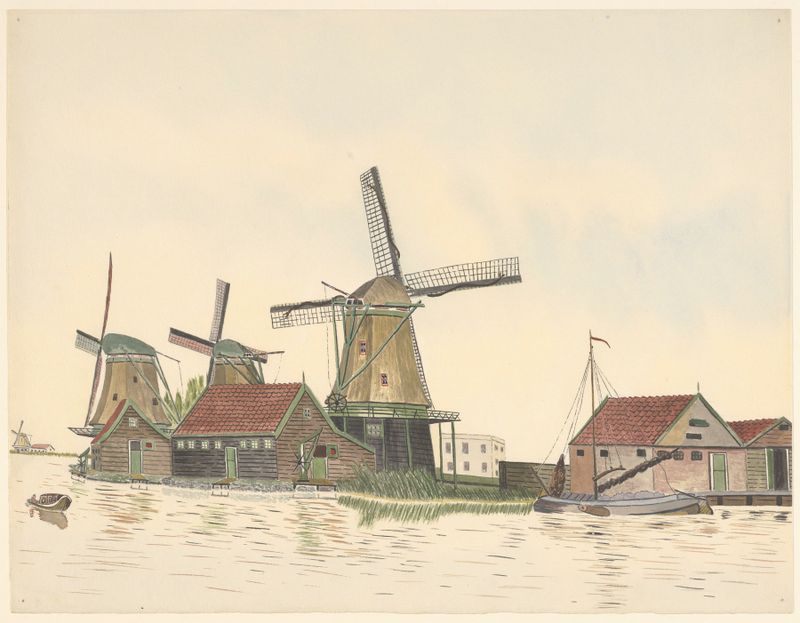
molens; De Ooievaar; De Windhond; De Gans, Kalverringdijk
Johannes Nicolaas Eijman
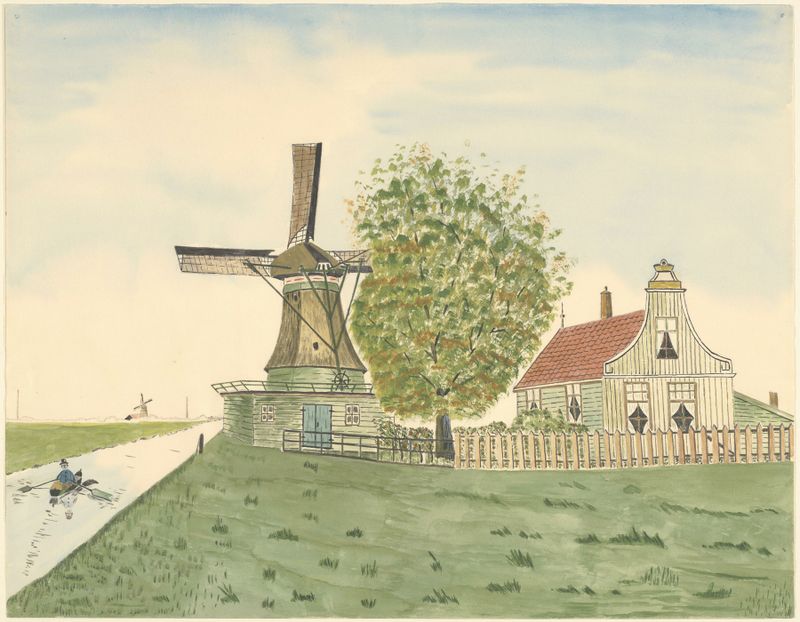
molens; houtzaagmolen De Haan
Johannes Nicolaas Eijman
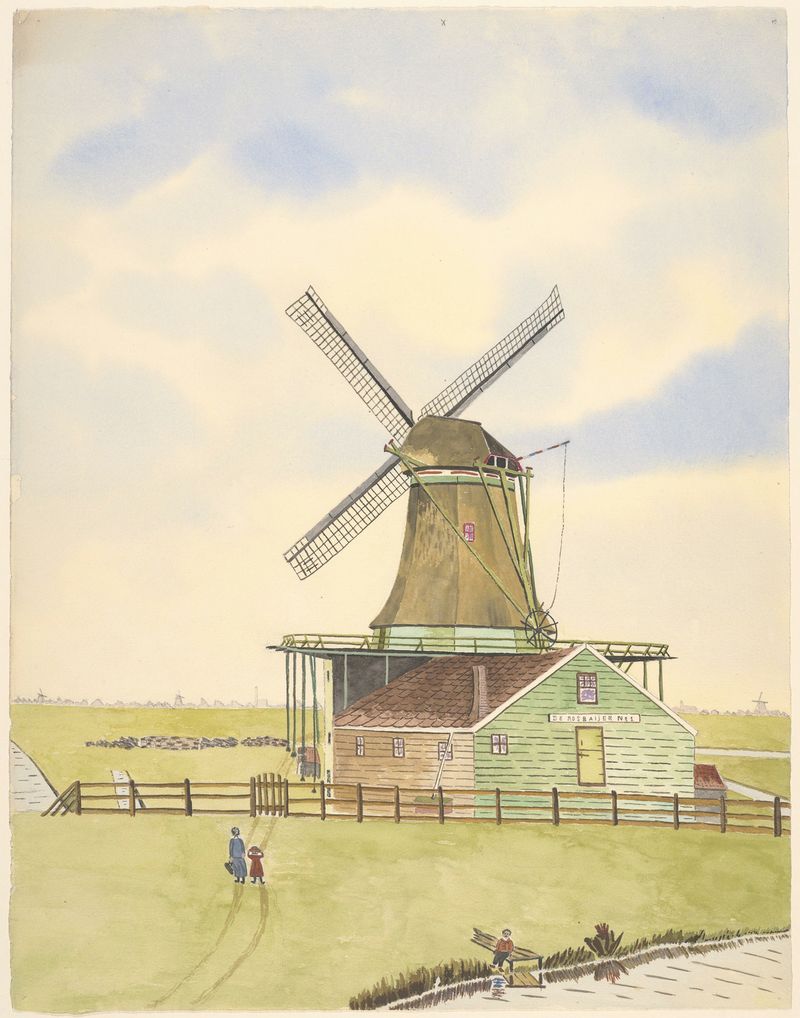
molens; pelmolen De Rosbaaijer, Oostzijderveld
Johannes Nicolaas Eijman





