
molens; oliemolen De Olievos, aan de Papenpadsloot, gesloopt 1878 — History & Facts
Can paint confess what words never could? In the delicate strokes and muted tones of this piece lies a profound dialogue between memory and the passage of time. The balance of elements invites the viewer to explore the interplay of existence and oblivion, each brushstroke whispering tales that echo in the silence of what remains unseen. Focus first on the sweeping horizon, where the canvas meets the sky. The soft blues and grays meld together, evoking a sense of tranquility that contrasts sharply with the stark outlines of the oil mill.
The artist’s meticulous attention to detail draws the eye to the crumbling structure, revealing the textures of decay and the passage of time. Notice how the shadows dance along the water's surface, reflecting the remnants of a bygone era, as if the very essence of the mill is caught in a moment of reflection. Deeper still, the painting resonates with themes of loss and resilience. The oil mill, once a thriving hub of activity, now stands as a silent witness to change, embodying the tension between progress and preservation.
The gentle ripples in the water suggest an ongoing narrative, hinting at the life that once surrounded it while evoking a sense of nostalgia for the fleeting nature of existence. Each element balances meticulously, inviting contemplation on what remains and what is irrevocably lost. During the late 1930s, Johannes Nicolaas Eijman created this work amidst a rapidly changing world. Living in the Netherlands, he was influenced by the rise of modernism while reflecting on the historical significance of the landscapes around him.
This period marked a resurgence of interest in capturing local heritage, as many artists sought to preserve the essence of their environment before it was transformed forever.
More Artworks by Johannes Nicolaas Eijman
Browse all →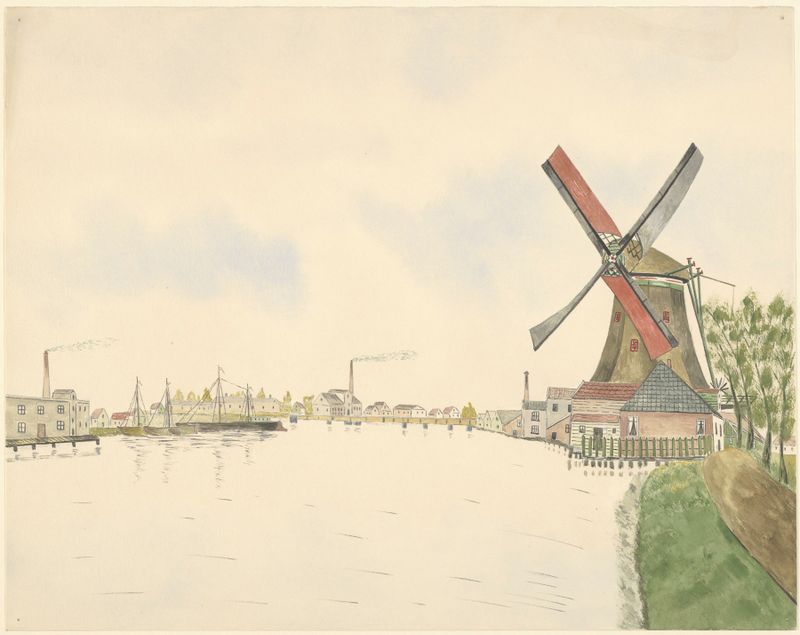
molens; meelmolen De Koker
Johannes Nicolaas Eijman

Papiermolen de Eendracht aan de westzijde van het Zaandammerpad, Wormer
Johannes Nicolaas Eijman
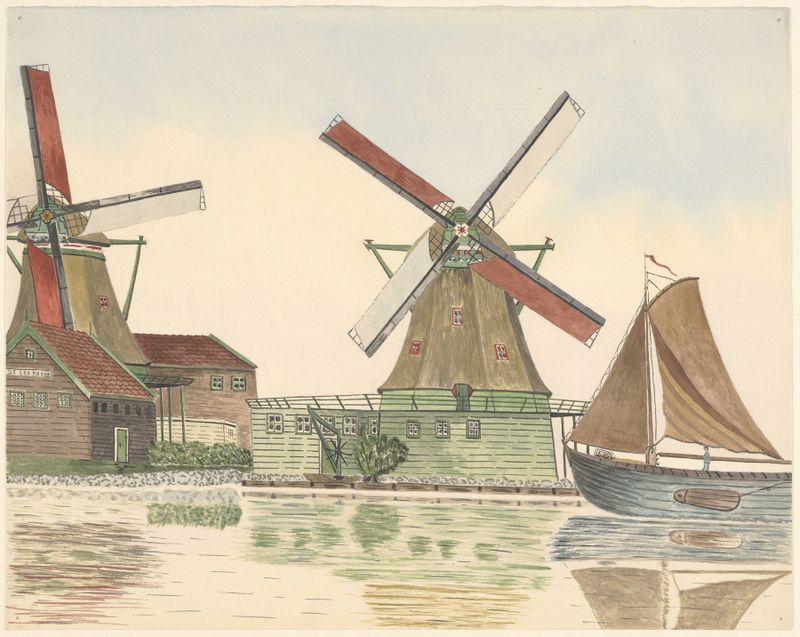
molens; oliemolen De Oude-Zwan, aan de Kalverpoel
Johannes Nicolaas Eijman
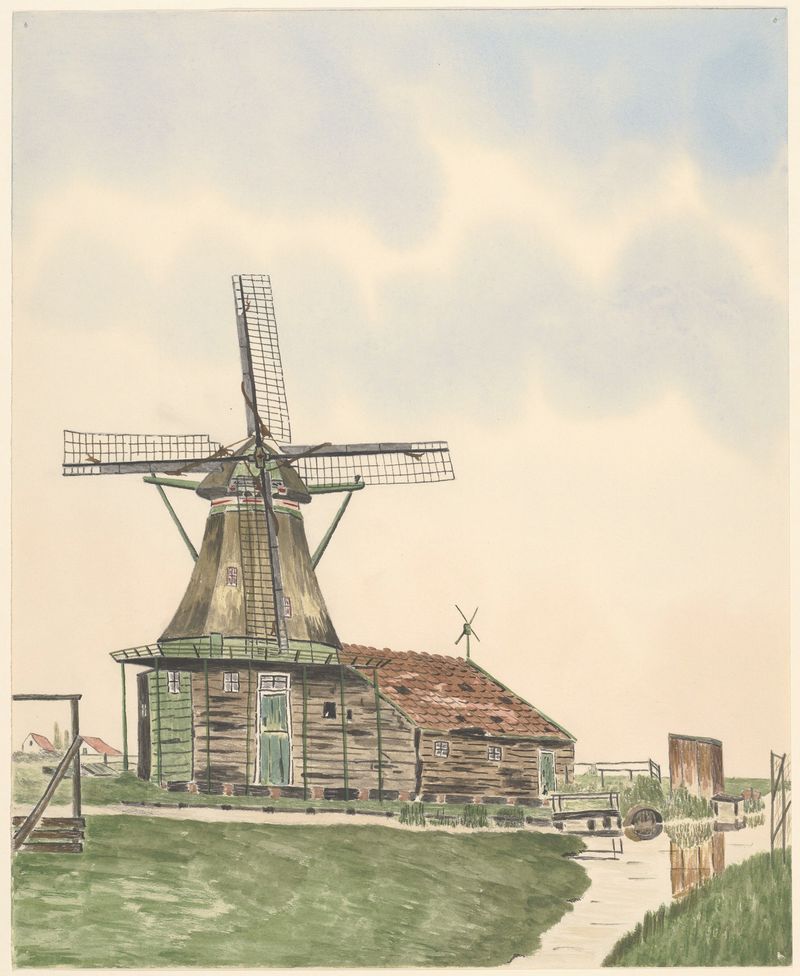
molens; oliemolen Het Oude-Honingvat, Oostzijderveld
Johannes Nicolaas Eijman
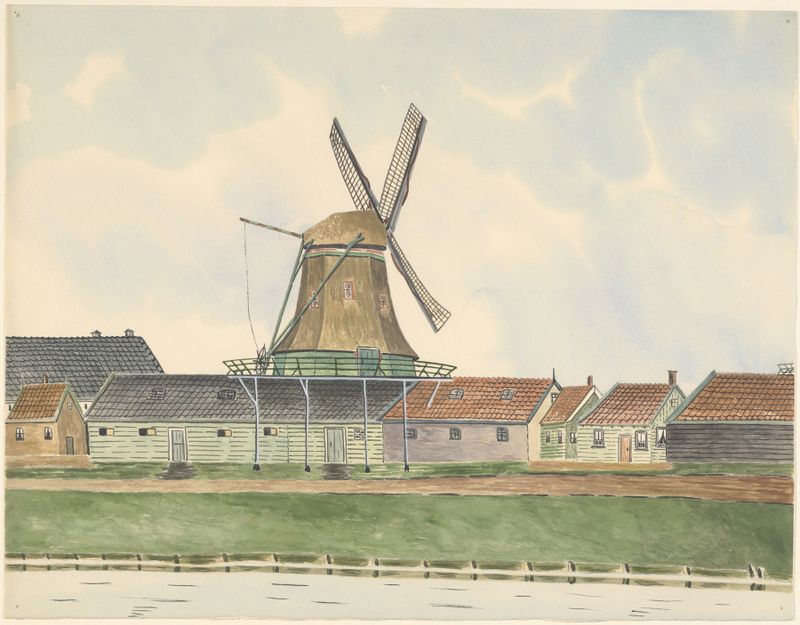
molen; oliemolen Het Witte-Paard aan het Zaandijkerwegje, 1893 gesloopt
Johannes Nicolaas Eijman

Op de voorgrond rechts doppenmolen De Prolpot aan de Hemmes, op de achtergrond links twee andere molens
Johannes Nicolaas Eijman
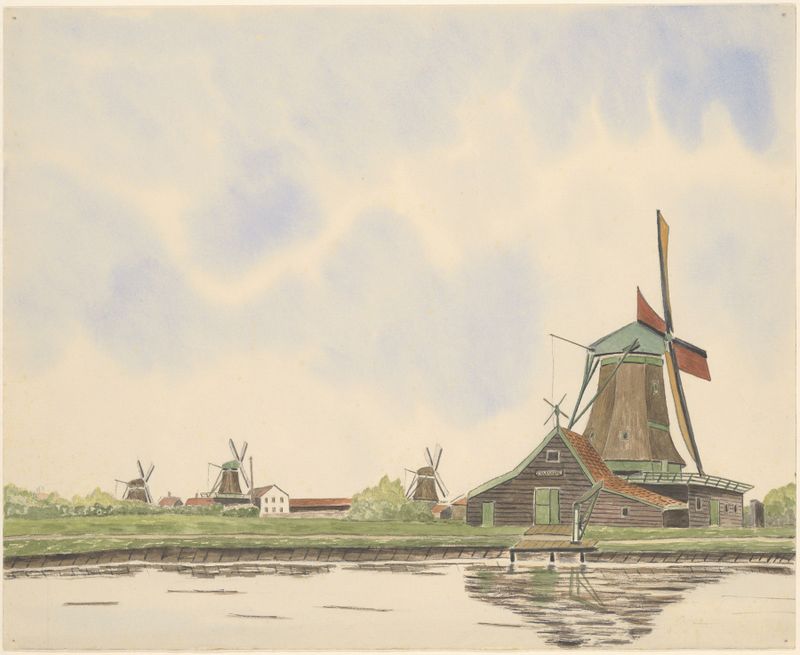
Oliemolen De Kerkuil aan de Zaan, met drie molens op de achtergrond. De Kerkuil stond binnendijks, tegenover de Wormerveerderkerk; afgebroken ca. 1892
Johannes Nicolaas Eijman
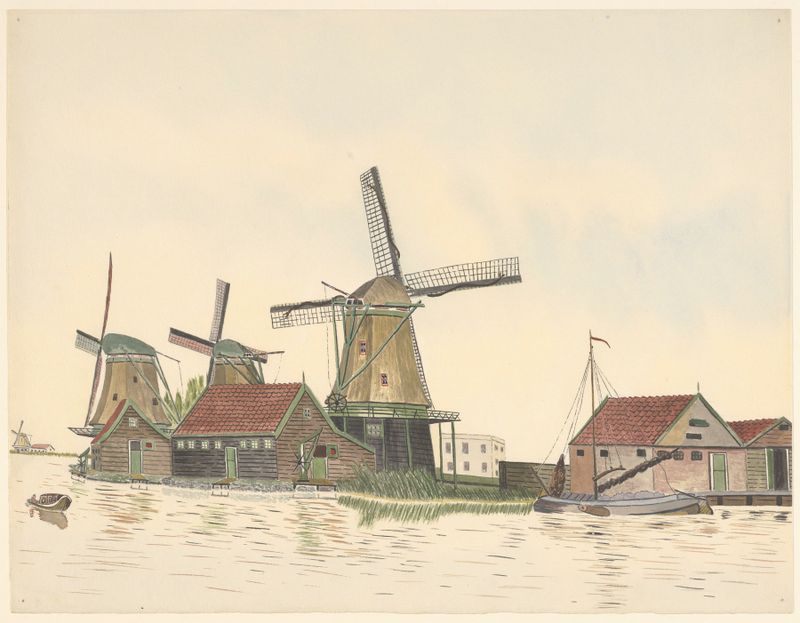
molens; De Ooievaar; De Windhond; De Gans, Kalverringdijk
Johannes Nicolaas Eijman
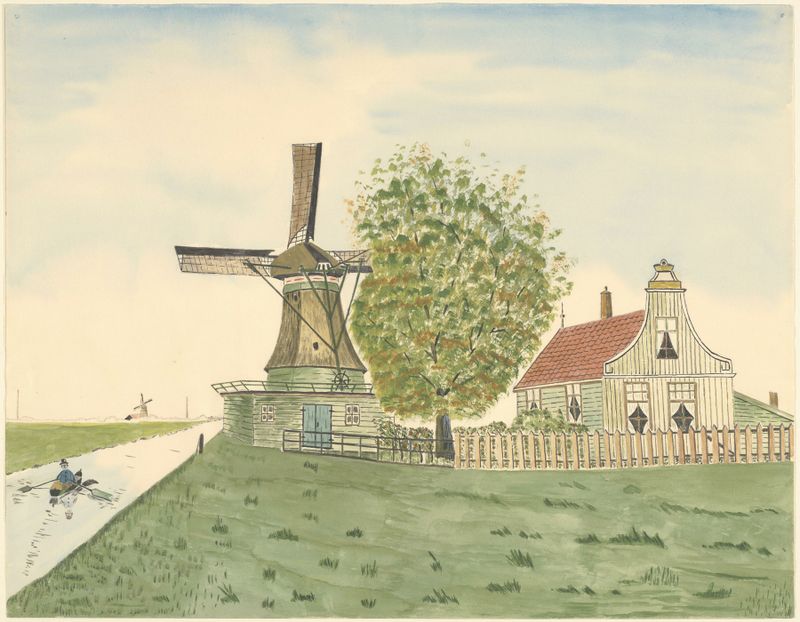
molens; houtzaagmolen De Haan
Johannes Nicolaas Eijman
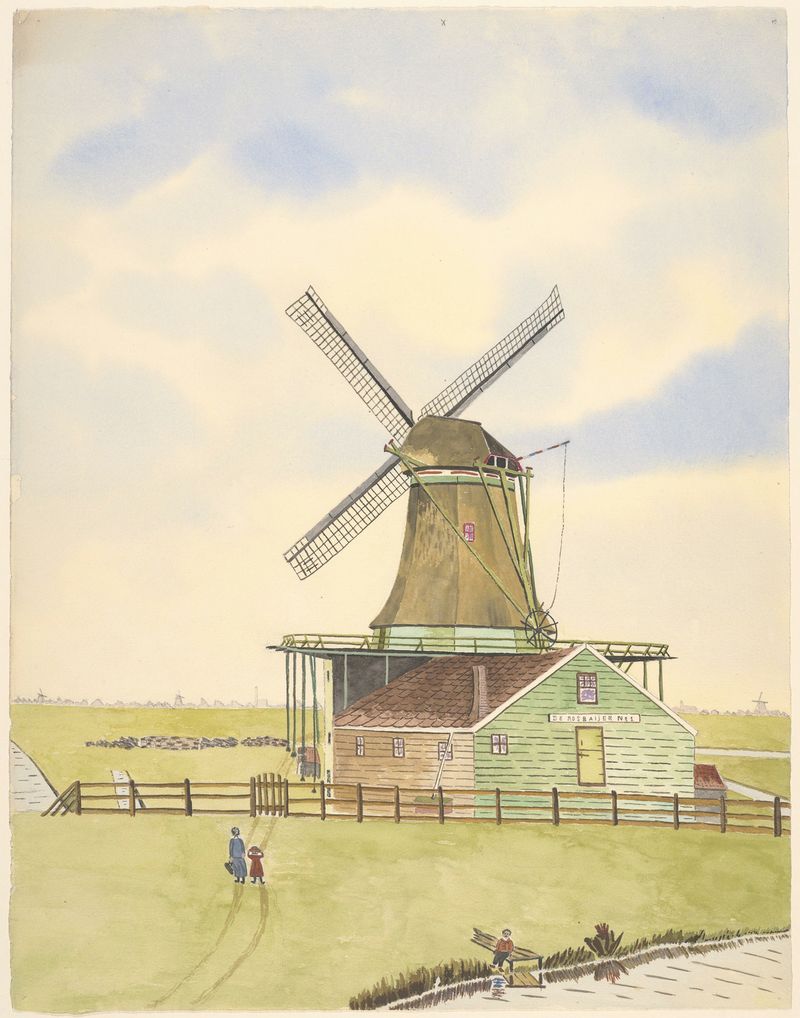
molens; pelmolen De Rosbaaijer, Oostzijderveld
Johannes Nicolaas Eijman





