
Cemetery in Vowchick — History & Facts
This sentiment reverberates through the stillness of a cemetery, where nature and memory intertwine, whispering secrets of those who once breathed life into its now silent grounds. Look closely at the lower left corner; there, the muted browns and earthy hues of fallen leaves cradle the grave markers, grounding the viewer in a tender embrace of mortality. The vibrant greens climbing up the stone walls contrast sharply with the desaturated palette, evoking a sense of life persisting through decay. Notice how light filters through the upper branches, casting dappled patterns that seem to dance across the scene, reflecting the struggle between vibrancy and the inevitable hush of death. Amidst this juxtaposition lies a deeper tension, one that speaks to the passage of time.
The gravestones, weathered and stoic, stand as witnesses to forgotten stories, while the lush foliage illustrates the resilience of nature that continues unabated. Each stroke of paint captures the fragility of existence, reminding us that beauty coexists with loss. In this delicate balance, a profound truth emerges — that life and death are inseparable companions on the journey of existence. In the years 1916 to 1919, during the tumult of World War I, Leon Wyczółkowski painted this piece while in Poland, a country grappling with its own identity amidst conflict.
The war’s shadow loomed large, and as he confronted themes of mortality and nature, the artist reflected a society seeking solace in the eternal, even amidst chaos. This work encapsulates a moment of quiet contemplation in a world at war, merging personal and collective grief into a poignant visual narrative.
More Artworks by Leon Wyczółkowski
Browse all →
Las zimą
Leon Wyczółkowski
Saint Stanislaus
Leon Wyczółkowski
Amfiteatr w Łazienkach pod śniegiem (strona prawa)
Leon Wyczółkowski
Sea at Połąga IV
Leon Wyczółkowski
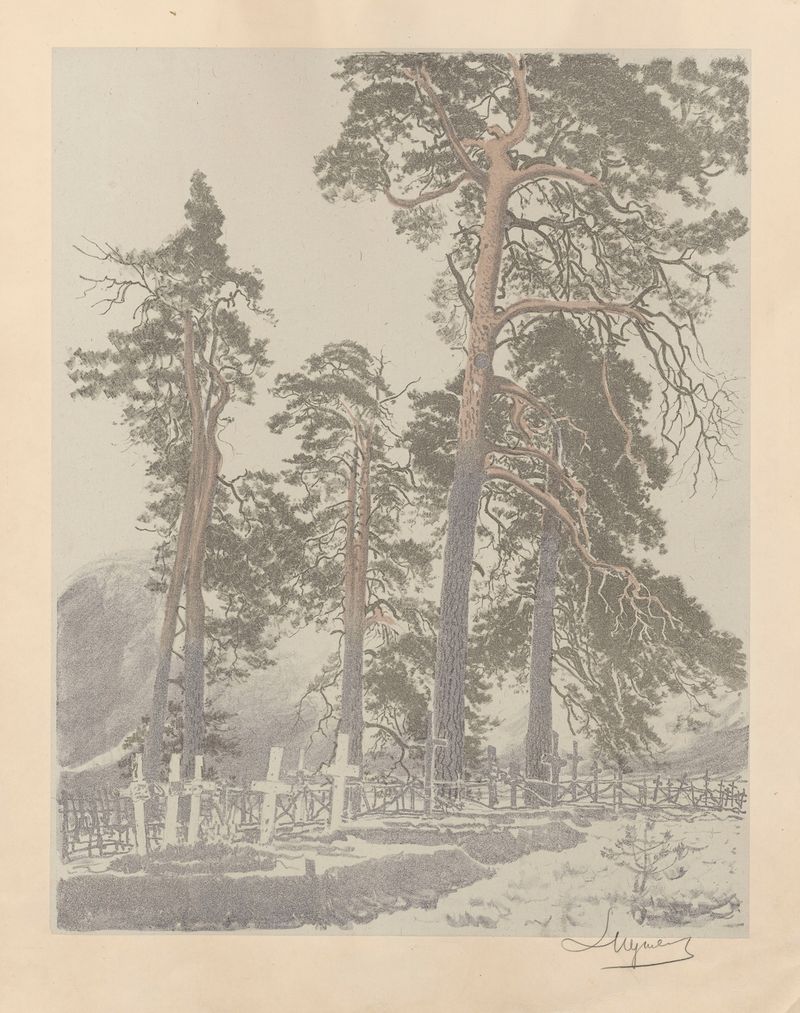
Cemetery in Vowchick
Leon Wyczółkowski
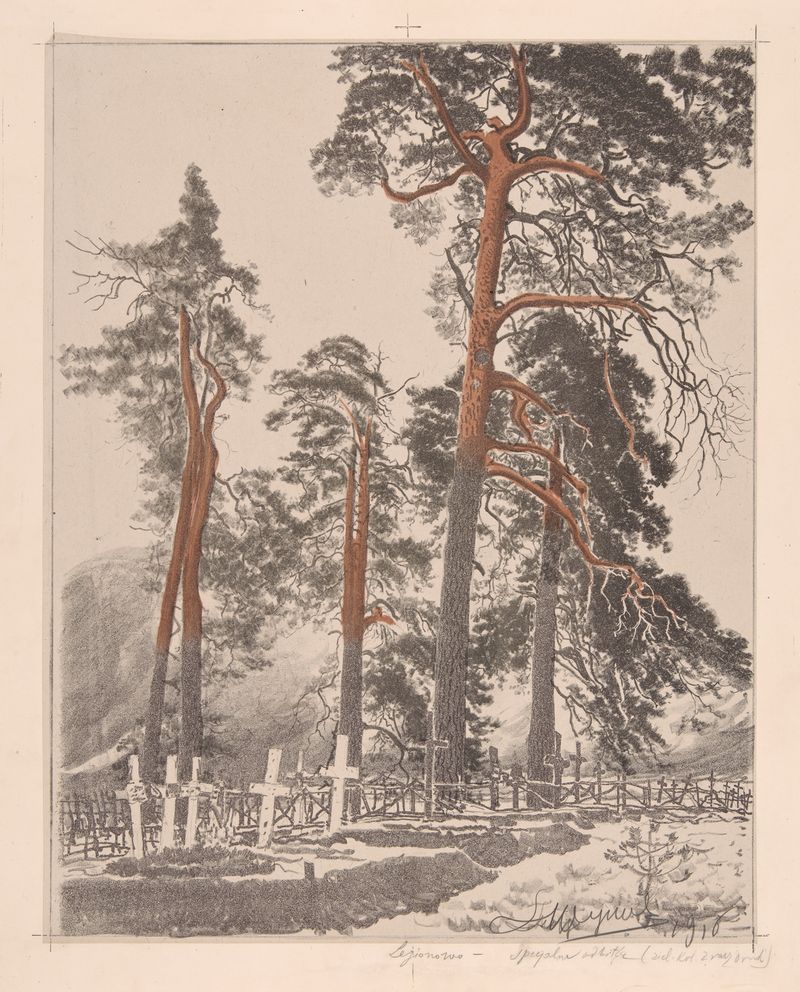
The Wołczecko cemetery
Leon Wyczółkowski
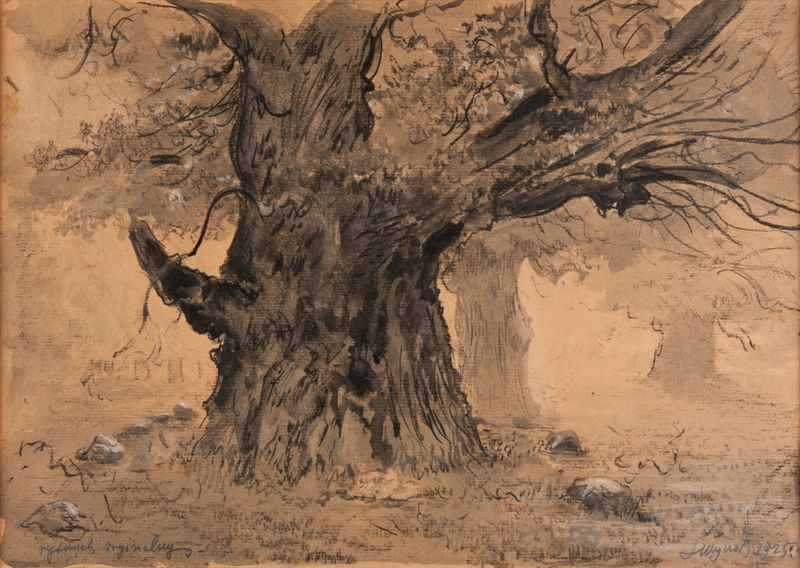
Rogalin Oaks
Leon Wyczółkowski
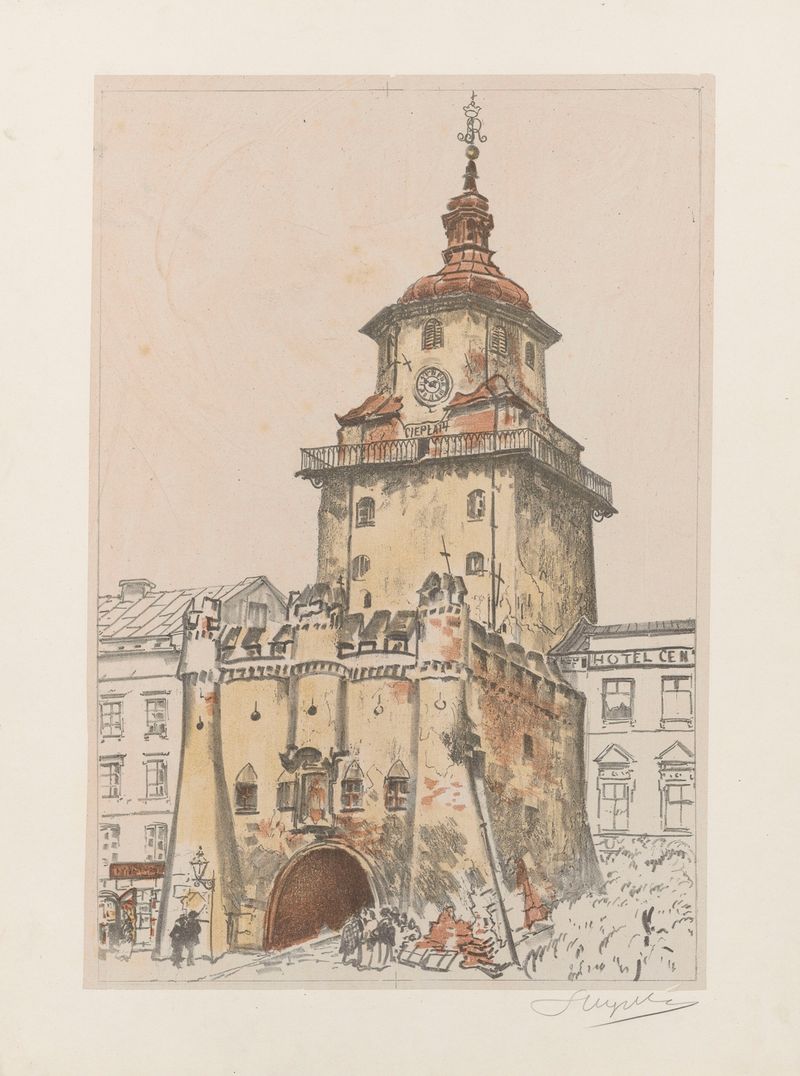
The Krakow Gate in Lublin, in summer
Leon Wyczółkowski
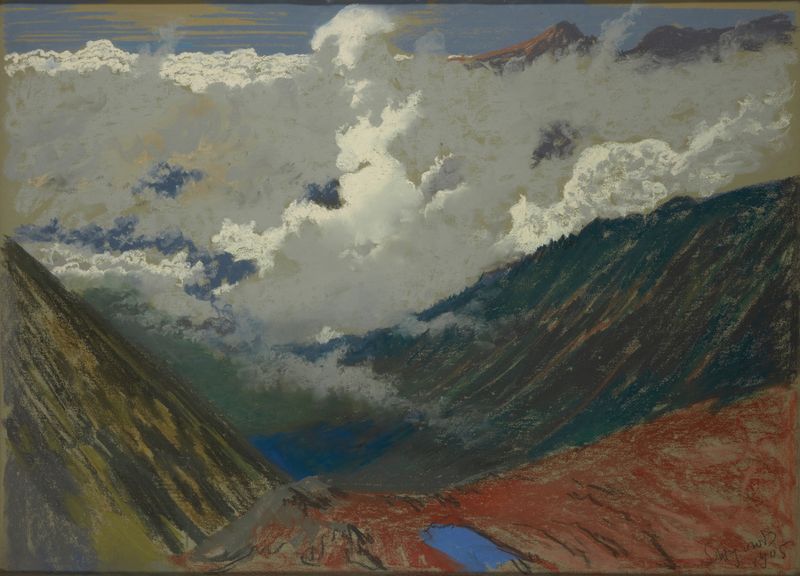
U Wrót Chałubińskiego
Leon Wyczółkowski
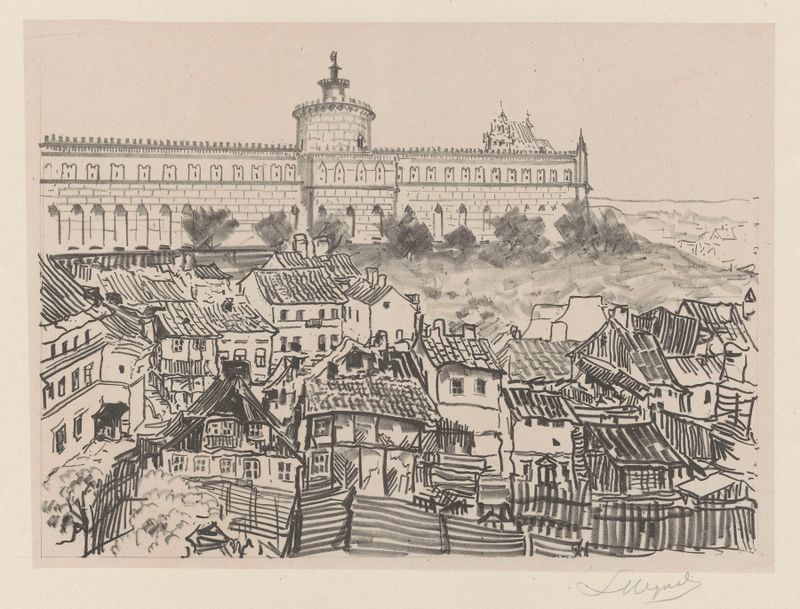
Castle and the Jewish quarter
Leon Wyczółkowski





