
Cemetery Live Oak — History & Facts
Can beauty exist without sorrow? In Cemetery Live Oak, the shadows cast by a monumental oak whisper secrets of loss and remembrance, an interplay of light and dark that invites contemplation. Focus on the majestic trunk dominating the foreground, its gnarled branches stretching outward, creating a canopy of intricate shadows that dance upon the ground. Notice how the muted greens and browns speak to the richness of life, while patches of soft light showcase the terrain's texture. Haskell's careful brushwork captures not just the physicality of the tree but the profound stillness that fills the cemetery, transforming nature into a spiritual monument. The oak stands as a sentinel, embodying the duality of existence—its grandeur juxtaposed against the silence of the gravestones it watches over.
Each shadow seems to cradle the memories held within the earth, evoking a poignant sense of nostalgia. The tension between light and darkness becomes a metaphor for the human experience, highlighting how beauty often coexists with grief and the passage of time. Here, the tree serves as a link between life and death, its presence a reminder of the cycles we all endure. Created in 1916, this work emerged during a period of personal struggle for the artist, who had recently faced the loss of loved ones.
Haskell painted during a time when American art was beginning to embrace modernism, yet he remained rooted in the transcendental qualities of nature. His exploration of themes of mortality and memory in Cemetery Live Oak reflects both his personal history and a broader cultural introspection, making it a significant piece in the narrative of early 20th-century American art.
More Artworks by Ernest Haskell
Browse all →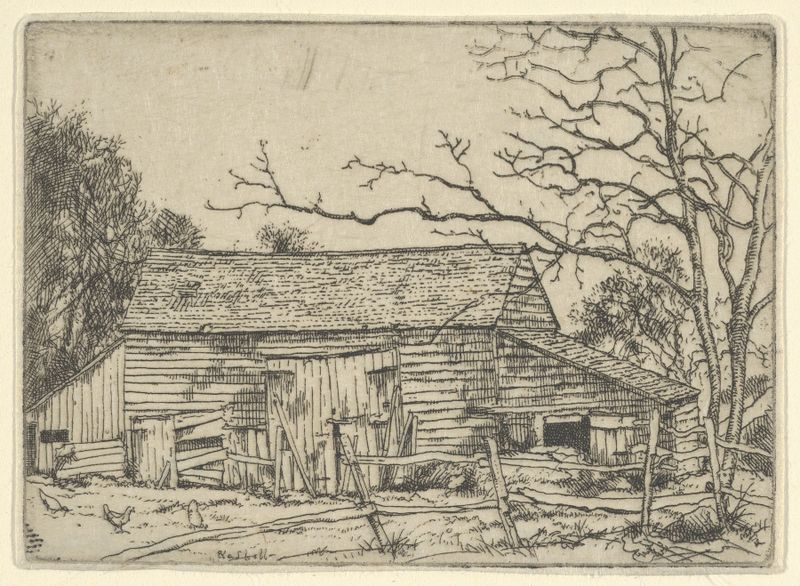
The Barn–Staten Island, N.Y.
Ernest Haskell

Four Live Oaks
Ernest Haskell
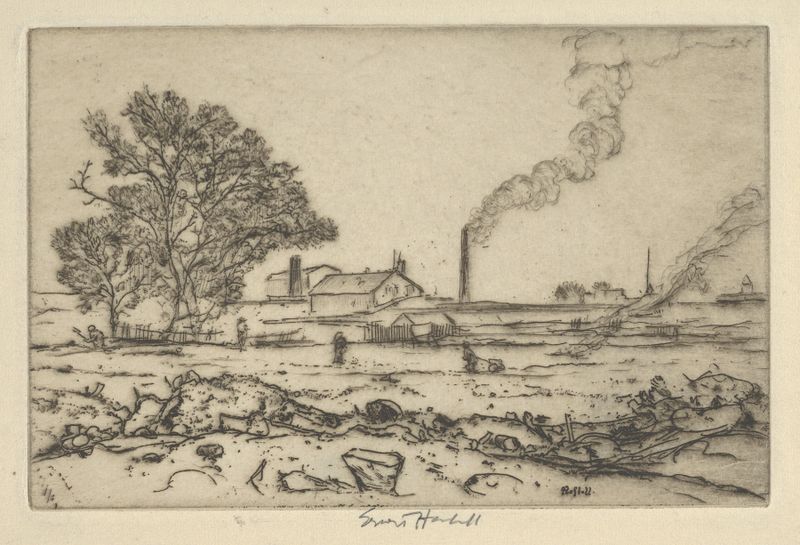
Outskirts of Boston
Ernest Haskell
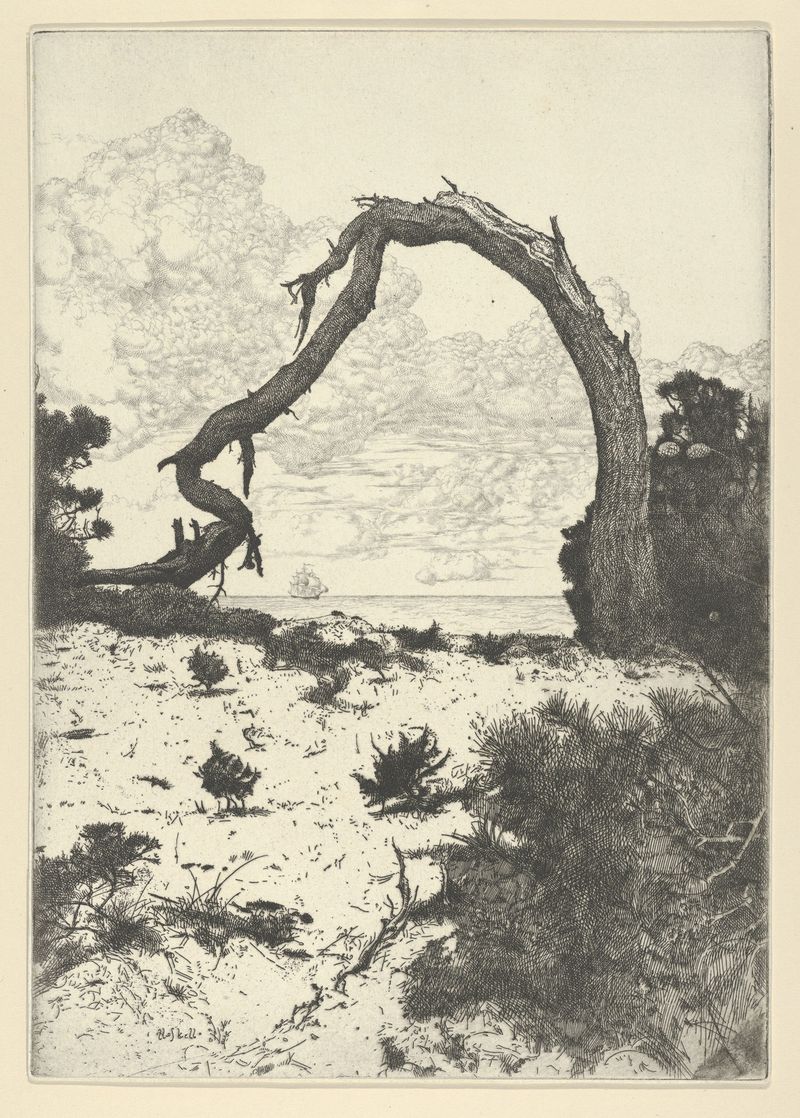
Pine Arch
Ernest Haskell

General Sherman
Ernest Haskell
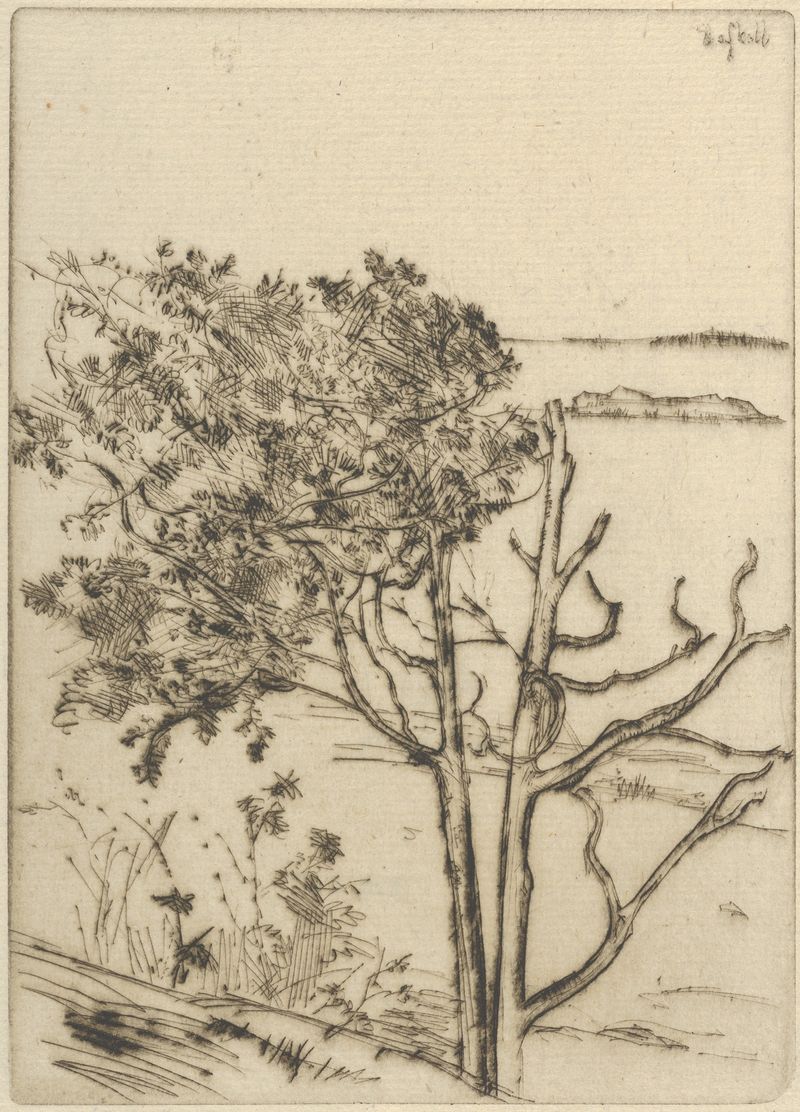
Ragged Tree – Maine
Ernest Haskell

Tide Mill
Ernest Haskell

Ship Building
Ernest Haskell
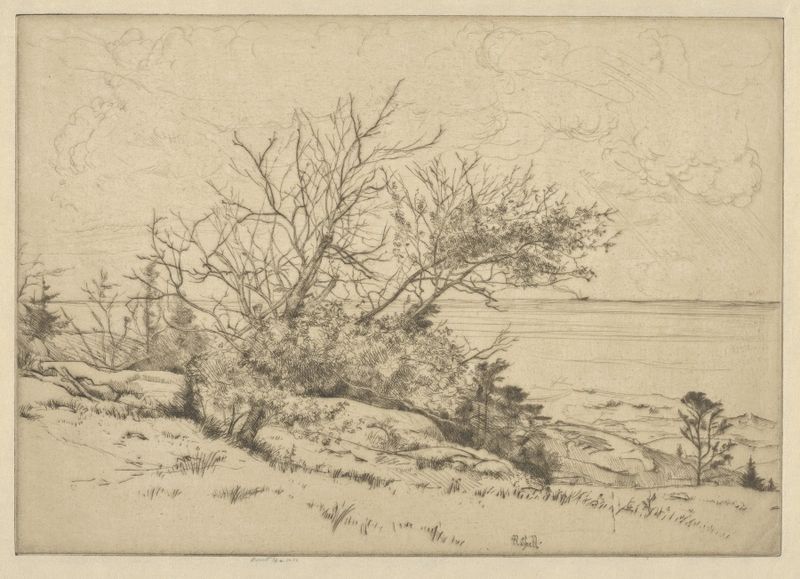
To the Southward – Ragged Island, Me.
Ernest Haskell
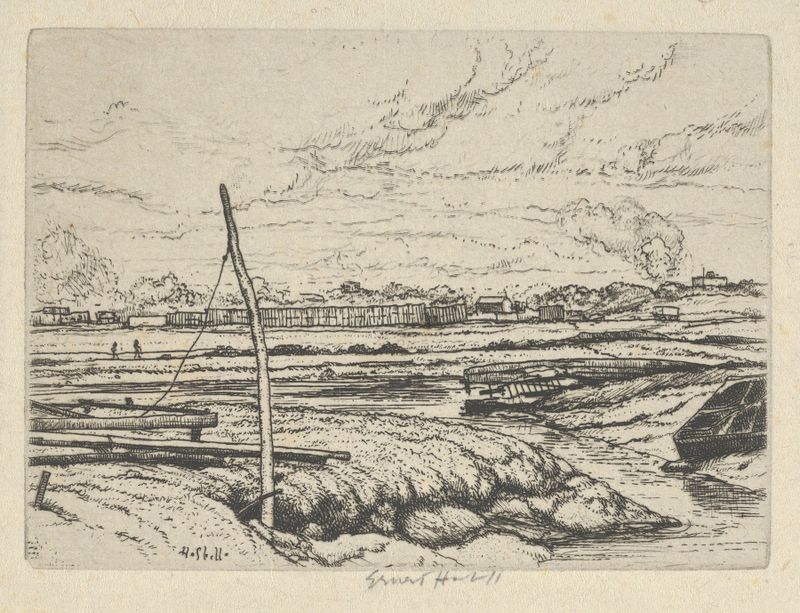
Long Island Marshes
Ernest Haskell





