
Chack by a Frozen Lake. — History & Facts
What first draws the eye in Chack by a Frozen Lake is the hush of winter morning, where smoke curls faintly from the chimney of a thatched cottage, and the world seems paused at the edge of the ice. The painter, August Piepenhagen, leads us gently from the snow-laden roof down to the shoreline, where a boat rests in uneasy truce with the frozen water. The figures—small, bundled, purposeful—gather at the lake’s edge, their presence a quiet counterpoint to the vast, encroaching stillness.
The light, soft and diffused, catches on the frosted branches and the icy surface, lending the scene a muted clarity that invites careful looking. Works like this belong to the tradition of 19th-century Central European landscape painting, a genre that flourished as cities grew and the countryside became both a memory and a symbol. Artists such as Piepenhagen found patrons among the new middle class, who hung such scenes in parlors as reminders of rural roots or as windows onto a quieter, older world. The date and medium of this particular painting remain uncertain, and history has kept few traces of its journey before it was documented in a private collection by Juan de Vojníkov in 2010.
Yet the painting’s careful attention to the textures of snow, wood, and water speaks to a moment when landscape was both a record and a reverie—one that still rewards a lingering gaze.
More Artworks by August Piepenhagen

Returning Home Before the Storm in a Mountain Landscape
August Piepenhagen
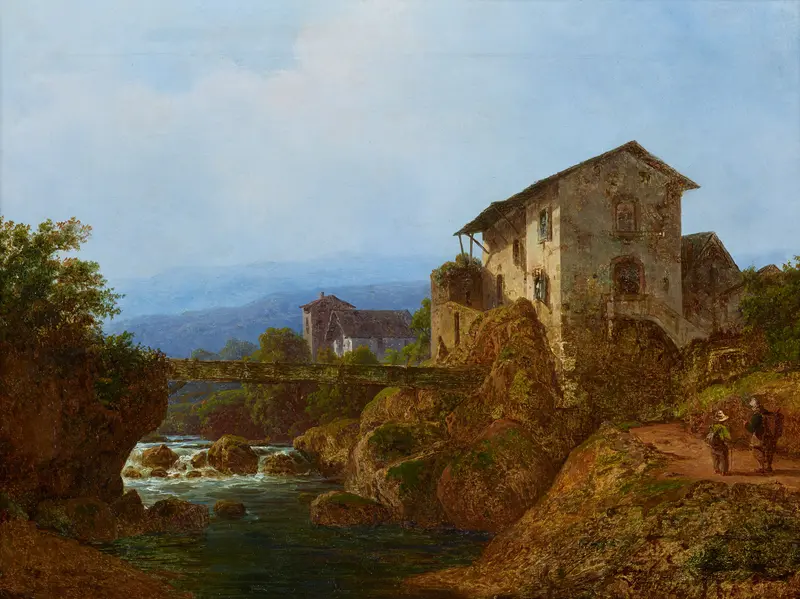
Alte Dorfbrücke
August Piepenhagen
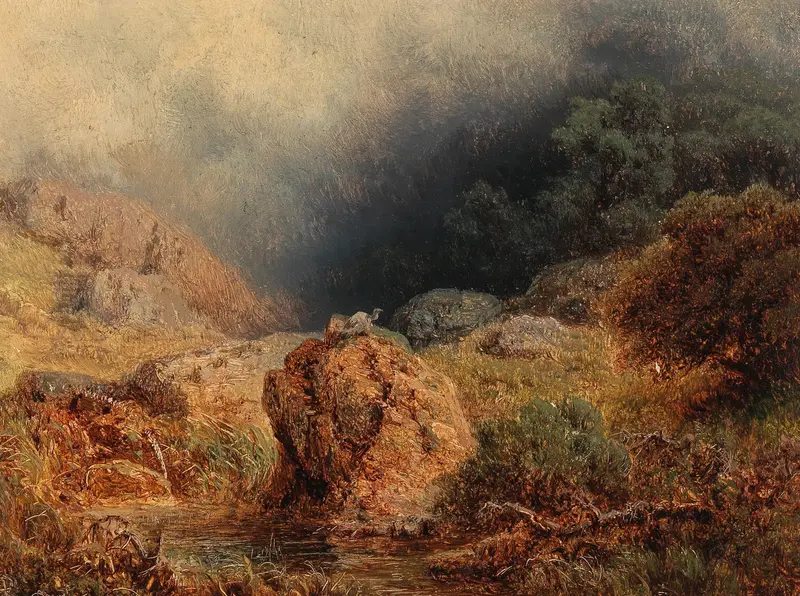
Nahendes Unwetter in den Bergen
August Piepenhagen
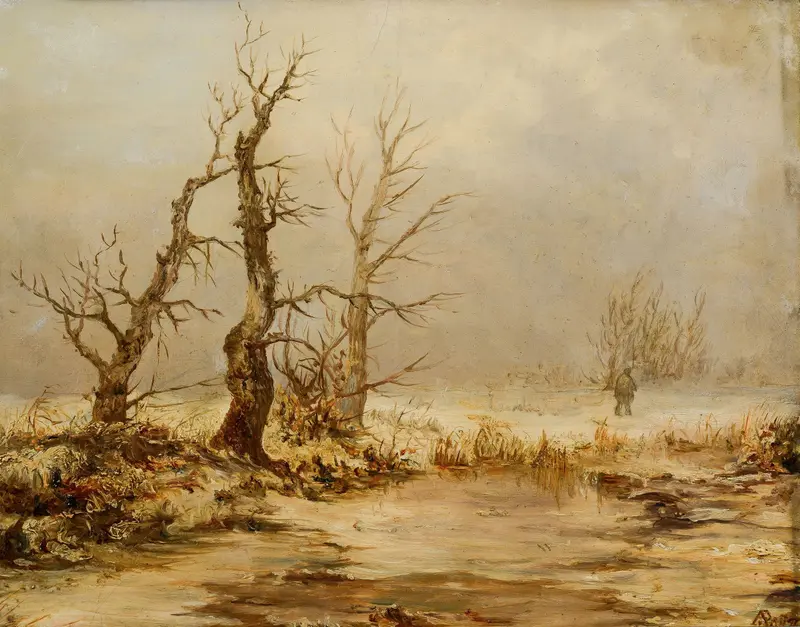
Wintry landscape
August Piepenhagen
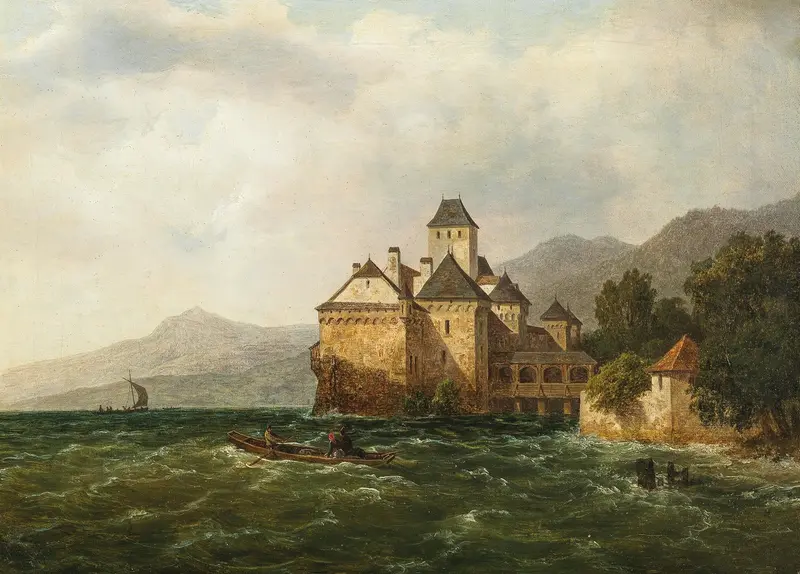
A View of Chillon Castle on Lake Geneva
August Piepenhagen
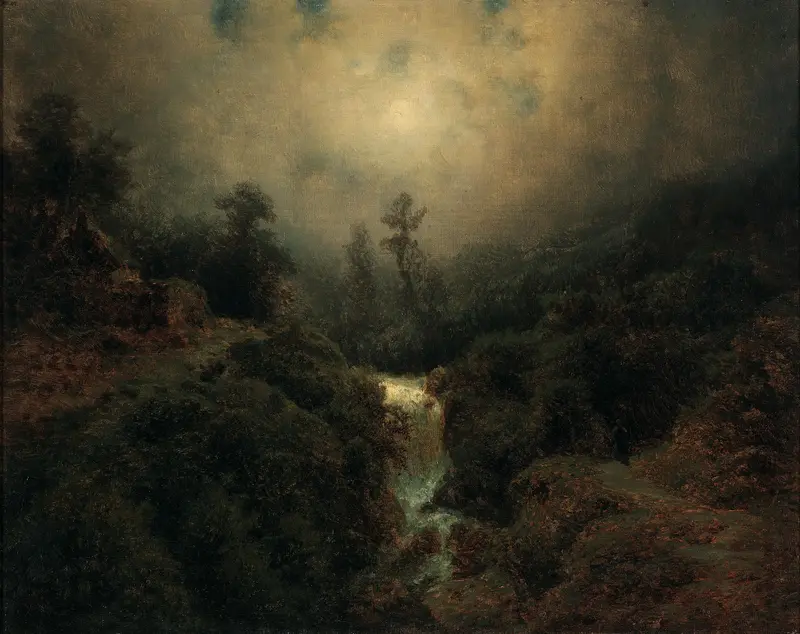
Romantische Mondlandschaft mit Wanderer
August Piepenhagen
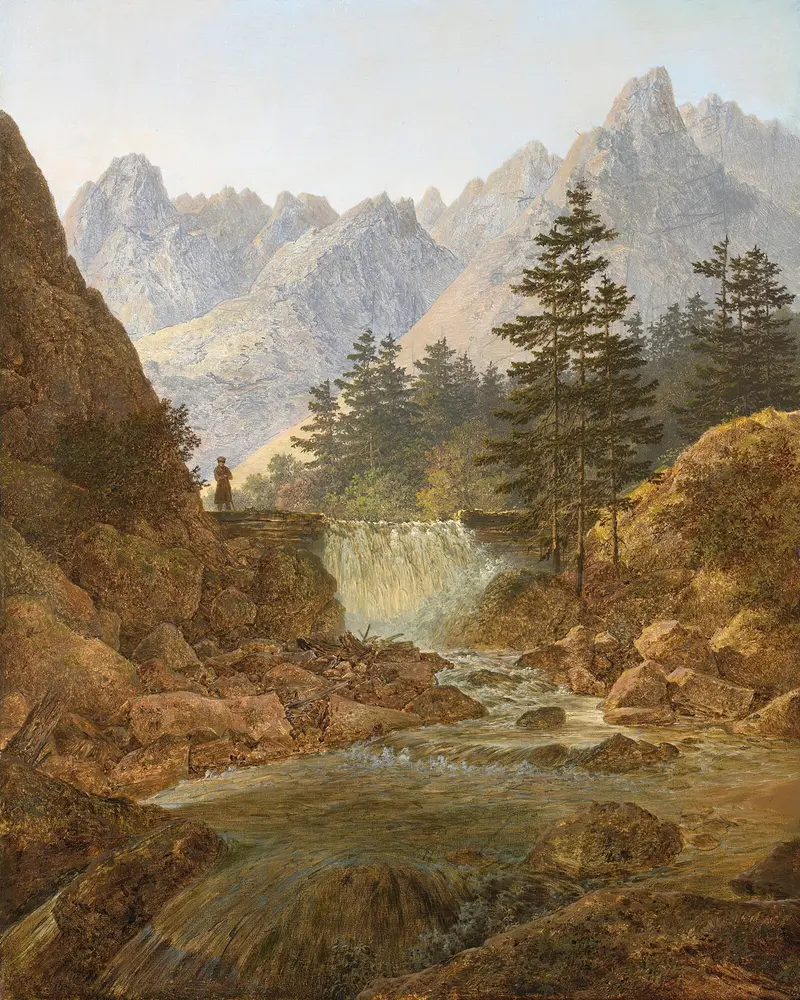
Gebirgslandschaft Mit Wanderer
August Piepenhagen
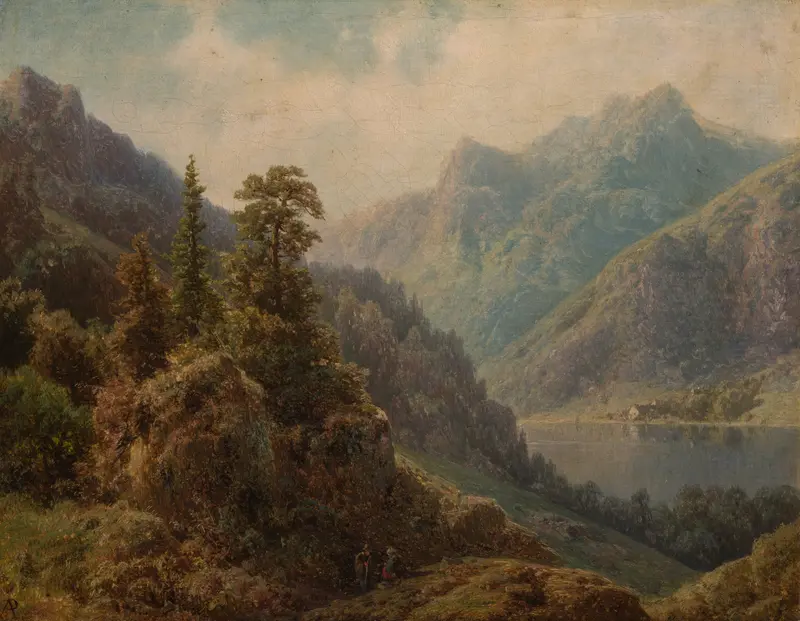
Lake in the Mountains
August Piepenhagen
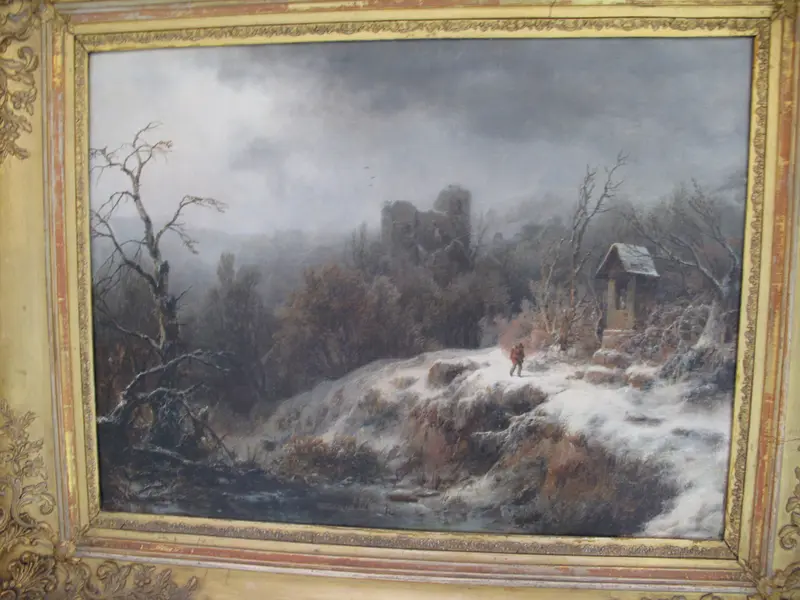
Winter Landscape with Ruins and a Chapel
August Piepenhagen
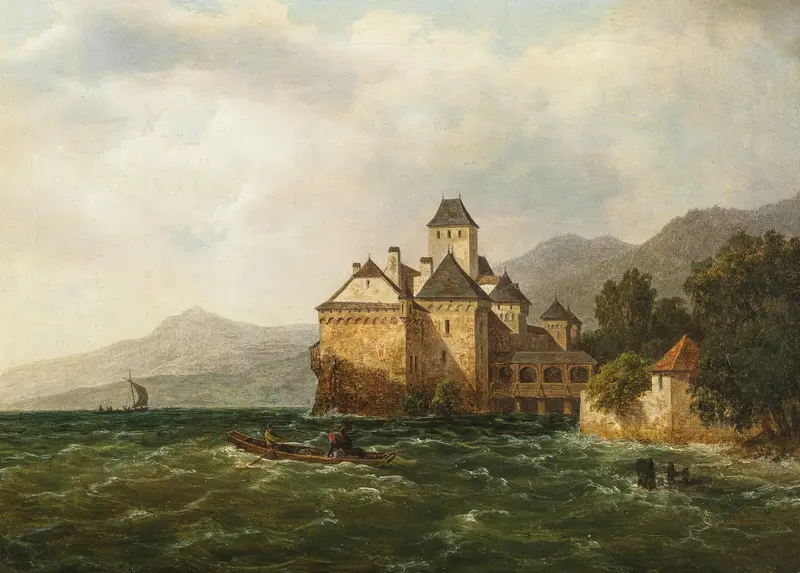
Schloss Chillon
August Piepenhagen
More Landscape Art

The Starry Night
Vincent van Gogh

View of Delft
Johannes Vermeer

Water Lilies
Claude Monet

The Grand Canal, Venice, looking north-west from the Ca' Corner to the Ca' Contarini degli Scrigni, with the campanile of Santa Maria della Carità
Canaletto

Windsor Castle
Canaletto

The Grand Canal looking North-East from the Palazzo Dolfin-Manin to the Rialto Bridge
Canaletto