
Chadwick's Dog — History & Facts
A tousled mop of fur and a pair of alert, questioning eyes draw you in—Chadwick’s Dog by Abbott Handerson Thayer is a portrait that invites both affection and curiosity. The small dog sits perched on a deep red cloth, its gaze directed just off to the side, as if waiting for a familiar voice or the promise of a treat. The artist captures not just the animal’s likeness, but its personality: the slightly cocked head, the wiry tufts of hair, and the subtle play of light across its face suggest a creature both dignified and endearing.
The background, softly mottled in muted blues, pushes the subject forward, making the dog’s presence the undeniable heart of the painting. Created around 1874, this work belongs to a period when animal portraiture was both a token of affection and a marker of social standing. In the late nineteenth century, such paintings often served as private mementos, commissioned by families to honor their beloved companions. Thayer, known later for his ethereal figures and camouflage studies, here turns his attention to the quiet intimacy of domestic life.
Now part of the Brooklyn Museum’s online collection, Chadwick’s Dog stands as a modest but touching reminder of a world where even the smallest members of the household could command a place of honor—and where a simple portrait could speak volumes about loyalty, memory, and the bonds we keep.
More Artworks by Abbott Handerson Thayer
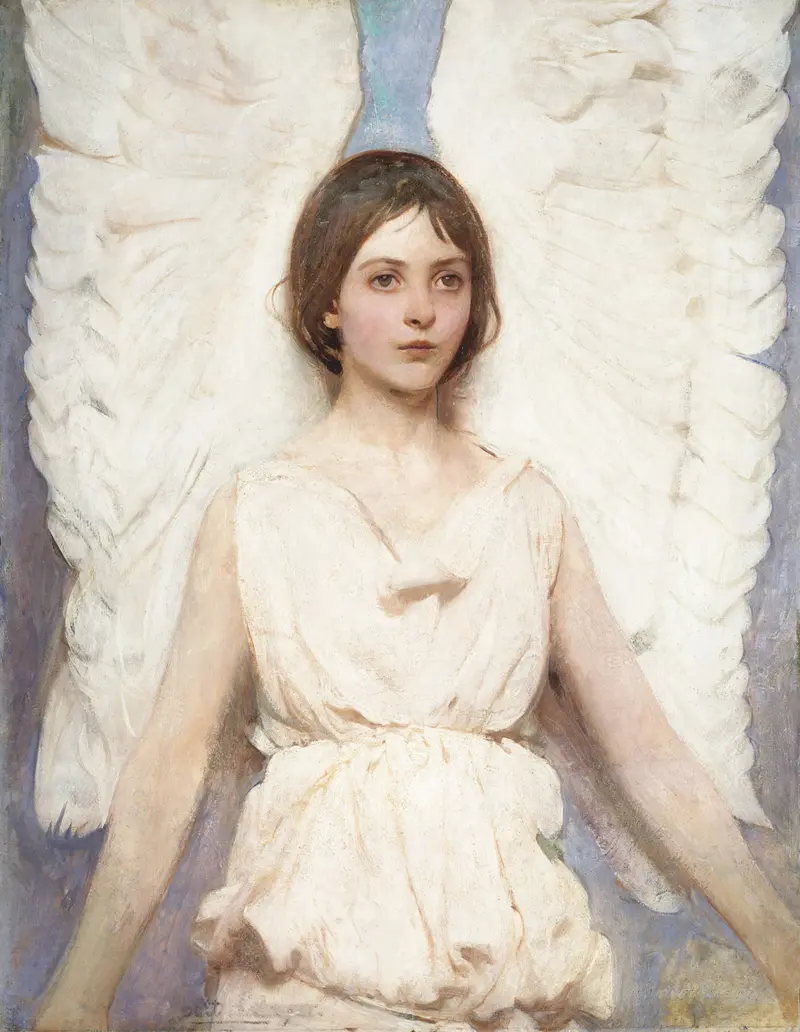
Angel
Abbott Handerson Thayer

Mount Monadnock
Abbott Handerson Thayer
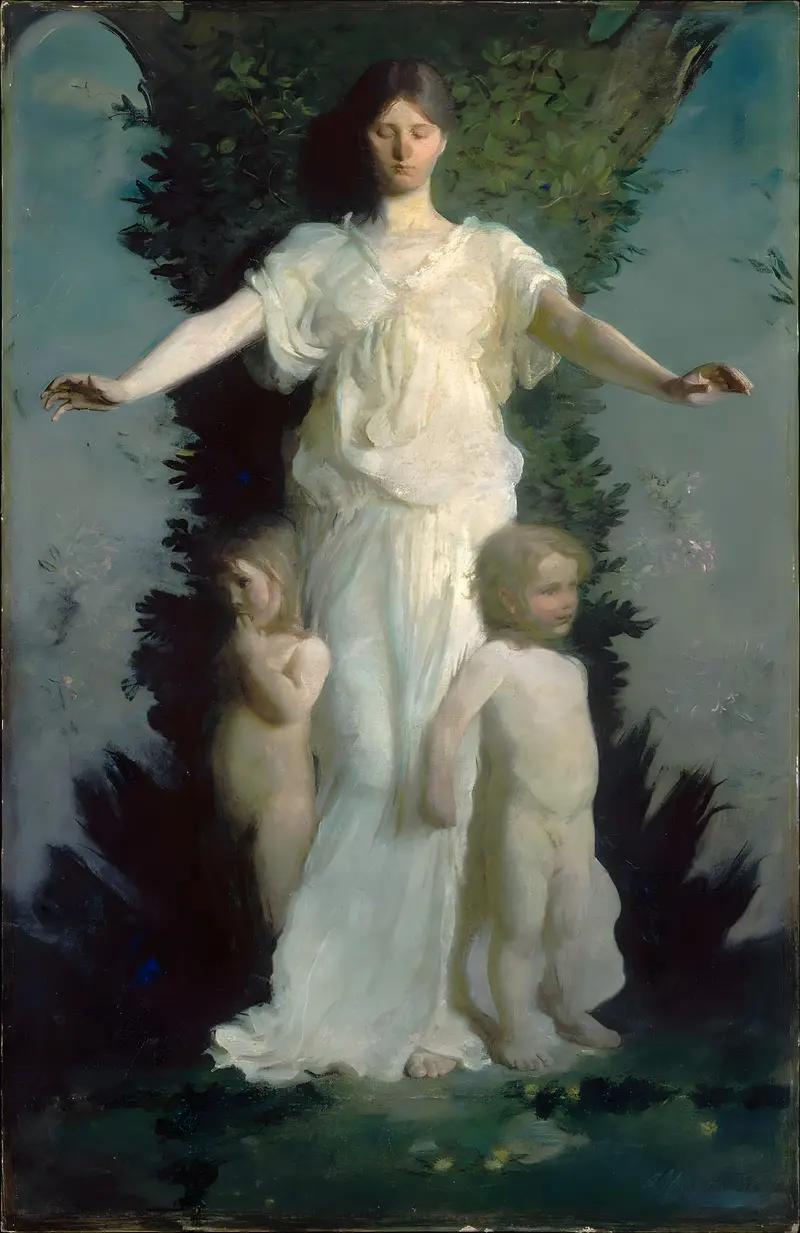
Caritas
Abbott Handerson Thayer

Winter, Monadnock
Abbott Handerson Thayer

Mount Monadnock
Abbott Handerson Thayer

Mount Monadnock
Abbott Handerson Thayer
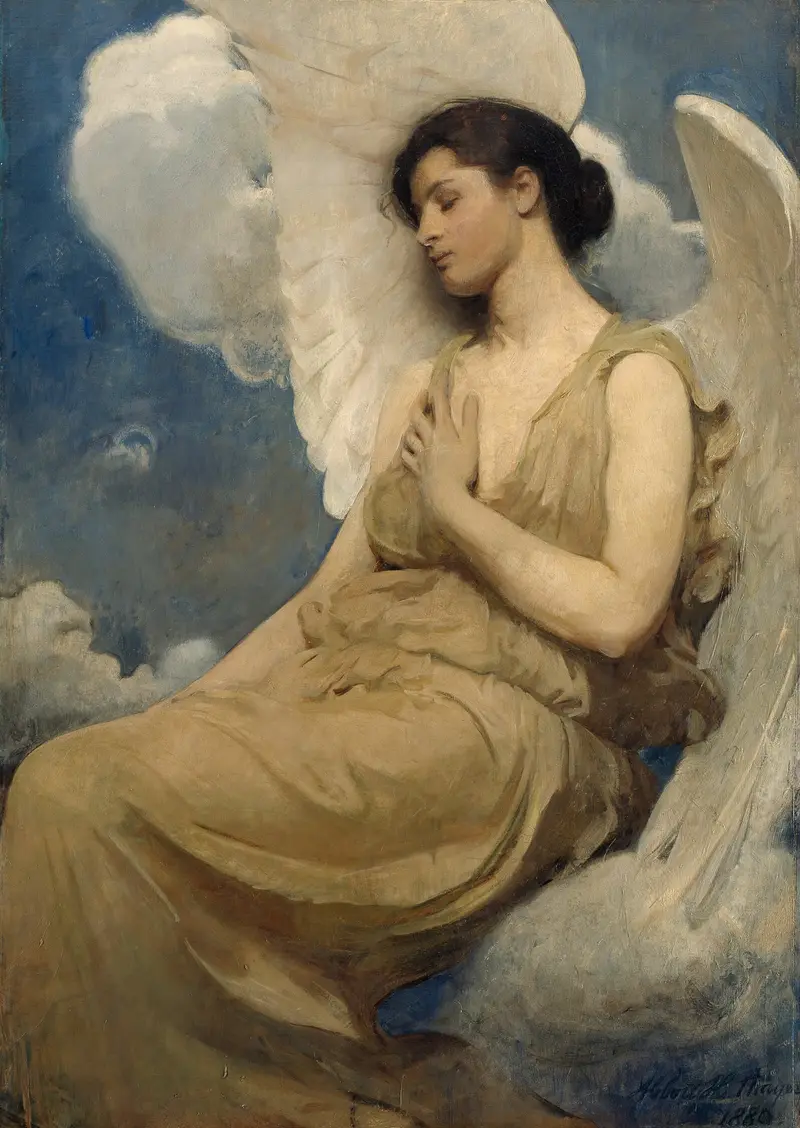
Winged Figure
Abbott Handerson Thayer
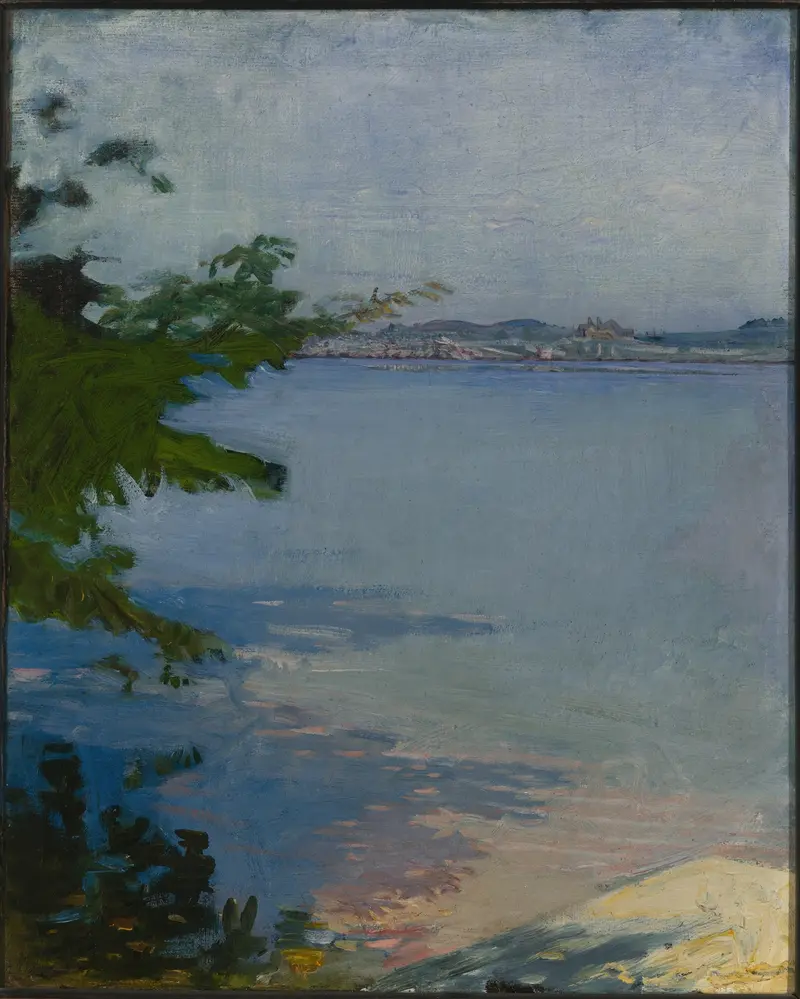
Dublin Pond, New Hampshire
Abbott Handerson Thayer
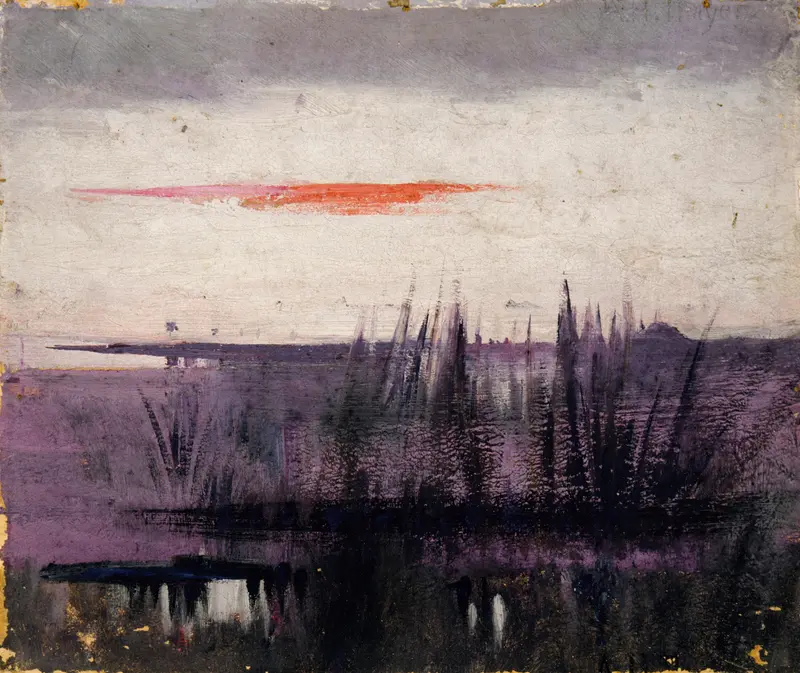
The Sky Simulated By White Flamingoes Study For Book, Concealing Coloration In The Animal Kingdom
Abbott Handerson Thayer
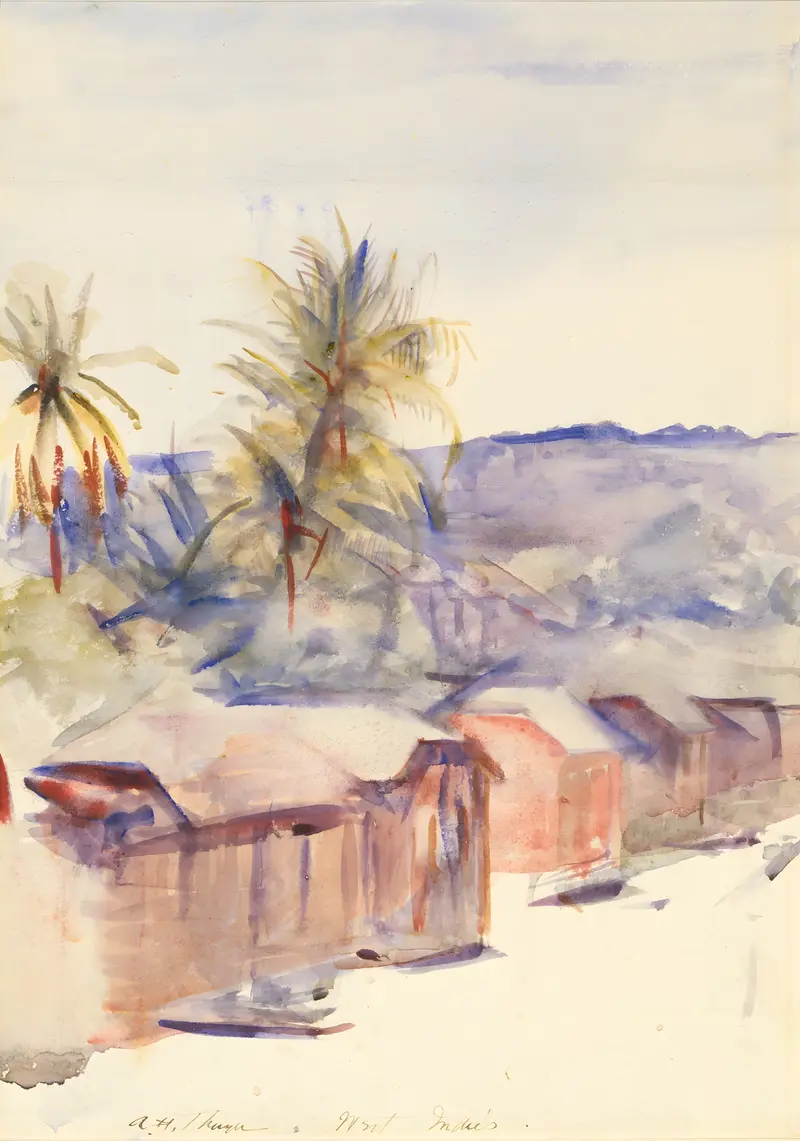
Village Street, Dominica
Abbott Handerson Thayer





