Chambéry — History & Facts
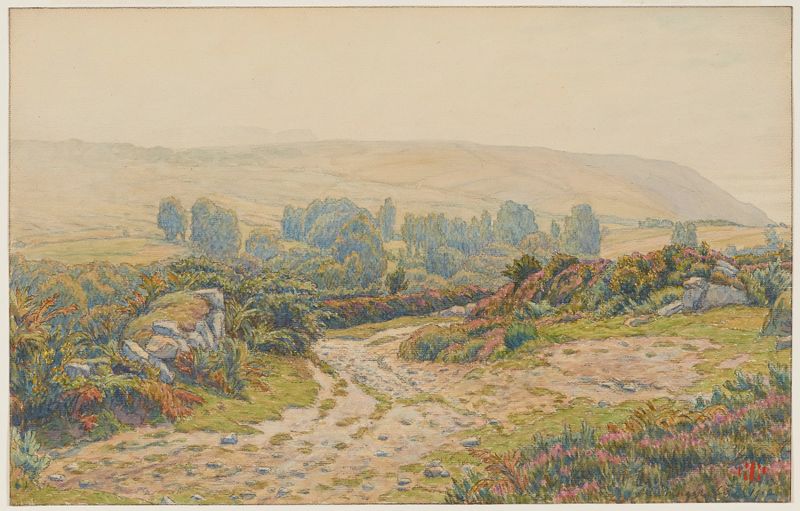
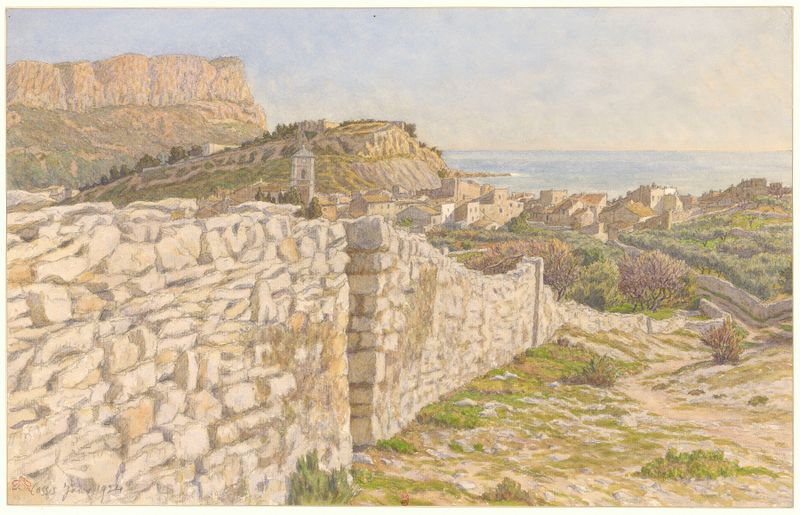
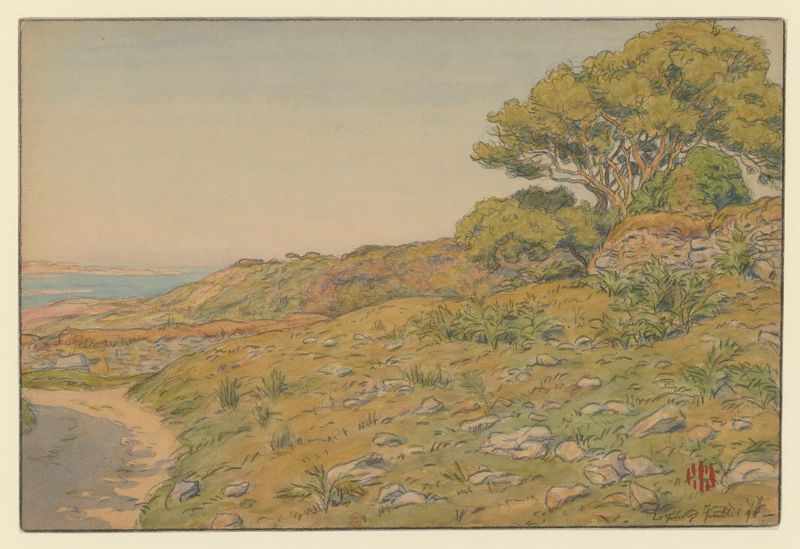
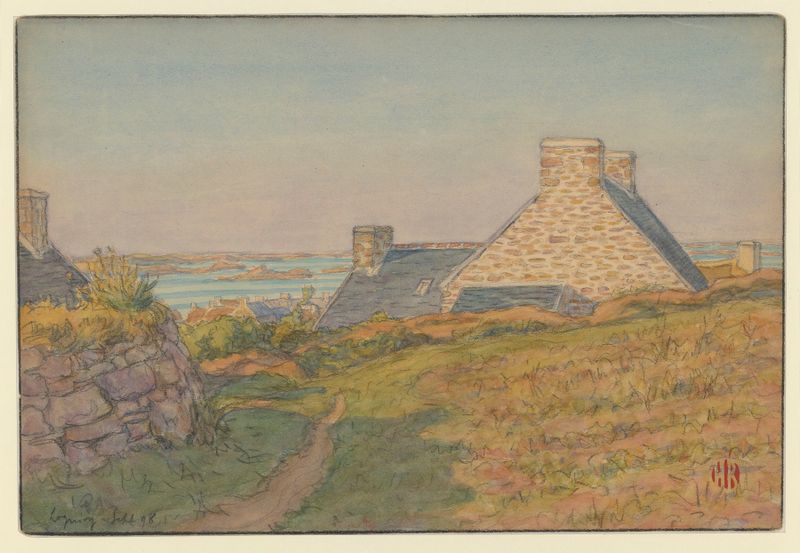
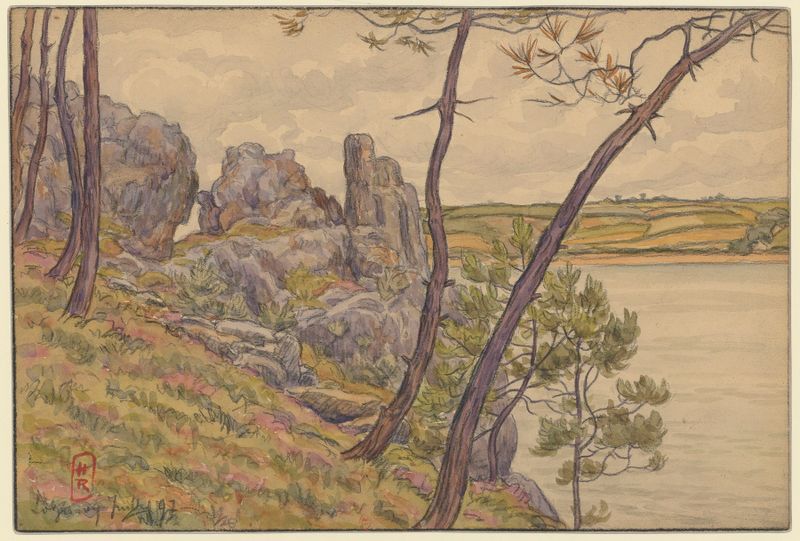
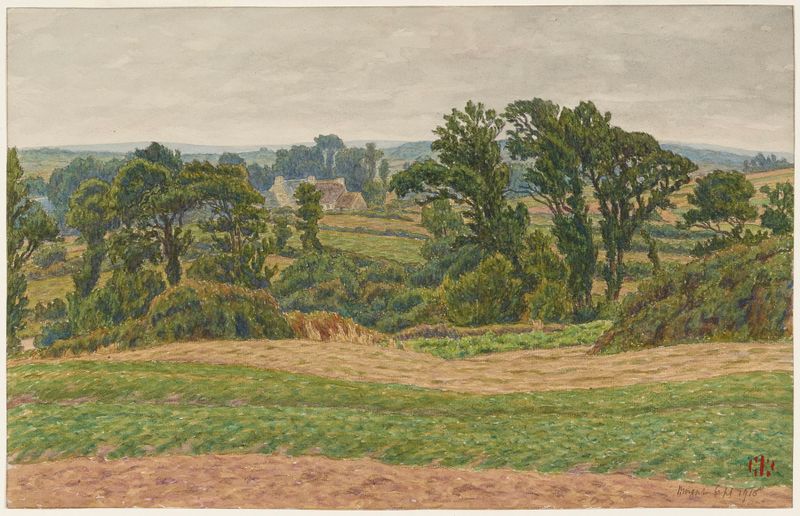
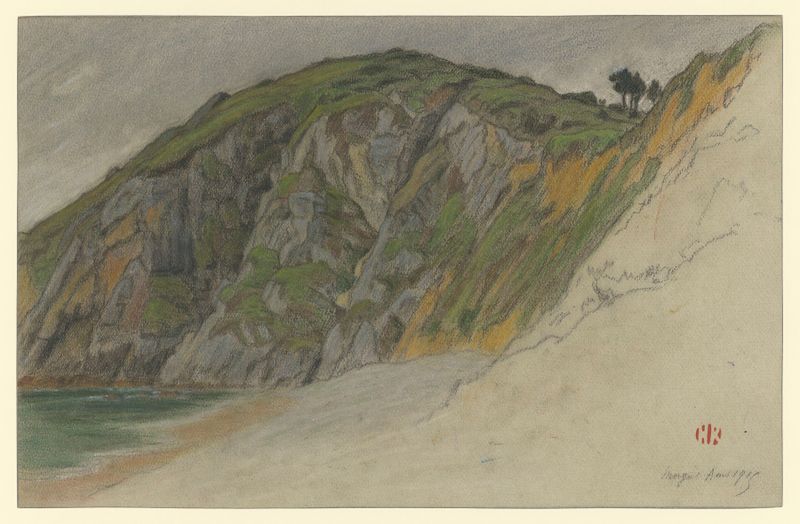
When did color learn to lie? Layers of blues and greens whisper secrets and longings, each brushstroke a testament to a hidden narrative beneath the surface. Look to the left at the vibrant hues that define the landscape, where rolling hills embrace the soft skyline. Notice how the light dances across the water, capturing fleeting reflections that shimmer against the tranquil backdrop. The artist employs a delicate palette, blending warm and cool tones in a way that evokes a sense of nostalgia, inviting the viewer to linger in this serene yet melancholic space. Beneath the surface beauty lies a poignant emotional tension.
The juxtaposition of the lush, inviting landscape and the solitary, still water suggests a yearning for connection, perhaps a longing for a past left behind. Each element seems to hold a story, as if the colors themselves are yearning for a voice, trapped in a moment of suspended time. The ethereal quality of the scene invites contemplation, urging viewers to explore their own emotions tied to distance and memory. In 1918, the artist found himself in France, creating Chambéry amidst the aftermath of World War I.
The world was in turmoil, and artists grappled with a newfound search for identity and meaning in a changed reality. During this period, Rivière sought refuge in landscapes, capturing the interplay of light and color that not only reflects the external environment but also resonates with the deeper yearnings of the human spirit.