
Champ de Course — History & Facts
When did color learn to lie? In the chaos of memory, hues dance between truth and illusion, blurring the lines of reality and imagination. Focus your gaze on the center of the canvas, where the vibrant greens of the grass meld with the energetic, swirling forms of jubilant spectators. Notice how the delicate brushstrokes create a sense of movement, capturing the essence of a lively racecourse. The warm, sunlit palette contrasts with shadowy figures at the edges, inviting you to feel the pulse of excitement that permeates the air. The interplay of light and shadow conjures a tense juxtaposition between joy and nostalgia, as if the scene itself is both a celebration and a reminiscence.
The vivid colors evoke the thrill of the race, yet the surrounding shadows hint at the fleeting nature of such moments. Each stroke is a whisper of memory, expressing how joy can simultaneously remind us of what has passed. Édouard Vuillard painted Champ de Course in 1899 during a period of vibrant artistic exploration in France. At the time, he was deeply entwined with the Nabis, a group of post-Impressionist artists who sought to express emotional experiences through color and form.
The painting reflects his interest in capturing everyday life while engaging with the evolving dynamics of modernity.
More Artworks by Édouard Vuillard
Browse all →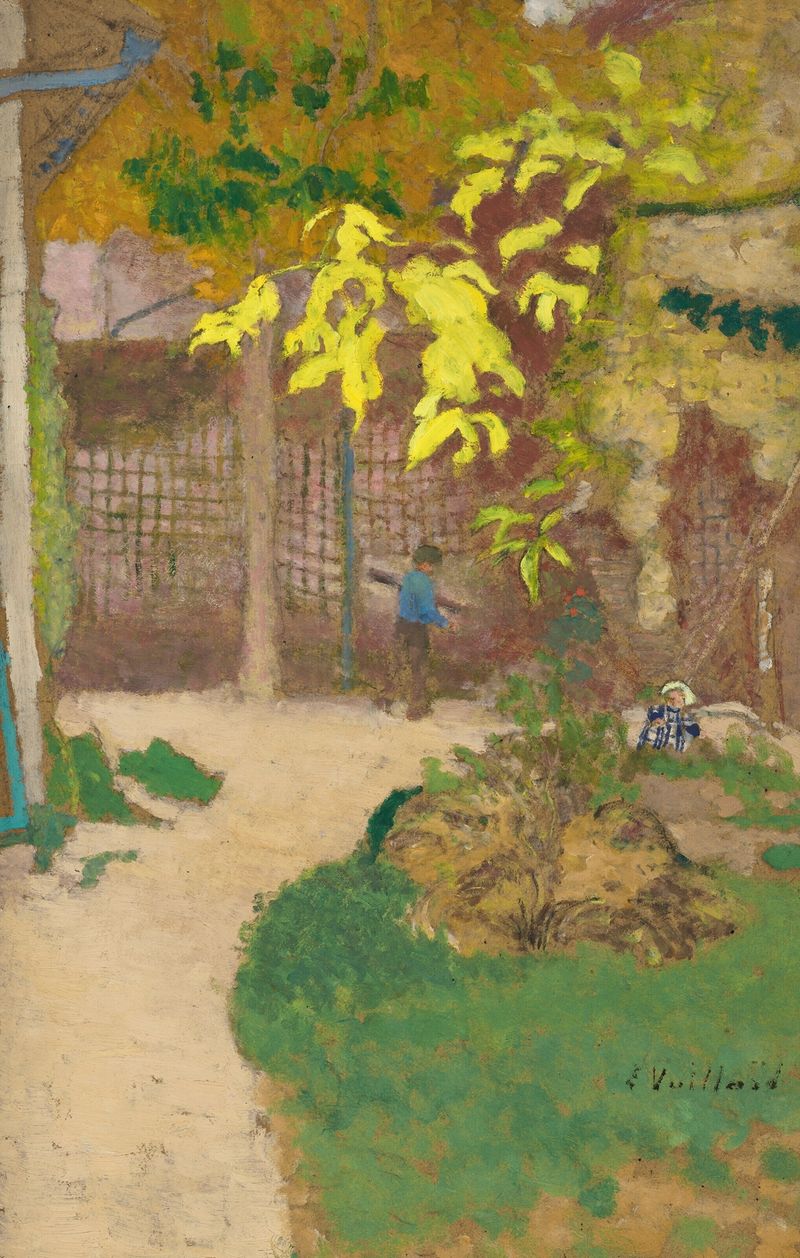
Le Jardin
Édouard Vuillard
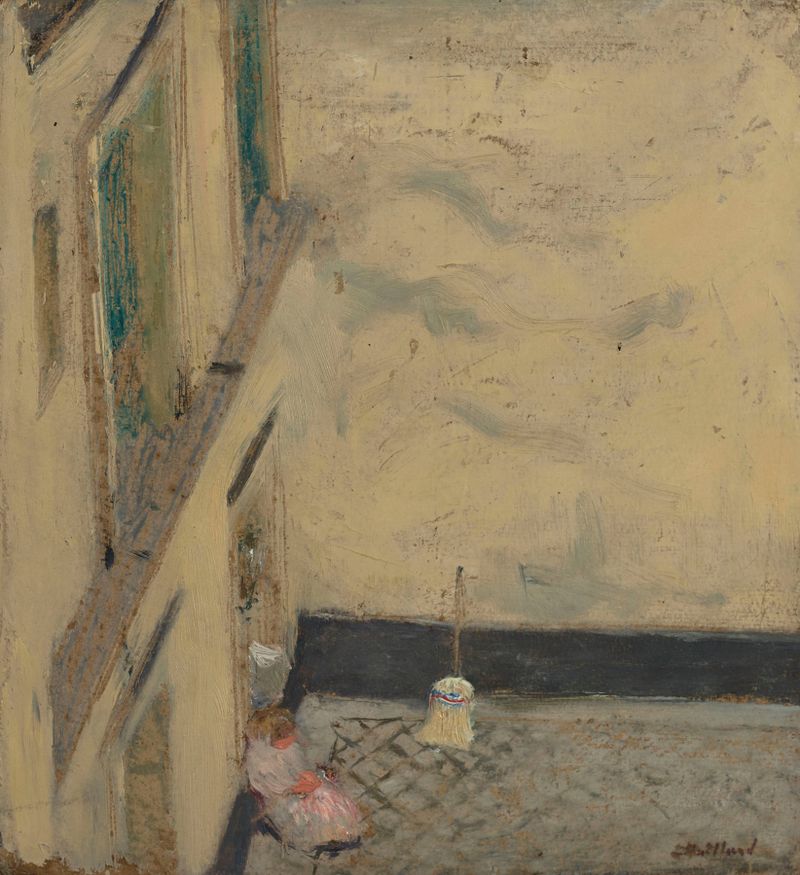
Le Balai dans la cour, 346 rue Saint-Honoré
Édouard Vuillard

Place Vintimille
Édouard Vuillard
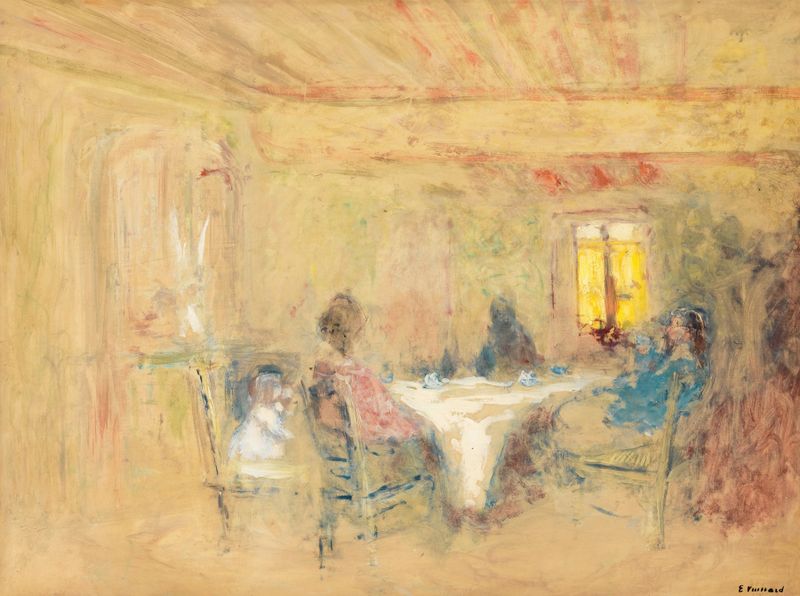
À Table
Édouard Vuillard
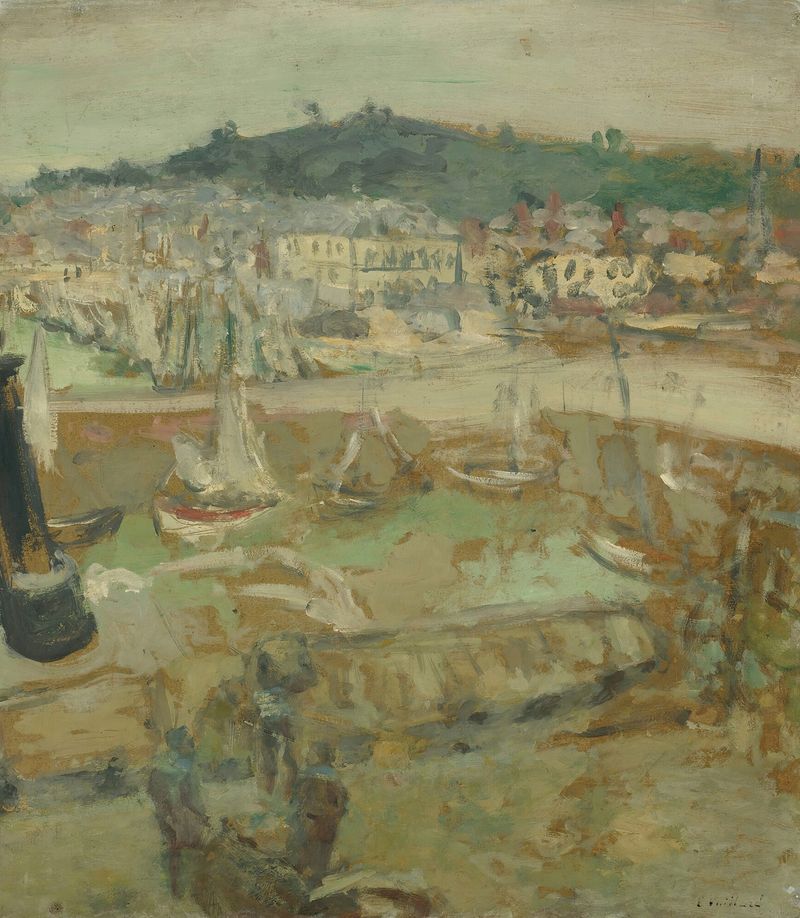
Le Petit Port, Honfleur
Édouard Vuillard
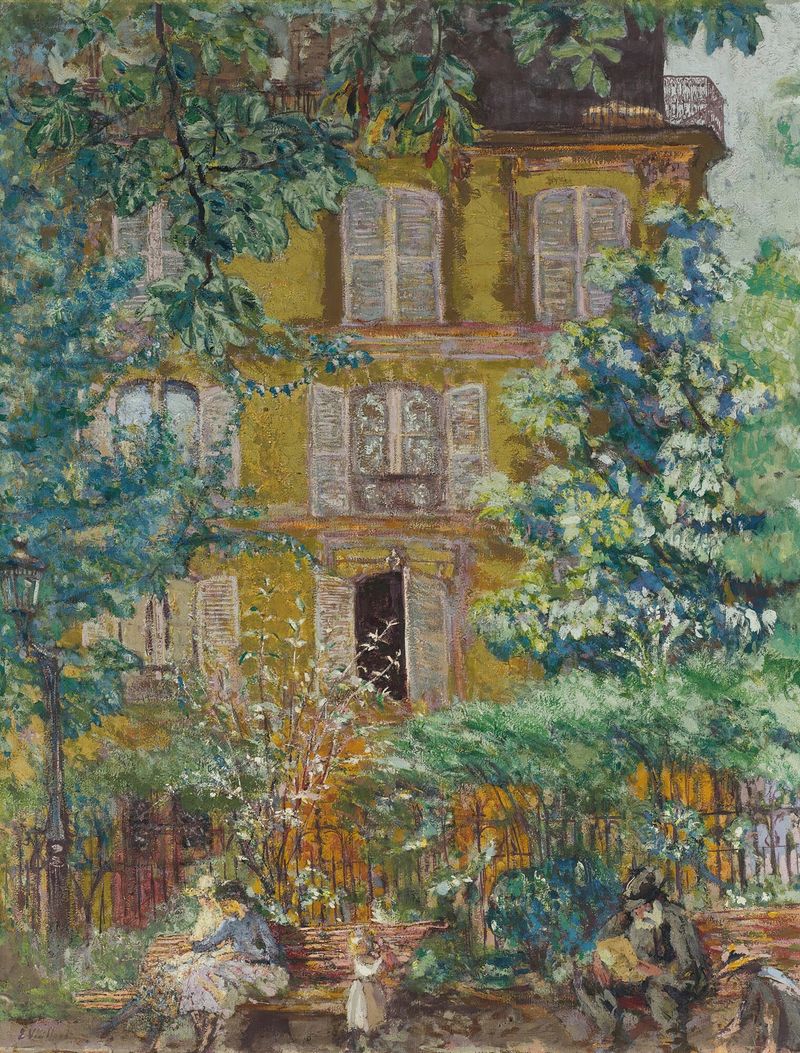
Le Square
Édouard Vuillard

Les Toits Mauves
Édouard Vuillard
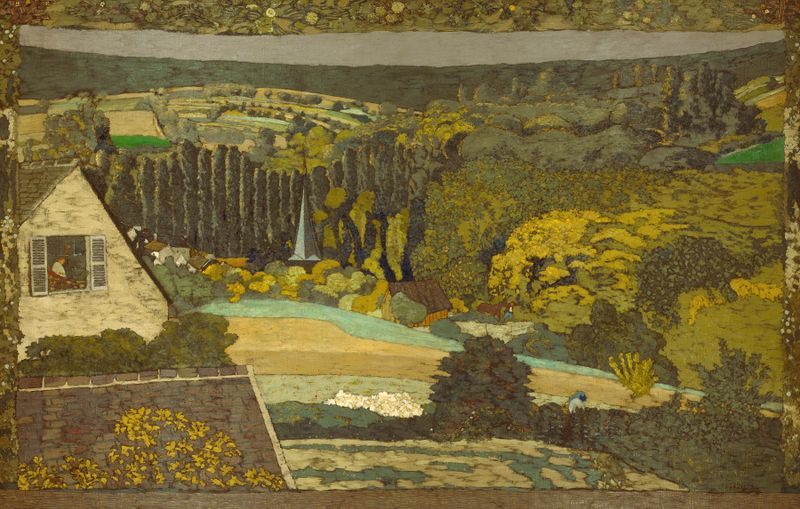
Landscape; Window Overlooking the Woods
Édouard Vuillard
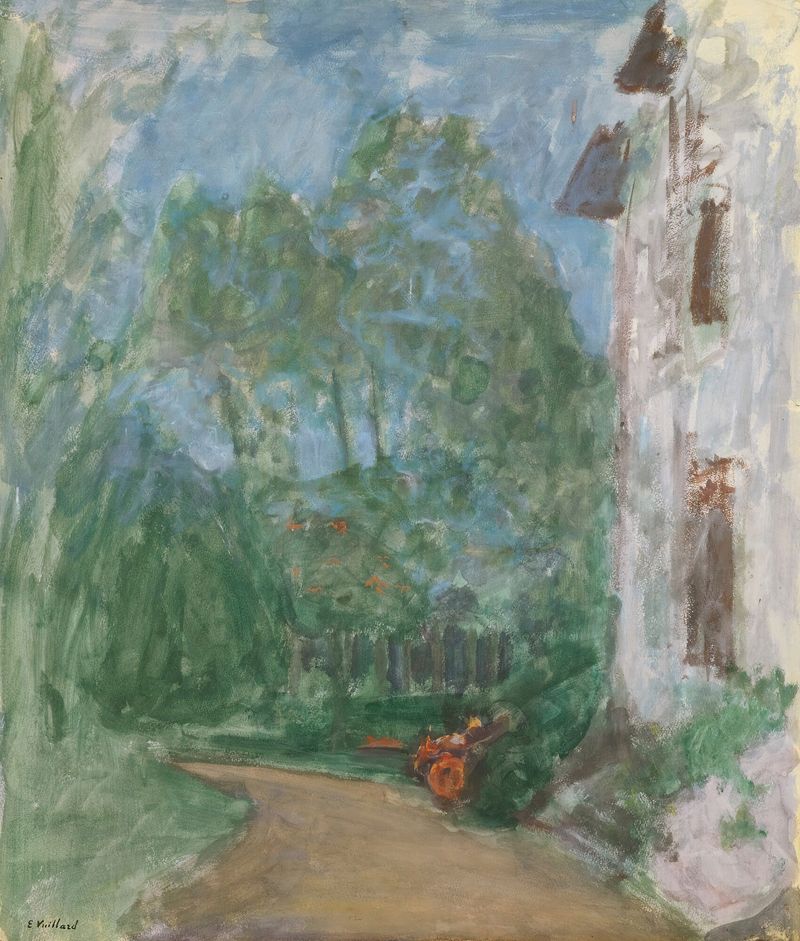
Le Chemin Devant La Maison
Édouard Vuillard

La Grève
Édouard Vuillard





