Chapel of King’s College. — History & Facts
Look closely at the sweeping arches that soar elegantly across the canvas, guiding your gaze upwards. Notice how the sunlight filters through the stained glass, casting vibrant hues onto the stone floor, inviting a dance of light and shadow. The meticulous detail in the architectural elements reveals a deep reverence for the Gothic style, while the rich color palette enhances the sense of life within this sacred space. Beneath the surface, we find contrasts that weave a narrative of spirituality and history.
The interplay of light symbolizes divine presence, while the stillness of the chapel speaks to the passage of time. Each figure, though seemingly static, resonates with an underlying movement of worship and longing, suggesting a connection between the earthly and the transcendent. Created in 1815, Stadler painted this work during a period marked by the neoclassical revival in England, where the echoes of the past influenced the burgeoning Romantic era. His choice of subject matter reflects a personal and collective quest for spiritual sanctuary amidst a rapidly changing world.
This canvas not only depicts a physical space but also embodies the artists' dialogues with tradition, faith, and the evolving aesthetics of his time.
More Artworks by Joseph Constantine Stadler

Colonnade under Trinity Library..
Joseph Constantine Stadler
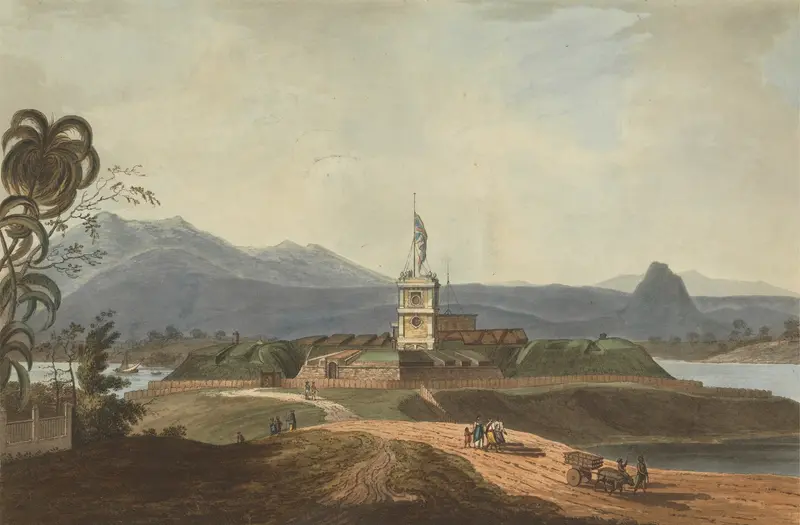
South East View of Fort Marlborough, Benkulen, Sumatra, 1799
Joseph Constantine Stadler

Fort Marlborough from Old Bencoolen, Sumatra, 1799
Joseph Constantine Stadler
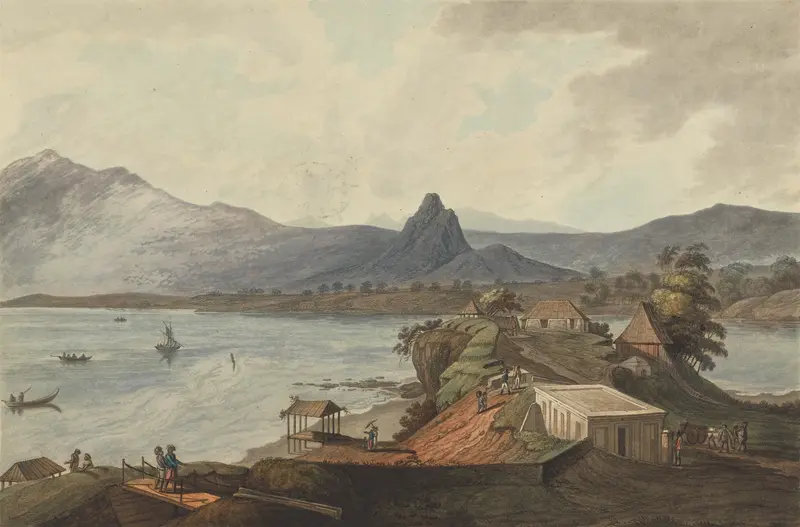
Padre’s Rock and Sugar Loaf Mountain from Bencooler, Sumatra, 1799
Joseph Constantine Stadler
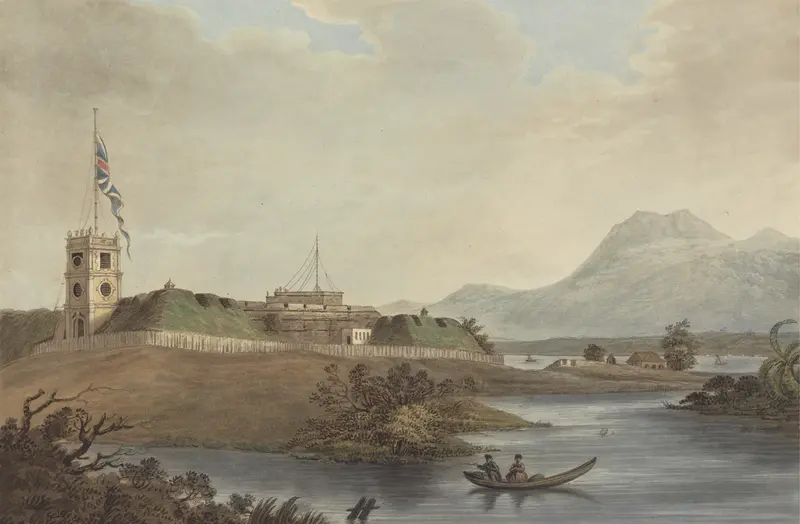
Fort Marlborough, Benkulen, Sumatra, 1799
Joseph Constantine Stadler
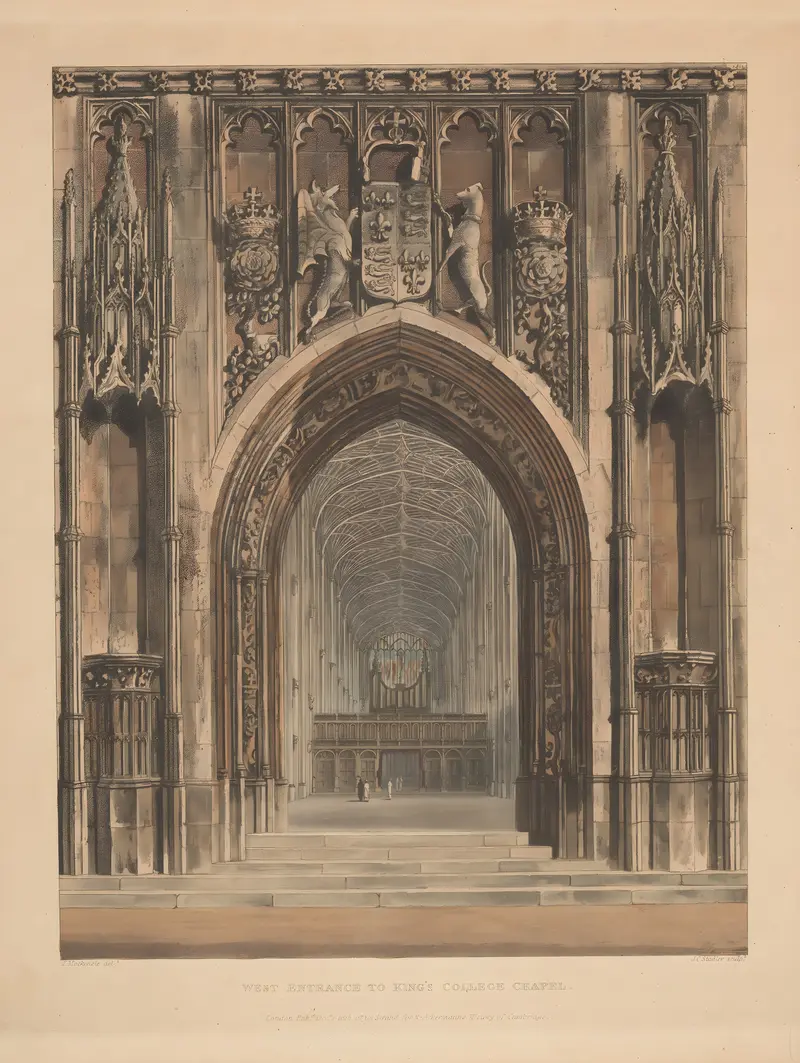
West entrance to King’s College Chapel.
Joseph Constantine Stadler
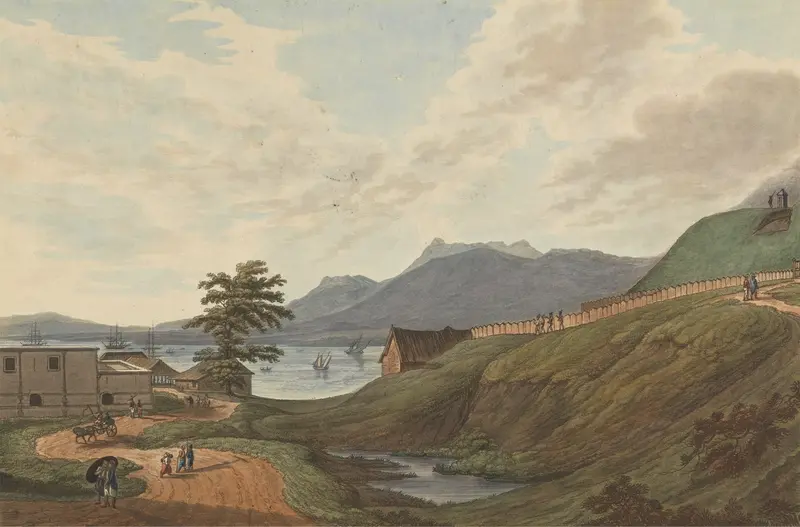
Soongey Lamou Hills Fort Marlborough, Benkulen, Sumatra, 1799
Joseph Constantine Stadler
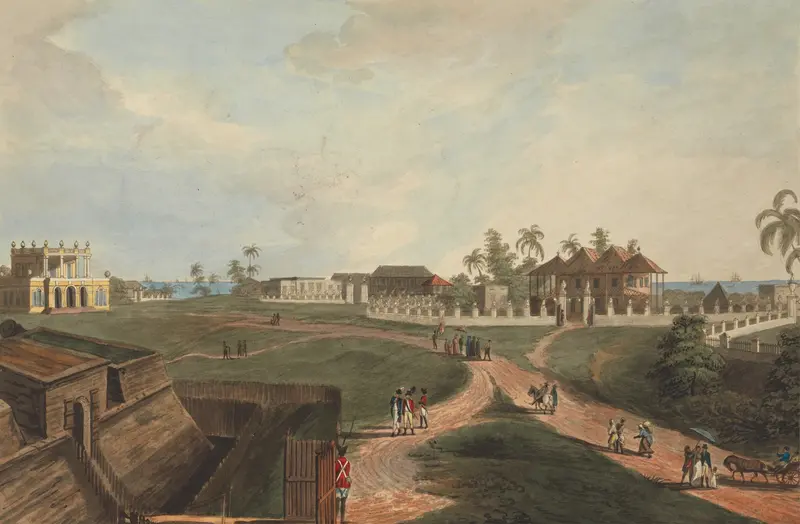
Government House & Council House, Fort Marlborough, Benkulen, Sumatra, 1799
Joseph Constantine Stadler
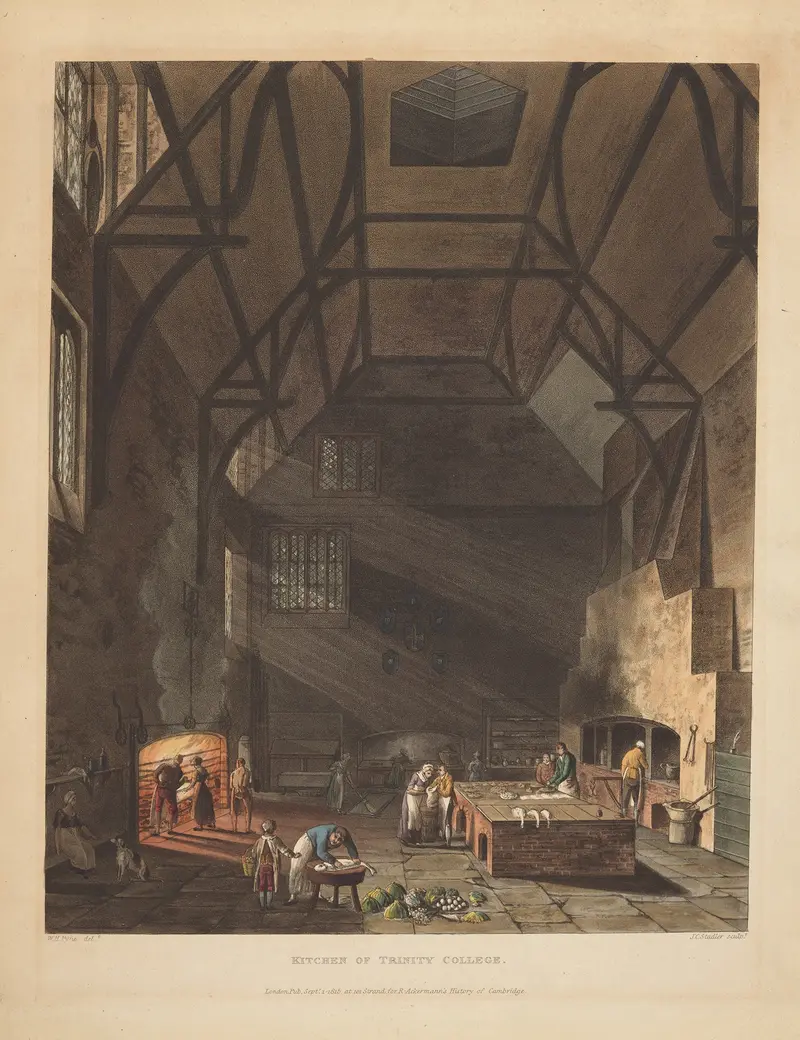
Kitchen of Trinity College
Joseph Constantine Stadler
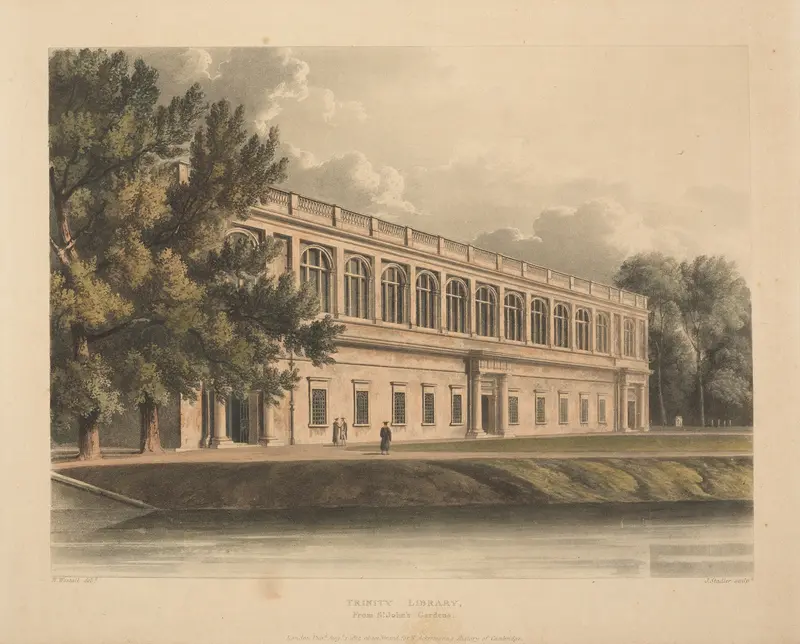
Trinity Library. From St. John’s Gardens.
Joseph Constantine Stadler