
Fort Marlborough from Old Bencoolen, Sumatra, 1799 — History & Facts
In a world that often feels chaotic, faith emerges as a steadying force, reminding us of our connection to history and place. Look closely at the sweeping landscape that unfolds before you. Focus on the majestic fort rising from the lush greenery, its imposing walls softened by the gentle touch of time. Notice how the light dances across the scene, illuminating the craggy cliffs and the rolling hills that cradle the fort like a protective embrace.
The palette, rich with earthy tones, evokes a sense of both stability and transience, a testament to the enduring nature of human endeavor amidst the untamed beauty of Sumatra. Delve deeper into the composition and you'll uncover contrasts between the man-made and the natural. The fort stands as a bastion of human ambition, yet it is dwarfed by the vast landscape, suggesting the humility that nature demands. The serene water in the foreground reflects not just the physical world, but also the aspirations and fears of those who inhabit it.
This duality speaks to the fragility of human constructs against the backdrop of a resilient environment, inviting contemplation on the importance of faith in the face of impermanence. In 1799, Stadler, based in England, focused on capturing the exotic allure of distant lands through the lens of the British colonial experience. At a time when Europe was embroiled in conflict and exploration was at its peak, his work reflected a growing fascination with the East. This painting was produced in the context of a world wrestling between enlightenment ideals and the stark realities of colonialism, marking a pivotal moment in the evolution of landscape art.
More Artworks by Joseph Constantine Stadler
Browse all →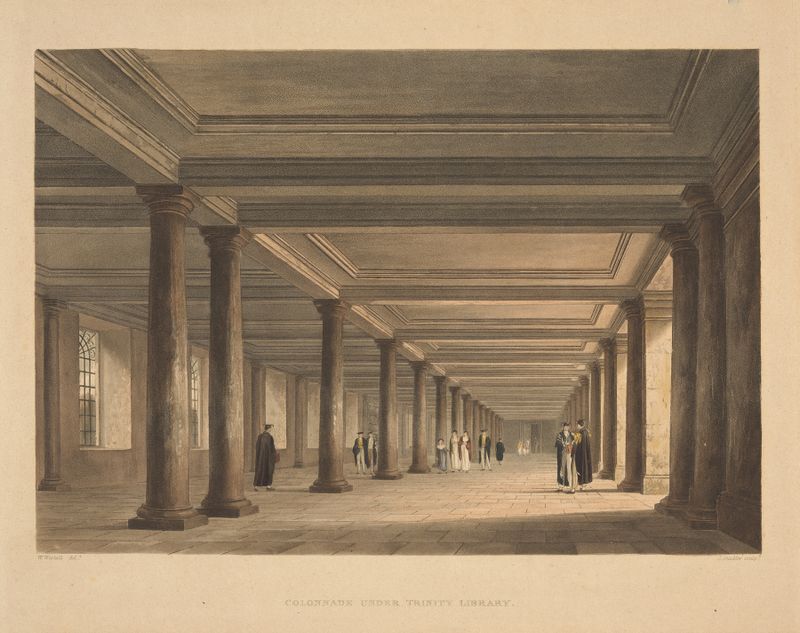
Colonnade under Trinity Library..
Joseph Constantine Stadler
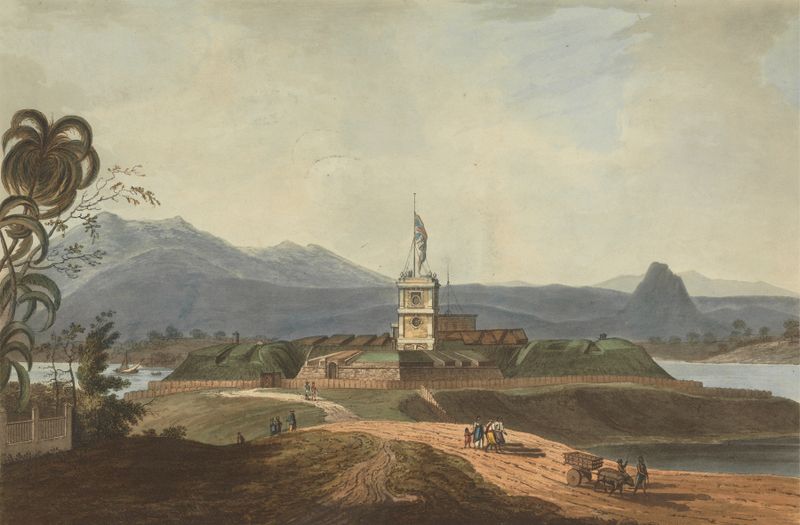
South East View of Fort Marlborough, Benkulen, Sumatra, 1799
Joseph Constantine Stadler
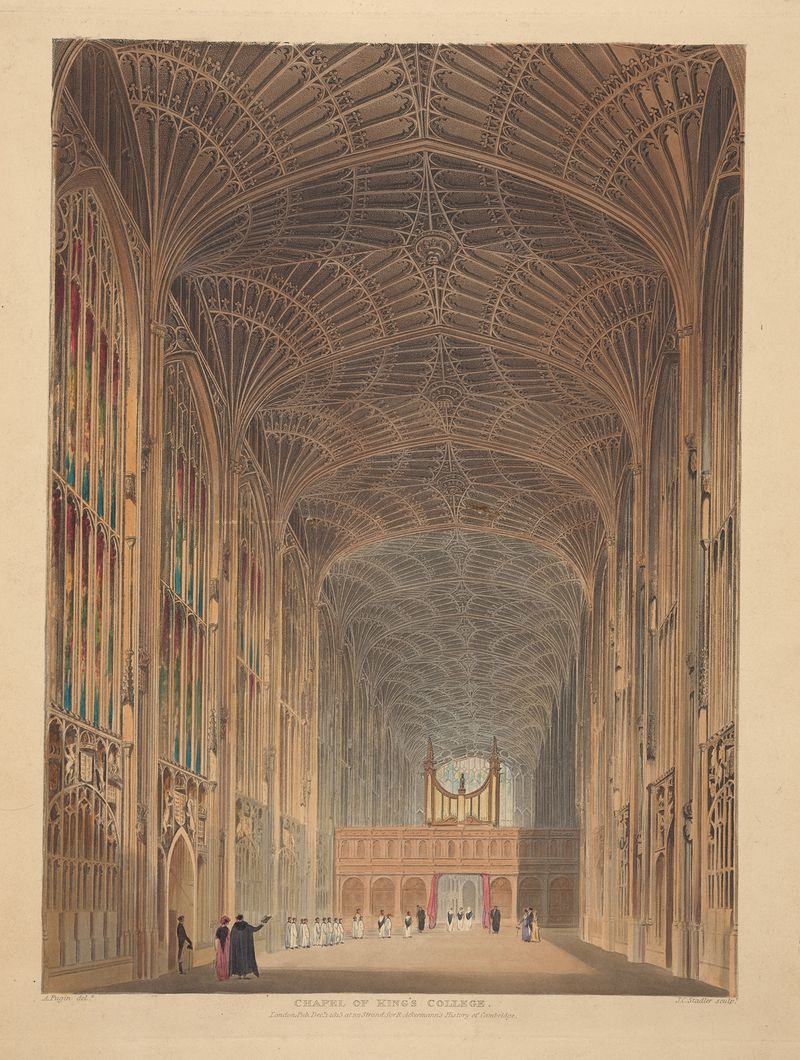
Chapel of King’s College.
Joseph Constantine Stadler
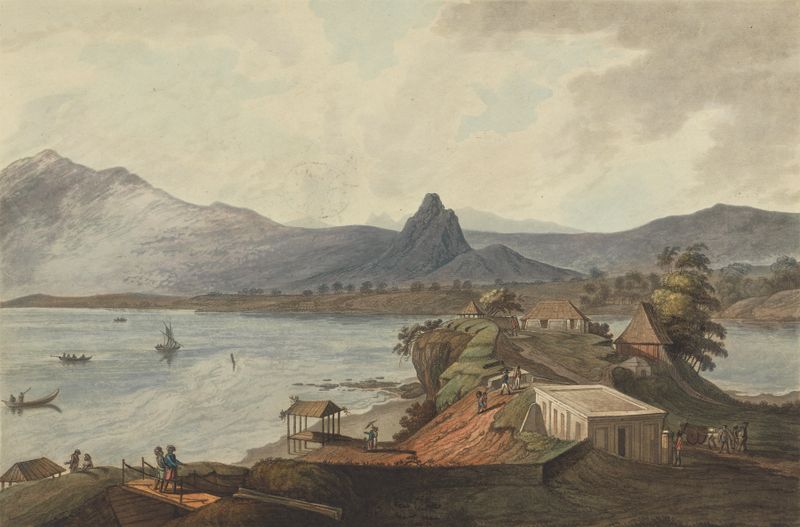
Padre’s Rock and Sugar Loaf Mountain from Bencooler, Sumatra, 1799
Joseph Constantine Stadler
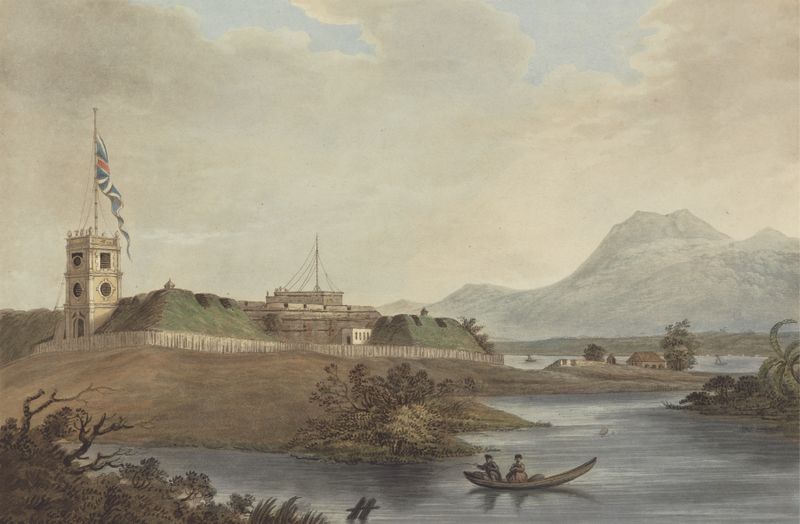
Fort Marlborough, Benkulen, Sumatra, 1799
Joseph Constantine Stadler
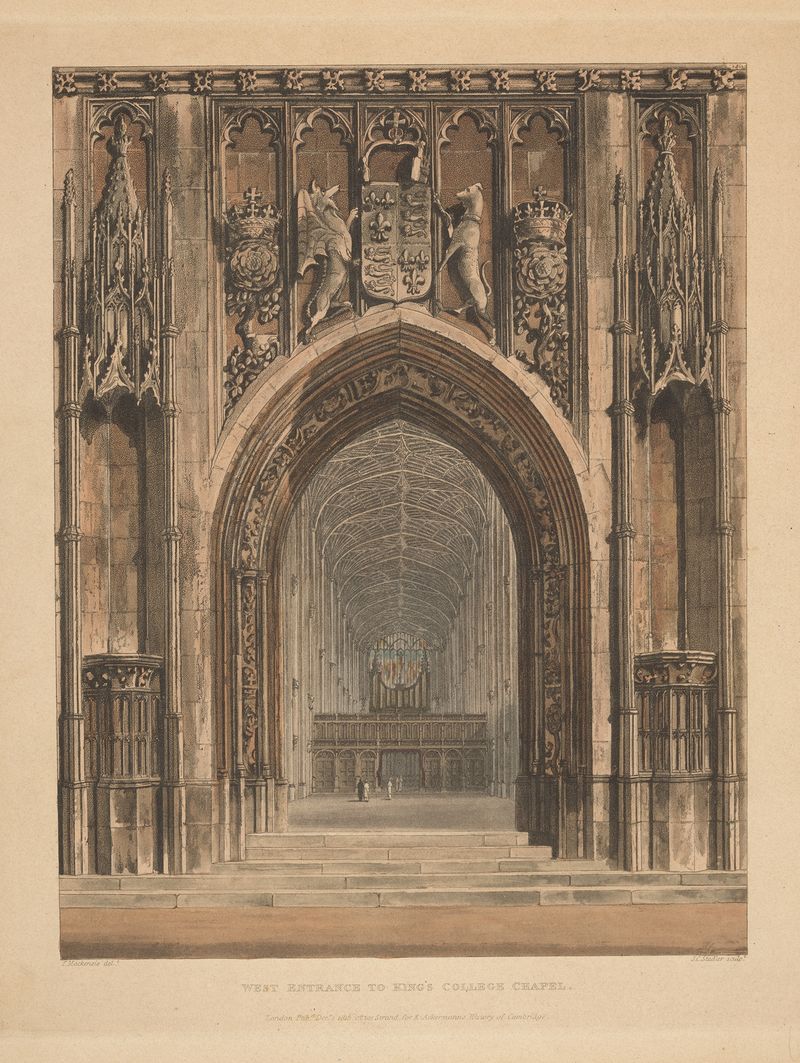
West entrance to King’s College Chapel.
Joseph Constantine Stadler
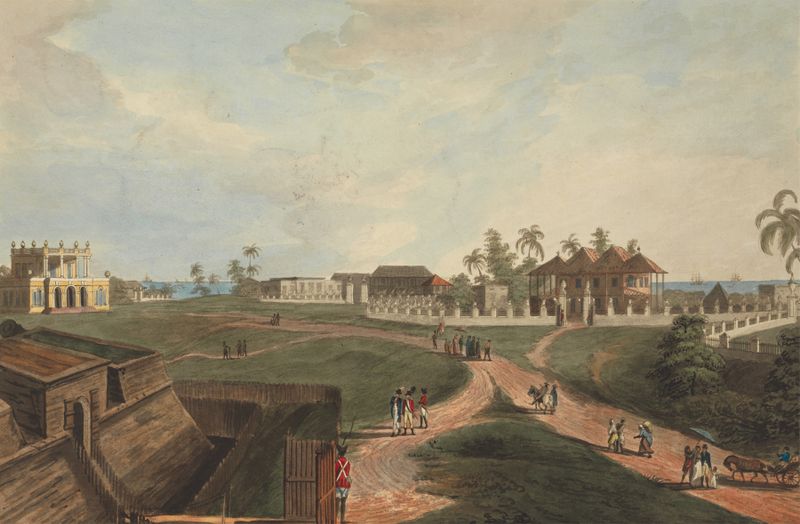
Government House & Council House, Fort Marlborough, Benkulen, Sumatra, 1799
Joseph Constantine Stadler
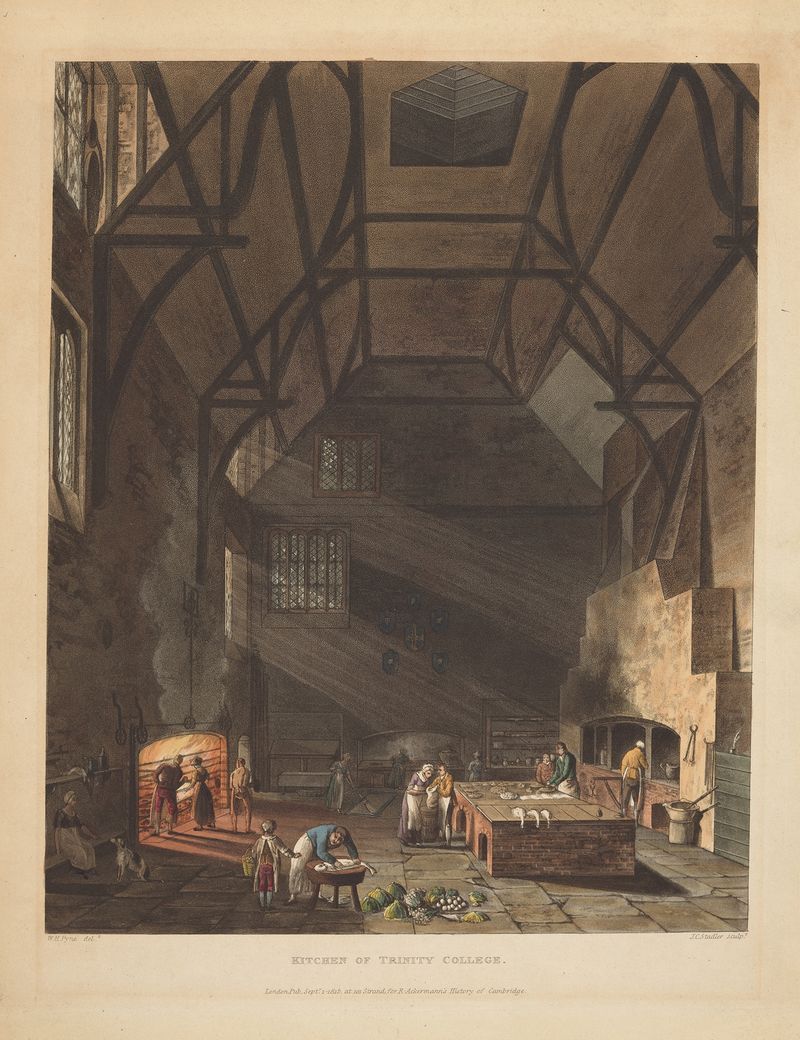
Kitchen of Trinity College
Joseph Constantine Stadler
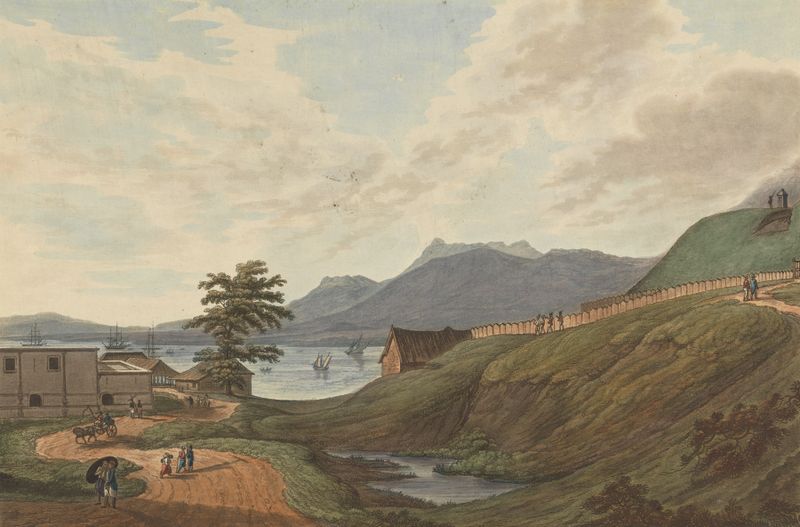
Soongey Lamou Hills Fort Marlborough, Benkulen, Sumatra, 1799
Joseph Constantine Stadler
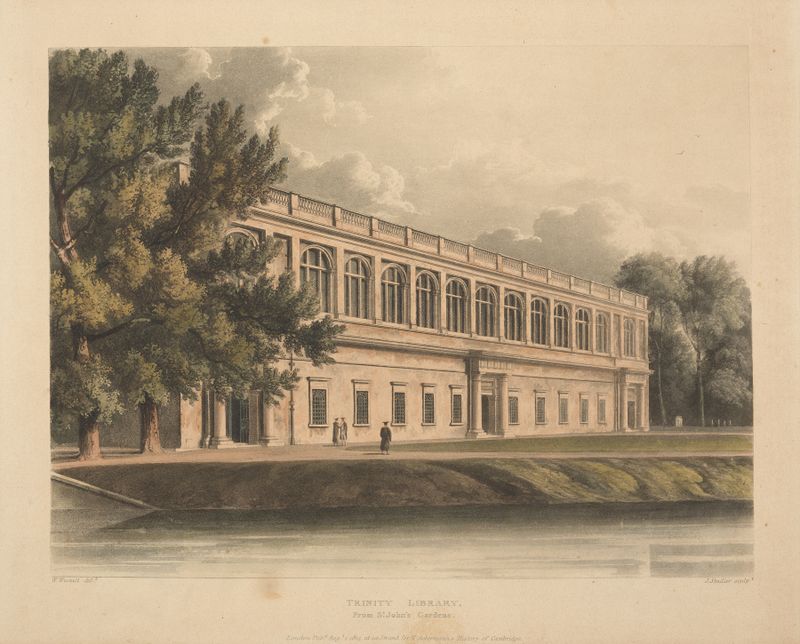
Trinity Library. From St. John’s Gardens.
Joseph Constantine Stadler





