
Padre’s Rock and Sugar Loaf Mountain from Bencooler, Sumatra, 1799 — History & Facts
When did color learn to lie? The interplay of vibrant hues and shadowy depths beckons the viewer into a world where reality and imagination intertwine, suggesting that chaos often brews beneath the surface of serene landscapes. Look to the center, where the imposing Sugar Loaf Mountain rises majestically against a sky awash with a vivid palette of blues, oranges, and a whisper of gold. The artist’s meticulous attention to detail invites the eye to explore the dynamic contrasts in the foreground, where lush vegetation frames the rocky outcrop. Notice how the light dances upon the textured surfaces, revealing the brushwork’s energy — a celebration of nature’s untamed spirit, yet with an underlying order that grounds the composition. Within this tranquil scene lies the tension of chaos.
The juxtaposition of the mountain’s stoic grandeur against the swirling sky hints at the tumultuous forces that shape the natural world. The varying brush strokes convey a sense of movement, suggesting that even in moments of stillness, life teems beneath the surface. The colors, while breathtaking, also evoke a deeper emotional resonance — a reminder that beauty often harbors complexity and discord. In 1799, Stadler painted this work in the context of burgeoning Romanticism, a movement that sought to express the sublime nature of the landscape.
Living in England, he was inspired by the picturesque views of distant lands, often reflecting a European fascination with exotic locales during a period of exploration and discovery. This artwork embodies that spirit, capturing not just a moment in time, but the ever-shifting relationship between humanity and the wild, untamed beauty of the world.
More Artworks by Joseph Constantine Stadler
Browse all →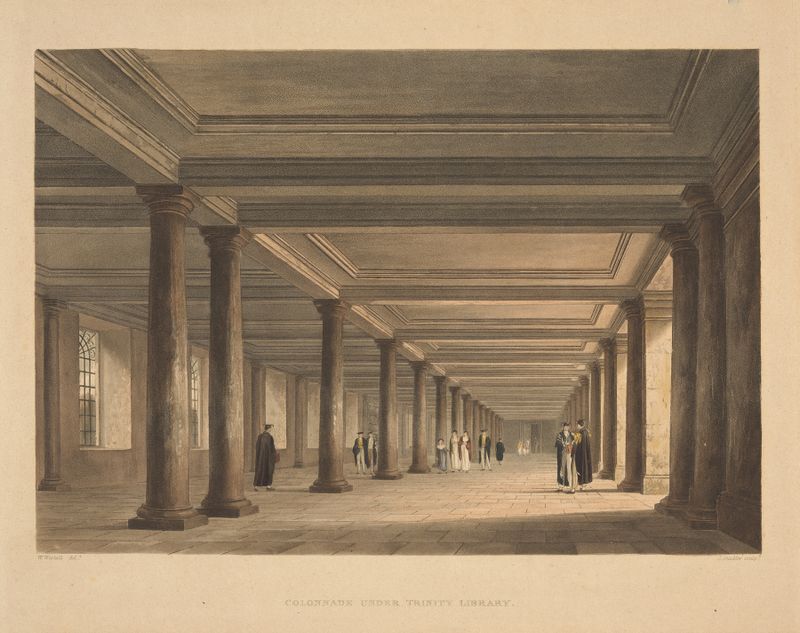
Colonnade under Trinity Library..
Joseph Constantine Stadler
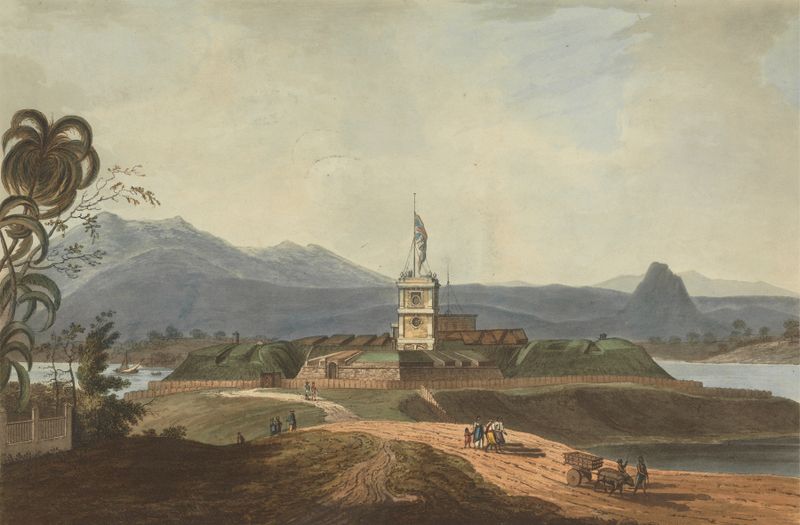
South East View of Fort Marlborough, Benkulen, Sumatra, 1799
Joseph Constantine Stadler
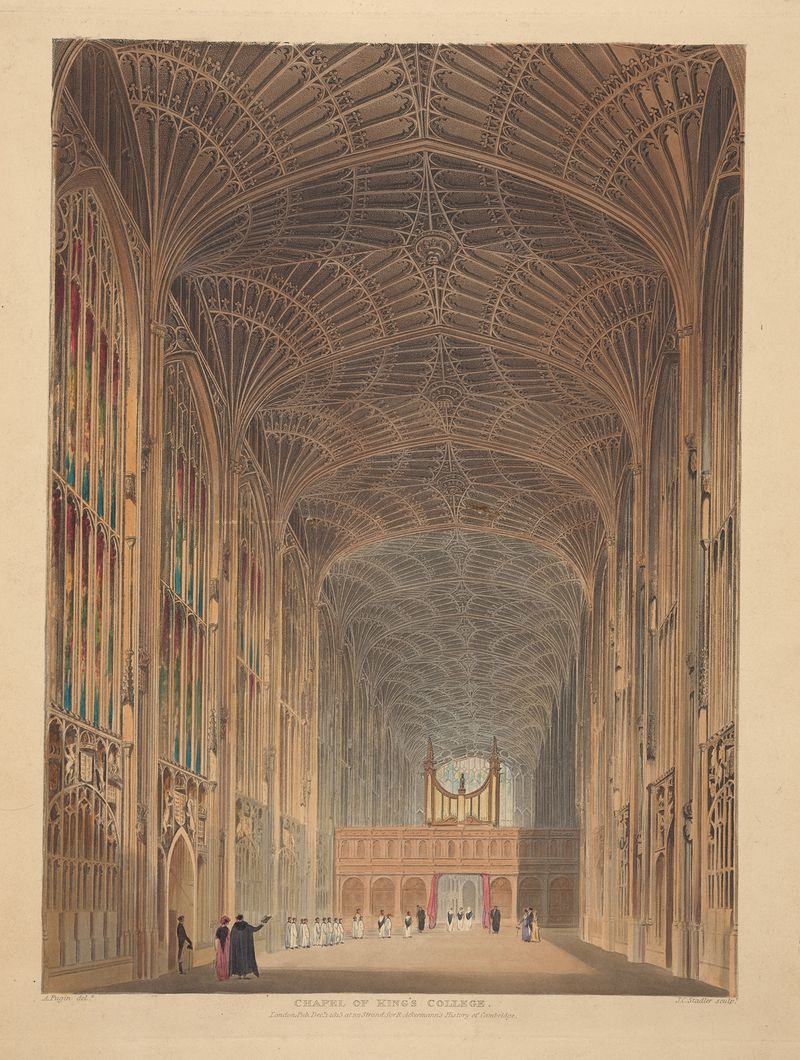
Chapel of King’s College.
Joseph Constantine Stadler
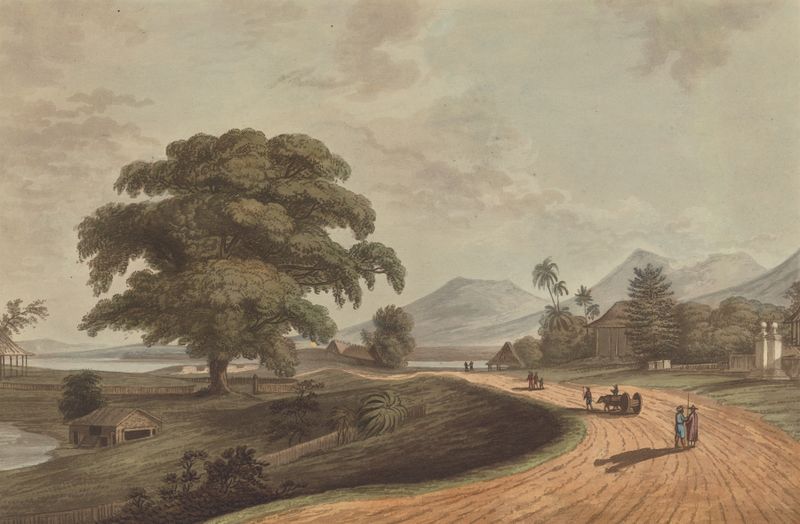
Fort Marlborough from Old Bencoolen, Sumatra, 1799
Joseph Constantine Stadler
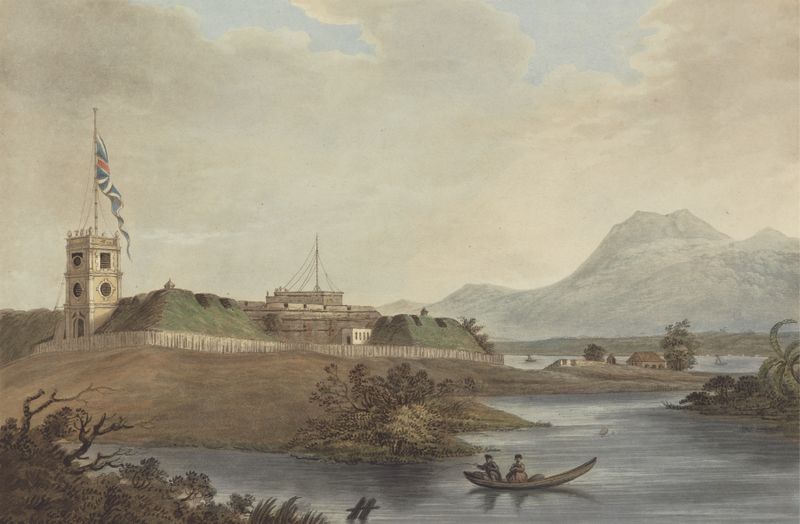
Fort Marlborough, Benkulen, Sumatra, 1799
Joseph Constantine Stadler
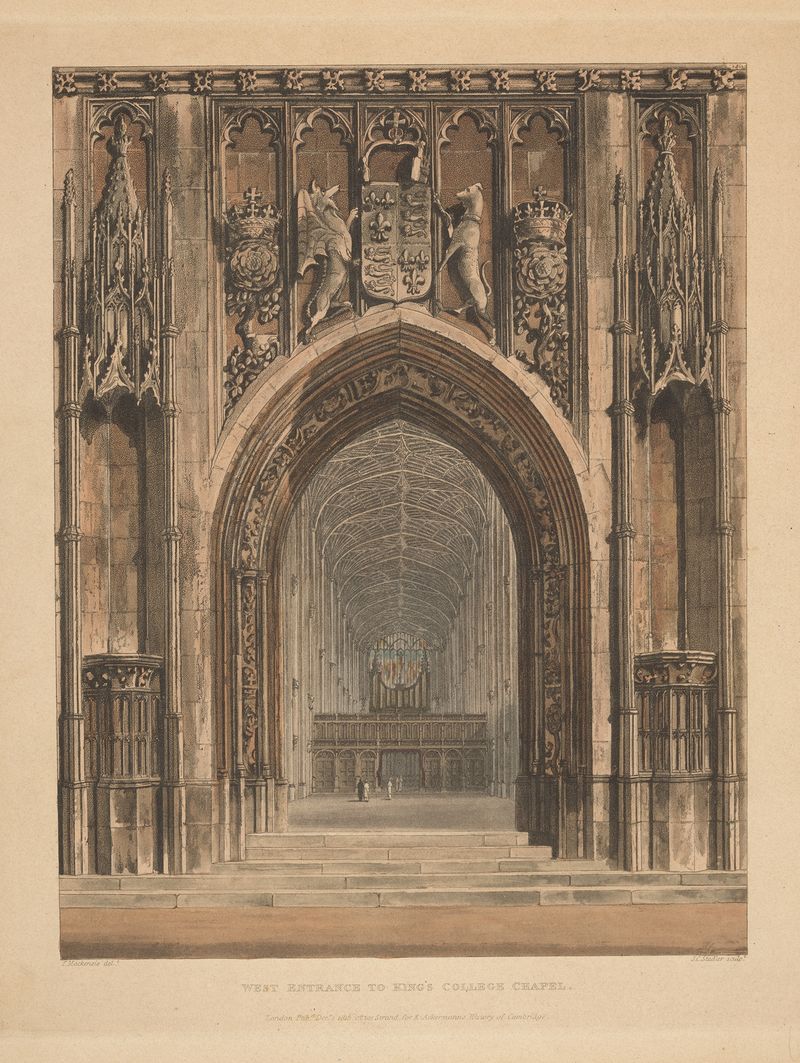
West entrance to King’s College Chapel.
Joseph Constantine Stadler
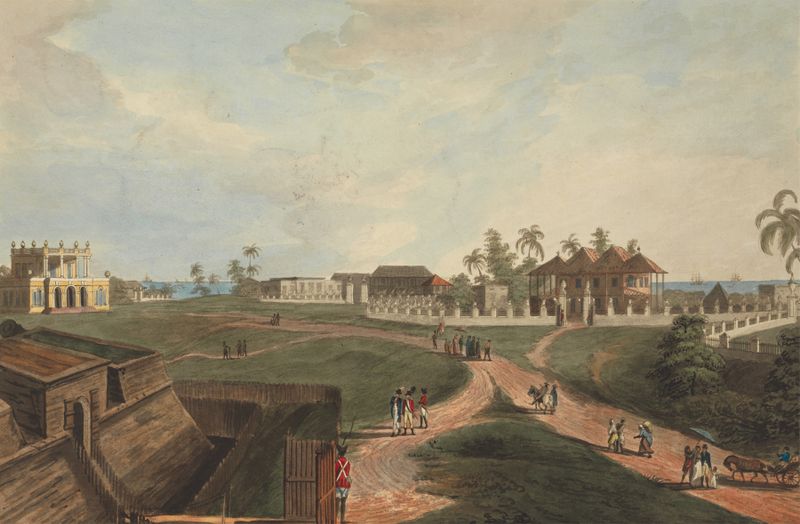
Government House & Council House, Fort Marlborough, Benkulen, Sumatra, 1799
Joseph Constantine Stadler
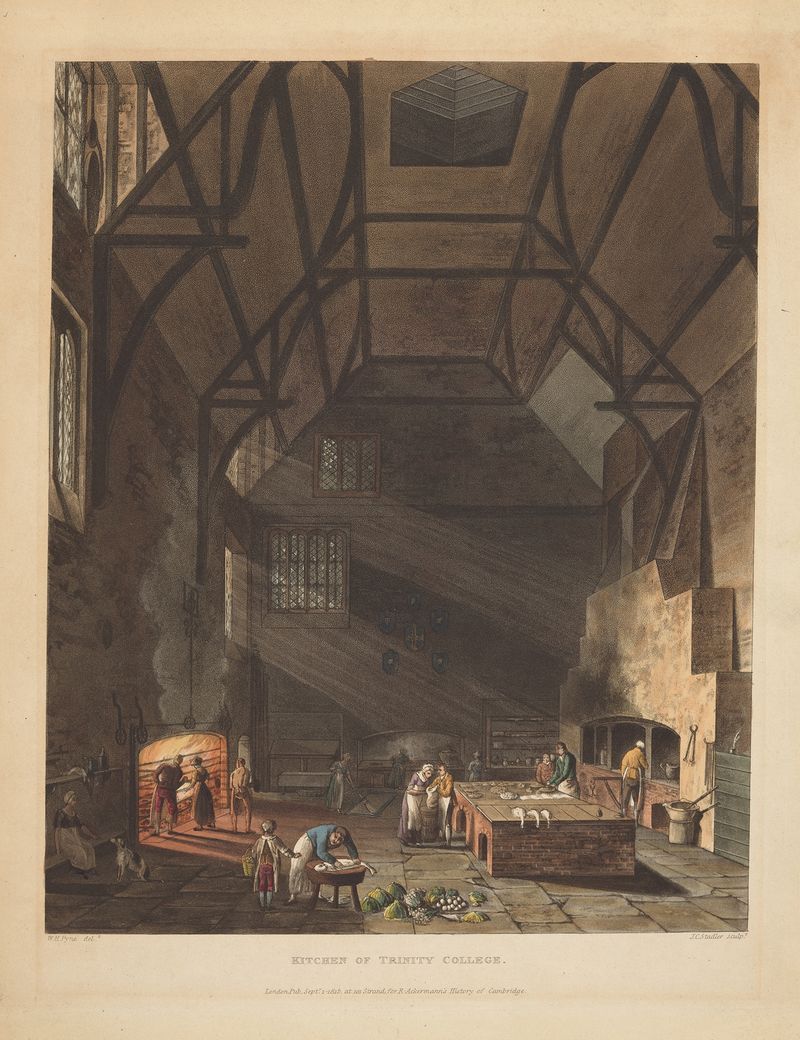
Kitchen of Trinity College
Joseph Constantine Stadler
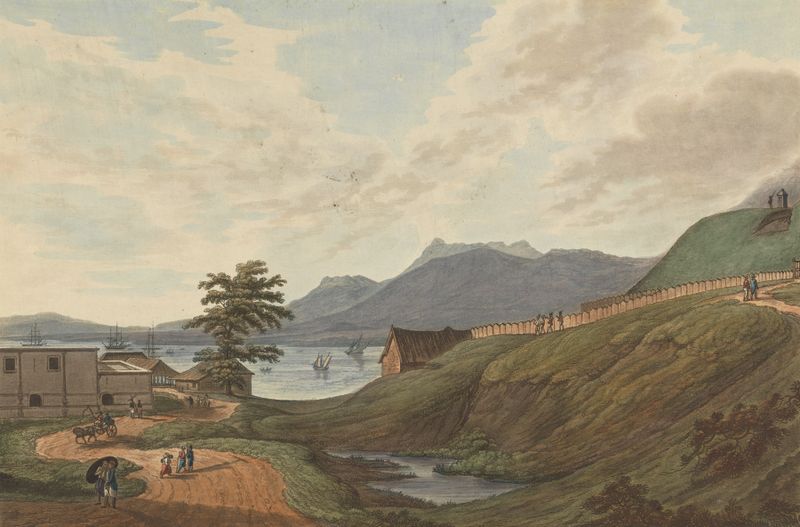
Soongey Lamou Hills Fort Marlborough, Benkulen, Sumatra, 1799
Joseph Constantine Stadler
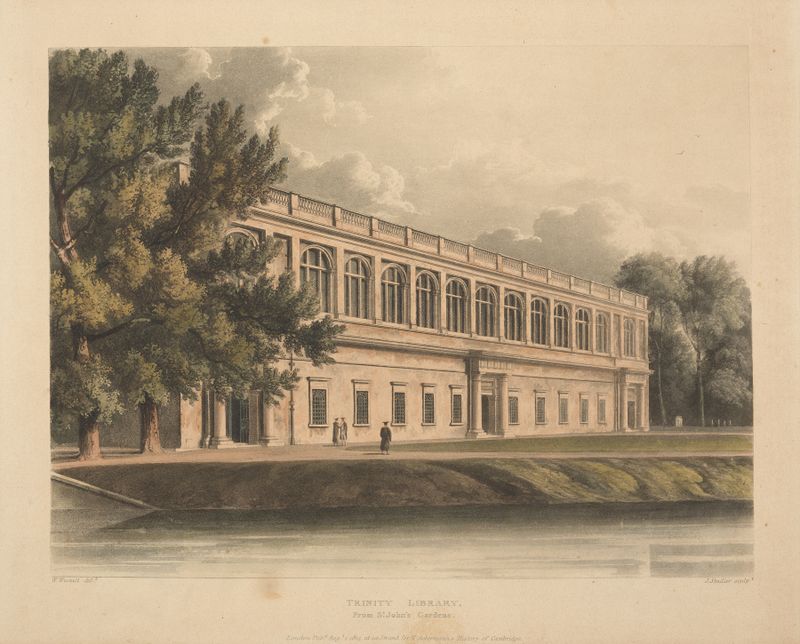
Trinity Library. From St. John’s Gardens.
Joseph Constantine Stadler





