Kitchen of Trinity College — History & Facts
Can paint confess what words never could? In Kitchen of Trinity College, fear lingers in the shadows, threading through the mundane yet profound reality of life. Look to the left at the towering stone walls, their coldness contrasting sharply with the warm, flickering light cast by the cooking fires. The figures of the kitchen staff, clad in humble garb, stir pots and carry trays, yet each gesture seems laden with unspoken anxieties. Notice how the chiaroscuro technique reveals their toil, with dark corners suggesting secrets and unfulfilled dreams, while the glints of light on copper pots evoke fleeting moments of hope amidst their daily grind. The emotional tension is palpable—between the oppressive stone architecture and the fleeting humanity of the workers, a struggle for individuality within the mechanisms of tradition.
The painting captures a moment of labor that transcends simple kitchen duty; it paints a society where fear of failure and the desire for acceptance clash in the silence of the kitchen. The expression on one cook’s face hints at the weight of expectation, embodying the collective burden of those who exist in service to the institution. Joseph Constantine Stadler created this work in 1815 while living in Cambridge, where the academic world was shifting towards Romantic ideals. In a time when societal roles were strictly defined, his depiction of the kitchen workers offers a rare glimpse into the everyday life of those often overlooked, framing their existence within the broader context of a rapidly changing world.
More Artworks by Joseph Constantine Stadler
Browse all →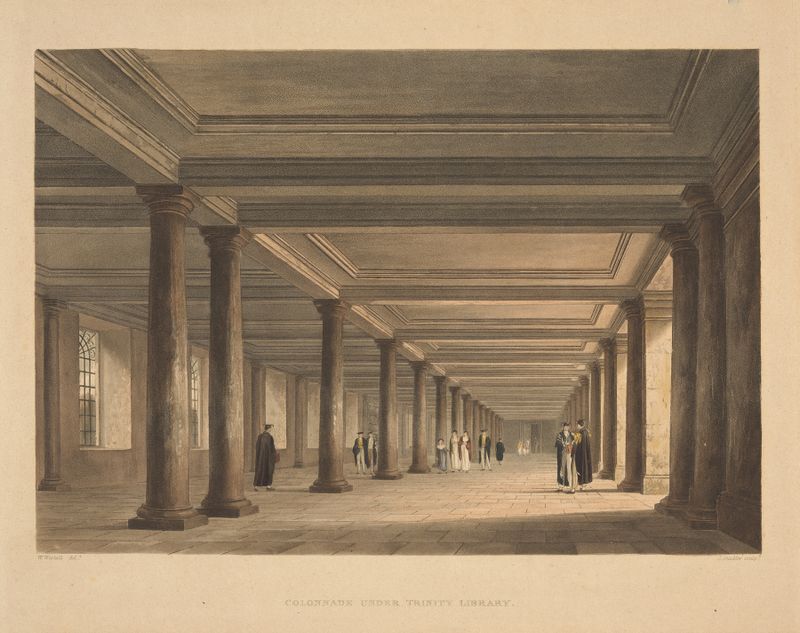
Colonnade under Trinity Library..
Joseph Constantine Stadler
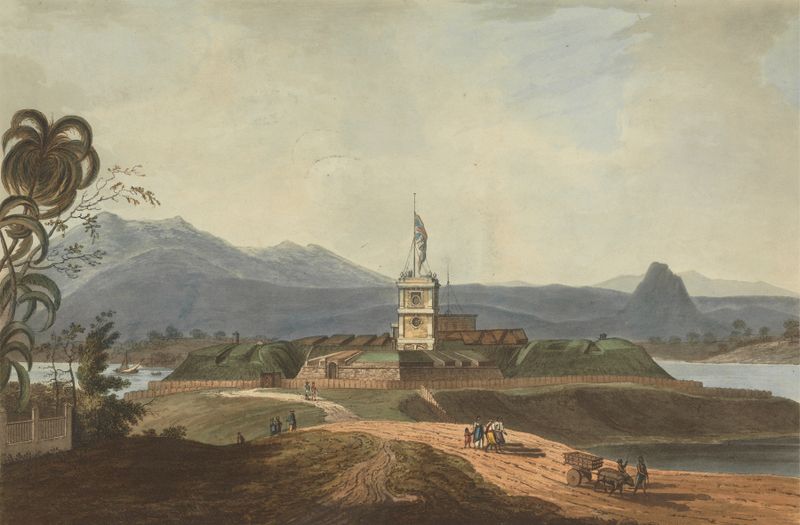
South East View of Fort Marlborough, Benkulen, Sumatra, 1799
Joseph Constantine Stadler
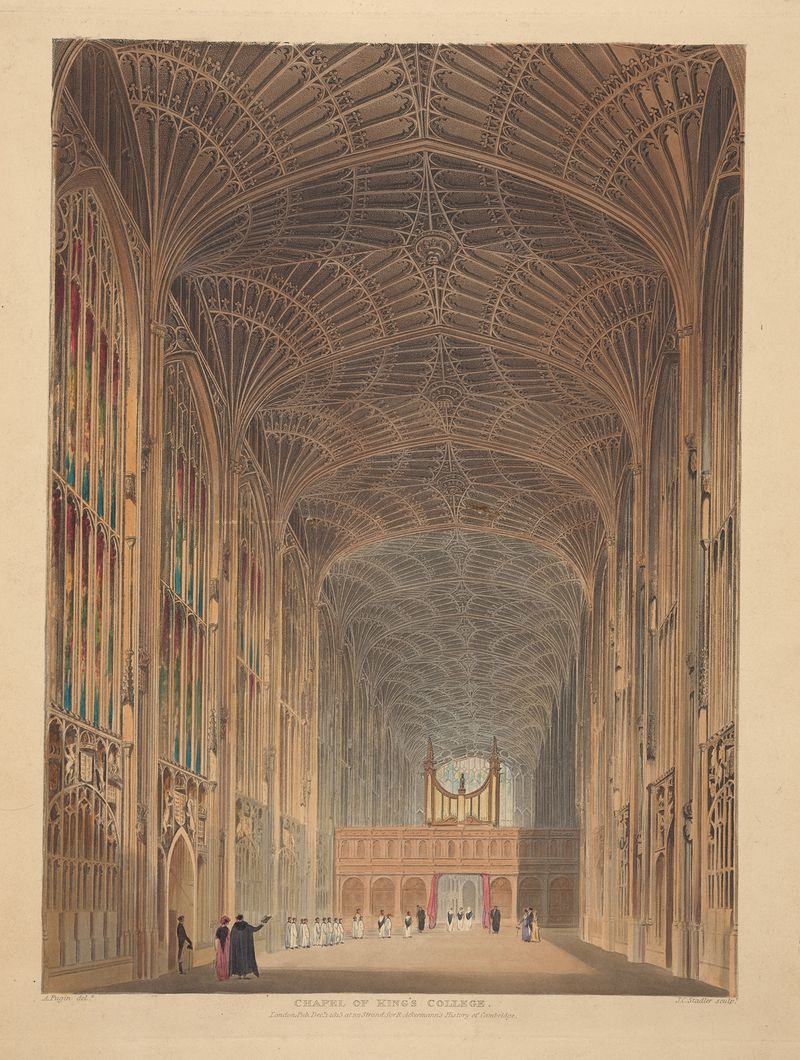
Chapel of King’s College.
Joseph Constantine Stadler
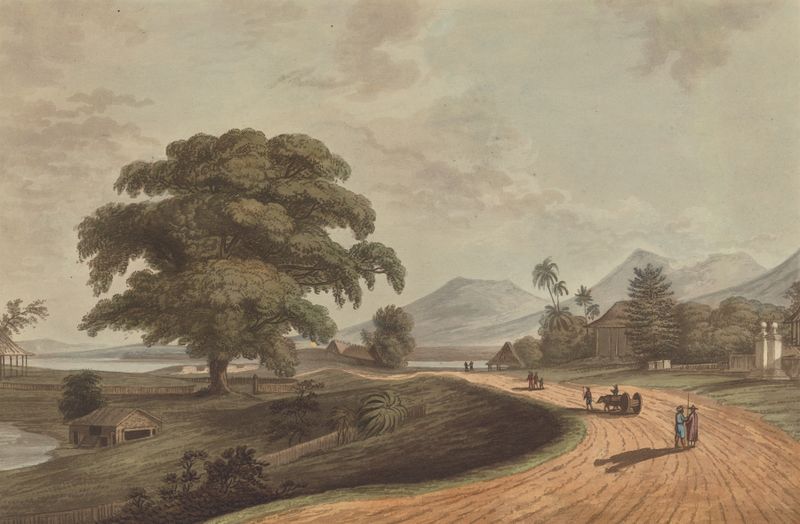
Fort Marlborough from Old Bencoolen, Sumatra, 1799
Joseph Constantine Stadler
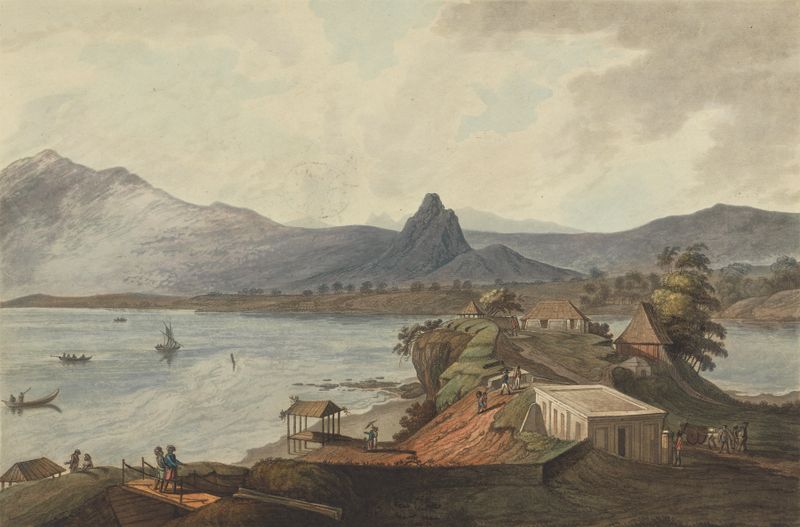
Padre’s Rock and Sugar Loaf Mountain from Bencooler, Sumatra, 1799
Joseph Constantine Stadler
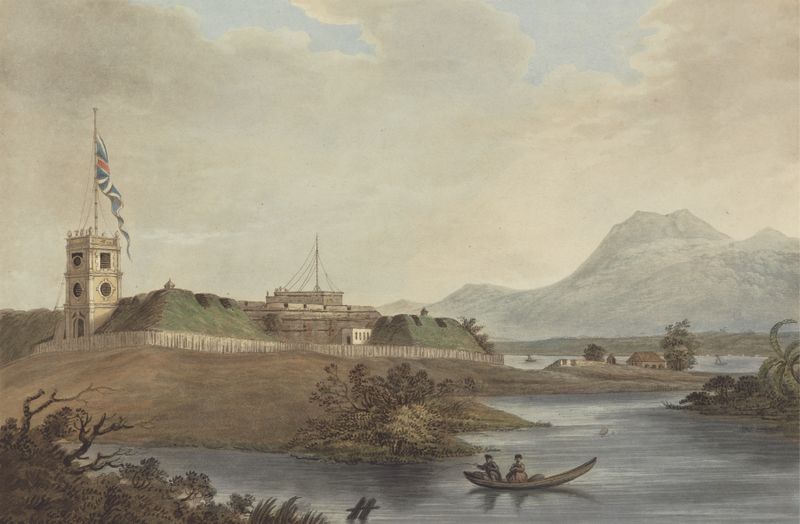
Fort Marlborough, Benkulen, Sumatra, 1799
Joseph Constantine Stadler
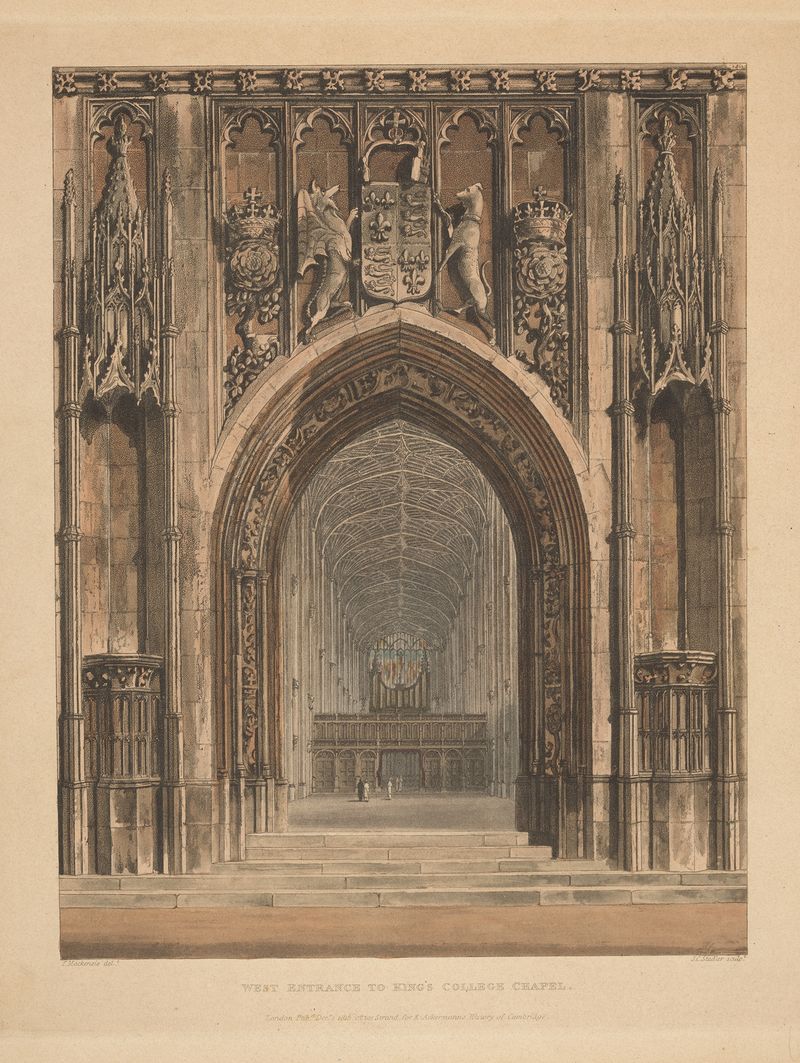
West entrance to King’s College Chapel.
Joseph Constantine Stadler
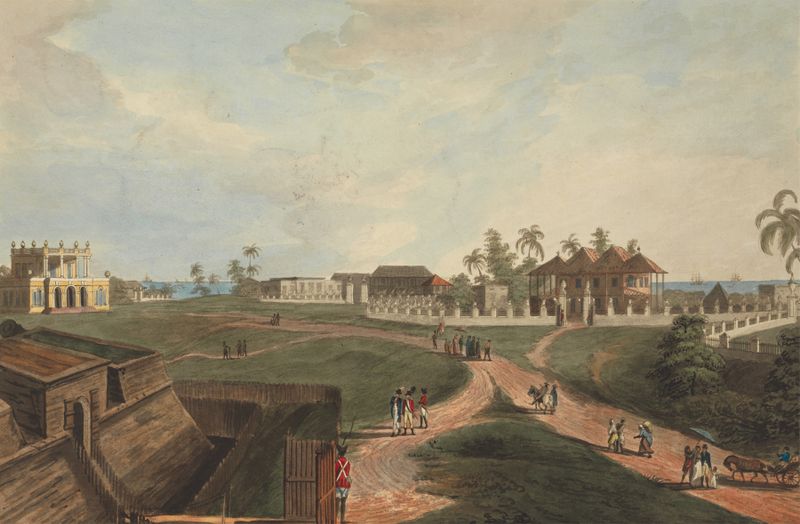
Government House & Council House, Fort Marlborough, Benkulen, Sumatra, 1799
Joseph Constantine Stadler
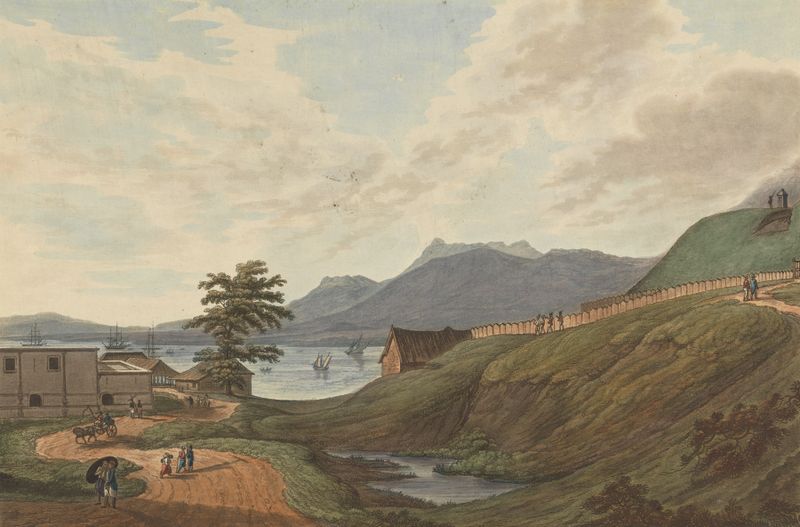
Soongey Lamou Hills Fort Marlborough, Benkulen, Sumatra, 1799
Joseph Constantine Stadler
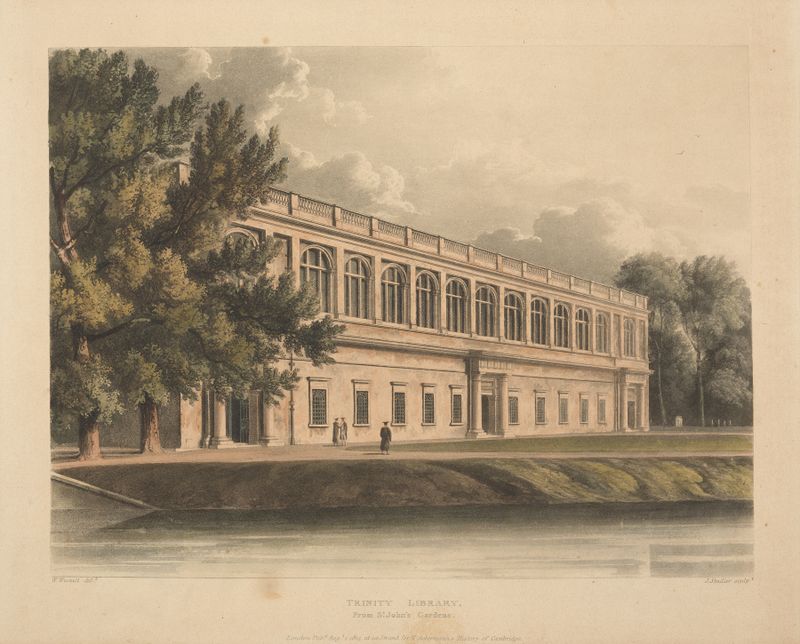
Trinity Library. From St. John’s Gardens.
Joseph Constantine Stadler