
Trinity Library. From St. John’s Gardens. — History & Facts
A soft morning light spills over the lush greenery of St. John’s Gardens, illuminating the majestic façade of Trinity Library. Scholars and students move quietly along the paths, their gestures filled with reverence as they pass the grand entrance, where the weight of knowledge beckons.
The air is still, punctuated only by the rustling of leaves—a moment suspended in time, hinting at the harmony between nature and intellect. Look to the left, where the intricate stonework of the library stands in stark contrast to the vibrant foliage surrounding it. Notice how the light dances upon the textured surfaces, accentuating the architectural details with a golden hue. The composition is masterfully balanced, directing your gaze along the path that leads to the library's imposing doors, framed by trees that seem to reach out, inviting visitors into a world of discovery. Beneath this serene surface lies a profound dialogue between the permanence of the library and the ephemeral nature of the visitors.
The juxtaposition of the sturdy stone against the ephemeral movements of the people reflects a broader theme of knowledge enduring amidst the fleeting moments of life. Each figure contributes to the sense of balance, forging connections between tradition and the new generation eager to learn. In 1814, Stadler was navigating the early stages of his career within an art world that was increasingly embracing Romantic ideals and a fascination with nature. Painted during a time of burgeoning intellectual activity in Edinburgh, this work captures the essence of the city’s dedication to education and enlightenment, a testament to both the artist's skill and the cultural currents shaping his vision.
More Artworks by Joseph Constantine Stadler
Browse all →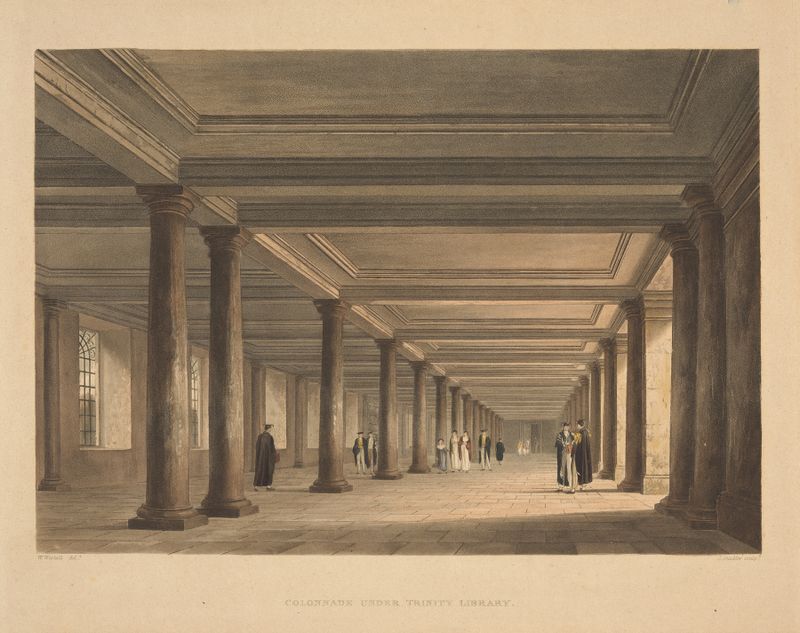
Colonnade under Trinity Library..
Joseph Constantine Stadler
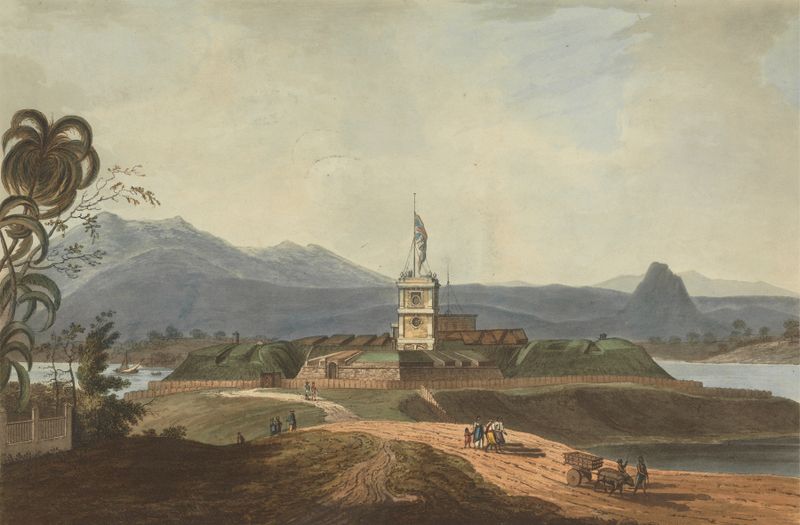
South East View of Fort Marlborough, Benkulen, Sumatra, 1799
Joseph Constantine Stadler
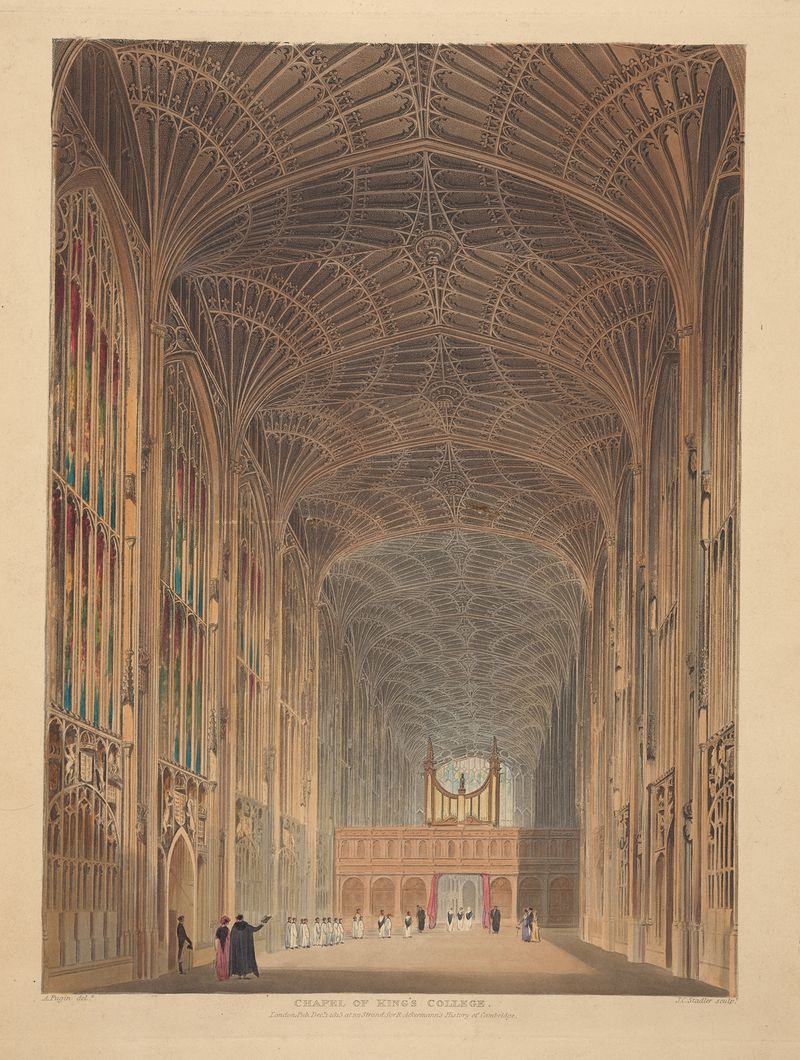
Chapel of King’s College.
Joseph Constantine Stadler
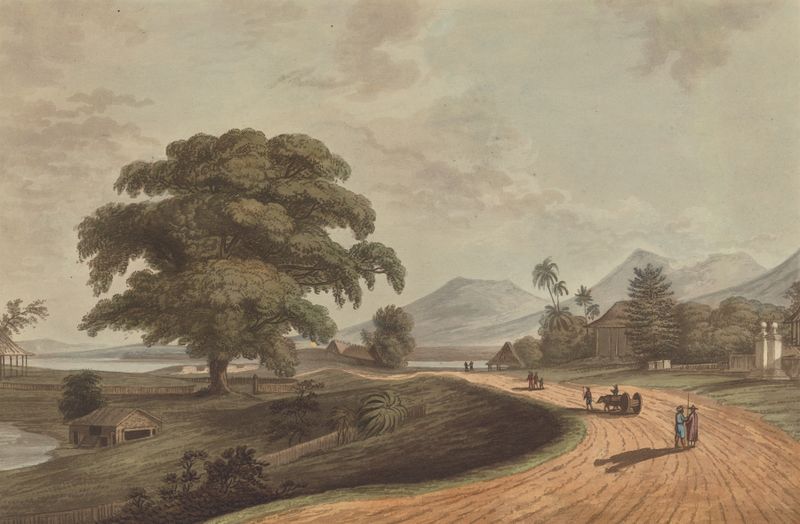
Fort Marlborough from Old Bencoolen, Sumatra, 1799
Joseph Constantine Stadler
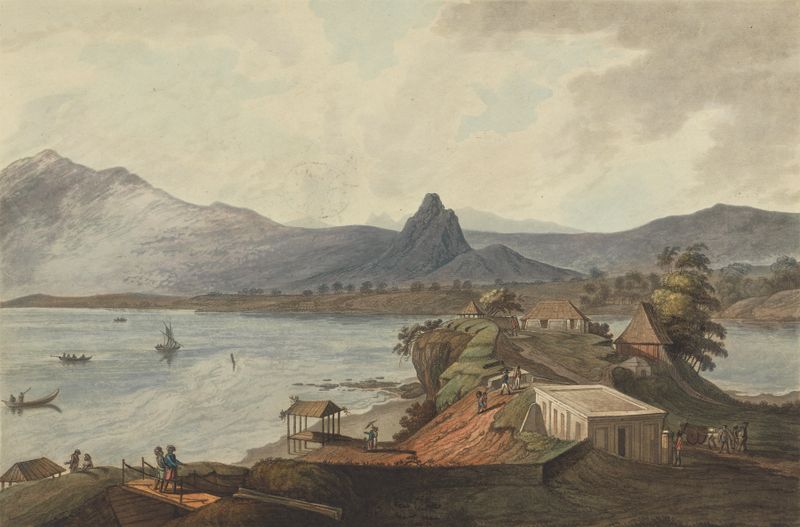
Padre’s Rock and Sugar Loaf Mountain from Bencooler, Sumatra, 1799
Joseph Constantine Stadler
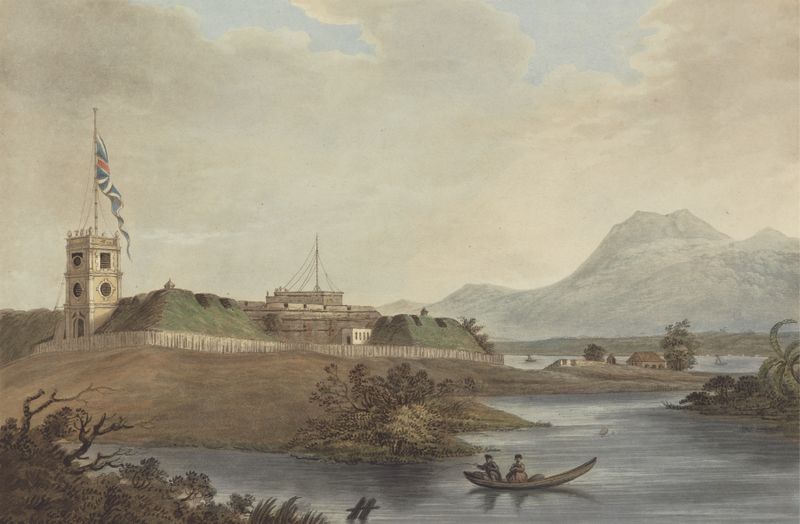
Fort Marlborough, Benkulen, Sumatra, 1799
Joseph Constantine Stadler
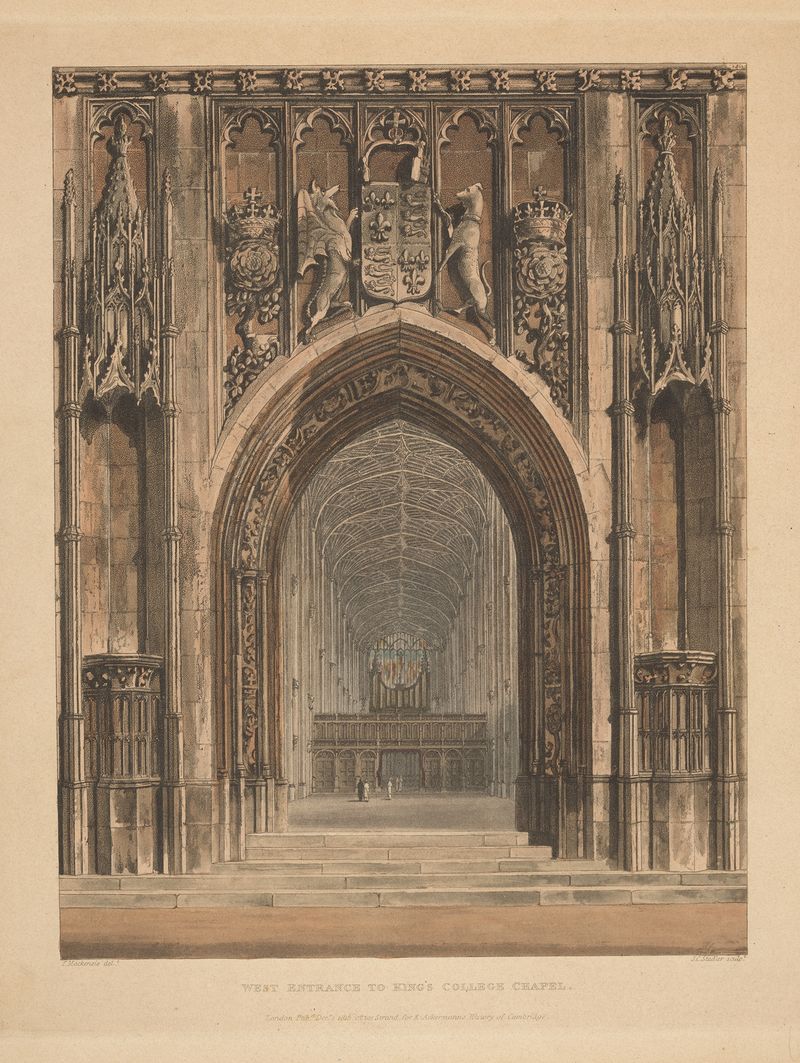
West entrance to King’s College Chapel.
Joseph Constantine Stadler
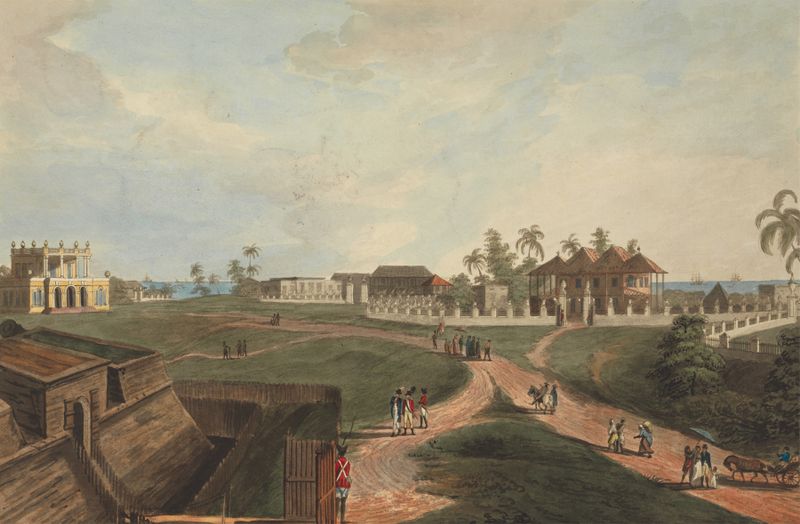
Government House & Council House, Fort Marlborough, Benkulen, Sumatra, 1799
Joseph Constantine Stadler
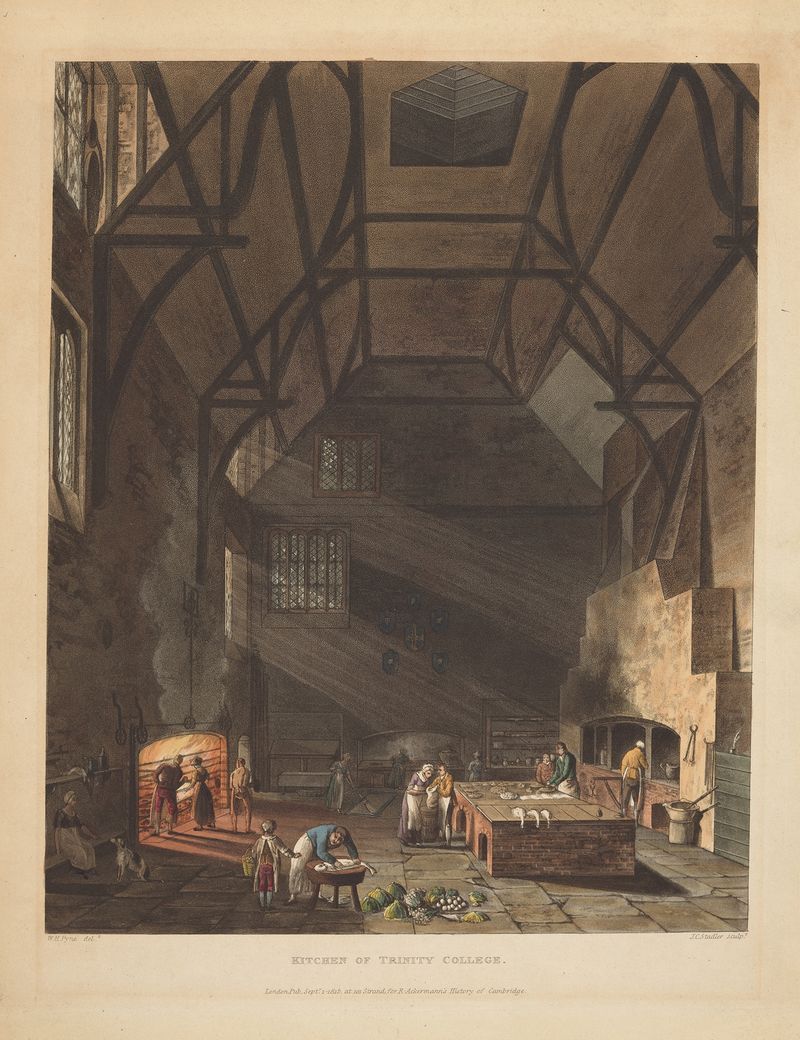
Kitchen of Trinity College
Joseph Constantine Stadler
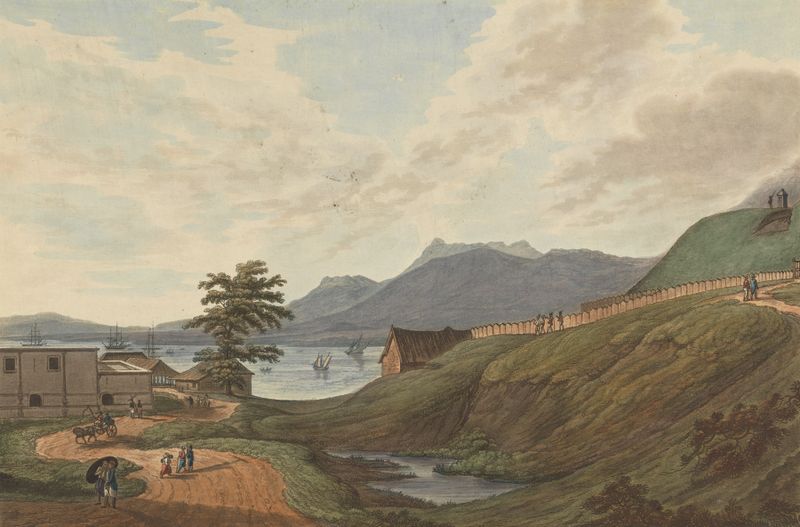
Soongey Lamou Hills Fort Marlborough, Benkulen, Sumatra, 1799
Joseph Constantine Stadler
More Architecture Art
Browse all →
The statue of Liberty
Frédéric Auguste Bartholdi

View of Houses in Delft, Known as ‘The Little Street’
Johannes Vermeer

View of Houses in Delft, Known as ‘The Little Street’
Johannes Vermeer

The Cathedral in Rouen. The portal, Grey Weather
Claude Monet

The yellow house
Vincent van Gogh

The Church in Auvers-sur-Oise, View from the Chevet
Vincent van Gogh