
West entrance to King’s College Chapel. — History & Facts
Can beauty exist without sorrow? The intricate west entrance to King’s College Chapel invites us to explore this question, revealing a façade rich with history and a hint of decay that beckons the viewer to ponder the passage of time. Look to the left at the towering stone arches, which rise majestically, intricately carved with gothic details that showcase the artist's meticulous attention to architectural form. Notice how the light gently plays upon the weathered stone, illuminating the delicate craftsmanship while also highlighting the creeping shadows of age. The warm hues of the sandstone contrast with cooler undertones that suggest a lingering melancholy, creating a profound sense of depth in this sacred space. Hidden within the grandeur of the entrance is a delicate dance between life and decay.
The eroded surfaces whisper stories of countless visitors, each wear marking a moment in time, reminding us that beauty often thrives alongside deterioration. The interplay of light and shadow evokes an emotional tension, suggesting that the chapel’s grandeur is forever entwined with its inevitable decline, a testament to both human aspiration and mortality. In 1815, Stadler painted this masterpiece while England was undergoing significant social and artistic changes. The Romantic movement thrived, inspiring artists to embrace emotion and the sublime in their work.
Amidst this backdrop, Stadler’s portrayal of the chapel reflects not just architectural prowess, but also a deep engagement with the contrasts of beauty and decay that define the human experience.
More Artworks by Joseph Constantine Stadler
Browse all →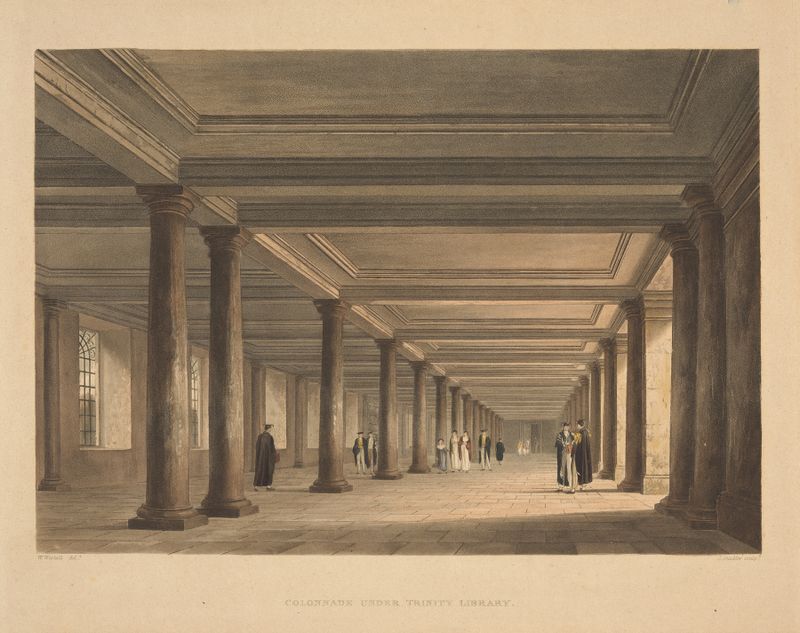
Colonnade under Trinity Library..
Joseph Constantine Stadler
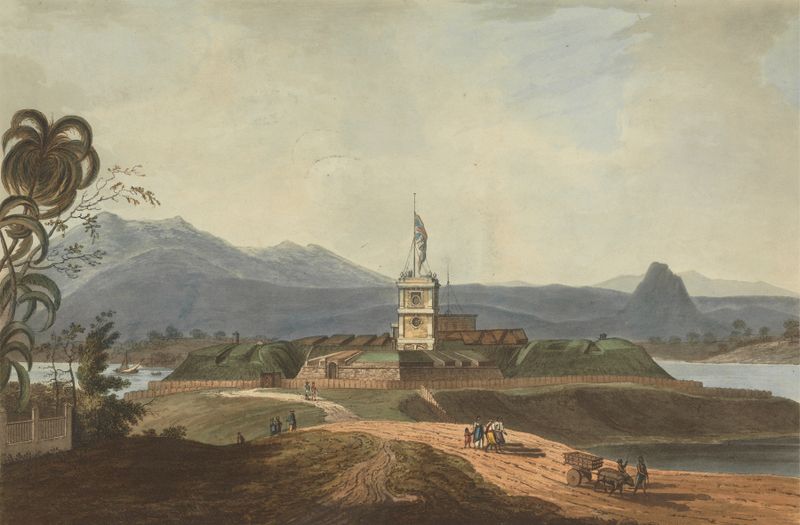
South East View of Fort Marlborough, Benkulen, Sumatra, 1799
Joseph Constantine Stadler
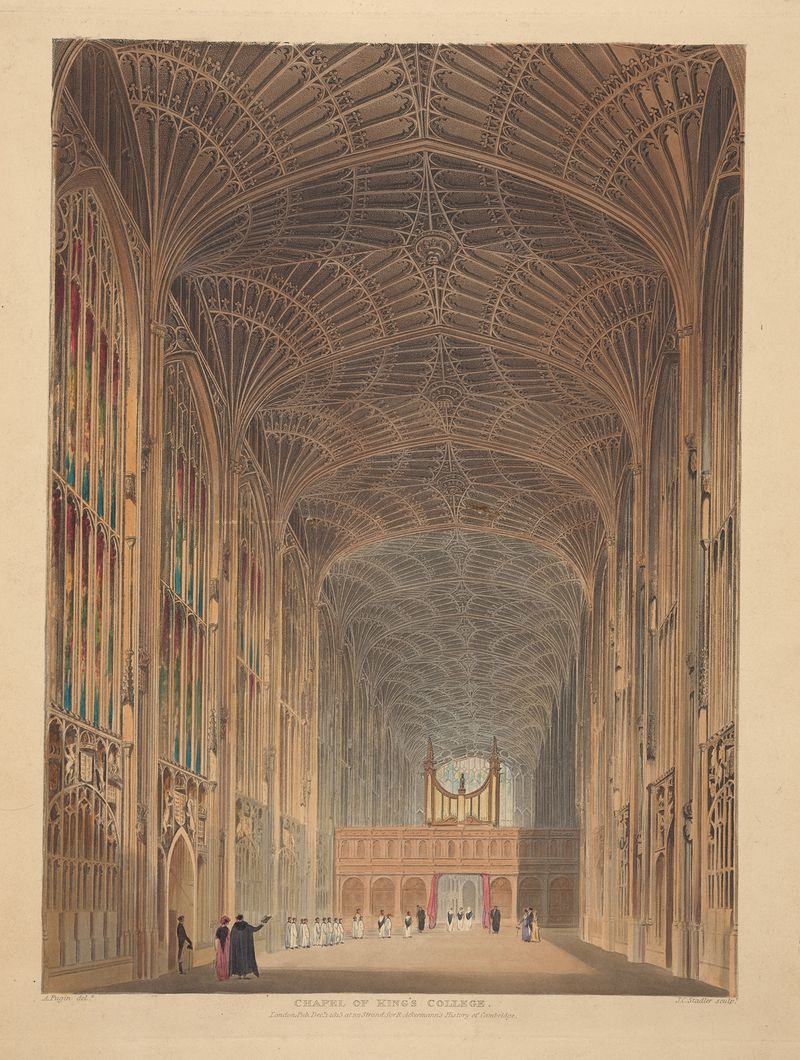
Chapel of King’s College.
Joseph Constantine Stadler
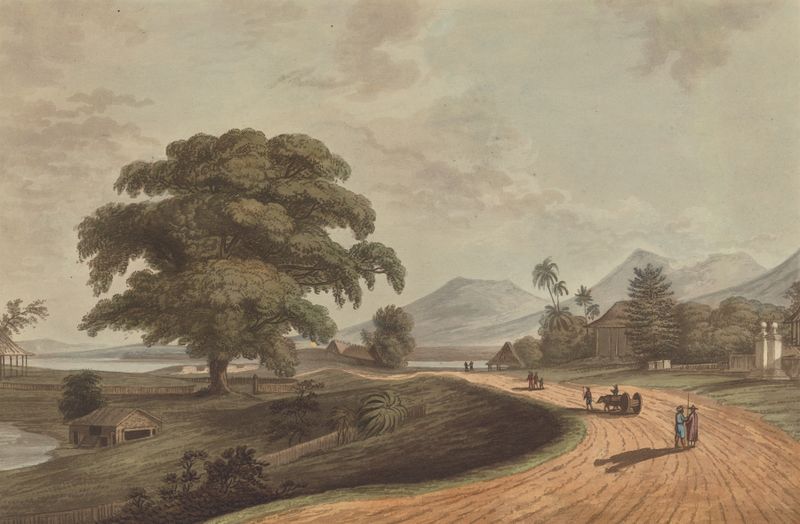
Fort Marlborough from Old Bencoolen, Sumatra, 1799
Joseph Constantine Stadler
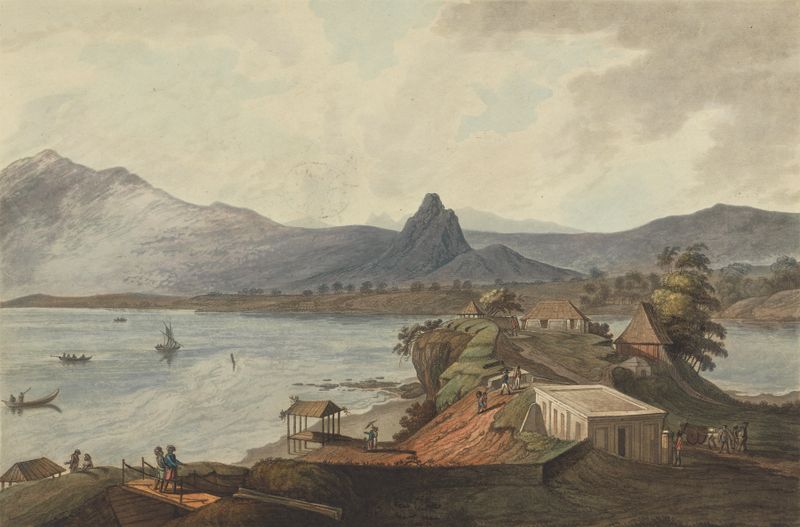
Padre’s Rock and Sugar Loaf Mountain from Bencooler, Sumatra, 1799
Joseph Constantine Stadler
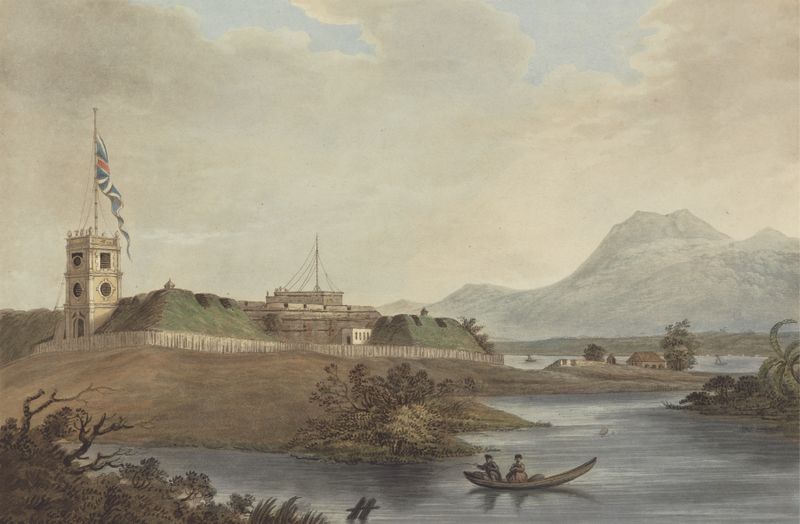
Fort Marlborough, Benkulen, Sumatra, 1799
Joseph Constantine Stadler
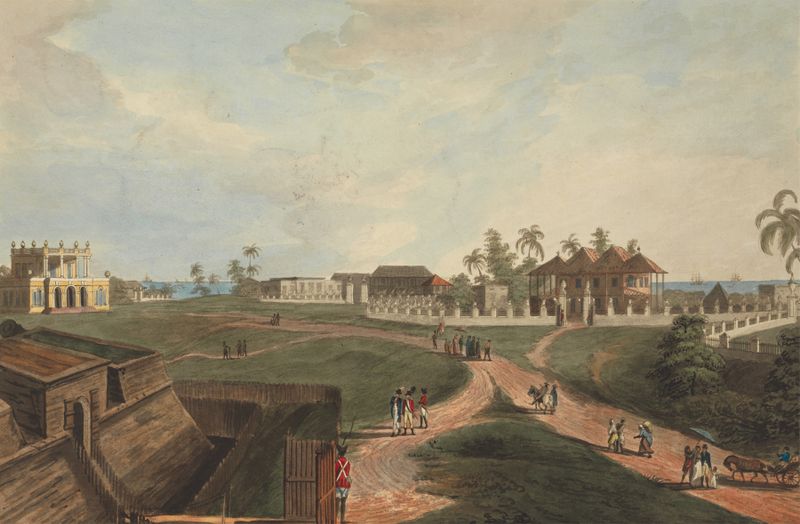
Government House & Council House, Fort Marlborough, Benkulen, Sumatra, 1799
Joseph Constantine Stadler
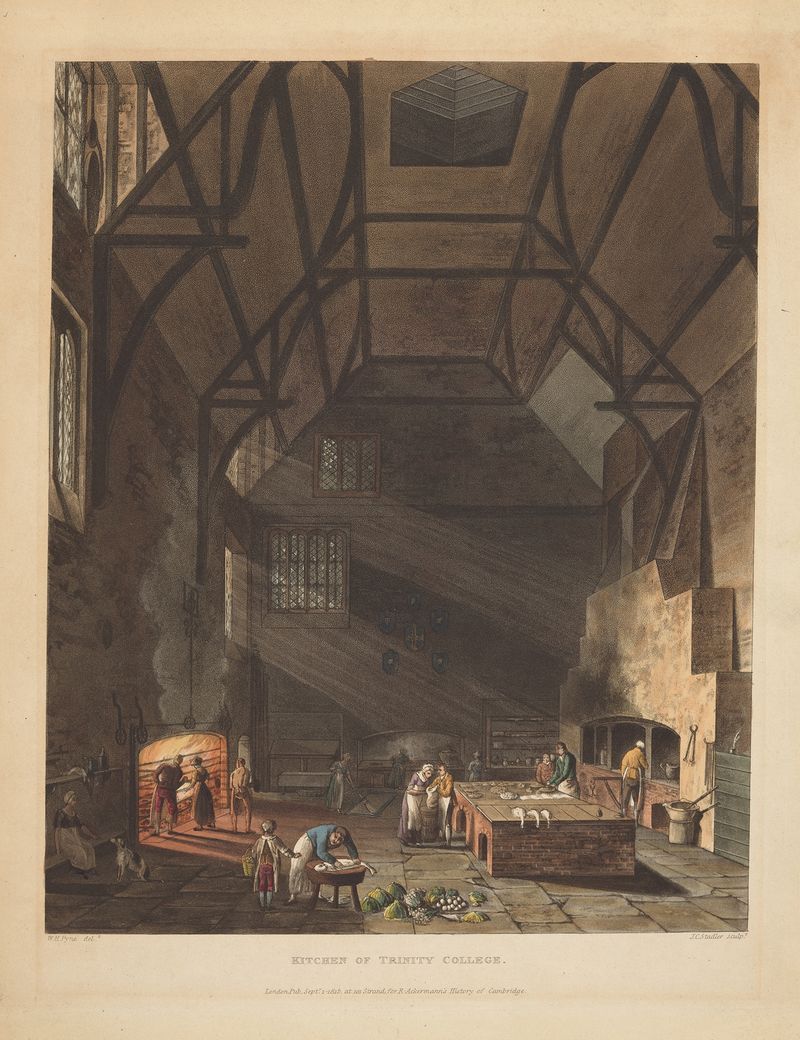
Kitchen of Trinity College
Joseph Constantine Stadler
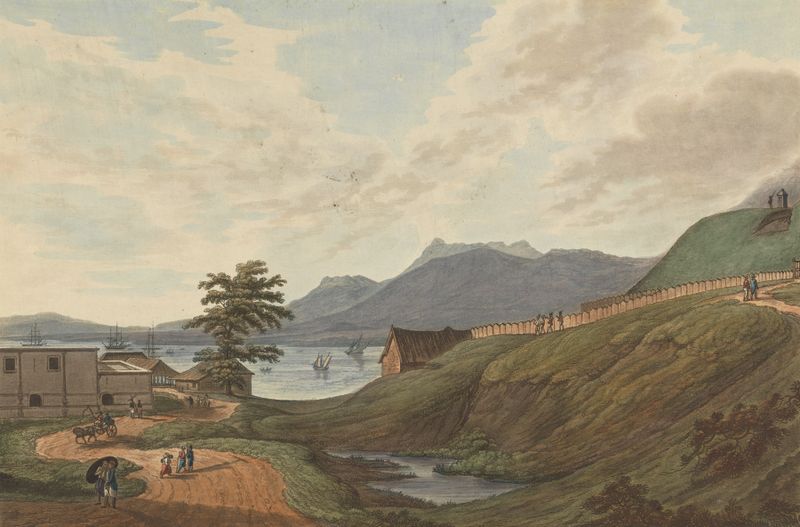
Soongey Lamou Hills Fort Marlborough, Benkulen, Sumatra, 1799
Joseph Constantine Stadler
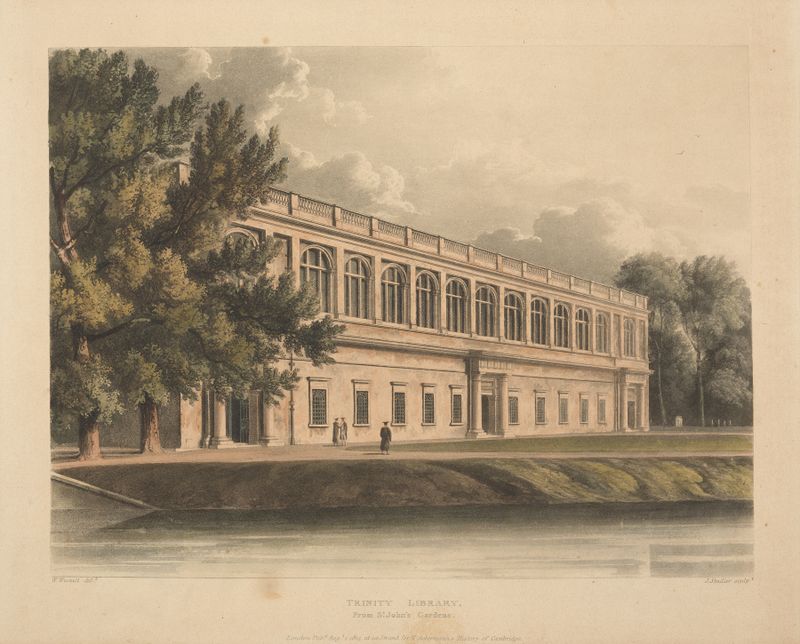
Trinity Library. From St. John’s Gardens.
Joseph Constantine Stadler
More Architecture Art
Browse all →
The statue of Liberty
Frédéric Auguste Bartholdi

View of Houses in Delft, Known as ‘The Little Street’
Johannes Vermeer

View of Houses in Delft, Known as ‘The Little Street’
Johannes Vermeer

The Cathedral in Rouen. The portal, Grey Weather
Claude Monet

The yellow house
Vincent van Gogh

The Church in Auvers-sur-Oise, View from the Chevet
Vincent van Gogh