
Chapter XI. The Sea-eagle reneweth his life — History & Facts
In Chapter XI. The Sea-eagle reneweth his life, the viewer is greeted with a vibrant palette of blues and greens, reflecting the sea and sky. The central figure of the sea-eagle is depicted in a dynamic pose, symbolizing renewal and strength.
Surrounding the eagle are elements of nature, enhancing the sense of life and vitality. The overall composition draws the eye towards the eagle, creating a focal point that conveys energy. The painting is executed in oil on canvas, showcasing the artist's skill in blending colors to create depth. Crane employs a variety of brush techniques to achieve texture in the feathers of the eagle and the waves of the sea.
The size of the painting, approximately 100 x 150 cm, allows for intricate details that invite closer inspection. The use of light and shadow adds dimension, making the scene more lifelike. Walter Crane was a prominent figure in the Victorian art movement, known for his illustrations and decorative arts. This work, created in the 1890s, reflects his interest in mythology and nature.
An interesting fact about this painting is that it was inspired by the idea of renewal, a theme prevalent in Crane's later works. It captures the essence of the Victorian fascination with nature and the symbolism of rebirth.
More Artworks by Walter Crane

Oranges and Lemons
Walter Crane
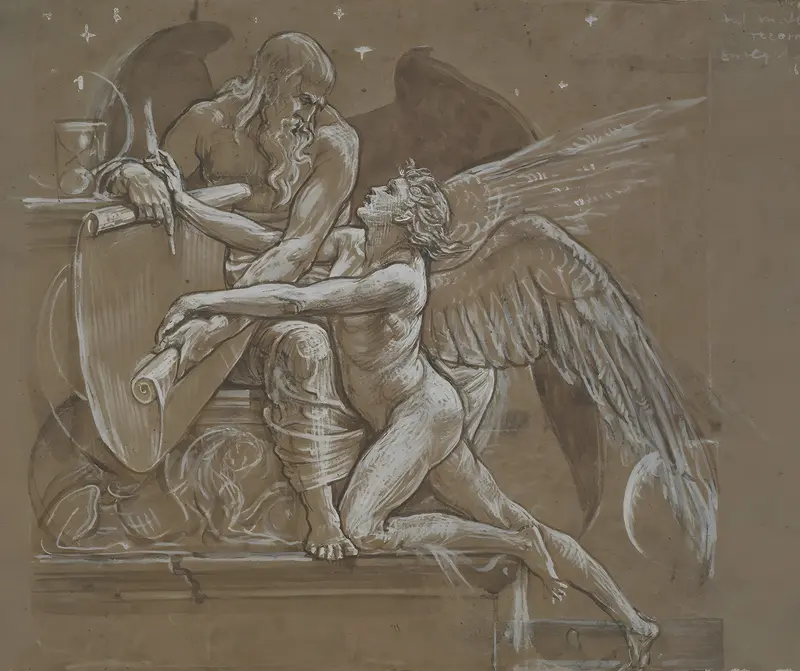
The Roll of Fate, England
Walter Crane
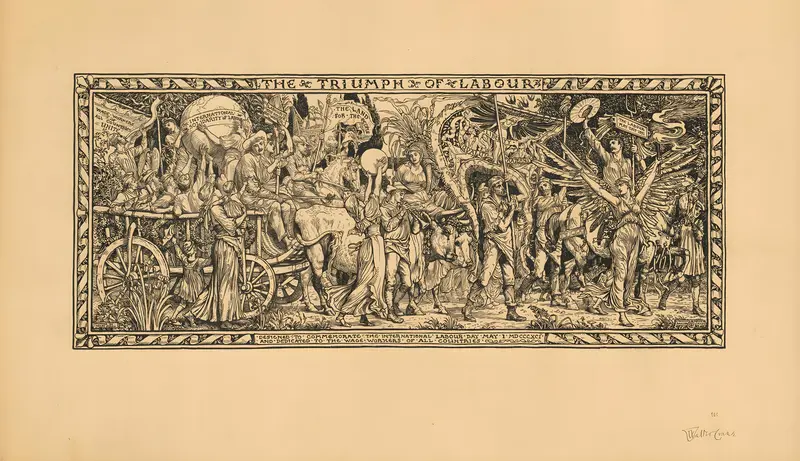
The Triumph of Labour. Designed to commemorate The International Labour Day
Walter Crane
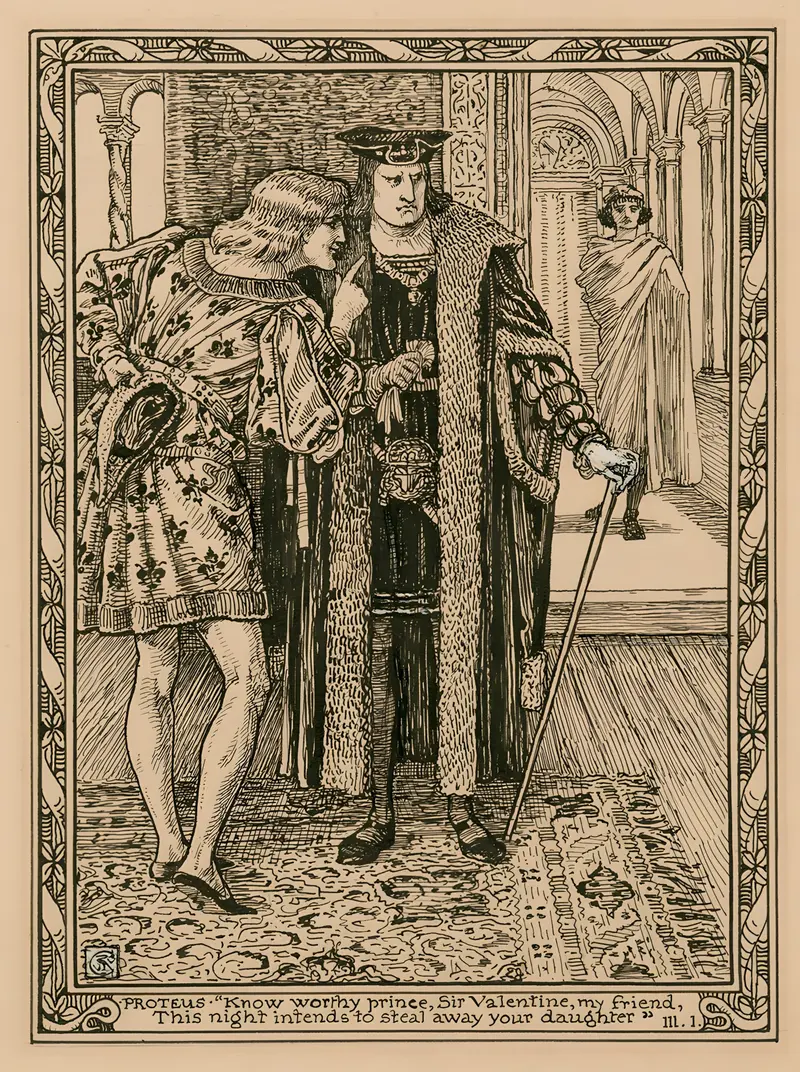
Proteus; ‘Know worthy prince, Sir Valentine, my friend, this night intends to steal away your daughter’, III, 1
Walter Crane
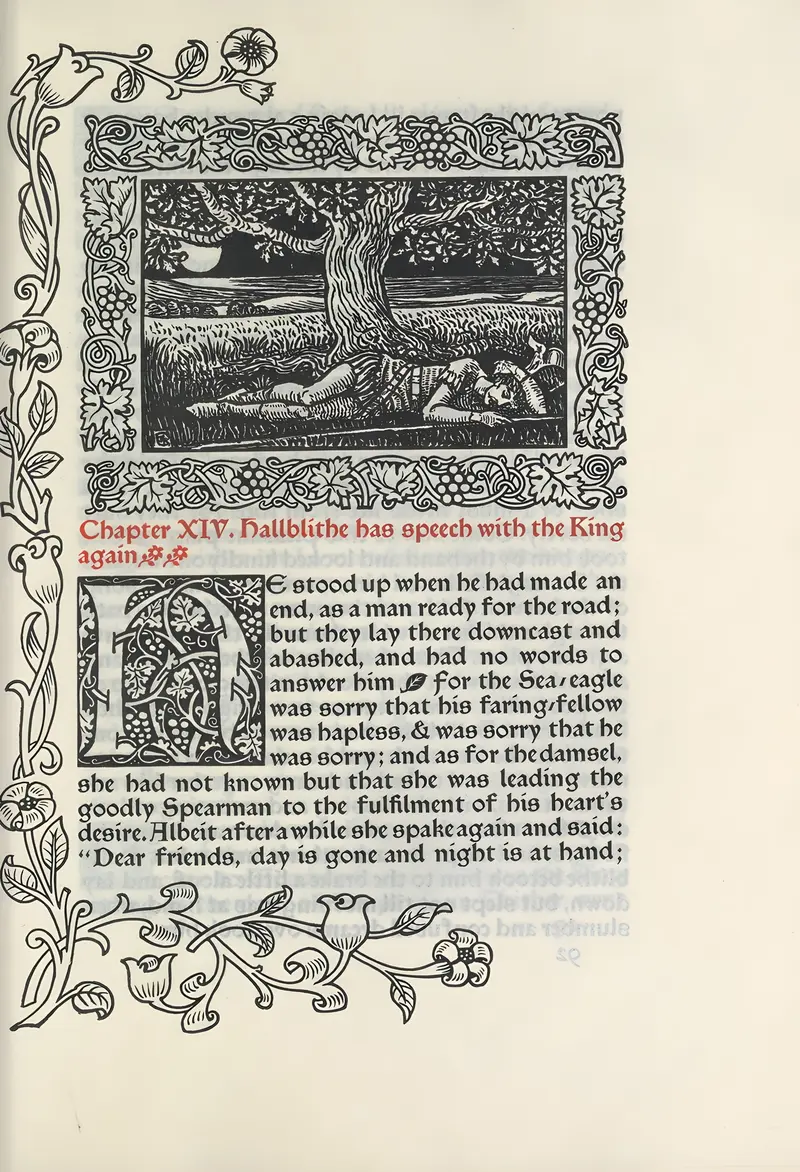
Chapter XIV. Hallblithe has speech with the King again
Walter Crane
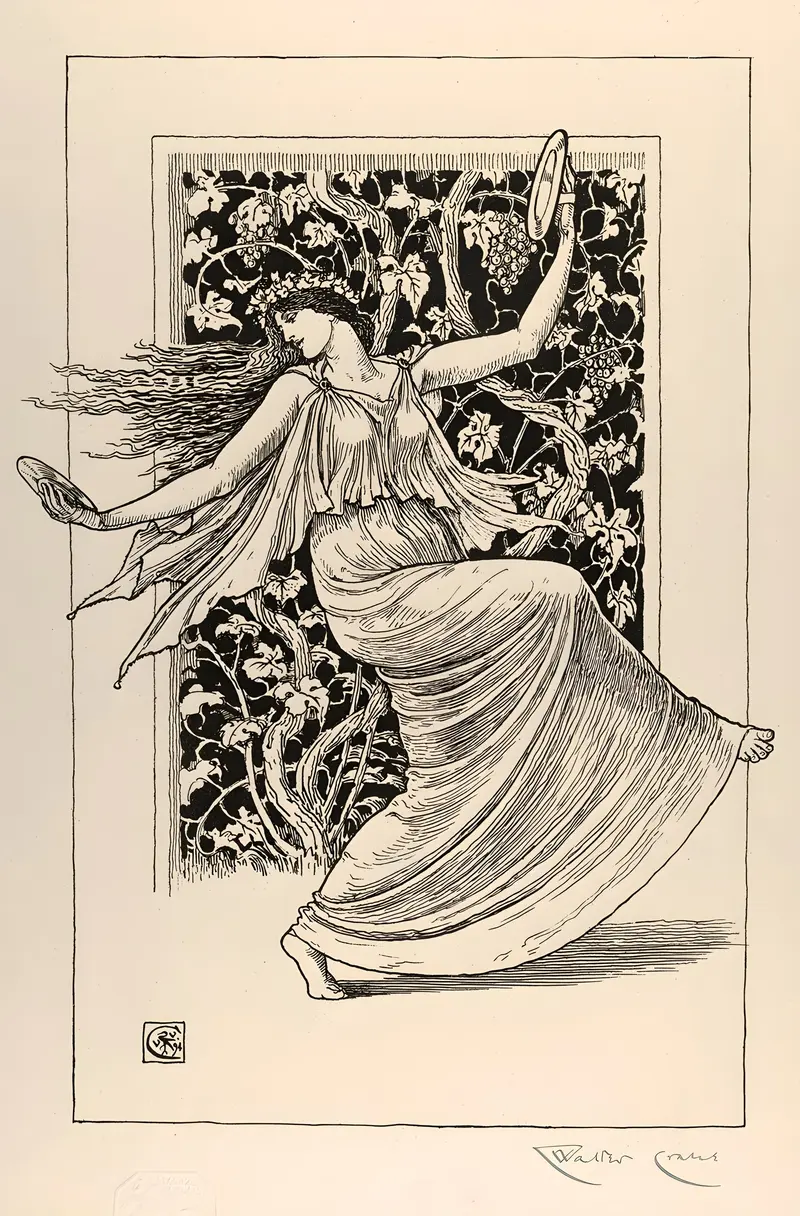
Dancing Nymph
Walter Crane
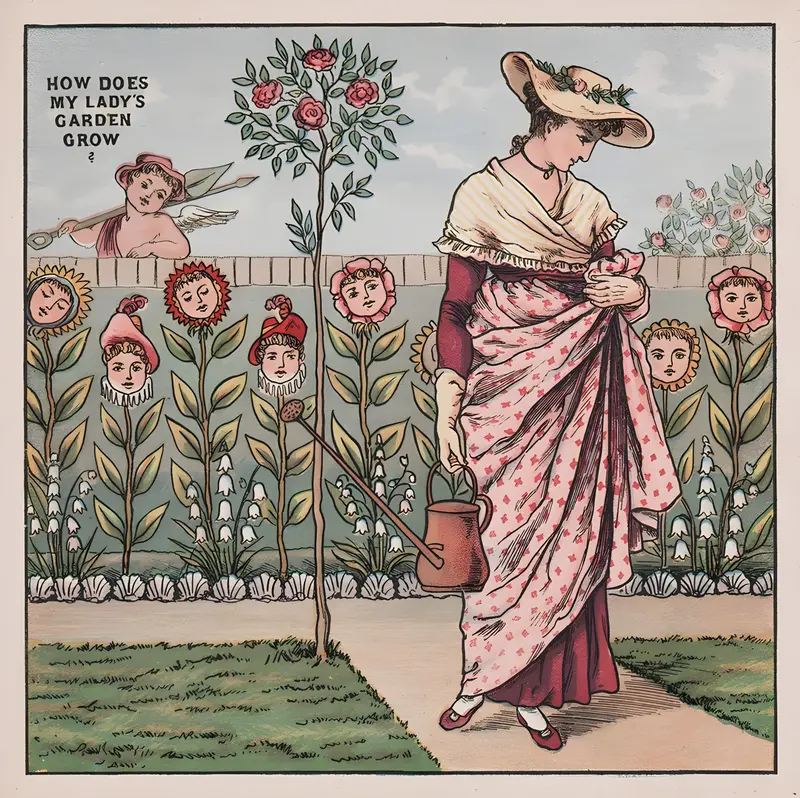
How does my lady’s garden grow
Walter Crane
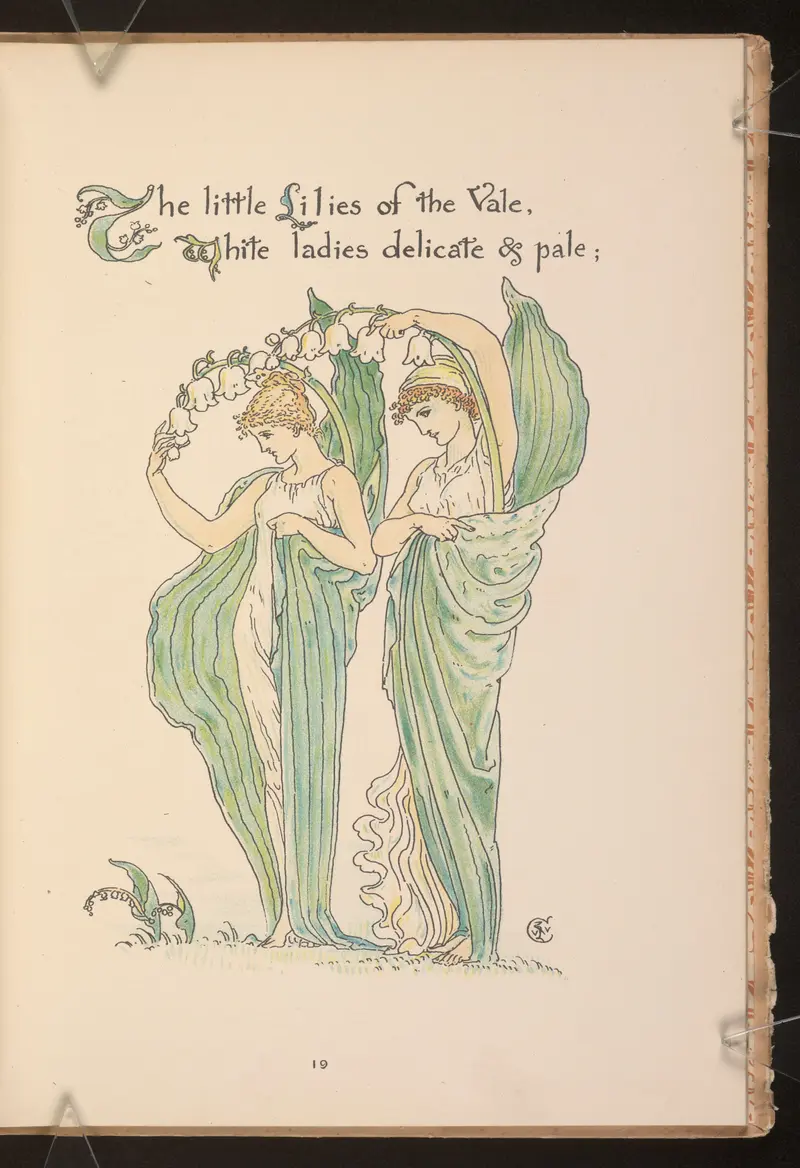
Flora’s feast; A masque of flowers Pl.19
Walter Crane
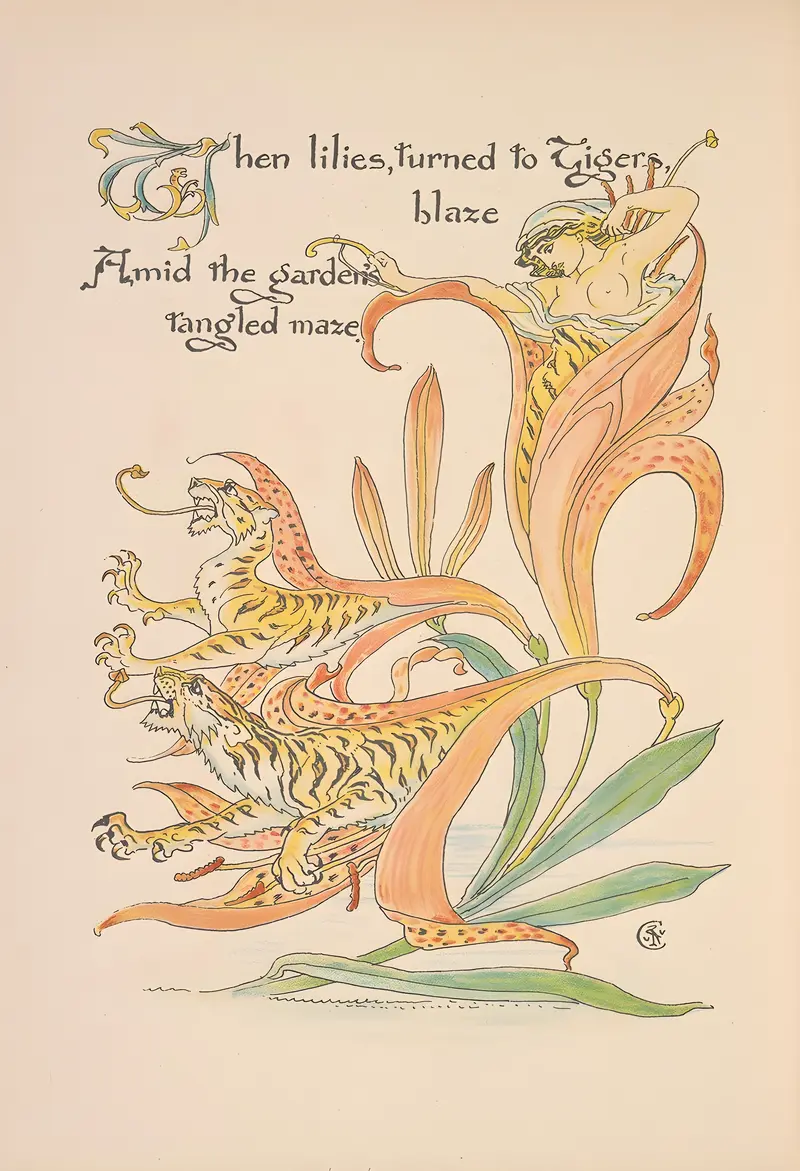
Flora’s feast; A masque of flowers Pl.34
Walter Crane
Flora’s feast; A masque of flowers Pl.29
Walter Crane





