
Charcoal Kiln in an Oak Tree Forest — History & Facts
When did color learn to lie? In a world so captivated by the vividness of hues, we often forget that some of the most compelling truths lie in the shadows. Look to the center of the composition, where the charcoal kiln stands solemnly amid a dense oak tree forest. The use of muted browns and grays creates a haunting atmosphere, allowing the kiln to emerge almost as a ghostly presence. Notice how the intricate details of the bark contrast with the smoothness of the kiln's surface, demonstrating Lessing’s mastery in rendering texture and depth.
The interplay of light filtering through the canopy highlights the kiln's role as both a functional object and a symbol of industry, ensnared in nature's embrace. Delve deeper into the painting, and you'll uncover a narrative of tension between human endeavor and the wildness of the forest. The kiln, with its darkened form, stands as a testament to human ingenuity, yet it is dwarfed by the towering oaks that surround it. This contrast raises questions about the impact of industrialization on the natural world—an illusion of progress overshadowed by the undeniable permanence of nature.
Each tree seems to whisper stories of endurance, silently critiquing the fleeting nature of human constructions. In 1838, Lessing painted this piece during a time of burgeoning industrial change in Germany. The Romantic movement was in full swing, emphasizing the beauty of nature and the human experience in contrast to industrialization. As he immersed himself in this work, he sought to capture the complex relationship between man and nature, a theme that resonated deeply with the artistic currents of his time.
This work serves as both a reflection of his own life and the broader societal shifts occurring around him.
More Artworks by Karl Friedrich Lessing
Browse all →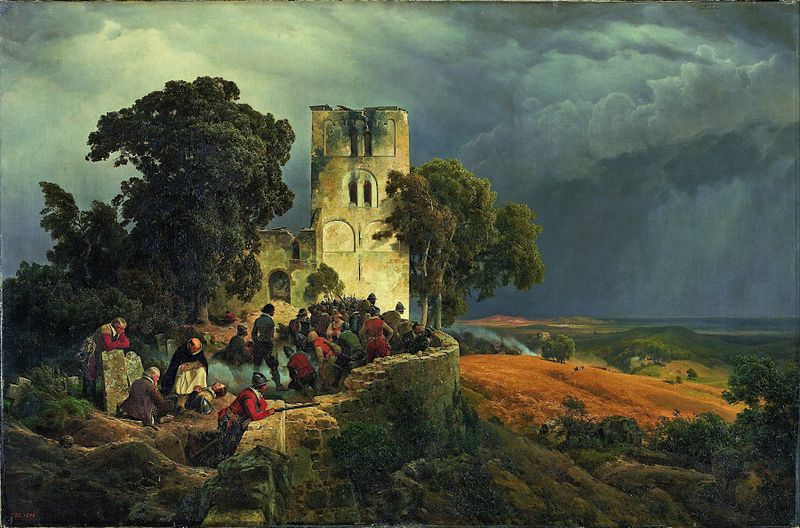
The Siege (Defense of a Church Courtyard During the Thirty Years’ War)
Karl Friedrich Lessing

The Thousand-Year-Old Oak
Karl Friedrich Lessing

Das Bodetal im Harz
Karl Friedrich Lessing
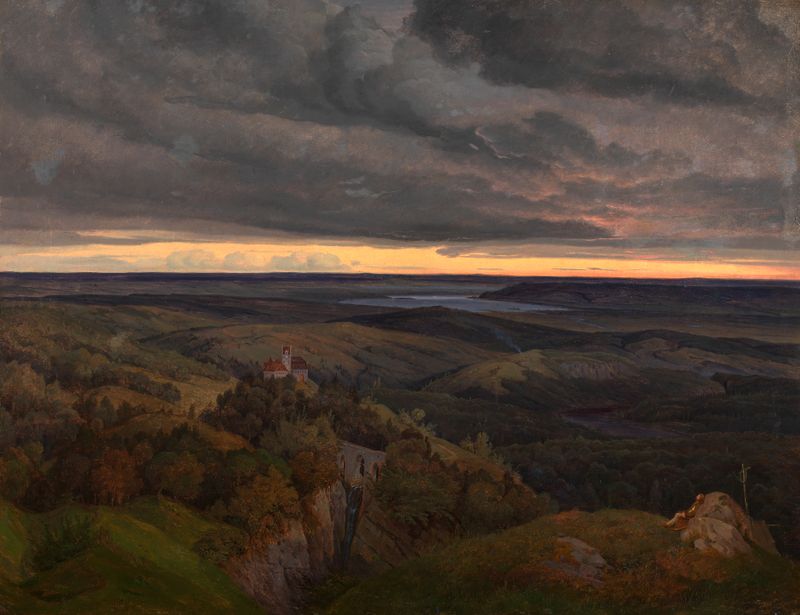
Eifellandschaft
Karl Friedrich Lessing
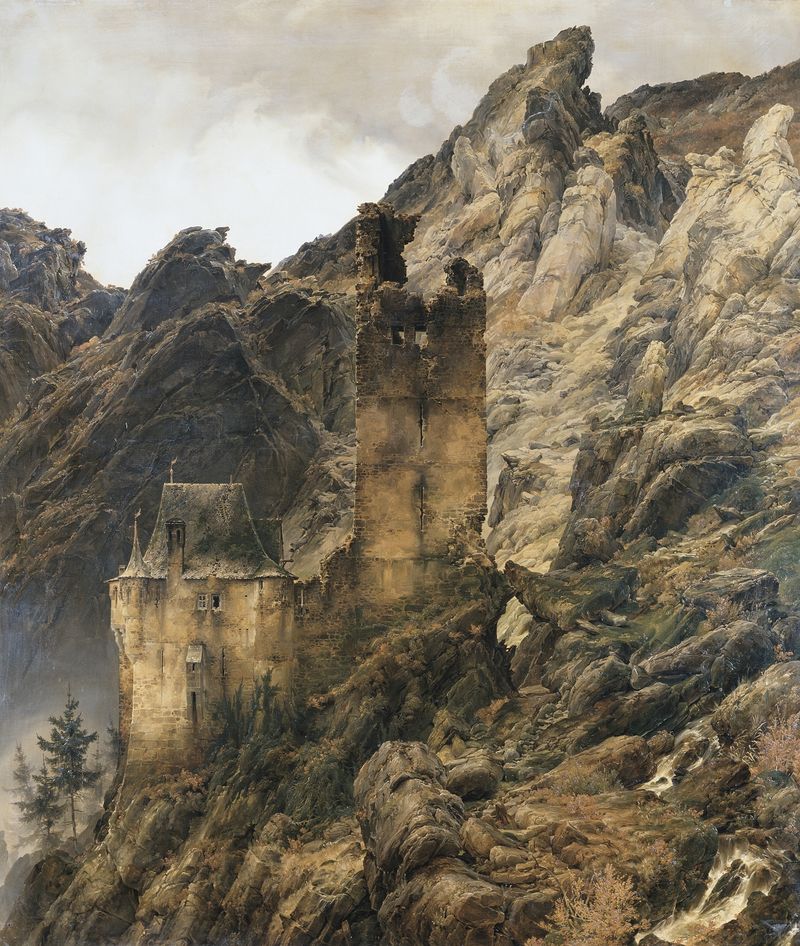
Rocky Landscape, Gorge with Ruins
Karl Friedrich Lessing
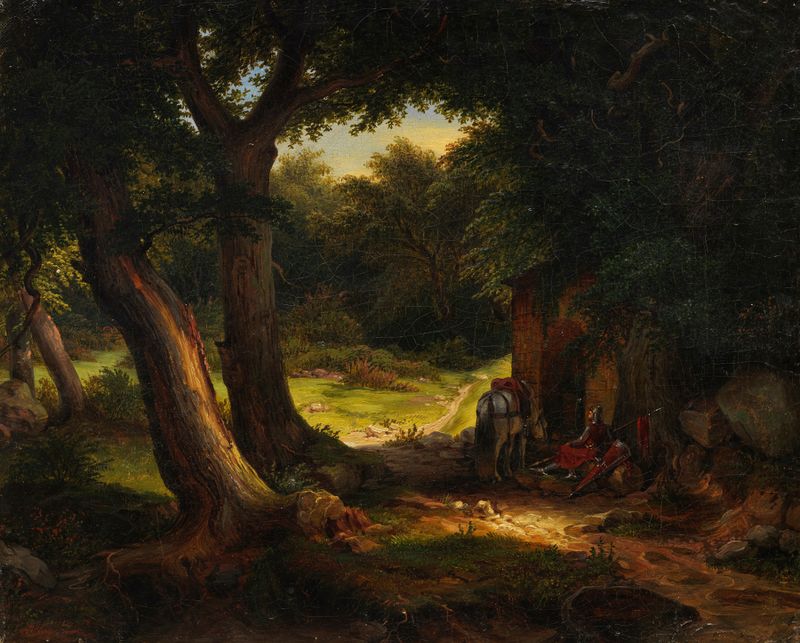
Eichenwald mit einem am Brunnen rastenden Kreuzritter
Karl Friedrich Lessing
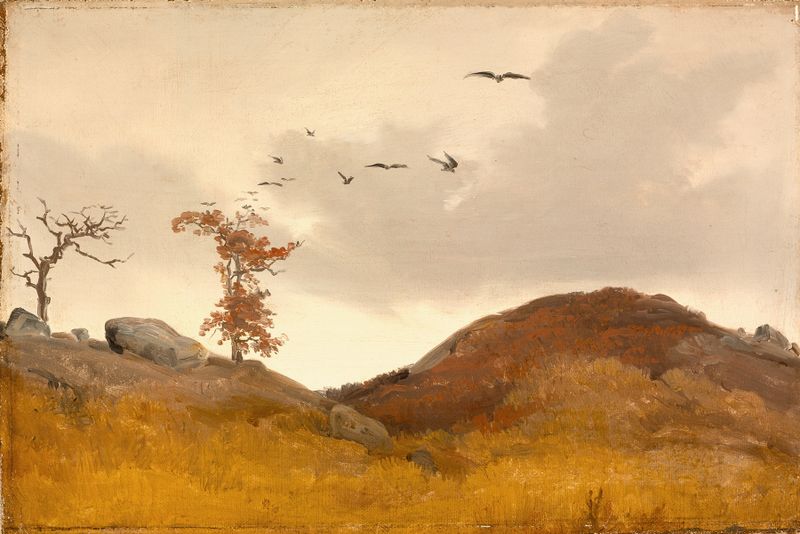
Landscape with Crows
Karl Friedrich Lessing
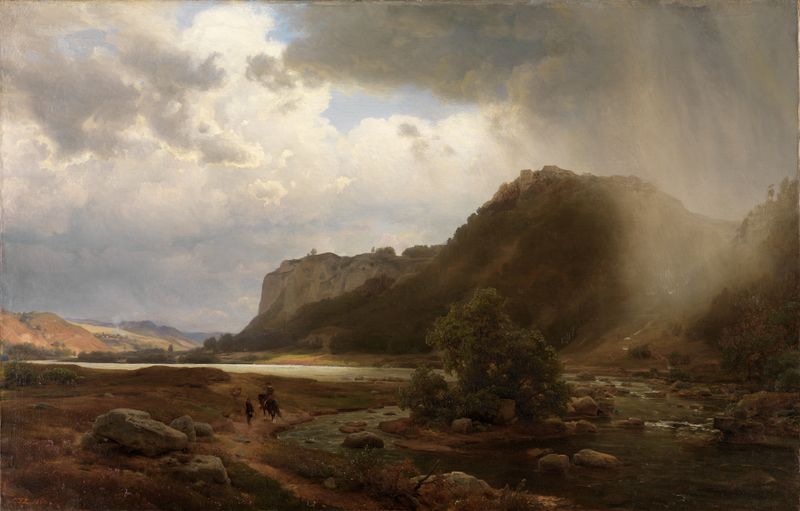
Flußlandschaft
Karl Friedrich Lessing
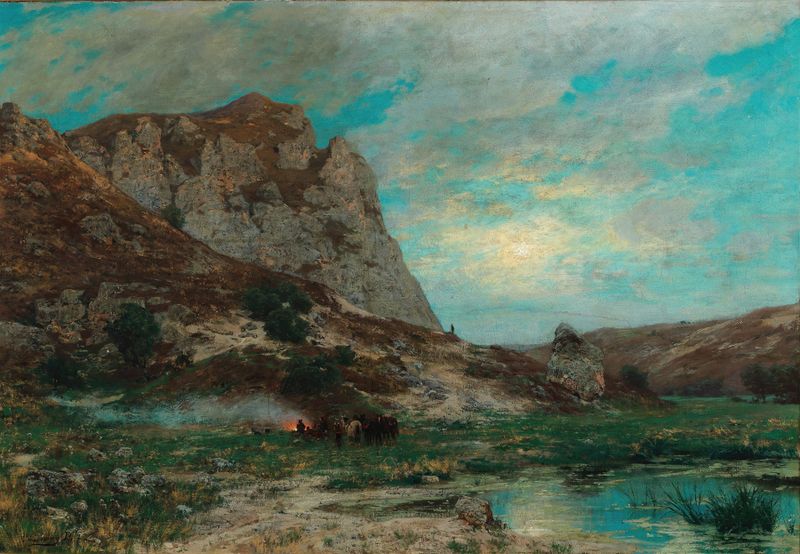
Soldaten bei der Rast
Karl Friedrich Lessing

Landscape from the Eifel mountains
Karl Friedrich Lessing





