
Charité — History & Facts
Is this a mirror — or a memory? Beneath the surface of Charité, the boundaries between presence and absence dissolve into a dance of light and shadow, evoking a profound sense of loss. To embark on your journey through the canvas, focus on the soft, diffused light that bathes the central figure, illuminating the serene expression that carries the weight of untold stories. Notice how the surrounding landscape, rich in earthy tones and delicate brushwork, envelops her like an embrace yet feels simultaneously distant. The gentle strokes create a dreamlike quality; they blur the lines between reality and the echoes of the past. Delve deeper, and you'll discover the emotional tension that resides within the juxtaposition of the figure and her environment.
The vibrancy of the colors contrasts with the muted undertones of her solitude, hinting at a bittersweet reminiscence. The soft contours of her form suggest a connection to nature, yet there lies an undeniable sense of longing, as if she is reaching for something just beyond her grasp. Each detail, from the delicate petals of the flowers to the fading light in the background, underscores the theme of loss and the fragility of memory. During the time Charité was created, Henri Martin was immersed in the evolving world of post-impressionism, blending color and form with a unique approach.
This period, likely around the turn of the 20th century, was marked by personal introspection, as he sought to capture not just the external world but also the emotions that reside within. The interplay of light and emotion he explored in this piece reflects the broader artistic movements and societal changes of the era, giving life to an intimate narrative that transcends time.
More Artworks by Henri Martin
Browse all →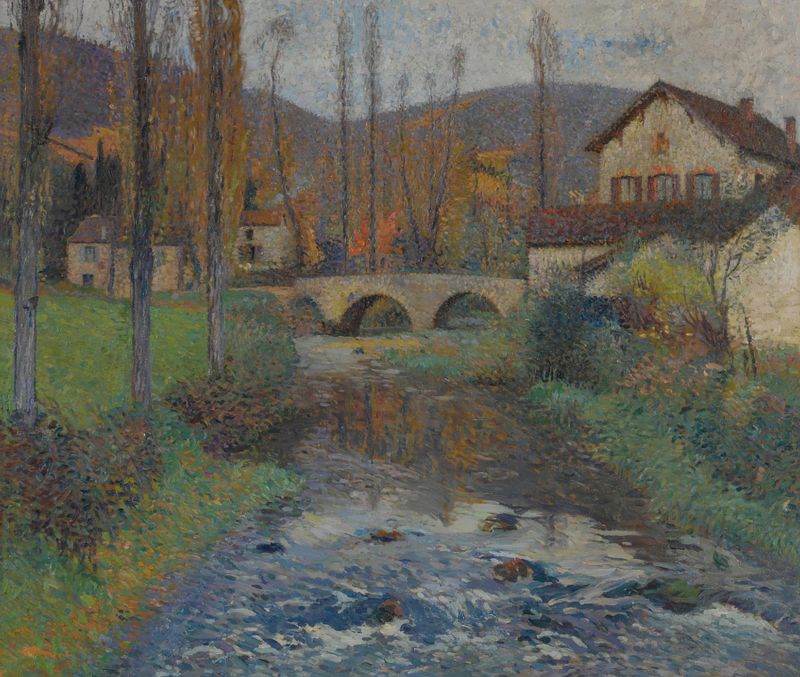
Le Pont du Labastide-du-Vert
Henri Martin

Le Pont de Labastide du Vert
Henri Martin

La Vallée Du Lot, Près De Saint-Cirq Lapopie
Henri Martin

Derniers Rayons, Une Ferme Dans Le Lot
Henri Martin

Vue de Labastide-du-Vert
Henri Martin
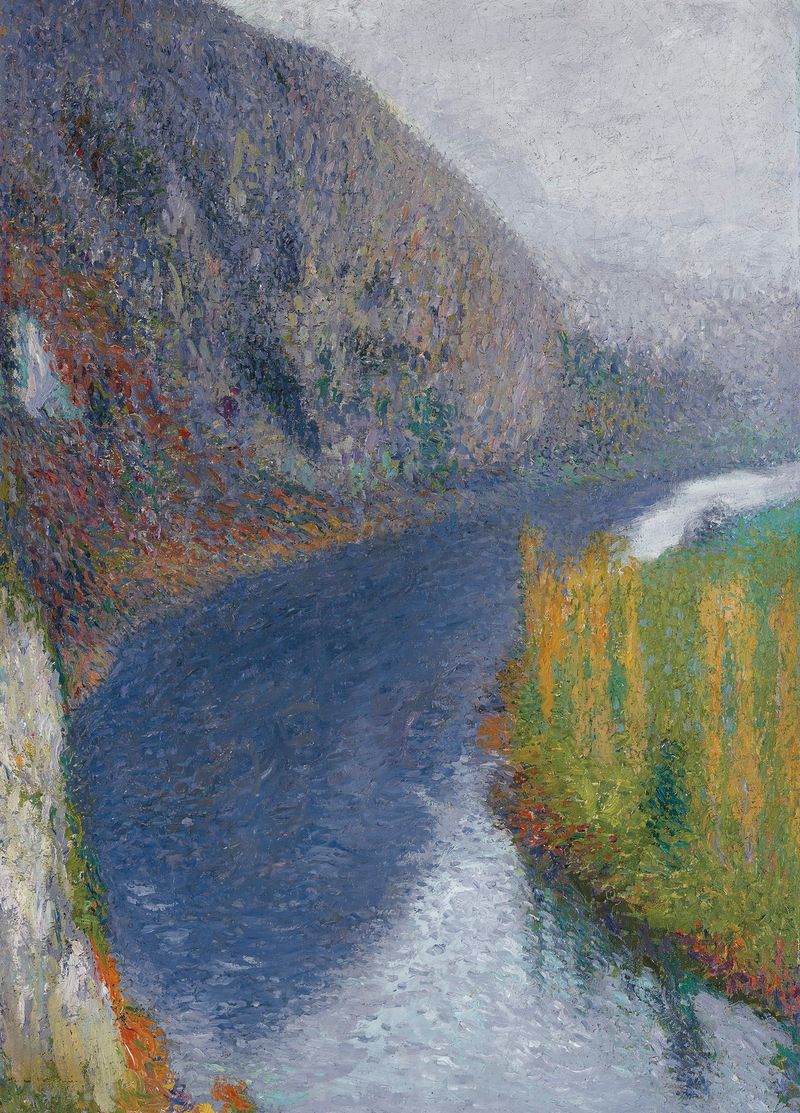
Le Lot au pied des falaises de St-Cirq-Lapopie
Henri Martin

Le lot aux pieds des falaises de Saint-Cirq-Lapopie
Henri Martin

L’église de Labastide-du-Vert avec le pont et la rivère, un soir d’automne
Henri Martin

Berger et ses moutons dans les causses
Henri Martin
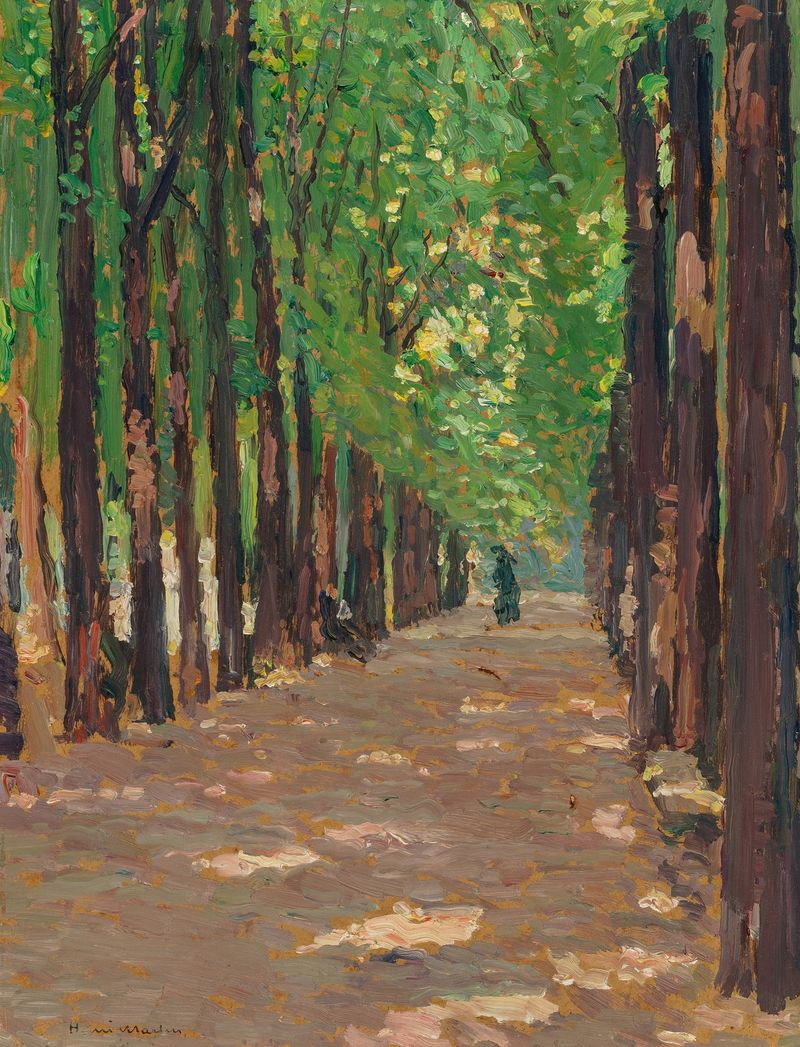
Une allée dans le Parc du Château de Versailles
Henri Martin





