Charles James Fox — History & Analysis
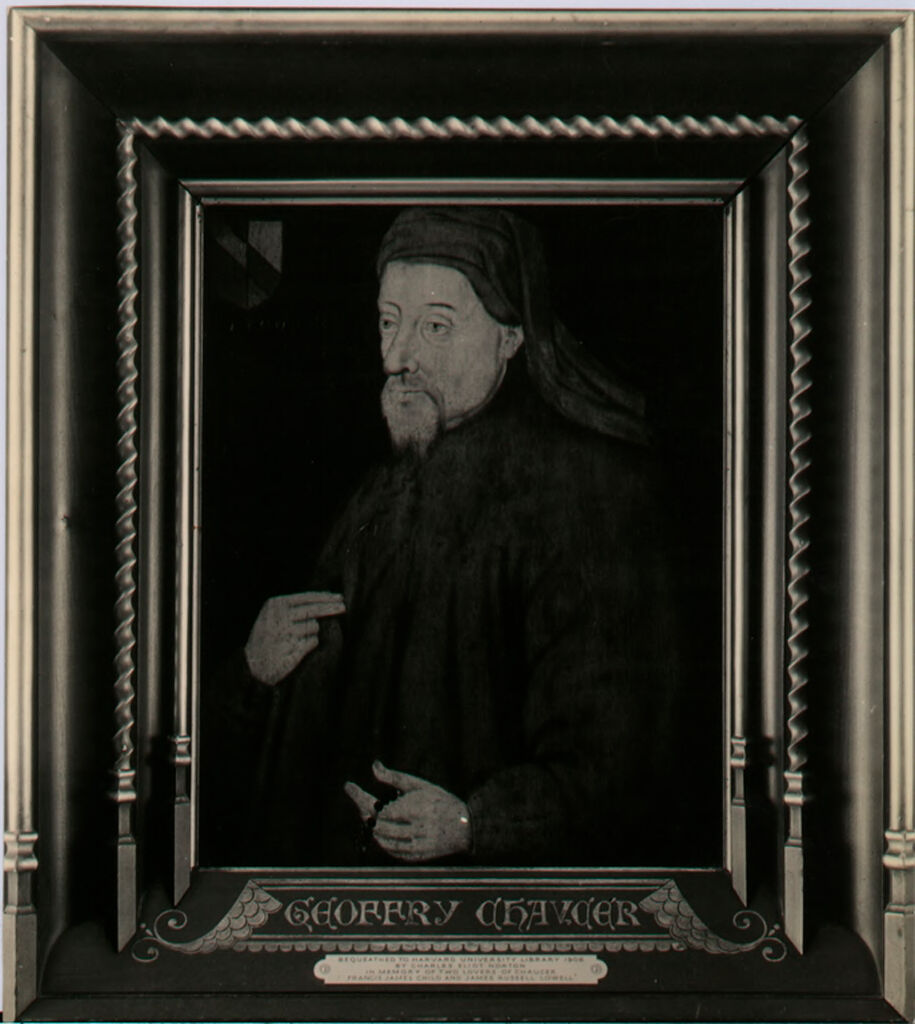
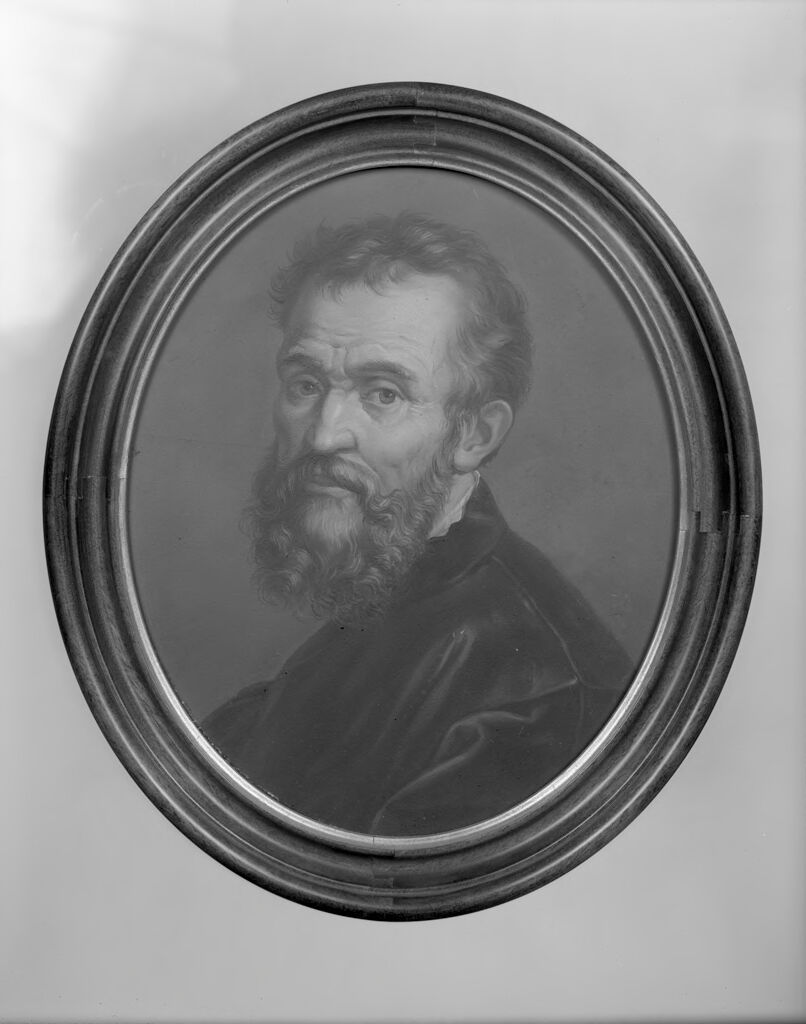
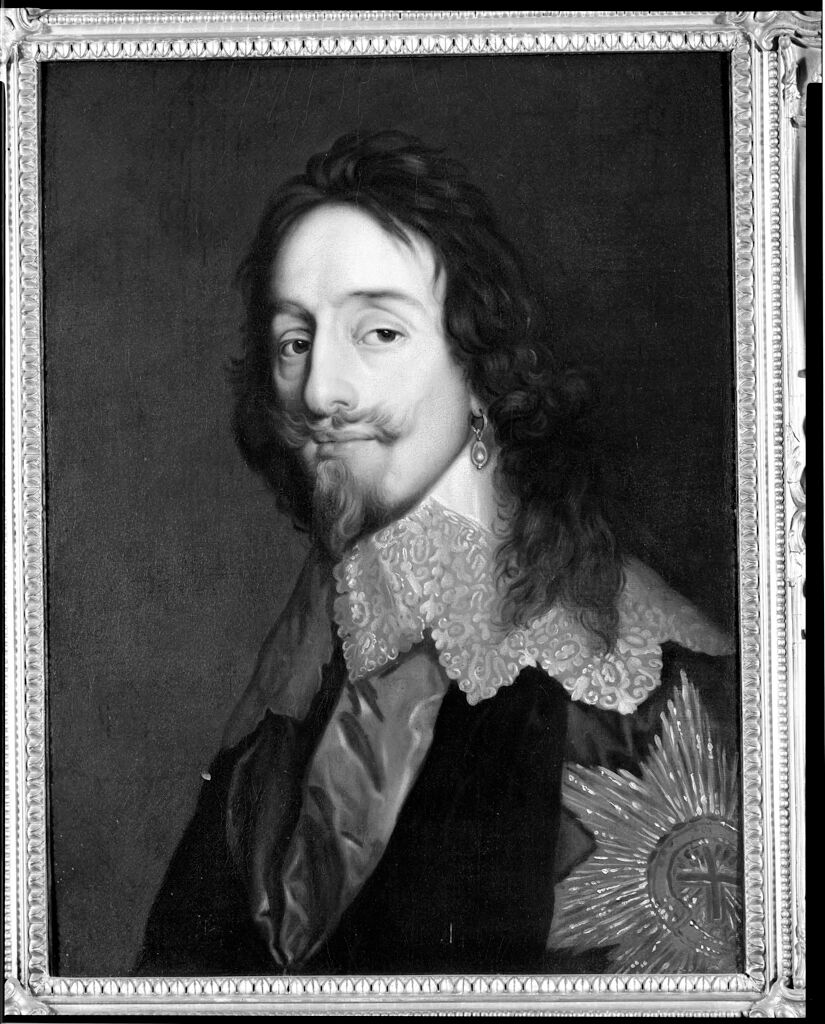
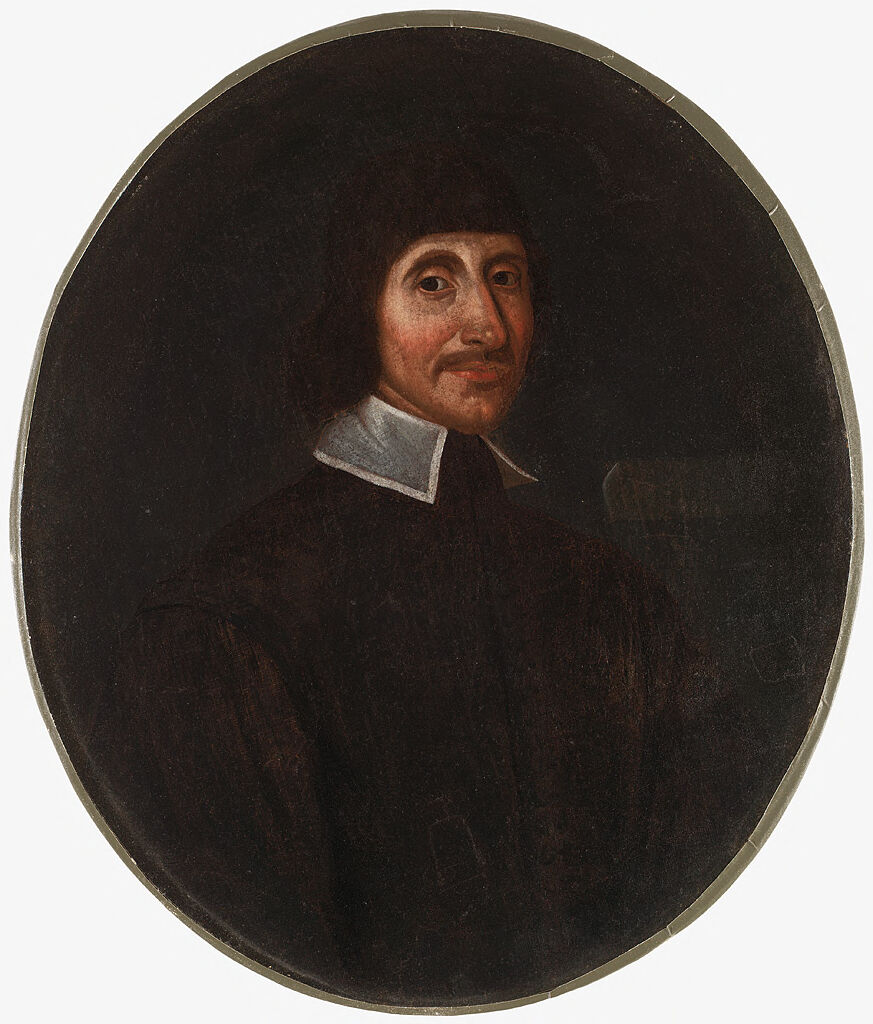
What if beauty was never meant to be finished? This question lingers, echoing through the ages like a whisper from the past, inviting us to contemplate the essence of art and its elusive perfection. Look closely at the figure in the portrait, where intricate details draw the eye. Notice the soft, almost ethereal light that illuminates the face, revealing a serene expression that seems to straddle the line between contemplation and conviction.
The artist’s brushwork—a gentle yet deliberate touch—allows the rich colors of the clothing to emerge vividly against the backdrop, capturing the essence of the era with a striking contrast that emphasizes both the elegance and the complexities of the subject. As you delve deeper, consider the significance of the folded arms, suggesting a quiet confidence and perhaps a hint of resolve. The slight tilt of the head invites viewers into a dialogue, while the subtle play of shadow across the features alludes to hidden depths of character, a story waiting to be discovered. The interplay between light and dark not only highlights the subject's nobility but also hints at the tumultuous political landscape of the time, reflecting the tensions and triumphs that defined an era of change.
Created between 1750 and 1850, this portrait remains shrouded in mystery, attributed to an unidentified artist whose skill offers a glimpse into a pivotal moment in art history. The late 18th to early 19th century was rich with political upheaval and innovation, as traditional norms began to give way to new ideas. While the identity of the creator eludes us, the work stands as a testament to the artistry of the time, capturing both the individual spirit and the broader societal shifts that shaped the world.