Charlottenlund Slot — History & Facts
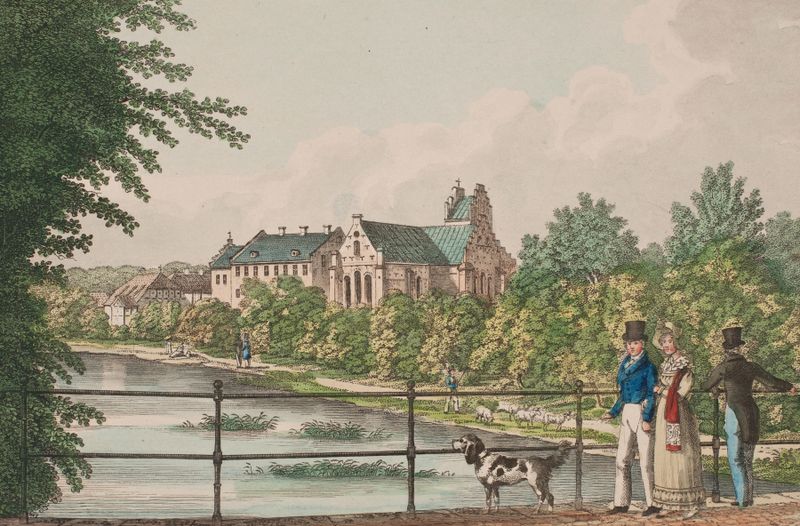
When did color learn to lie? The vibrant hues of a landscape can often mask deeper emotions, inviting an exploration of what lies beneath the surface. Look to the foreground of Charlottenlund Slot, where the lush greens unfurl in delicate strokes, drawing your eye toward the majestic castle that stands resolute against the backdrop. The interplay of light and shadow casts an ethereal glow, highlighting the intricate details of the architecture while echoing the gentle ripples of the nearby water. The soft blues of the sky blend seamlessly with hints of lavender, creating a harmonious palette that feels both inviting and melancholic. Beyond its beauty, the painting whispers of longing—a yearning for an idyllic past or perhaps a place of refuge.
The castle, robust yet distant, symbolizes the allure of a dream that remains just out of reach. The contrast between the vibrancy of nature and the stillness of the structure evokes a tension between reality and aspiration, suggesting an inner struggle to bridge the gap between the two worlds. Jens Holm created this captivating piece between 1825 and 1826 while residing in Denmark, a time when Romanticism was blooming across Europe. The movement emphasized emotion and nature, reflecting the artist’s own desire to connect with an idealized vision of beauty amid the quickly changing landscape of modernity.
As the world began to industrialize, Holm’s work served as an ode to the tranquil elegance that many feared would be lost to time.