Lethraborg — History & Facts
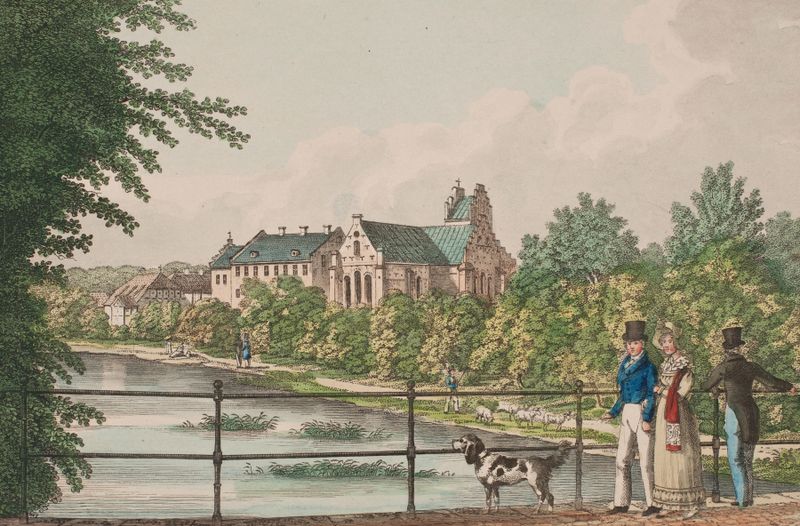
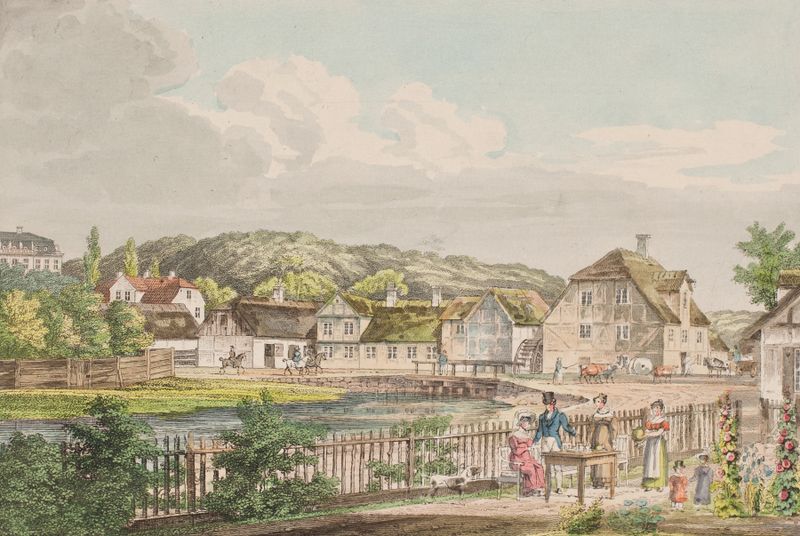
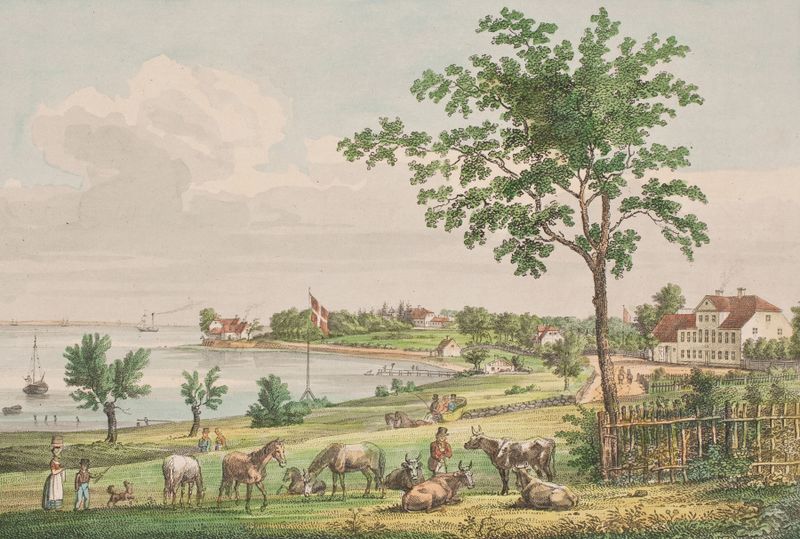
In the stillness of a moment, echoes of unspoken words linger, revealing the depth of our inner landscapes. Look to the left at the vibrant strokes of blue that stretch across the canvas, evoking an oceanic expanse that seems both inviting and distant. Notice how the artist wields a delicate interplay of light and shadow, creating a calm yet charged atmosphere. Holm’s careful selection of earthy tones alongside vibrant highlights draws the eye across the painting, crafting a sense of movement that belies the stillness at its core. The contrast between the vivid colors and the pervasive silence invites contemplation of what lies beneath the surface.
Each hue seems to hum with emotion, suggesting a tension between observation and introspection. The absence of figures amplifies this resonance, allowing the viewer to reflect on their own experiences, while the gentle waves of color serve as a metaphor for the silent struggles that often go unacknowledged. During the years 1825-1826, Holm was steeped in the Romantic movement, a time when artists sought to express deep emotional truths through their works. Living in a world grappling with the aftermath of the Napoleonic Wars, his art reflected both personal and collective sentiments of longing and introspection, making Lethraborg a poignant exploration of human vulnerability amidst the vastness of nature.