Udsigt ved Bellevue — History & Facts
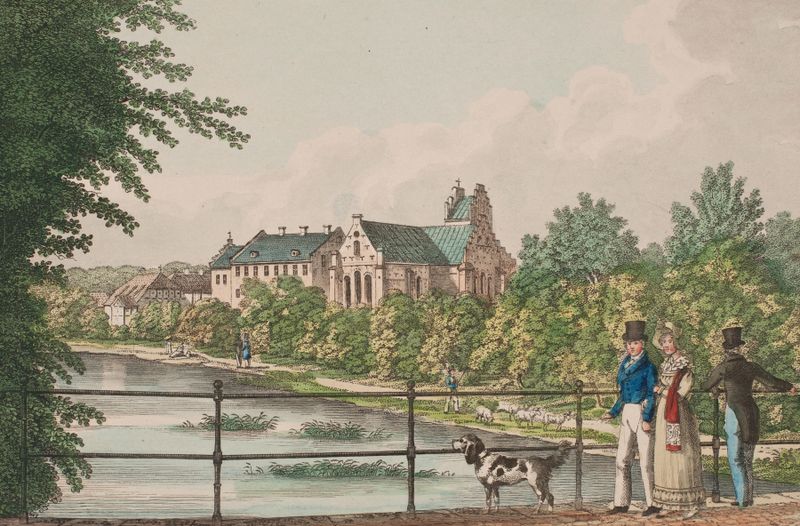
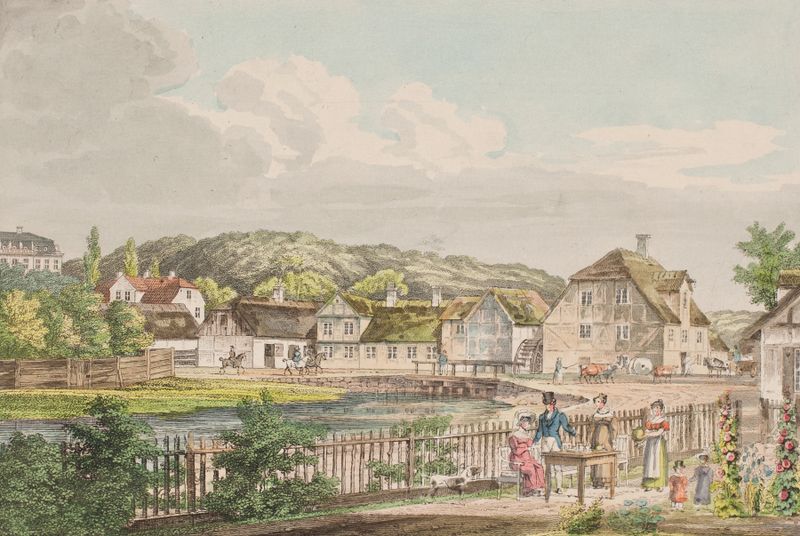
Such is the paradox of a world poised on the precipice of change, where the heart of revolution lies beneath a tranquil surface. Look closely at the horizon in Udsigt ved Bellevue, where the tranquil hues of pastel blues and greens blend seamlessly. The delicate brushstrokes convey gentle waves lapping against the shore, while a sunlit sky casts a serene glow over the landscape. The composition directs your gaze towards the distant coastline, where hints of human presence—fishing boats, perhaps—suggest life and labor amidst nature's tranquil embrace. Yet, beneath this idyllic exterior lurks a tension that compels contemplation.
The juxtaposition of the calm waters with the implied struggle of the fishermen hints at the unrest brewing in society at the time. The idyllic setting serves as a backdrop for the brewing storm of revolution—each brushstroke a reminder that beauty often masks deeper unrest. The golden light may illuminate the landscape, but it also underlines the fragility of peace in a rapidly changing world. Jens Holm painted this serene seascape between 1825 and 1826, a period marked by social upheaval and a yearning for change in Denmark.
As the nation grappled with the aftermath of Napoleonic wars and a desire for reform, Holm’s work reflects a longing for harmony amidst uncertainty. It captures not just the physical beauty of Bellevue but also the emotional undercurrents that resonate with a society on the brink of transformation.