Dronninggård — History & Facts
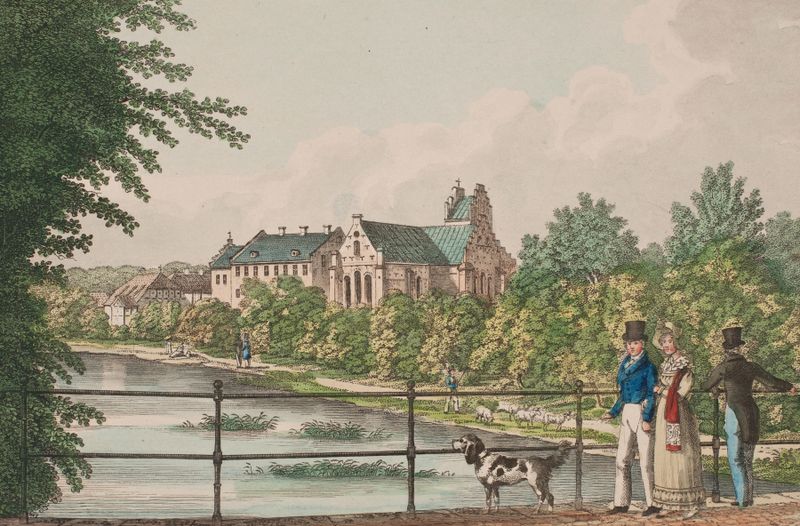
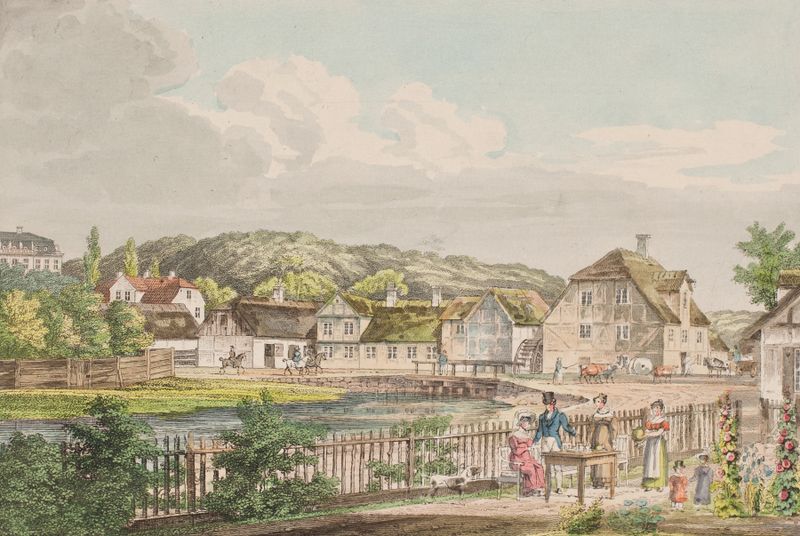
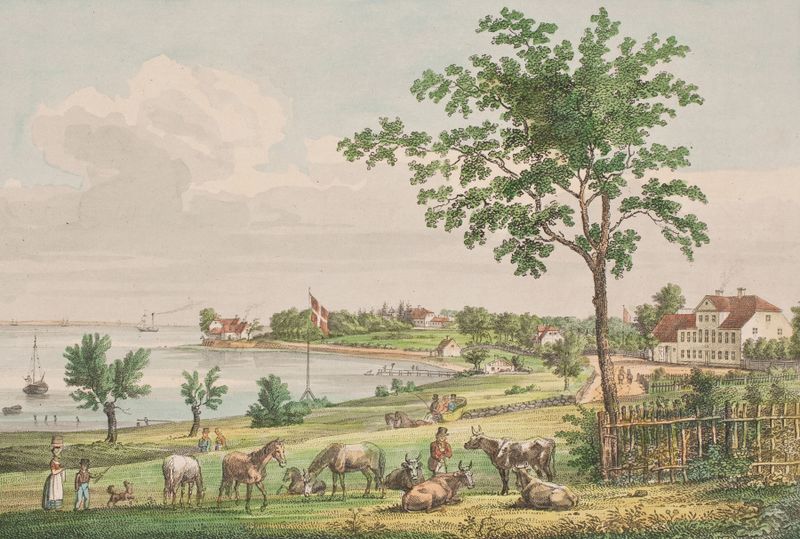
What if silence could speak through light? In Dronninggård, this notion comes alive as a tranquil landscape whispers tales of rebirth and renewal, inviting viewers to reflect on the gentle resurgence of nature. Focus on the soft palette that envelops the canvas, where delicate greens and light blues converge. Look to the horizon, where the light breaks through the clouds, casting a warm glow over the undulating fields. Notice the subtle interplay of shadow and illumination on the trees, which stand tall yet serene, as if welcoming the dawn of a new season.
Each brushstroke seems to breathe life into the scenery, creating a palpable sense of stillness that resonates within. As you delve deeper, observe the symbiotic relationship between the light and the earth; it speaks of growth and the cyclical nature of life. The quietude suggests not just a moment frozen in time, but an invitation to ponder the complexities of existence—where endings give way to beginnings. There’s a tension between the lushness of the foreground and the muted tones of the sky, hinting at the interplay between hope and melancholy that characterizes the human experience. Jens Holm painted Dronninggård between 1825 and 1826, during a time when he was deeply influenced by the Romantic movement’s embrace of nature.
Creating this artwork in Denmark, he sought to encapsulate the essence of tranquil landscapes while expressing the emotional depth of the natural world. The painting reflects not only his personal artistic journey but also the broader shifts in the artistic landscape, where artists began to explore the intrinsic connection between humanity and the environment.