
Cherry Tree at Blau — History & Facts
Can beauty exist without sorrow? This question lingers in the air like the gentle breeze rustling the cherry blossoms, reflecting the ephemeral nature of joy and life itself. Focus first on the cherry tree in full bloom, its delicate pink petals standing out against the serene backdrop of the rolling hills. The brushwork is both free and deliberate, creating a sense of movement that invites you to step closer. Notice how the light dances across the petals, illuminating their soft edges while casting gentle shadows.
The contrast between the vivid blossoms and the muted earth tones evokes a harmony that captures the viewer’s breath. As you delve deeper, consider the tension between life and decay. Each petal, so vibrant and alive, hints at the inevitable fall, creating a poignant dialogue between the beauty of the present and the sorrow of its transience. The distant hills symbolize both aspiration and isolation, reminding us that moments of joy are often fleeting.
This emotional depth is what anchors the piece, revealing Rousseau’s understanding of nature’s duality—its capacity for both inspiration and melancholy. In 1862, the artist was entrenched in the Barbizon School, where he embraced a naturalistic approach that departed from the idealized landscapes of his predecessors. Working in the forests near Fontainebleau, Rousseau sought to reflect the raw beauty of nature, a pursuit that resonated widely amid the Romantic movement’s exploration of emotion and the human experience. This painting encapsulates a pivotal time when artists began to celebrate the authenticity of landscapes infused with personal reflection.
More Artworks by Théodore Rousseau
Browse all →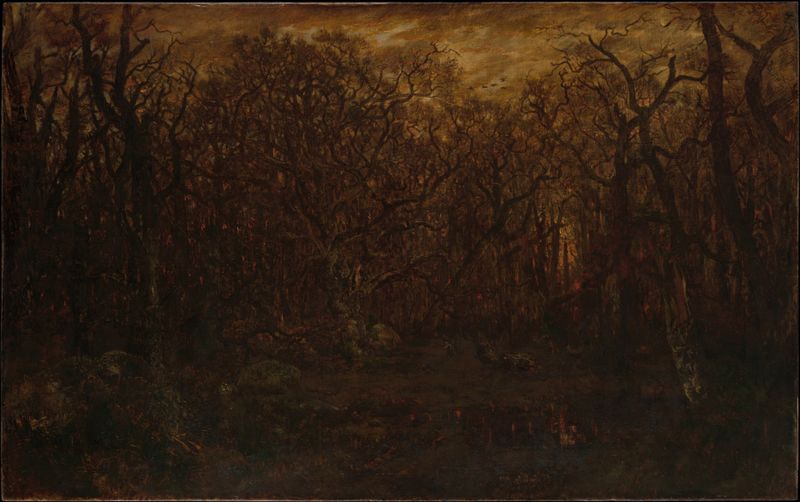
The Forest in Winter at Sunset
Théodore Rousseau
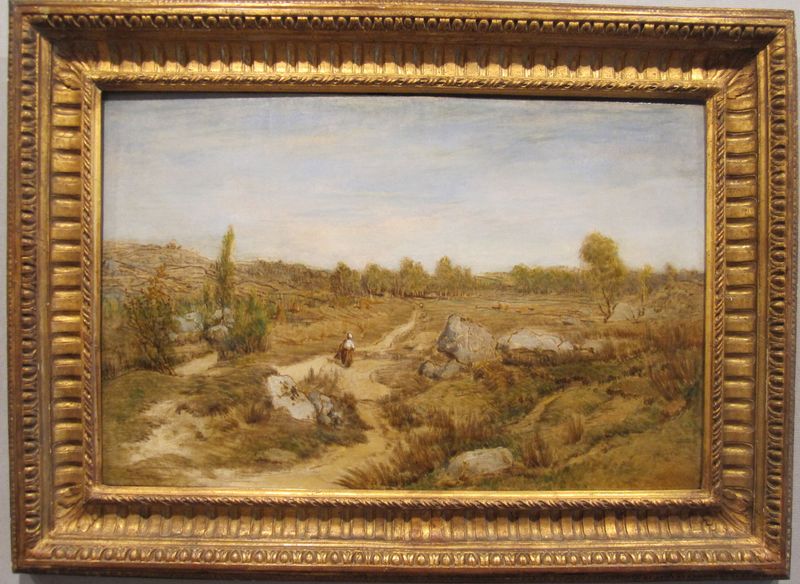
Valley of the Rouars in the Gorges d’Apremont
Théodore Rousseau
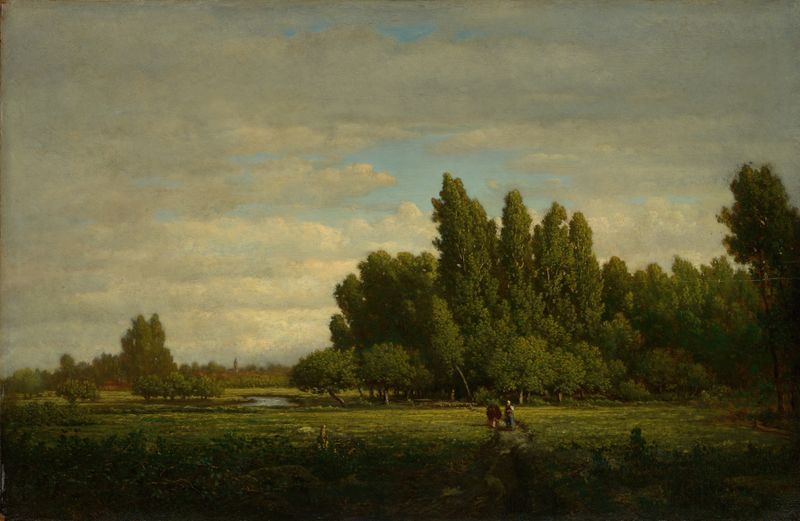
A Meadow Bordered by Trees
Théodore Rousseau
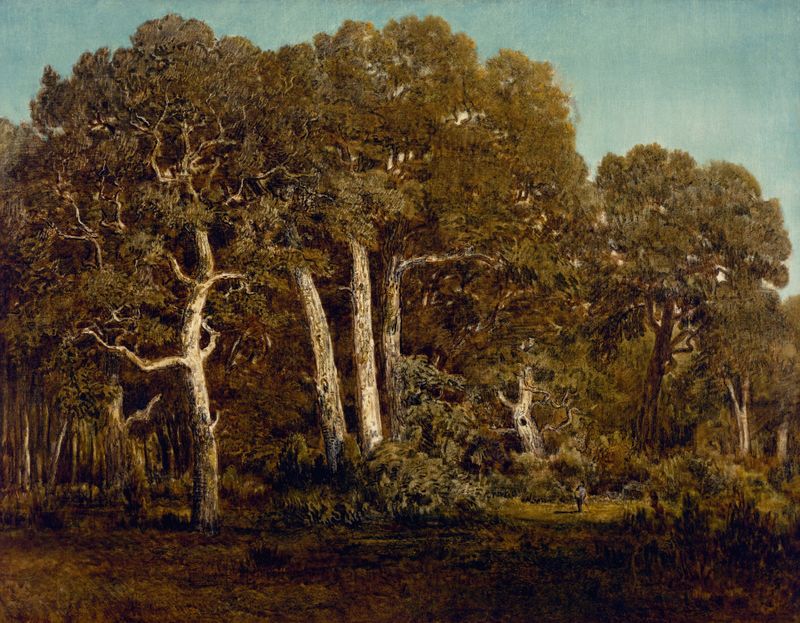
The Great Oaks of Old Bas-Bréau
Théodore Rousseau
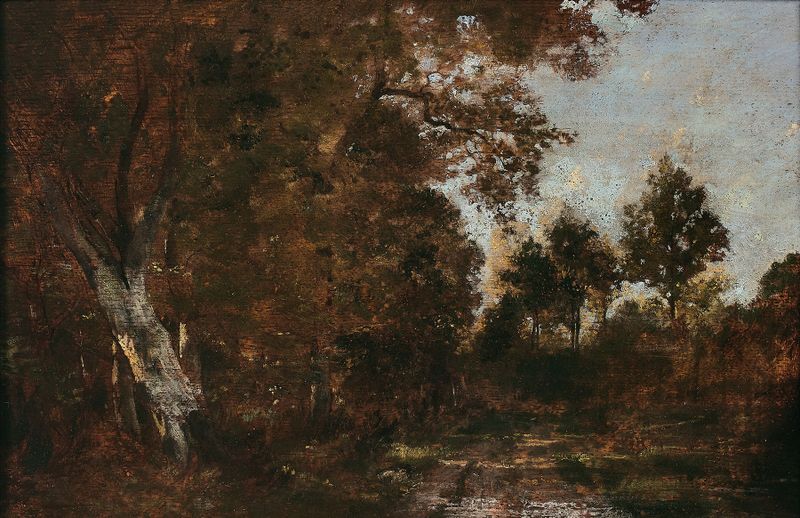
Paysage de sous-bois
Théodore Rousseau
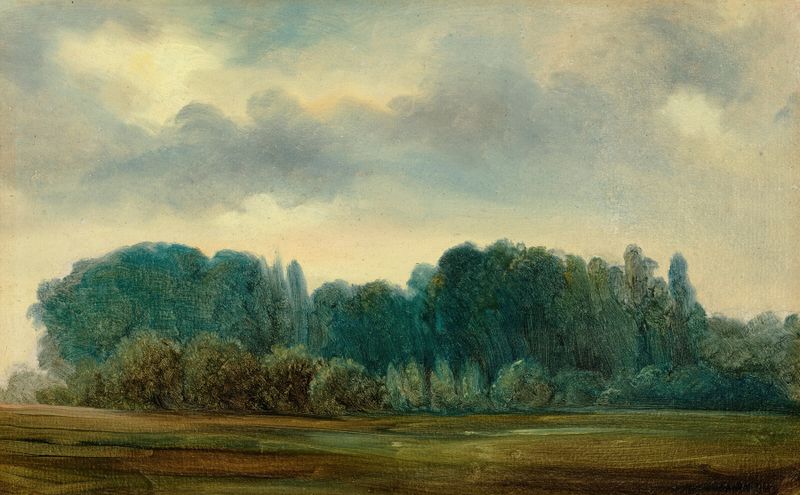
Paysage
Théodore Rousseau
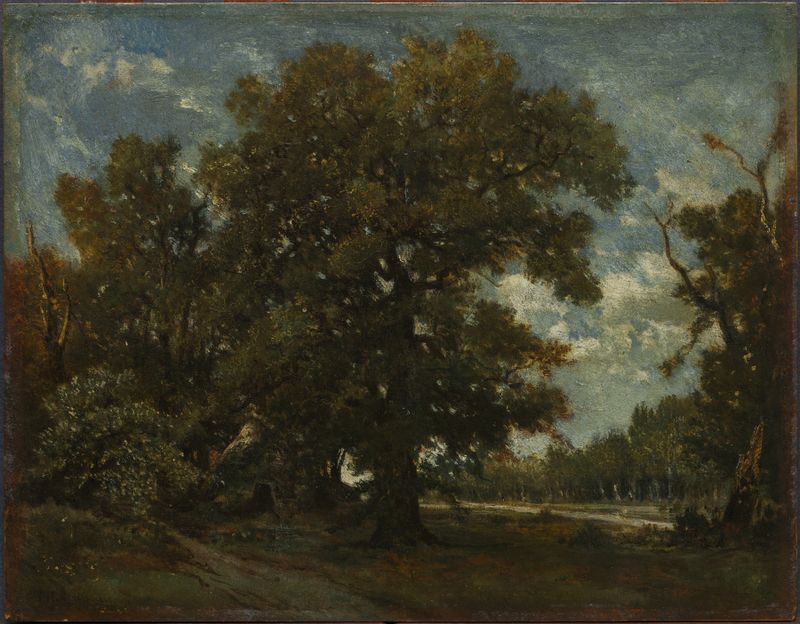
The Oak Tree
Théodore Rousseau
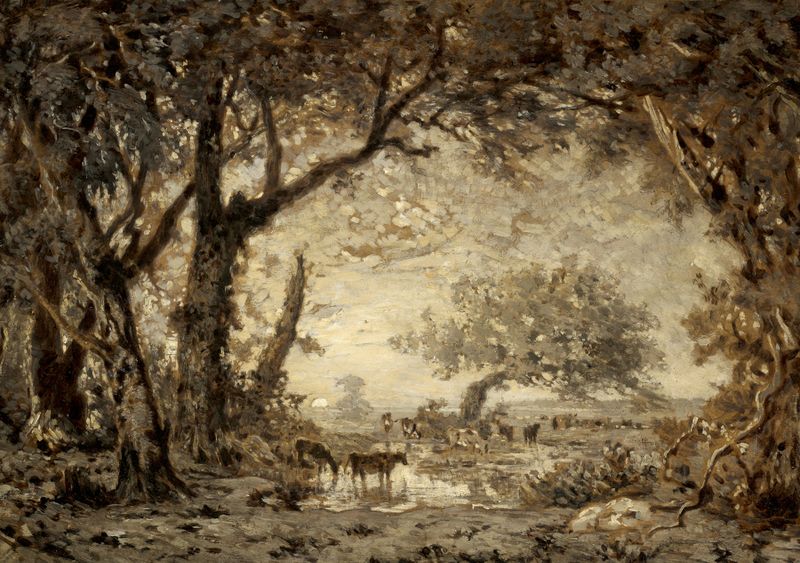
Sunset from the Forest of Fontainebleau
Théodore Rousseau
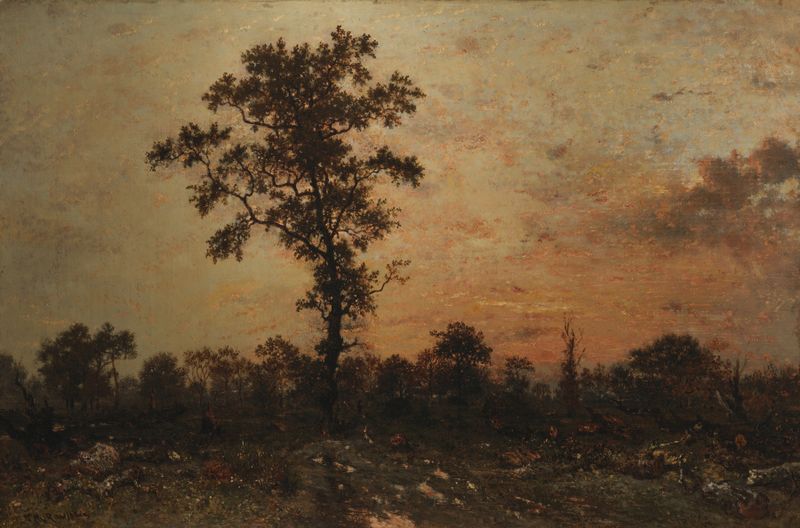
Edge of the Forest, Sun Setting
Théodore Rousseau
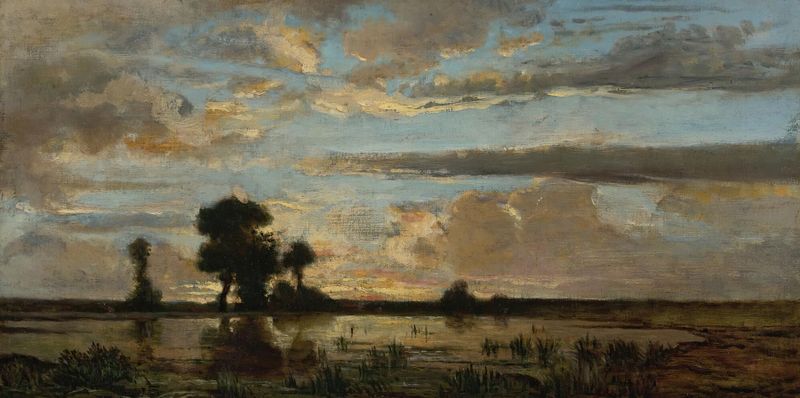
Soleil Couchant
Théodore Rousseau





