
Cherubijnen dragen gezamenlijk een kruis — History & Facts
Can beauty exist without sorrow? In Cherubijnen dragen gezamenlijk een kruis, Hollar invites us to contemplate this profound question, intertwining the ethereal with the weight of sacrifice. Look to the center, where cherubs, their delicate forms captured in soft, flowing lines, labor together to uphold a heavy cross. Their cherubic faces, painted with a blend of light pastels, contrast starkly with the dark, heavy burden they carry. The luminescence of their wings suggests innocence, but the tension in their expressions hints at a deeper struggle.
Notice how the interplay of shadow and light accentuates the contours of their flesh, emphasizing both their angelic beauty and the gravity of their task. The work speaks volumes about the duality of existence, illustrating the tension between heavenly grace and earthly toil. Each cherub’s expression evokes a spectrum of emotions—joy mingled with the weight of responsibility, innocence shadowed by a sense of foreboding. The cross, a symbol of both suffering and salvation, serves not just as a physical burden but also as an emblem of the revolution of the soul, calling into question the sacrifices made in the name of beauty and faith. Created during a tumultuous period in Europe, Cherubijnen dragen gezamenlijk een kruis reflects Hollar’s experiences as he navigated the artistic landscape of the 17th century.
Active in Prague and later London, he bore witness to social upheaval and artistic transformation, as Baroque ideals clashed with emerging Enlightenment thoughts. These influences permeate his work, resonating with the theme of revolution—not just of nations, but of the human spirit itself, a poignant reminder of the intertwined nature of joy and grief.
More Artworks by Wenceslaus Hollar
Browse all →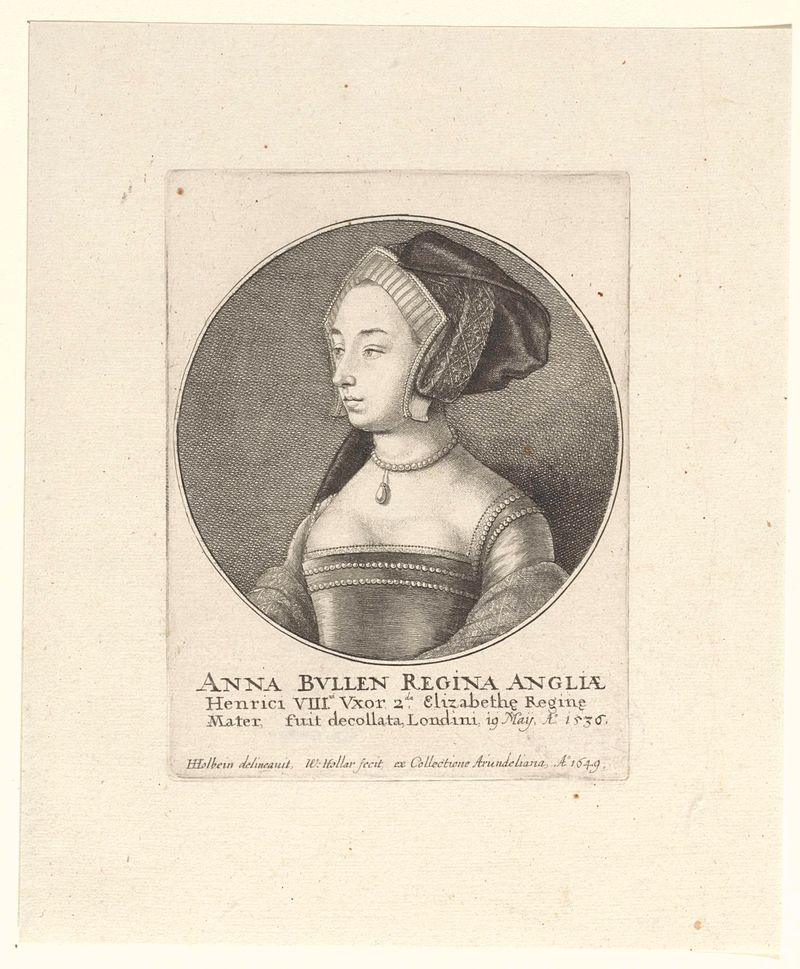
Portret van Anna Boleyn, koningin van Engeland
Wenceslaus Hollar
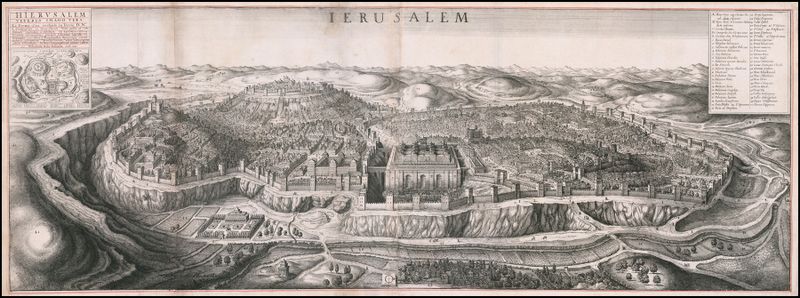
Bird’s eye view of Jerusalem
Wenceslaus Hollar
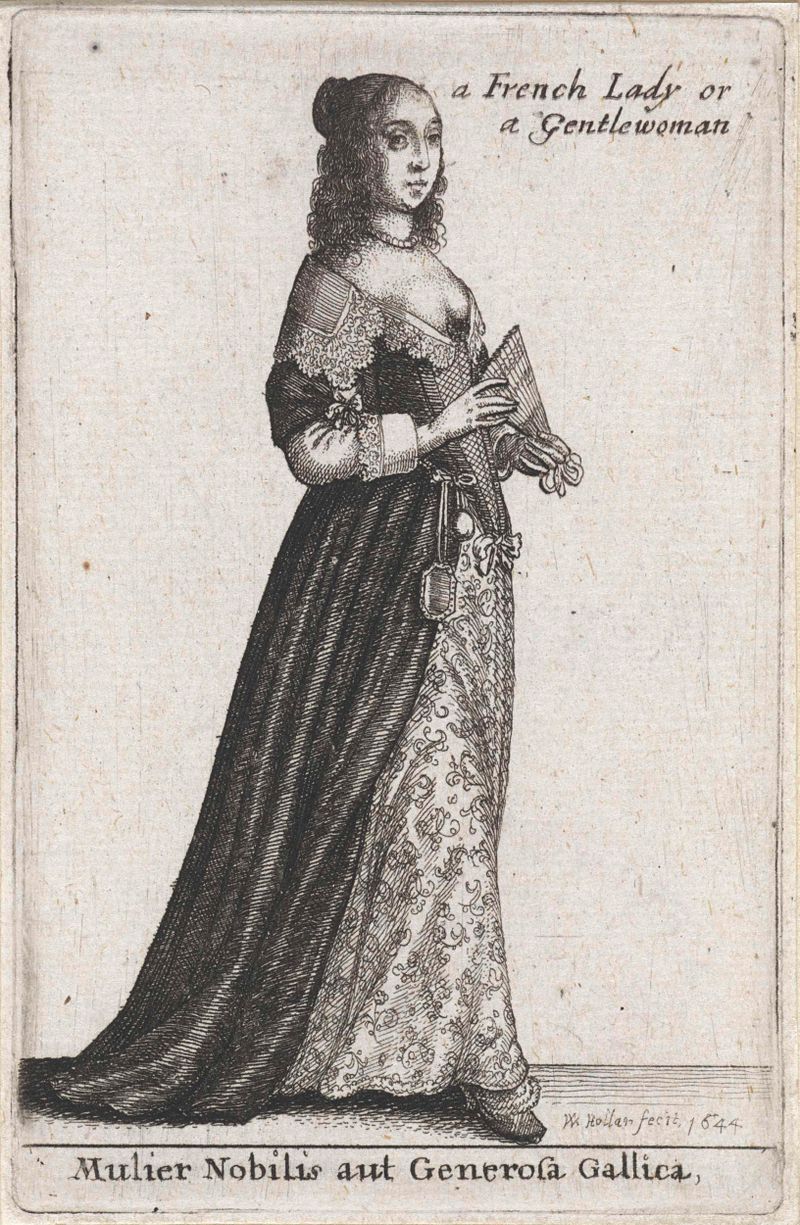
Mulier Nobilis aut Generosa Gallica / a French Lady or Gentlewoman
Wenceslaus Hollar
Titelprent voor: Ornatus Muliebris Anglicanus
Wenceslaus Hollar
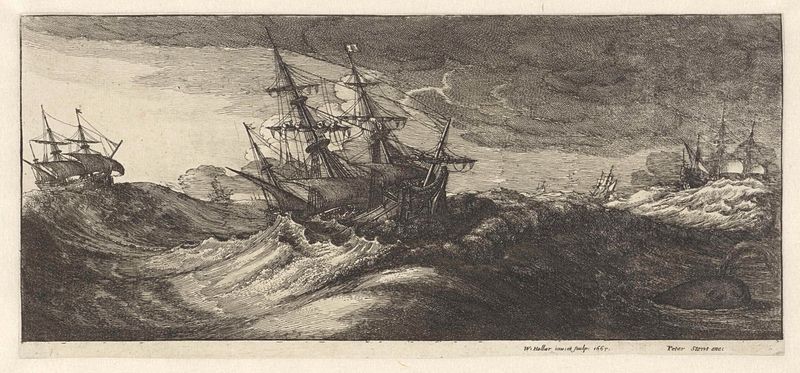
Oorlogsschepen en een walvis in een zeestorm
Wenceslaus Hollar
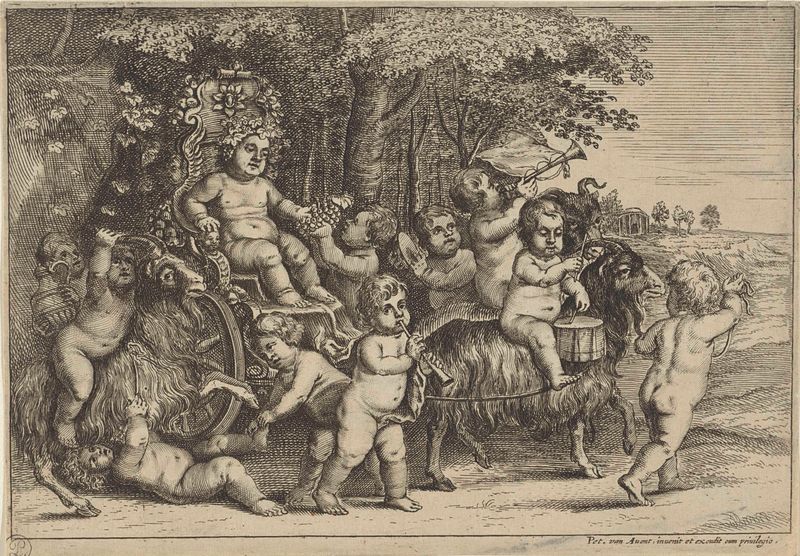
Optocht van bacchant en jongetjes op geiten
Wenceslaus Hollar
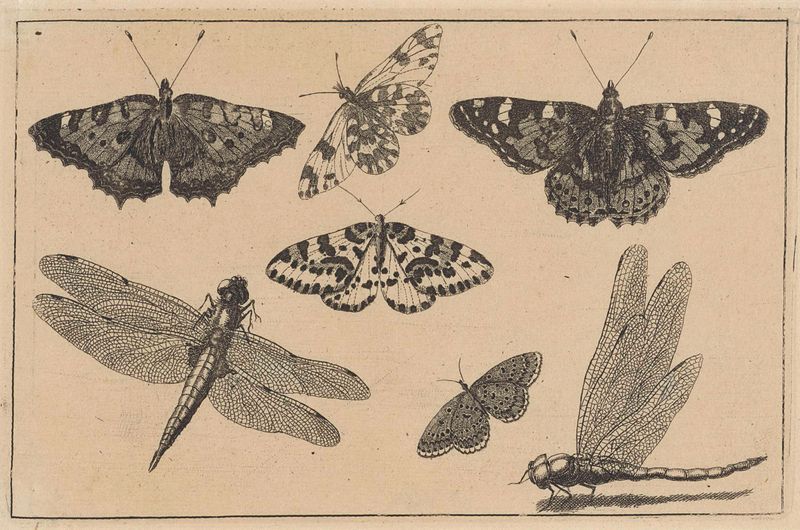
Twee libellen en vijf vlinders
Wenceslaus Hollar
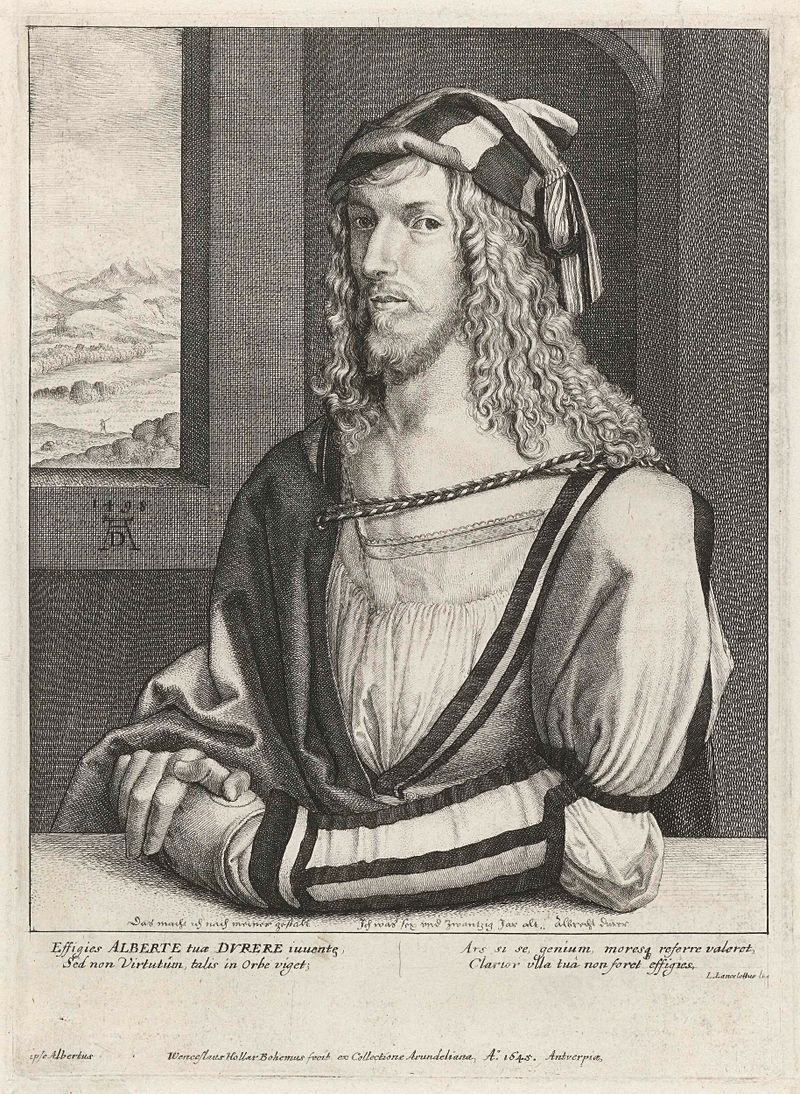
Portret van Albrecht Dürer
Wenceslaus Hollar
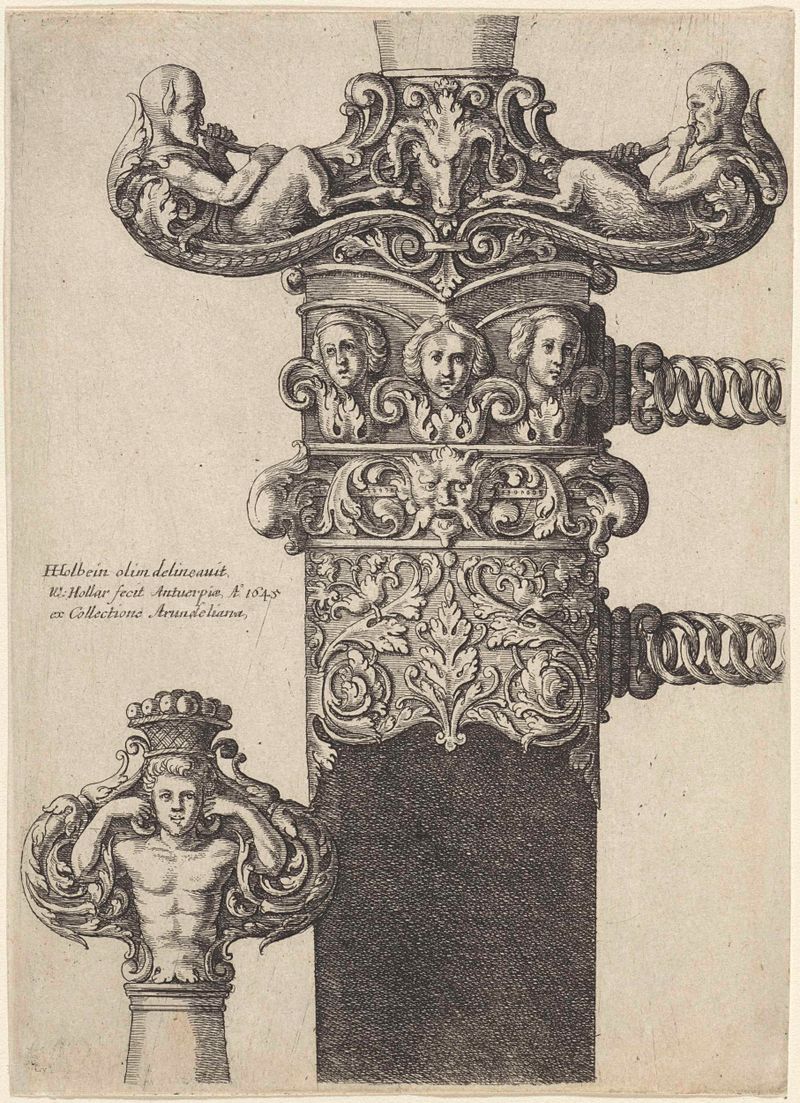
Ornamenteel ontwerp voor een dolk
Wenceslaus Hollar
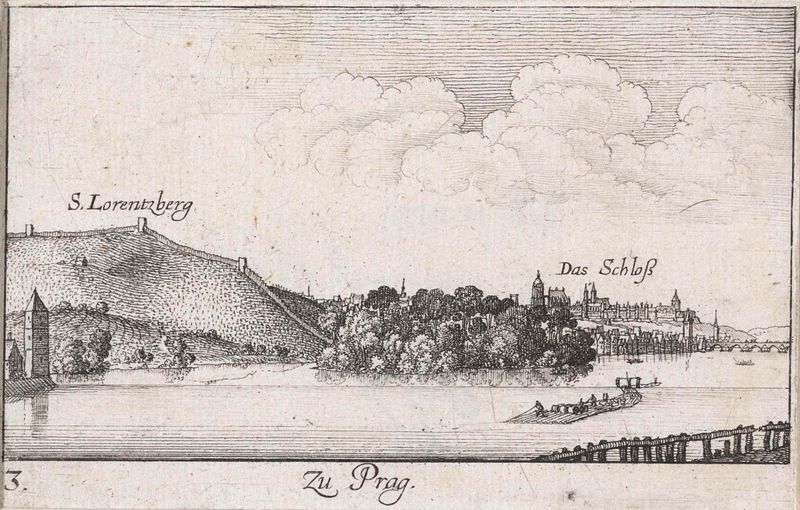
Gezicht op Praag vanaf de Moldau
Wenceslaus Hollar
More Religious Art
Browse all →
The Return of the Prodigal Son
Rembrandt van Rijn

The Garden of Earthly Delights
El Bosco

Count Orgaz’ funeral
El Greco

The Hundred Guilder Print: the central piece with Christ preaching, the plate arched
Rembrandt van Rijn

The Descent from the Cross
Rogier van der Weyden

The return of the prodigal son
Rembrandt van Rijn