Cheval au bord de la mare — History & Analysis
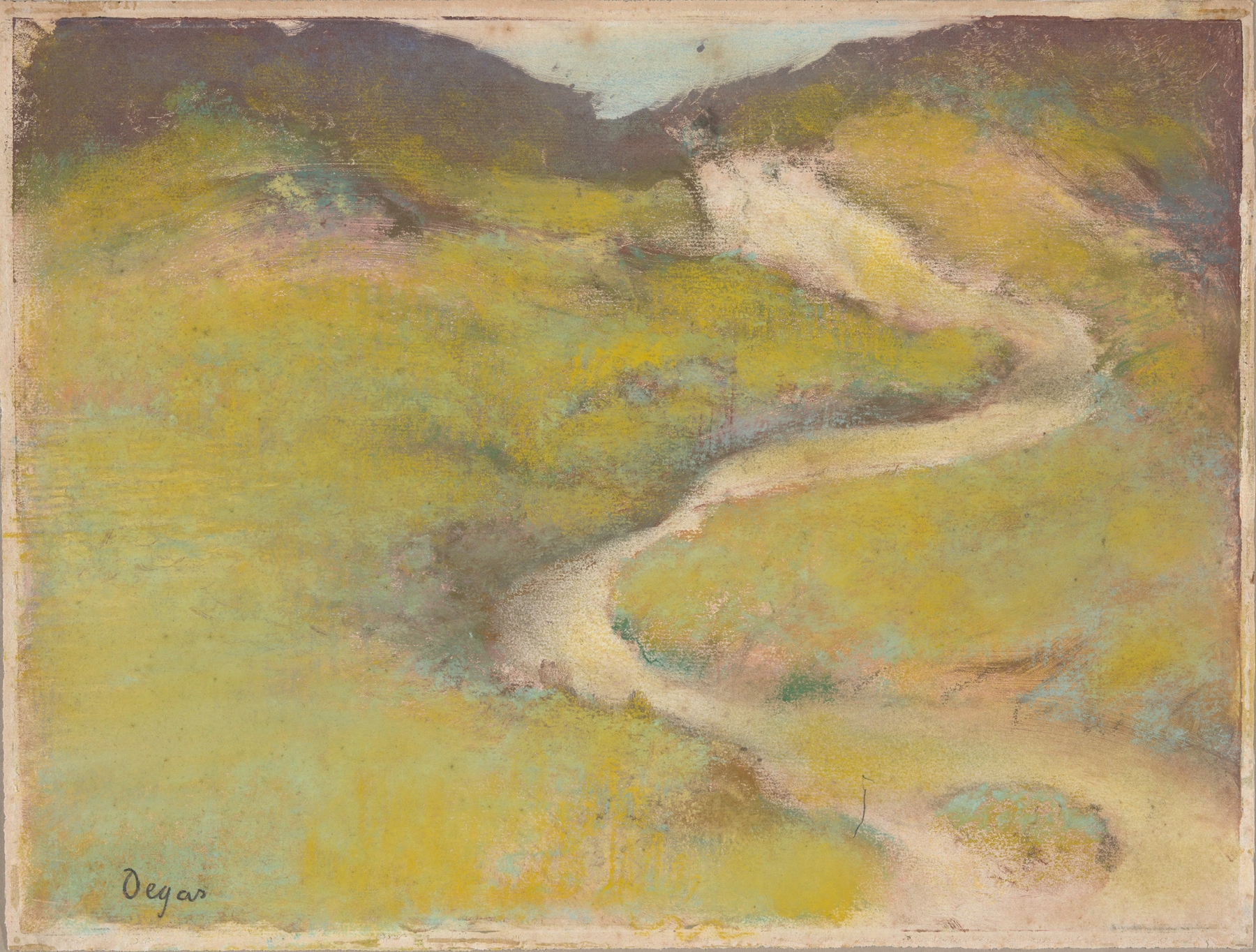
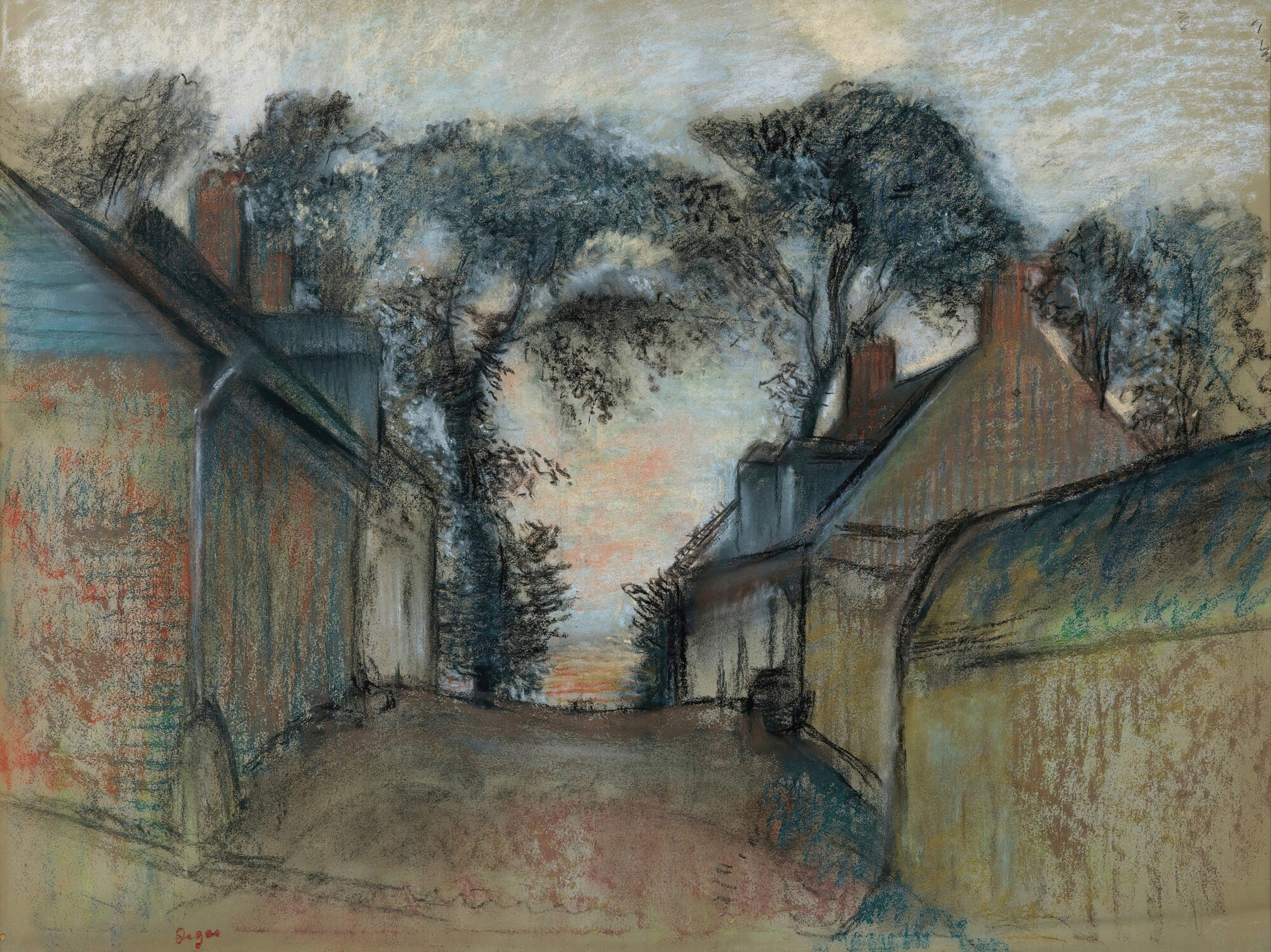
Where does light end, and longing begin? In Cheval au bord de la mare, that question lingers like a whisper, beckoning the viewer to step closer and ponder the depths of desire etched in every brushstroke. Focus on the deep, emerald water at the center, rippling gently as it cradles the reflection of a solitary horse. Notice how the play of light dances across the surface, illuminating the creature's sleek coat, casting a golden glow that contrasts with the cool shadows enveloping the surrounding reeds.
The subtlety of pastel blues and greens captures an intimate moment, inviting you to linger in the serenity of the scene without overwhelming chaos. As your gaze wanders, consider the juxtaposition of the horse’s stillness against the fluidity of the water. This tension between motion and rest evokes a yearning that transcends the visual—it's a desire for connection, for escape, and for the beauty of nature. The delicate brushwork in the foliage suggests the fragility of existence, while the calm demeanor of the horse embodies a quiet contemplation, perhaps reflecting our own inner desires for peace and solitude.
Degas created this piece in 1892 while living in Paris, during a time when the Impressionist movement was evolving and gaining recognition. The artist was deeply inspired by the interactions of light and color in everyday scenes and often explored themes of movement and emotion. This work captures a fleeting moment where nature and animalistic grace intersect, a poignant glimpse into the artist's pursuit of expressing life's nuances on canvas.