
Christ and the Samaritan woman — History & Facts
Light falls with almost theatrical precision in Christ and the Woman of Samaria by Adriaen van der Werff, drawing your eye to the charged exchange between two figures who could hardly be more different. The woman, leaning sensuously over a monumental urn, meets Christ’s gaze with a mixture of curiosity and vulnerability; her bare shoulder and exposed breast are not mere ornament, but signal a moment of disarming honesty. Christ, robed in deep shadow and crimson, gestures toward himself with a hand pressed to his chest, as if to anchor the conversation in matters of the heart.
The urn itself, with its classical reliefs, becomes a silent witness, bridging the sacred and the everyday. Every fold of drapery and play of light seems designed to slow the viewer, to invite a pause at this threshold between worlds. This painting belongs to the early 18th century, a time when biblical stories were often reimagined for private devotion and aristocratic contemplation. Adriaen van der Werff was renowned for his polished surfaces and graceful figures, catering to collectors who prized both narrative clarity and sensual beauty.
The period between circa 1702 and circa 1722, as documented for this work, saw a flourishing of such intimate, theatrical scenes—paintings meant to provoke reflection as much as admiration. While history has kept few traces of this specific canvas’s journey, its presence in a modern collection speaks to the enduring appeal of art that balances moral gravity with visual allure. Step closer, and let your eye follow the dialogue of hands, glances, and shadows that still unfolds, centuries on.
More Artworks by Adriaen van der Werff

Descent from the Cross
Adriaen van der Werff
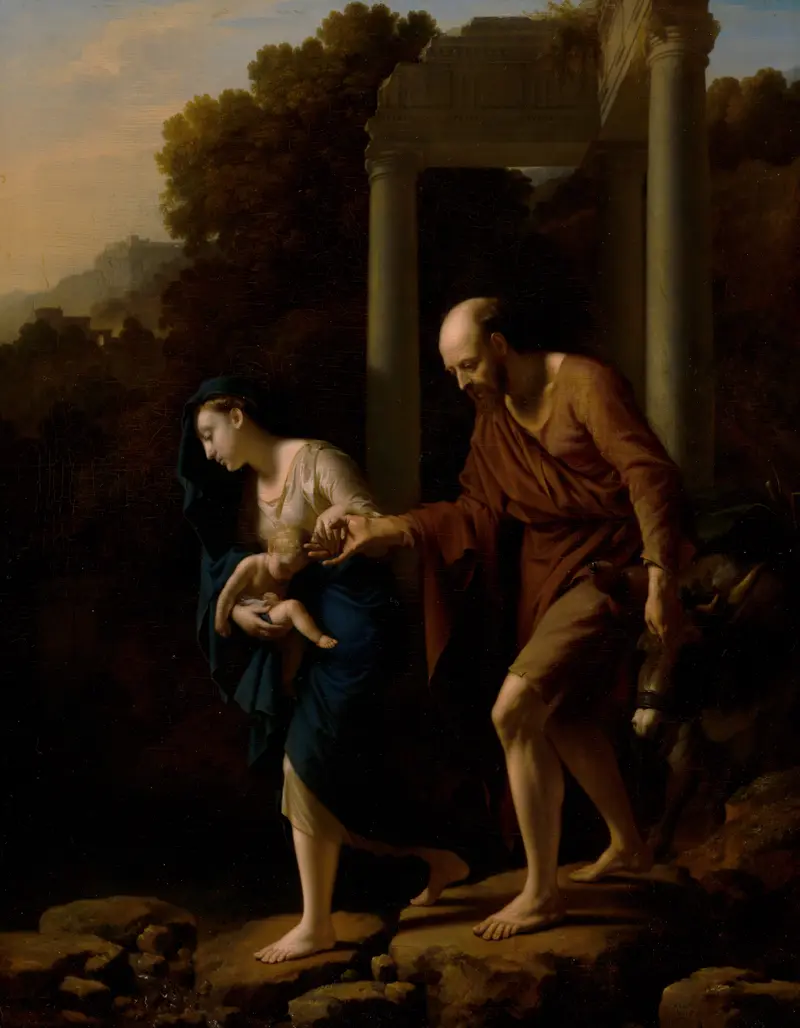
The Flight into Egypt
Adriaen van der Werff
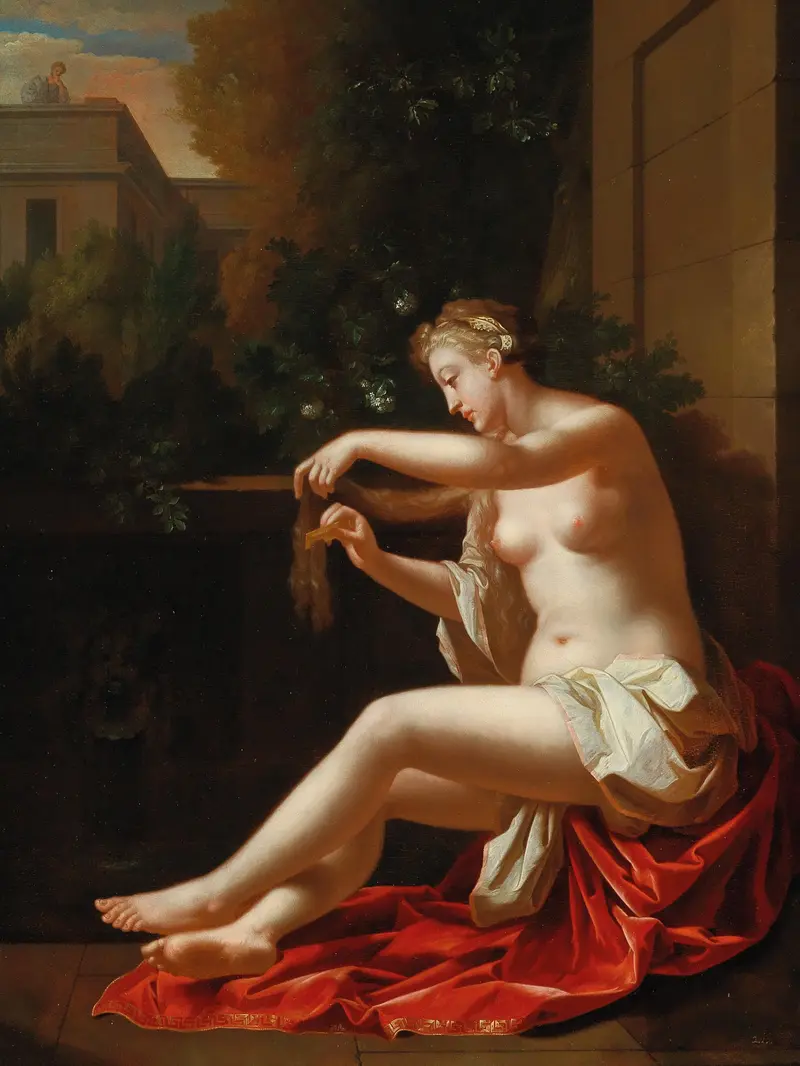
Bathsheba
Adriaen van der Werff
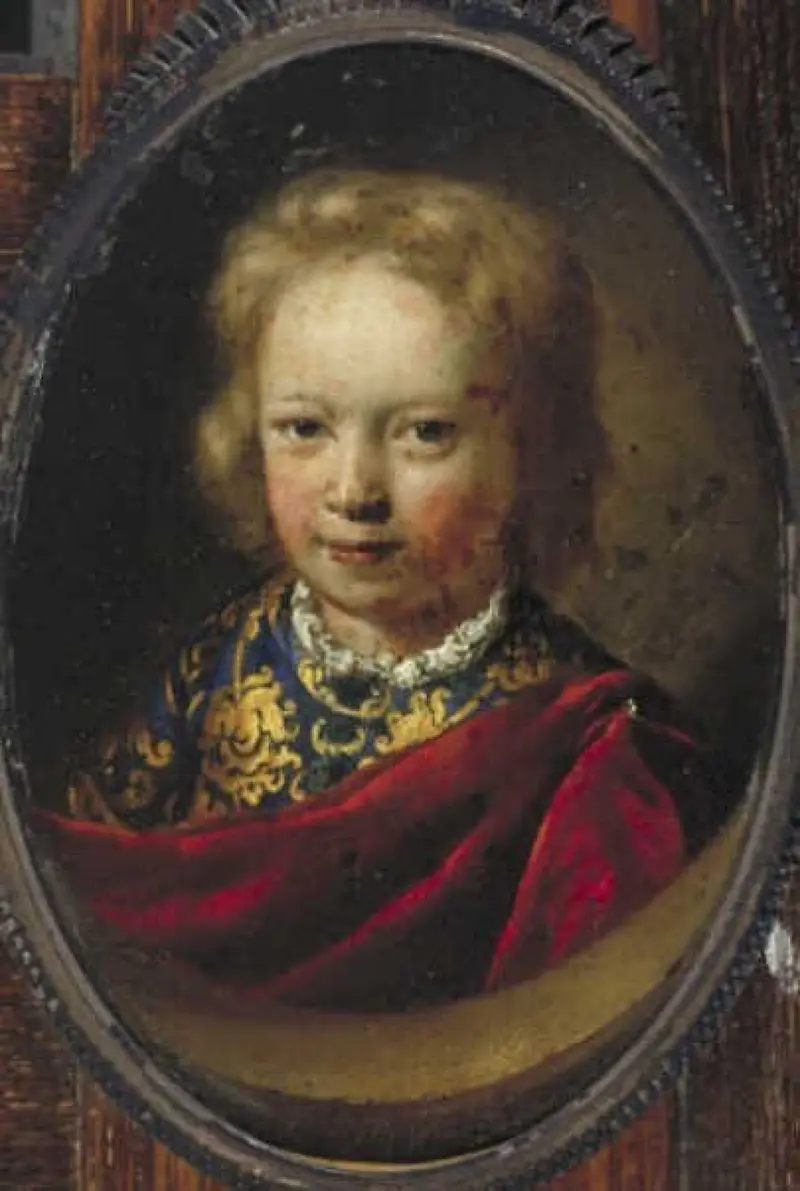
Portrait of Johan Versijden de Jonge
Adriaen van der Werff
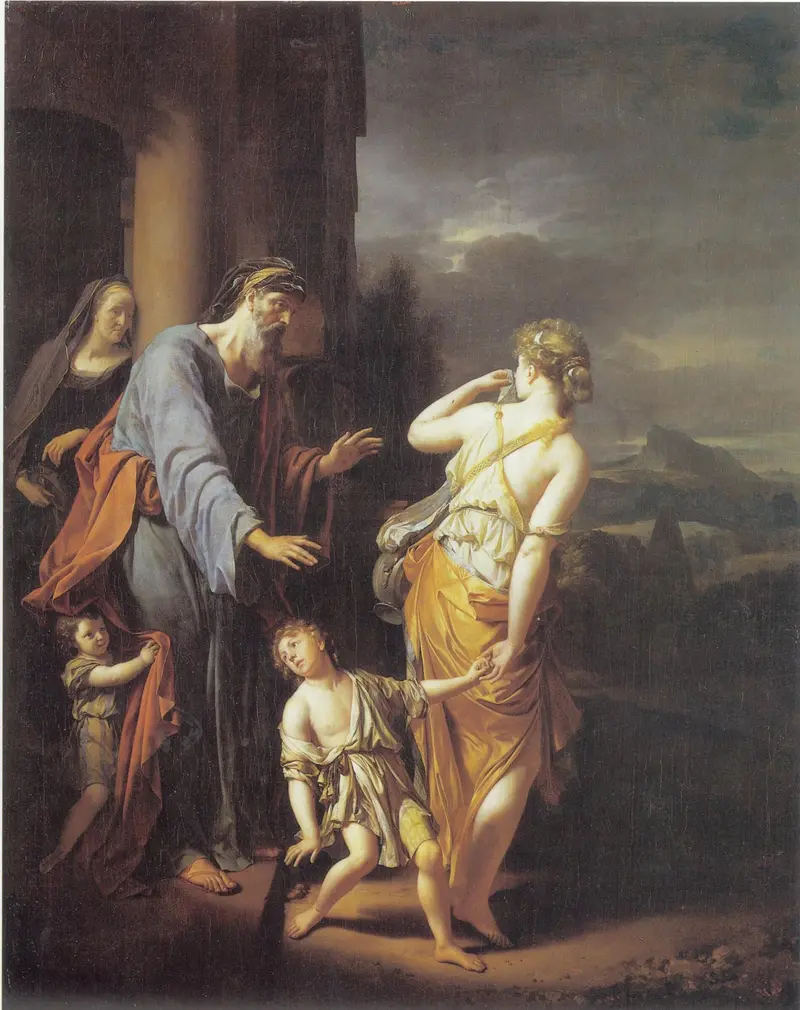
The Banishment of Hagar
Adriaen van der Werff
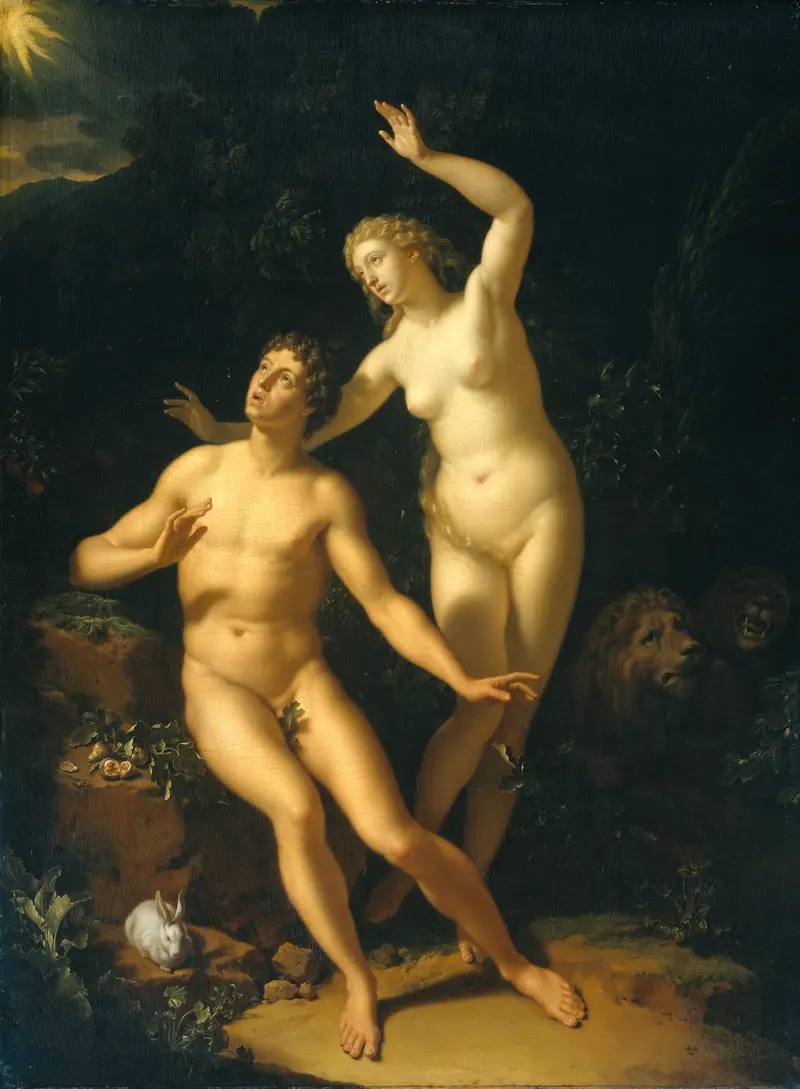
God Holds Adam and Eve Responsible
Adriaen van der Werff
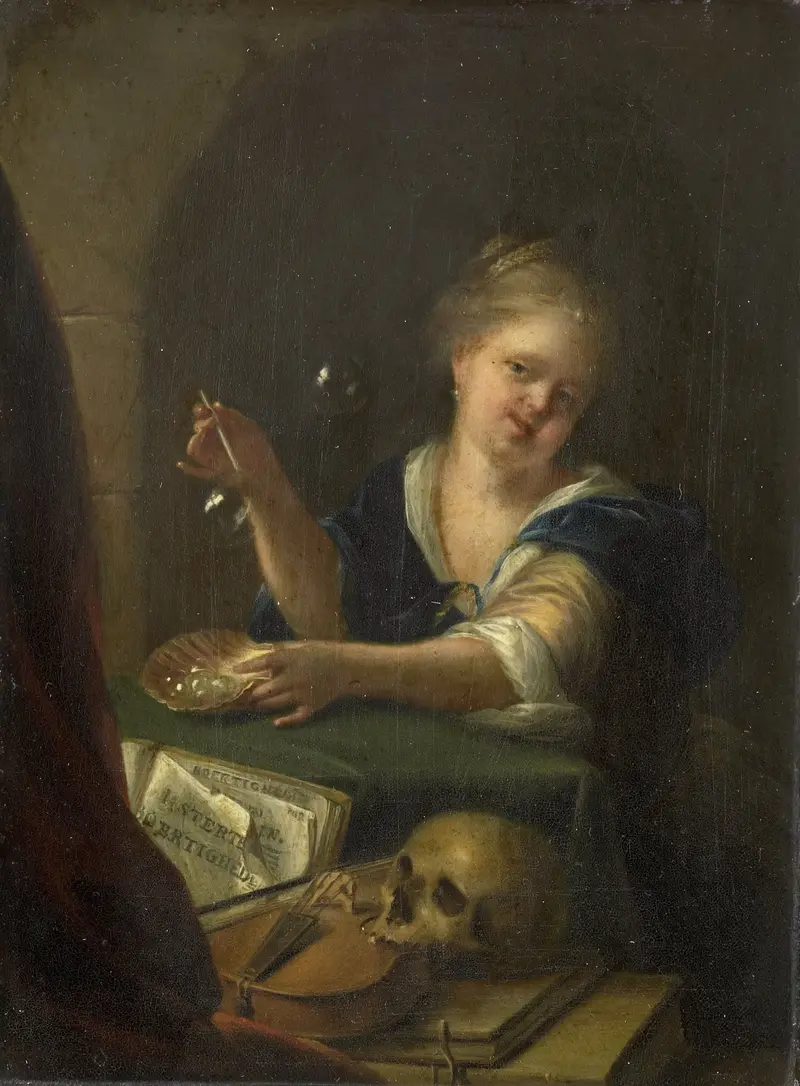
Bubble-blowing Girl with a Vanitas Still Life
Adriaen van der Werff
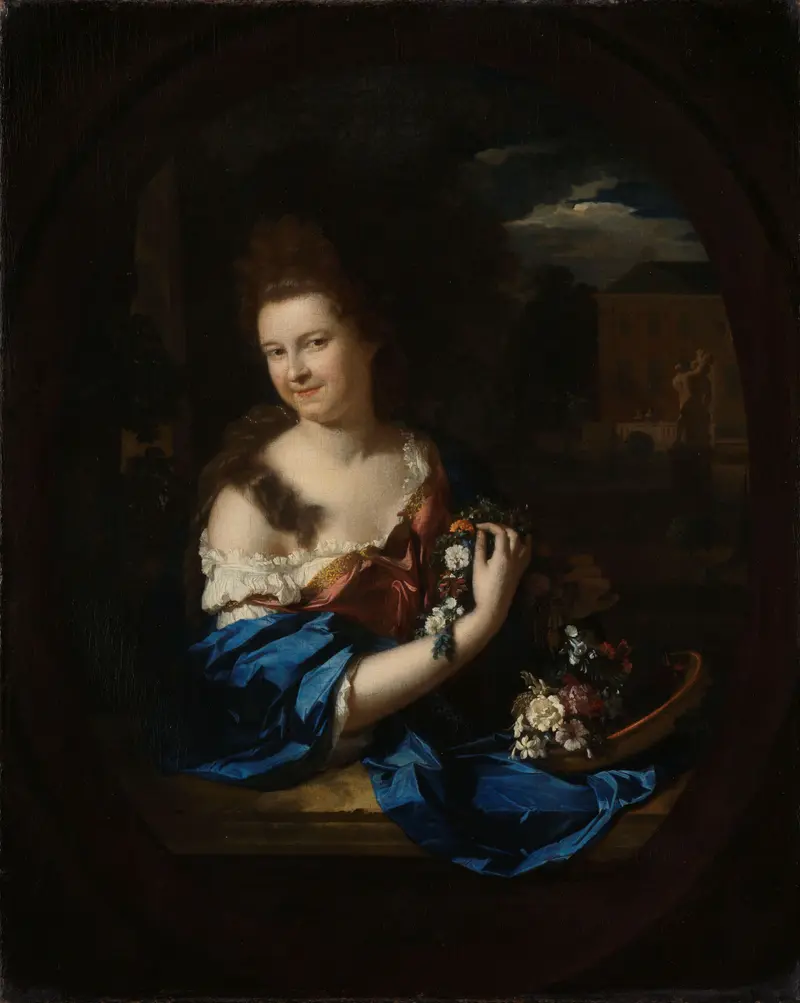
Portrait of Margaretha Rendorp (1673-1730), wife of Jan van de Poll
Adriaen van der Werff
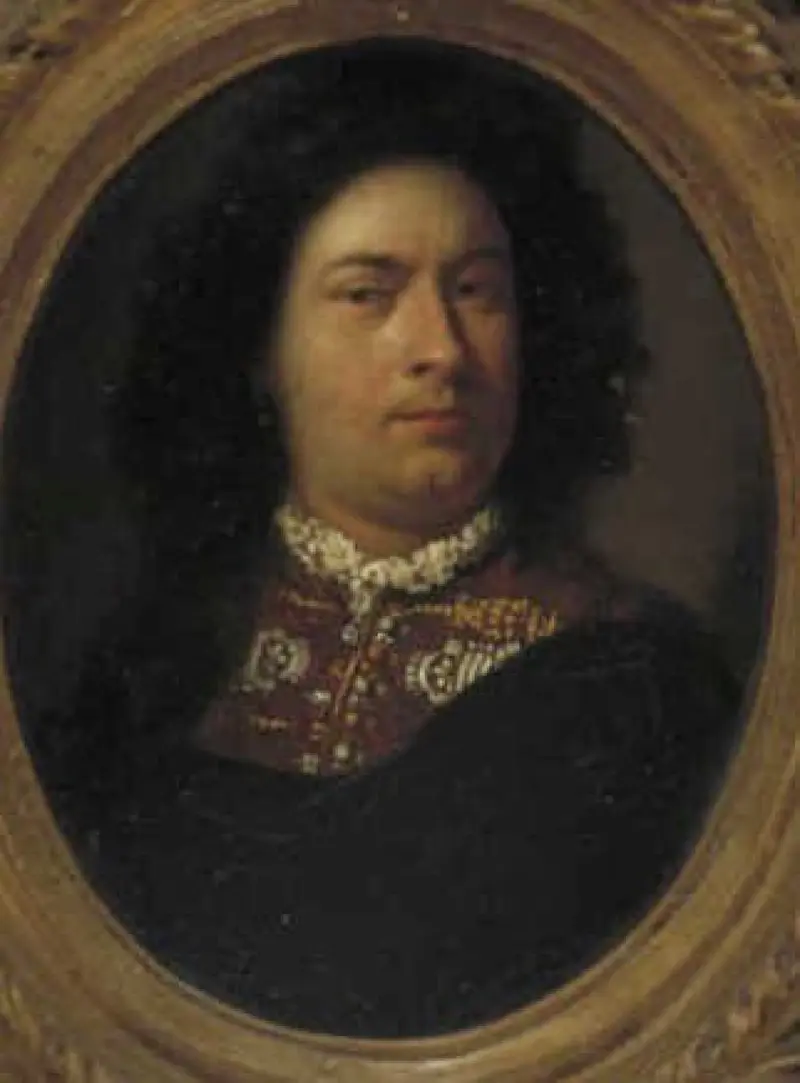
Portrait of Jacob Hendricksz. Vingerhoed
Adriaen van der Werff
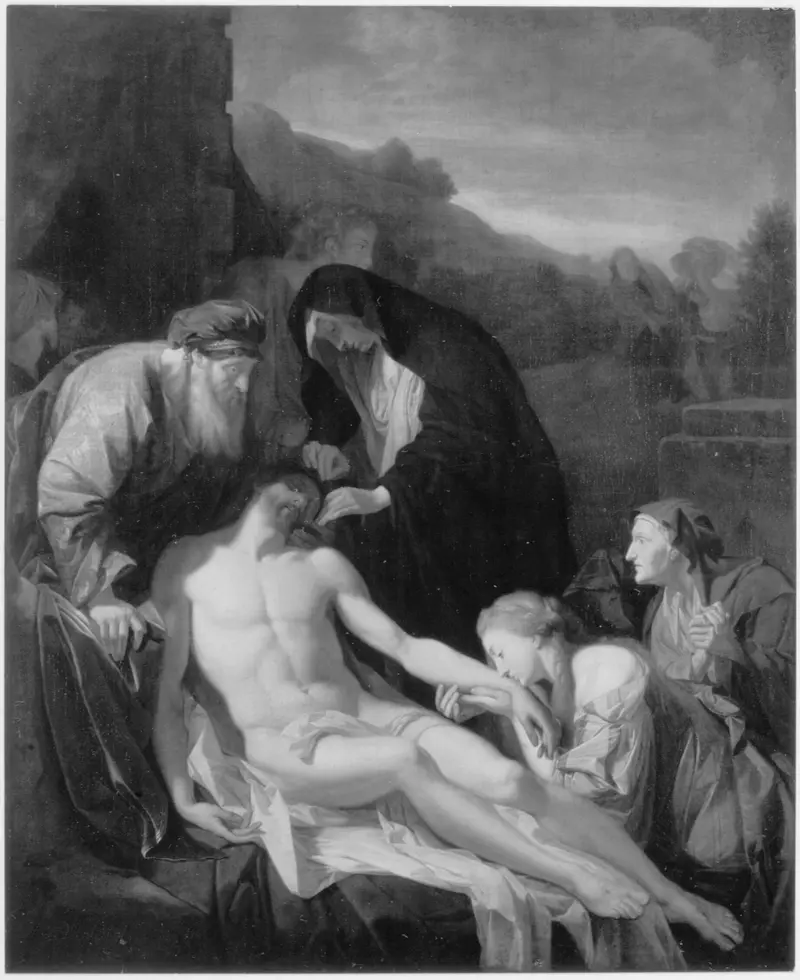
The burial of Christ
Adriaen van der Werff





