
Christ and the Woman in Adultery — History & Facts
In Christ and the Woman in Adultery, you witness the intricate dance of humanity’s struggles and salvation. Here, movement flows not just through the figures but within the emotional currents that connect them. Focus first on the poignant expressions captured in the faces of the onlookers, particularly the woman who stands at the center of the turmoil. Notice how the light falls upon her downcast eyes and trembling hands, revealing vulnerability and despair.
The contrasting figures surrounding her — from Christ’s steady gaze to the accusatory stares of the crowd — create a powerful visual dialogue, drawing you deeper into their conflicting emotions. Van den Eeckhout's masterful use of color enhances this tension, with warm tones enveloping the figures while cooler hues hint at the somber atmosphere of judgment. Within this composition, the juxtaposition of mercy and condemnation emerges vividly. The woman’s posture speaks volumes, embodying both resignation and the flicker of hope ignited by Christ’s presence.
The crowd, a chaotic assembly of varied emotions, represents the societal pressures that bind the individual. Each brushstroke carries the weight of judgment and compassion, reflecting the tumultuous nature of human experience and the thirst for redemption. Created between 1650 and 1674, this work emerges from a time when the Dutch Golden Age was flourishing, and artists were captivated by the depiction of moral and spiritual dilemmas. Van den Eeckhout, a follower of Rembrandt, sought to convey deeper human truths through his mastery of light and shadow.
This piece not only showcases his technical skill but also resonates with contemporary issues of morality and grace, inviting viewers to reflect on their own judgments and humanity.
More Artworks by Gerbrand van den Eeckhout
Browse all →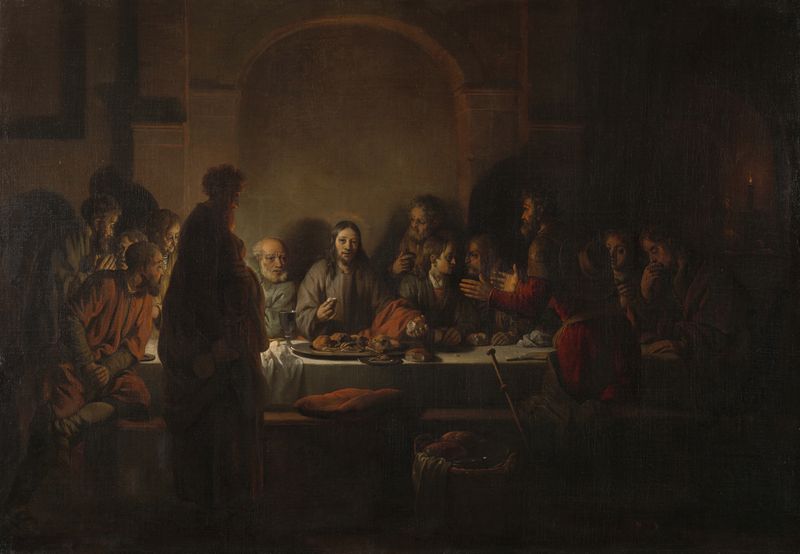
The Last Supper
Gerbrand van den Eeckhout
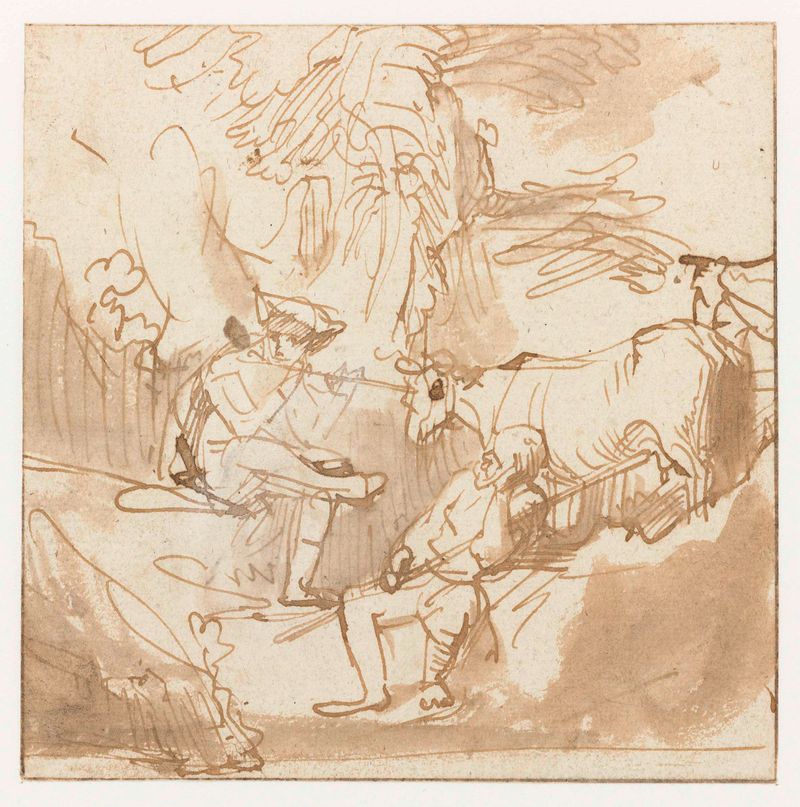
Mercury, Argus and Io
Gerbrand van den Eeckhout
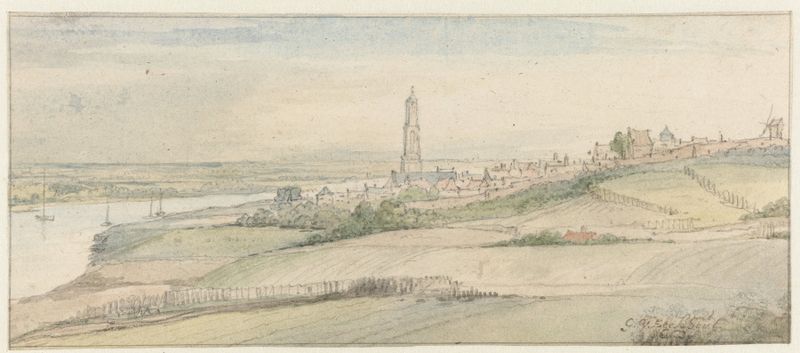
View of Rhenen and the Rhine from the East
Gerbrand van den Eeckhout
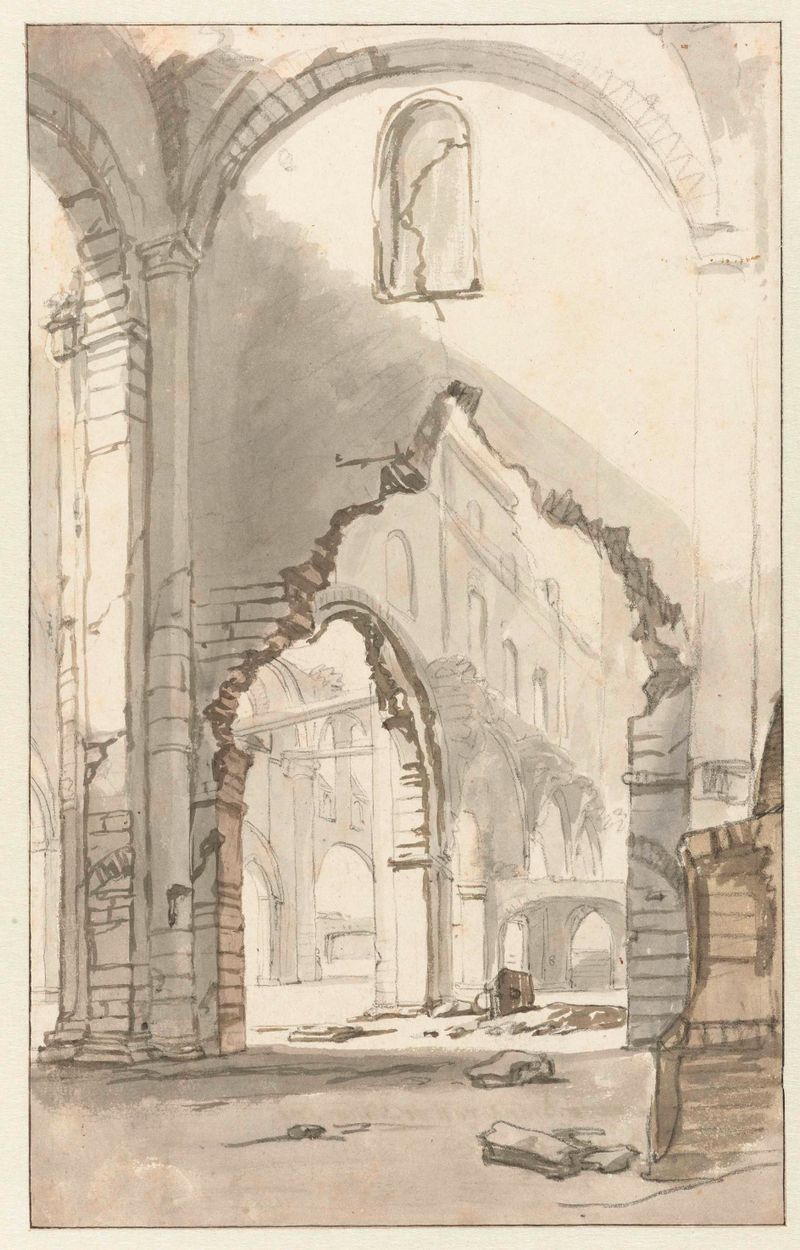
Interior of a Delapidated Church
Gerbrand van den Eeckhout
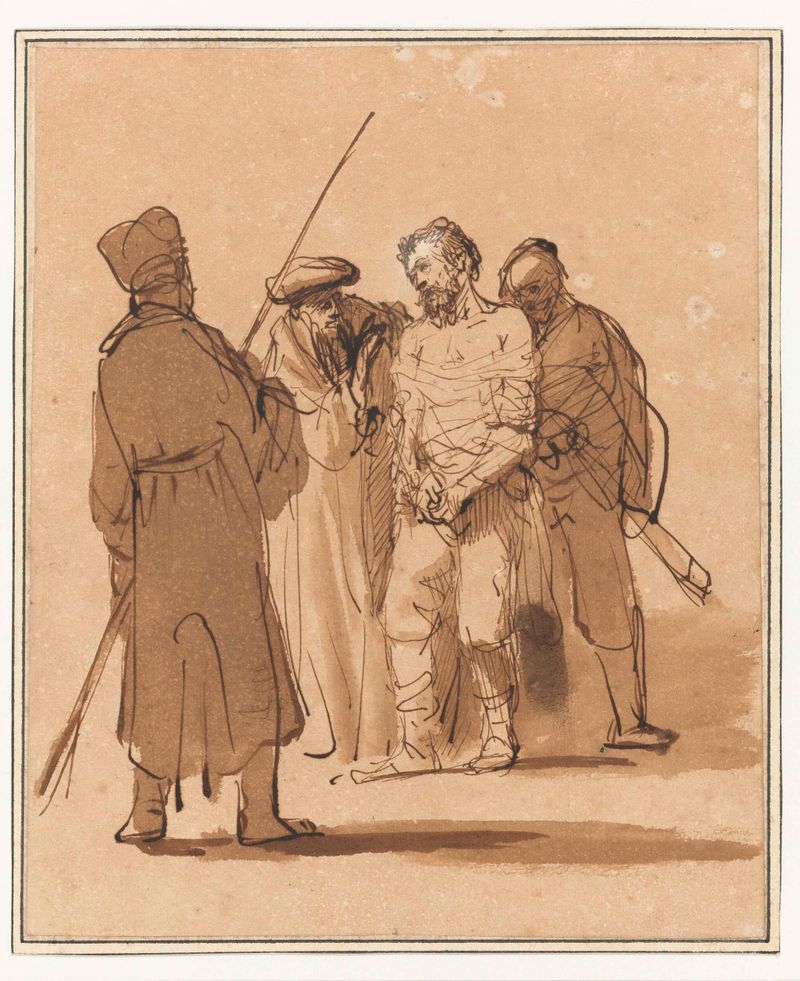
Christ Bound between Two Soldiers and a High Priest
Gerbrand van den Eeckhout
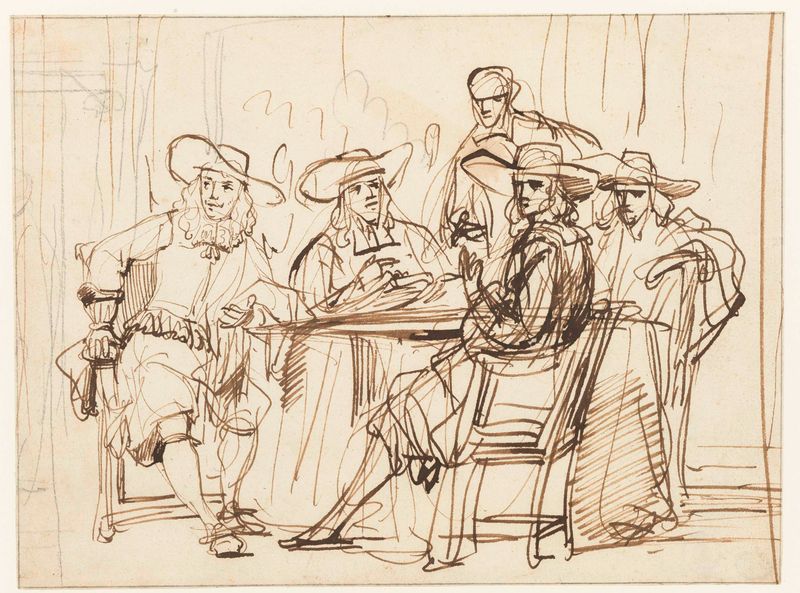
Officers of the Coopers’ and Wine-Rackers’ Guild
Gerbrand van den Eeckhout
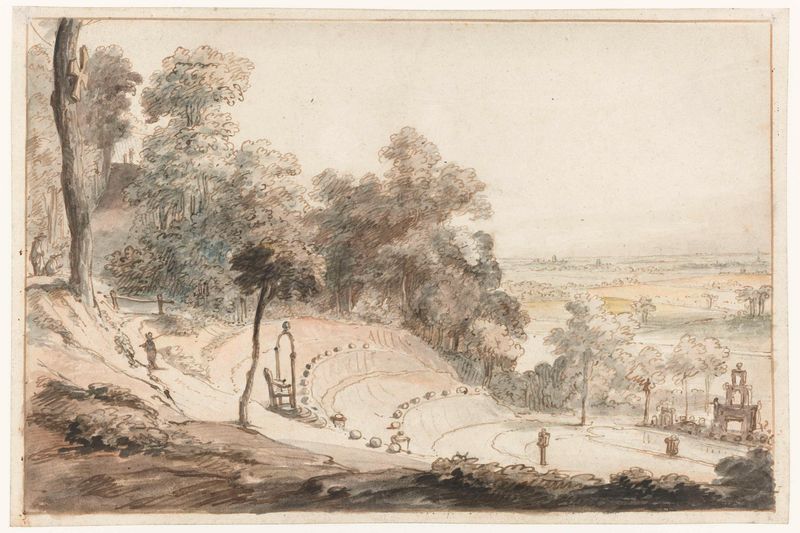
The Amphitheatre on the Springenberg in Cleves
Gerbrand van den Eeckhout
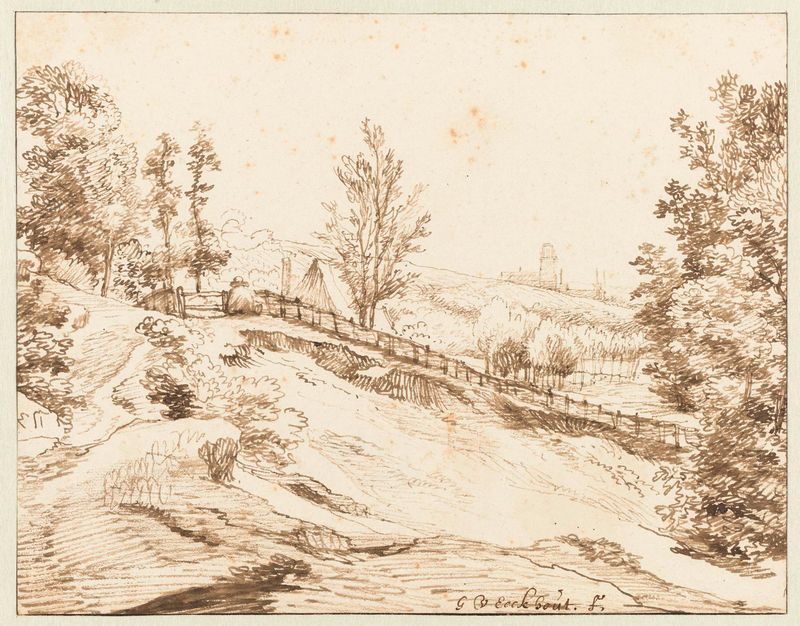
Undulating Landscape with Arnhem in the Distance
Gerbrand van den Eeckhout
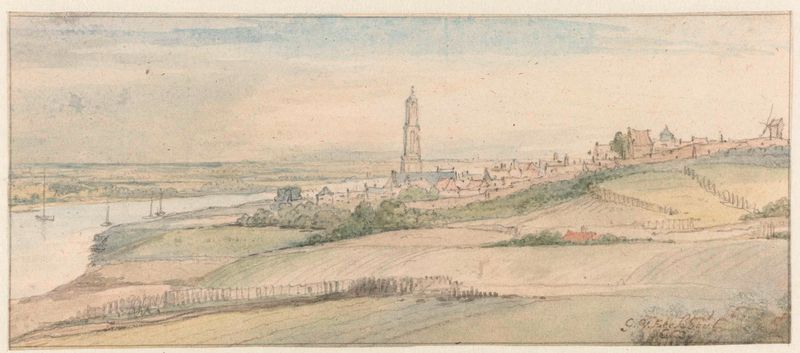
View of Rhenen and the Rhine from the East
Gerbrand van den Eeckhout
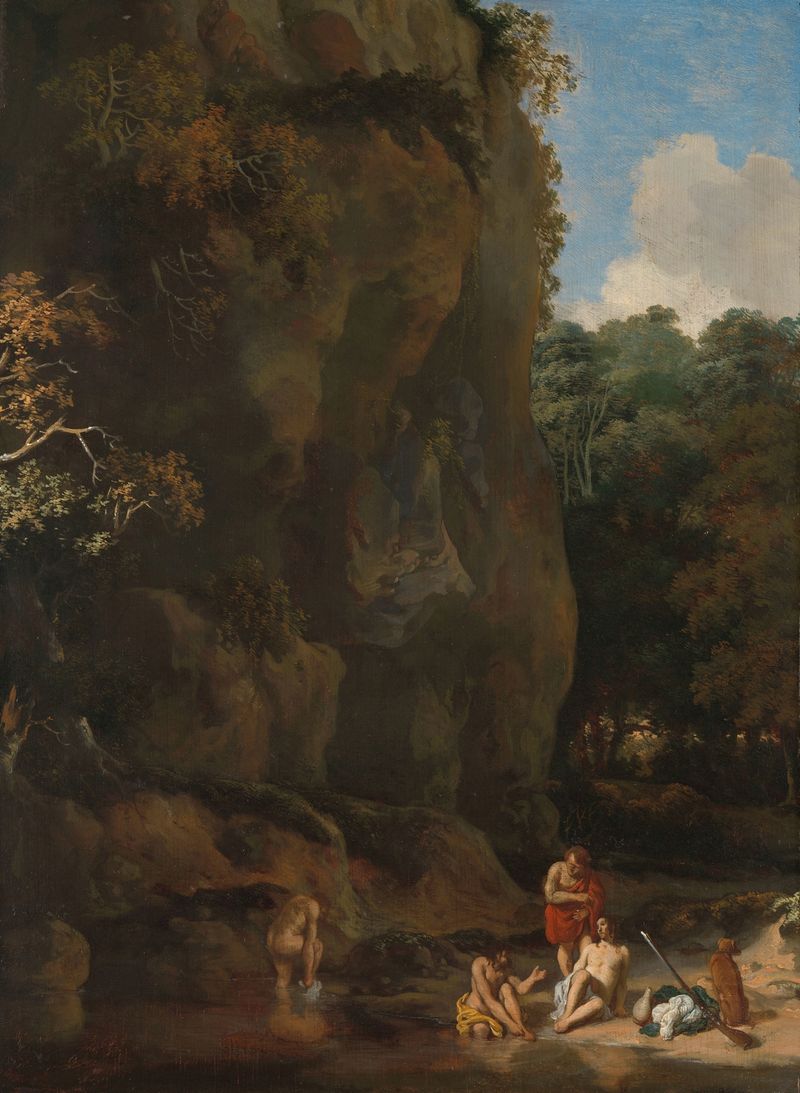
Men Bathing
Gerbrand van den Eeckhout
More Religious Art
Browse all →
The Return of the Prodigal Son
Rembrandt van Rijn

The Garden of Earthly Delights
El Bosco

Count Orgaz’ funeral
El Greco

The Hundred Guilder Print: the central piece with Christ preaching, the plate arched
Rembrandt van Rijn

The Descent from the Cross
Rogier van der Weyden

The return of the prodigal son
Rembrandt van Rijn