
Officers of the Coopers’ and Wine-Rackers’ Guild — History & Facts
What if beauty was never meant to be finished? In the delicate interplay of color and form, one can sense the tension that lingers just beneath the surface of this scene, hinting at the violence that often underlies human endeavors. Focus your gaze on the central figures, the officers of the Coopers’ and Wine-Rackers’ Guild, whose poised stances and formal attire convey authority and pride. Notice how the muted palette of browns and golds envelops them, suggesting a world steeped in tradition yet on the cusp of change. The soft light that falls upon their faces highlights the intricate details of their expressions, revealing a mix of resolve and vulnerability.
Each brushstroke reflects the meticulous care with which the artist captured this moment in time, inviting a closer examination of their roles and relationships within the guild. As you explore the painting further, consider the subtle power dynamics at play. The juxtaposition of their serene postures against the background of barrels and tools evokes a sense of labor and craftsmanship often overlooked. There’s an unspoken narrative of competition and camaraderie, hinting at a world shaped not only by the beauty of craftsmanship but also by the strife inherent in guild politics.
The tension between the ornate details of their attire and the rugged textures of their environment creates a compelling contrast, reflecting the duality of human existence—both the pursuit of excellence and the underlying violence of ambition. During this period, van den Eeckhout, working in Amsterdam, was influenced by the broader trends in Dutch Baroque painting, where the depiction of everyday life was becoming increasingly popular. Between 1667 and 1670, as the art world flourished, he engaged deeply with themes of social status and camaraderie, paralleling the brewing changes in artistic expression across Europe. His depiction captures a pivotal moment when traditional institutions were being questioned, and the beauty of craftsmanship became intertwined with the complexity of human relationships.
More Artworks by Gerbrand van den Eeckhout
Browse all →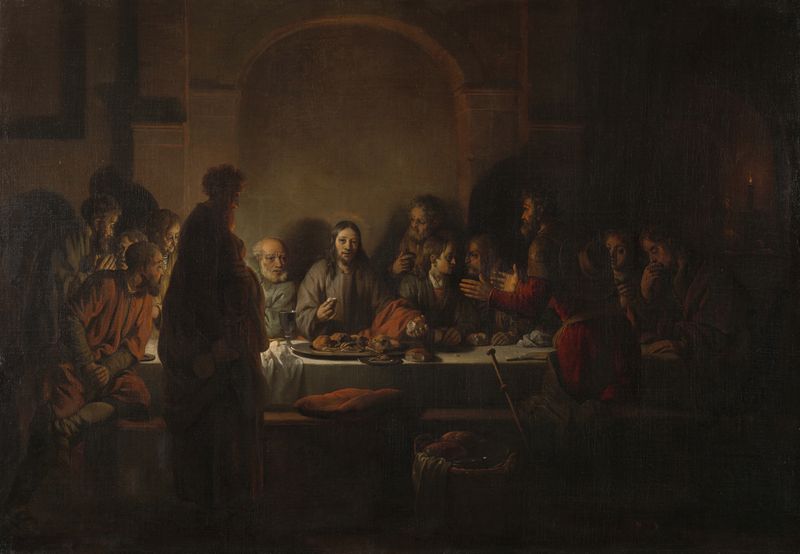
The Last Supper
Gerbrand van den Eeckhout
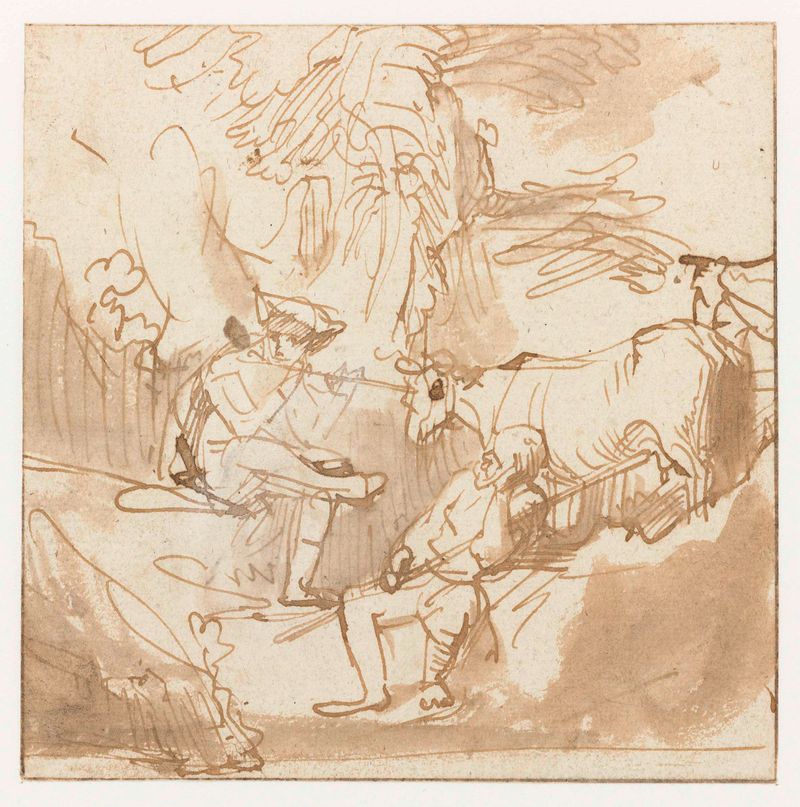
Mercury, Argus and Io
Gerbrand van den Eeckhout
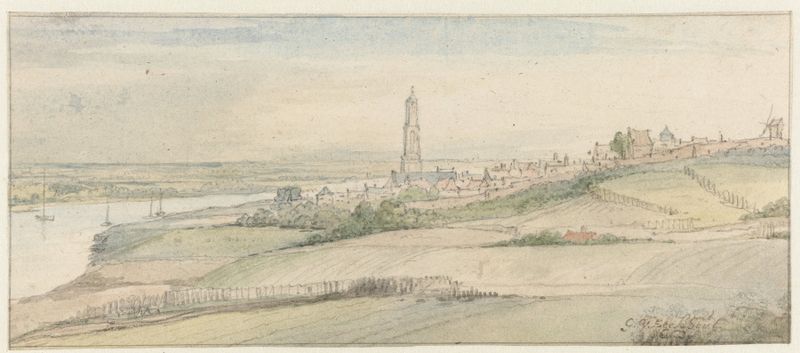
View of Rhenen and the Rhine from the East
Gerbrand van den Eeckhout
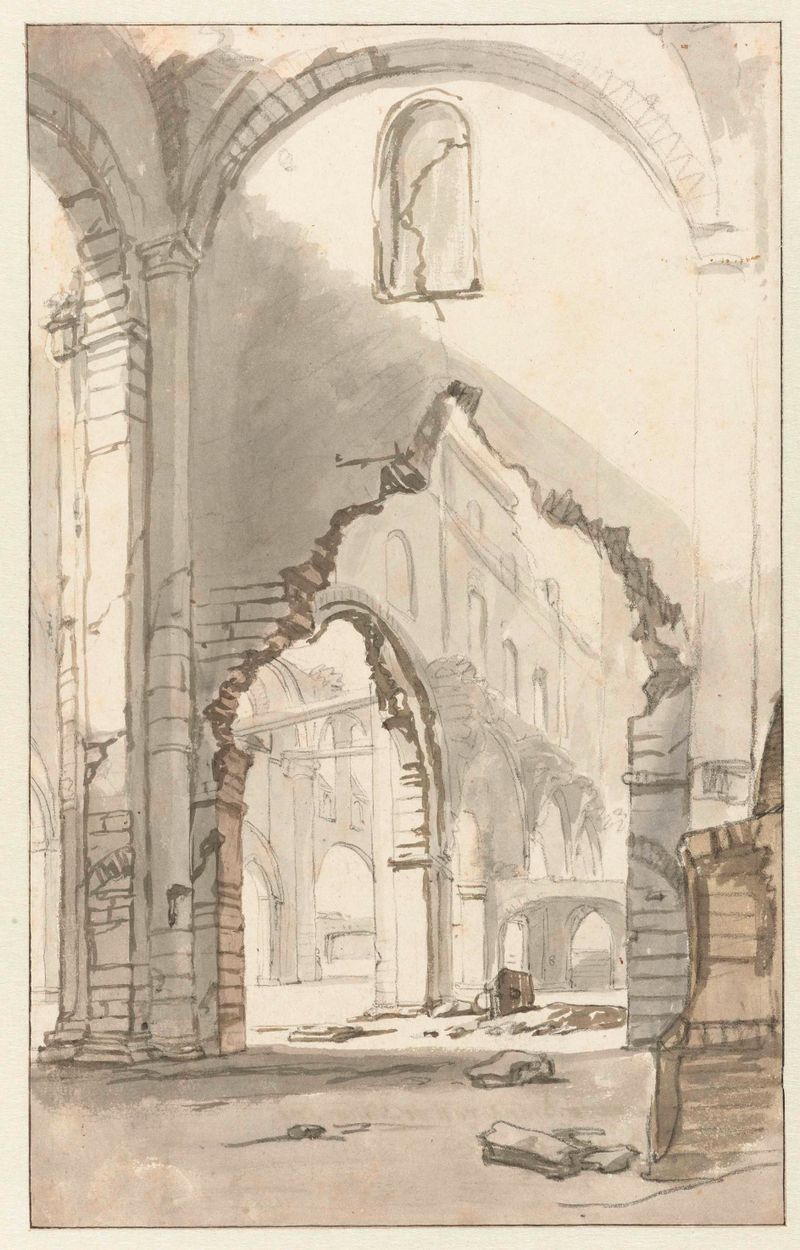
Interior of a Delapidated Church
Gerbrand van den Eeckhout
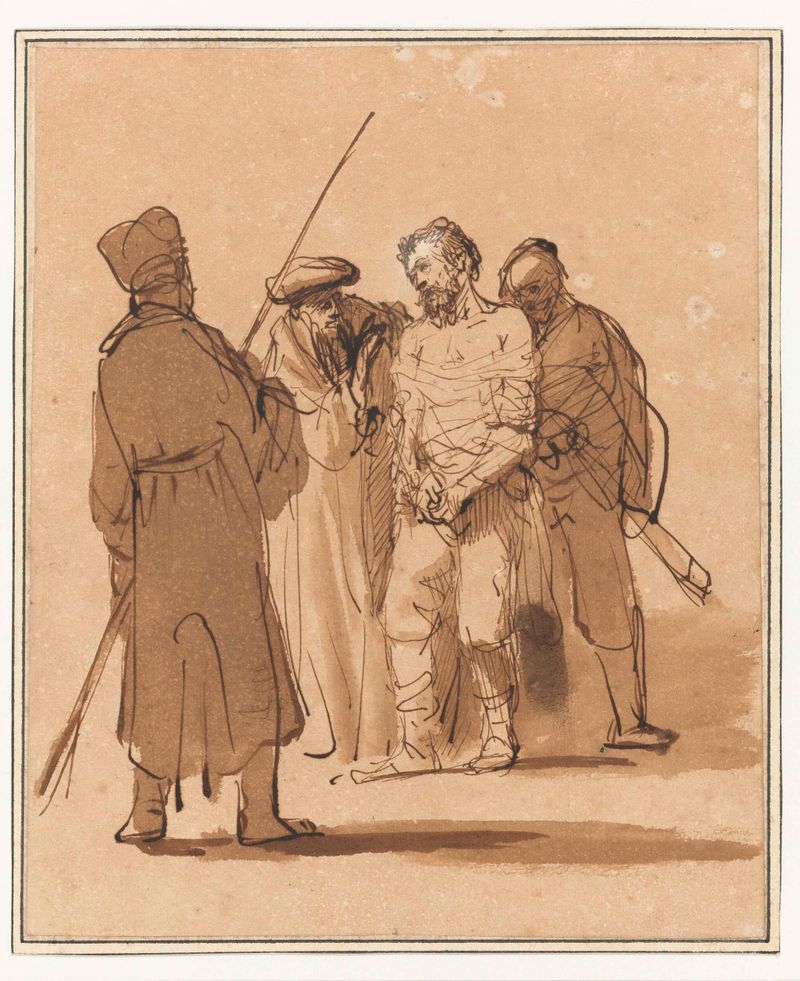
Christ Bound between Two Soldiers and a High Priest
Gerbrand van den Eeckhout
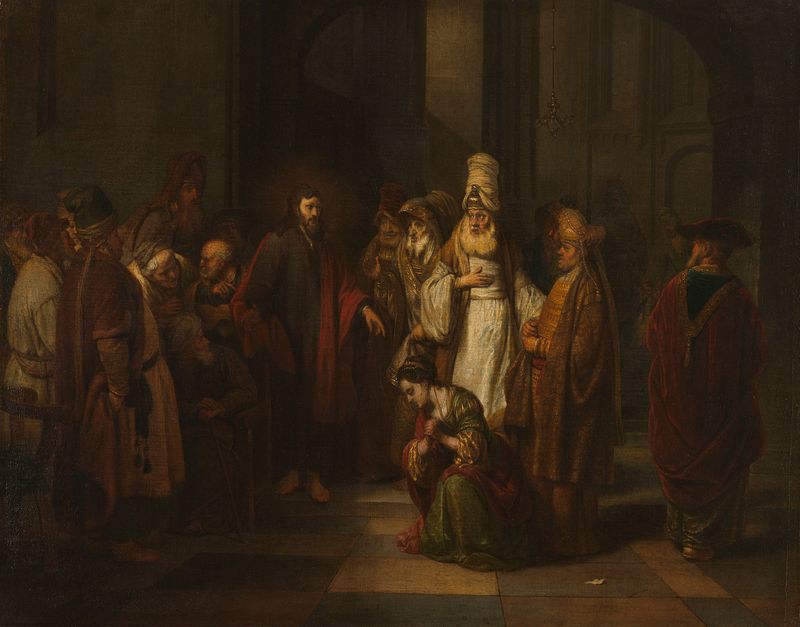
Christ and the Woman in Adultery
Gerbrand van den Eeckhout
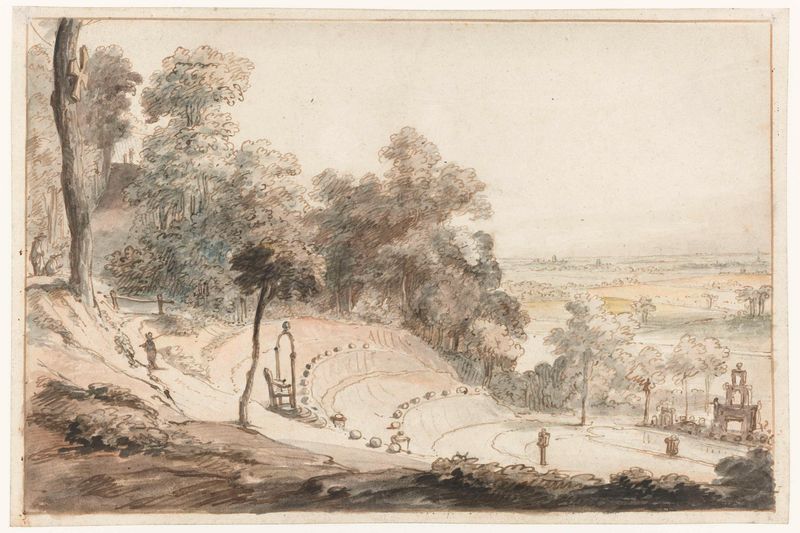
The Amphitheatre on the Springenberg in Cleves
Gerbrand van den Eeckhout
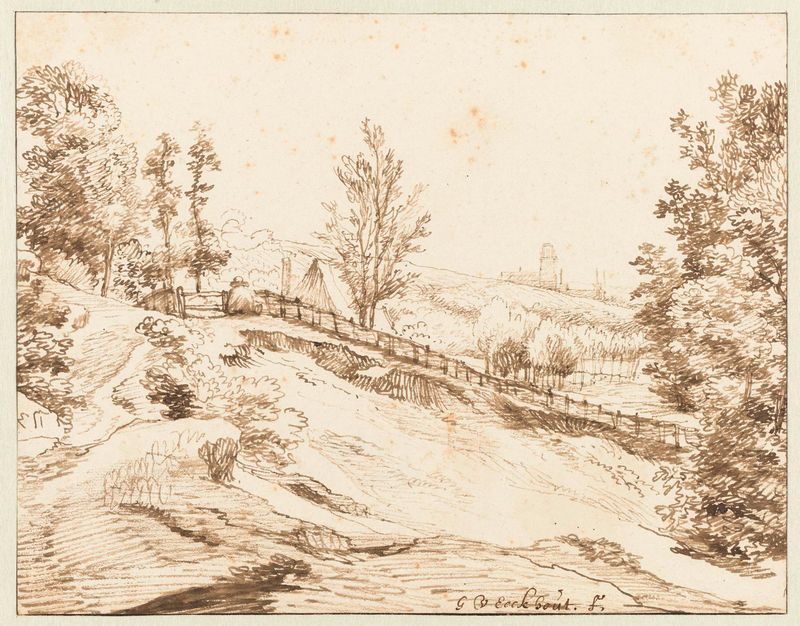
Undulating Landscape with Arnhem in the Distance
Gerbrand van den Eeckhout
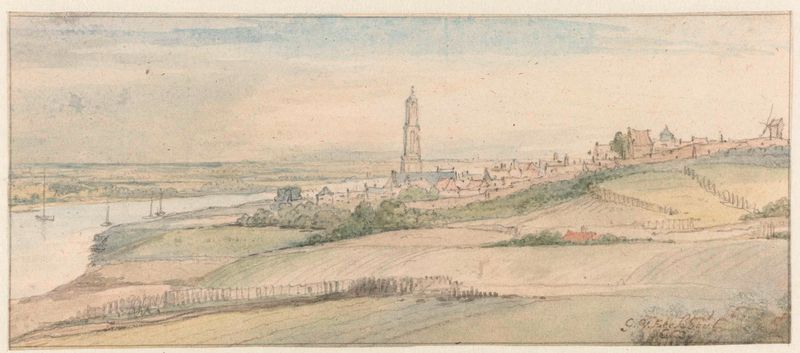
View of Rhenen and the Rhine from the East
Gerbrand van den Eeckhout
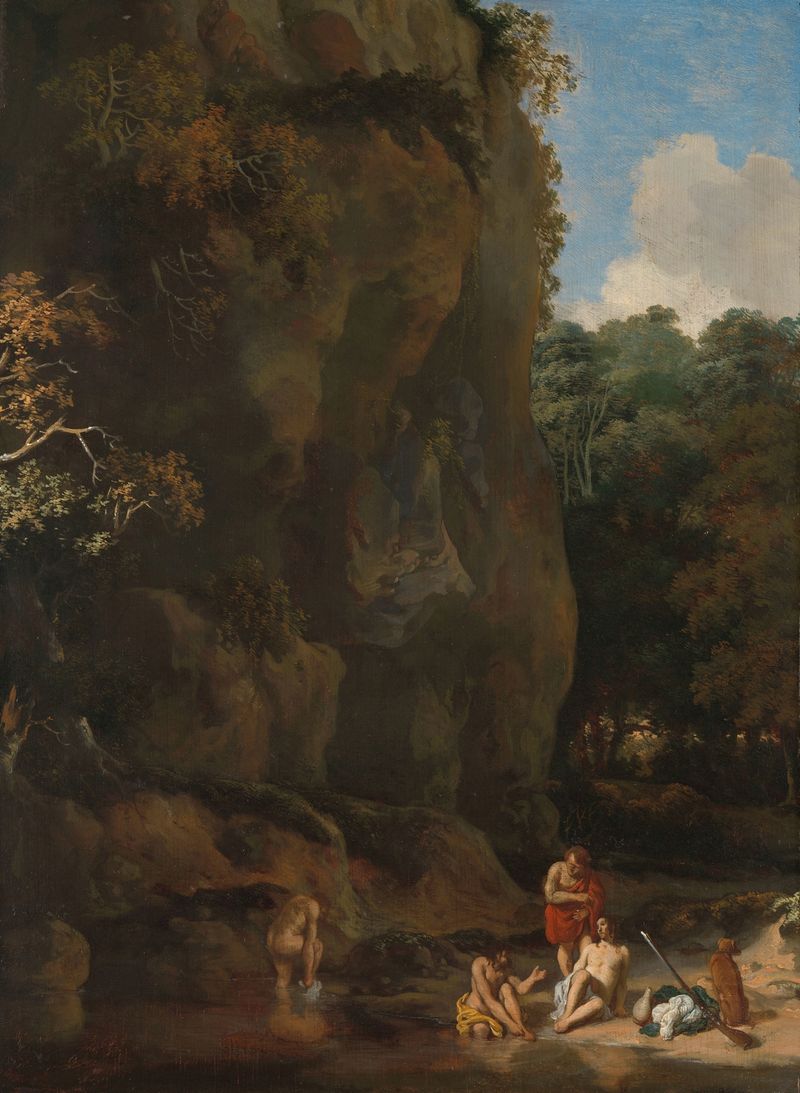
Men Bathing
Gerbrand van den Eeckhout
More Historical Art
Browse all →
The Night Watch Militia Company of District II under the Command of Captain Frans Banninck Cocq
Rembrandt van Rijn

Lincoln Memorial
Henry Bacon

The Third of May 1808
Francisco de Goya

Isaac and Rebecca, Known as ‘The Jewish Bride’
Rembrandt van Rijn

The Charge of the Mamelukes (1814)
Francisco de Goya

De vier ruiters van de apocalyps
Albrecht Dürer